
California, a state synonymous with golden beaches, tech innovation, and iconic Hollywood glamor, also faces the vital task of educating its youngest residents. The dedicated individuals who guide elementary students through their foundational years play an immeasurable role in shaping the state’s future. But for those considering a career in teaching, or simply curious about the financial realities of educators in the Golden State, a critical question arises: how much do elementary teachers actually make in California? More importantly, how do these salaries translate into the ability to enjoy the rich travel, accommodation, and lifestyle opportunities that California and beyond offer?
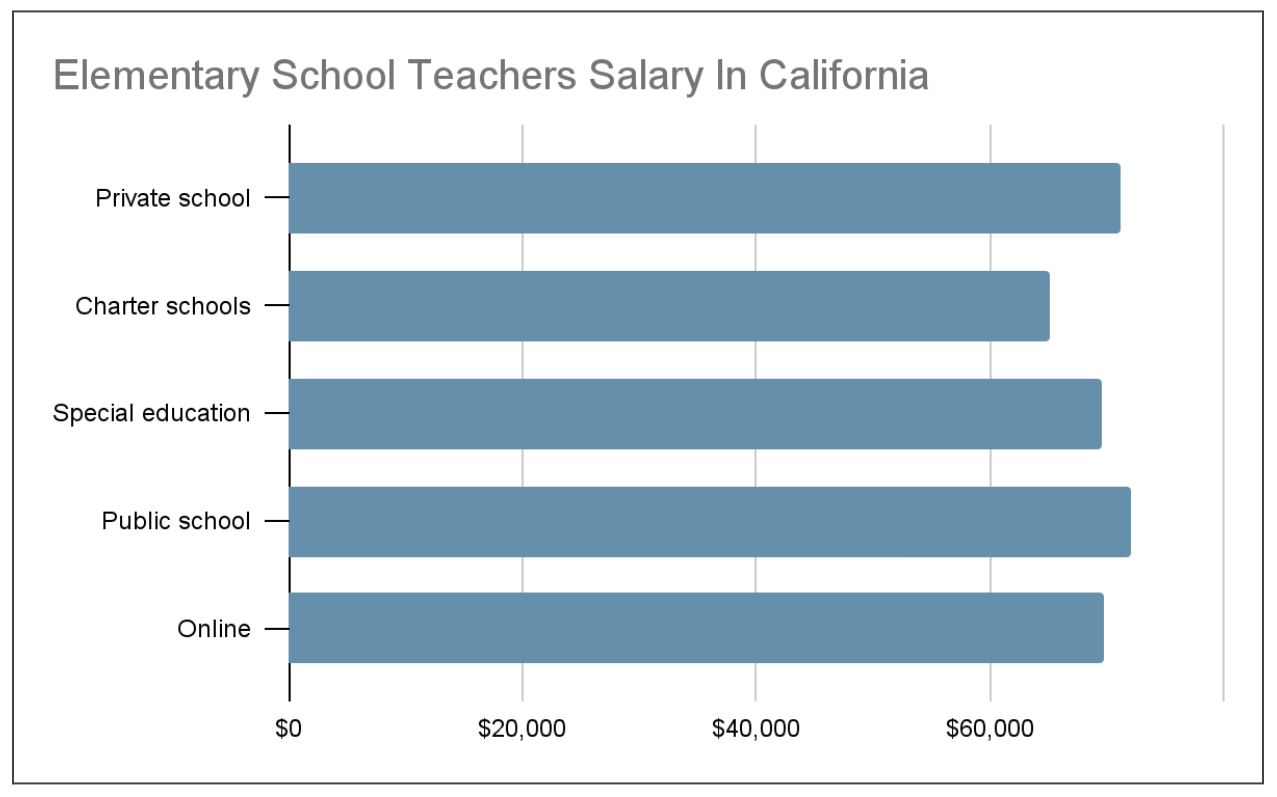
This article delves into the financial landscape for elementary teachers in California, exploring salary ranges, cost of living impacts, and the practical implications for budgeting for travel, choosing accommodations, and embracing a fulfilling lifestyle. Understanding these dynamics is crucial for prospective teachers and provides insight into the broader economic picture of one of the world’s largest economies.
The Financial Landscape for California Elementary Educators
The salary of an elementary teacher in California is not a monolithic figure. It varies significantly based on a multitude of factors, including the specific school district, a teacher’s level of education, years of experience, and additional certifications. While California is known for its high cost of living, it also boasts some of the highest teacher salaries in the nation, particularly in certain metropolitan areas.
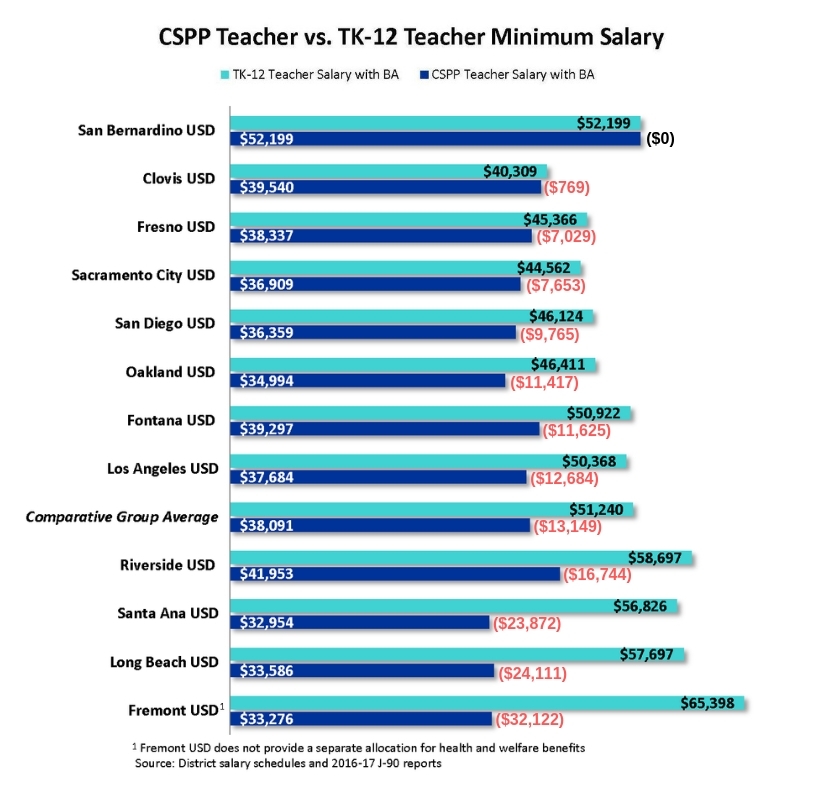
Entry-level elementary teachers typically start with a salary ranging from the high $40,000s to the low $60,000s, depending on the district and their educational background (e.g., a Bachelor’s degree versus a Master’s). With experience, a teacher’s salary can climb substantially. Veteran educators, especially those with advanced degrees and decades of service, can earn upwards of $90,000 to over $100,000 annually in many districts, with some of the most competitive districts reaching even higher.
Salary Averages and Variations Across Districts
To truly understand the compensation, it’s essential to look at the regional disparities. A teacher working in the Los Angeles Unified School District (LAUSD), for instance, might have a different salary schedule than one in a smaller, more rural district like those found in the Central Valley near Fresno or Bakersfield.
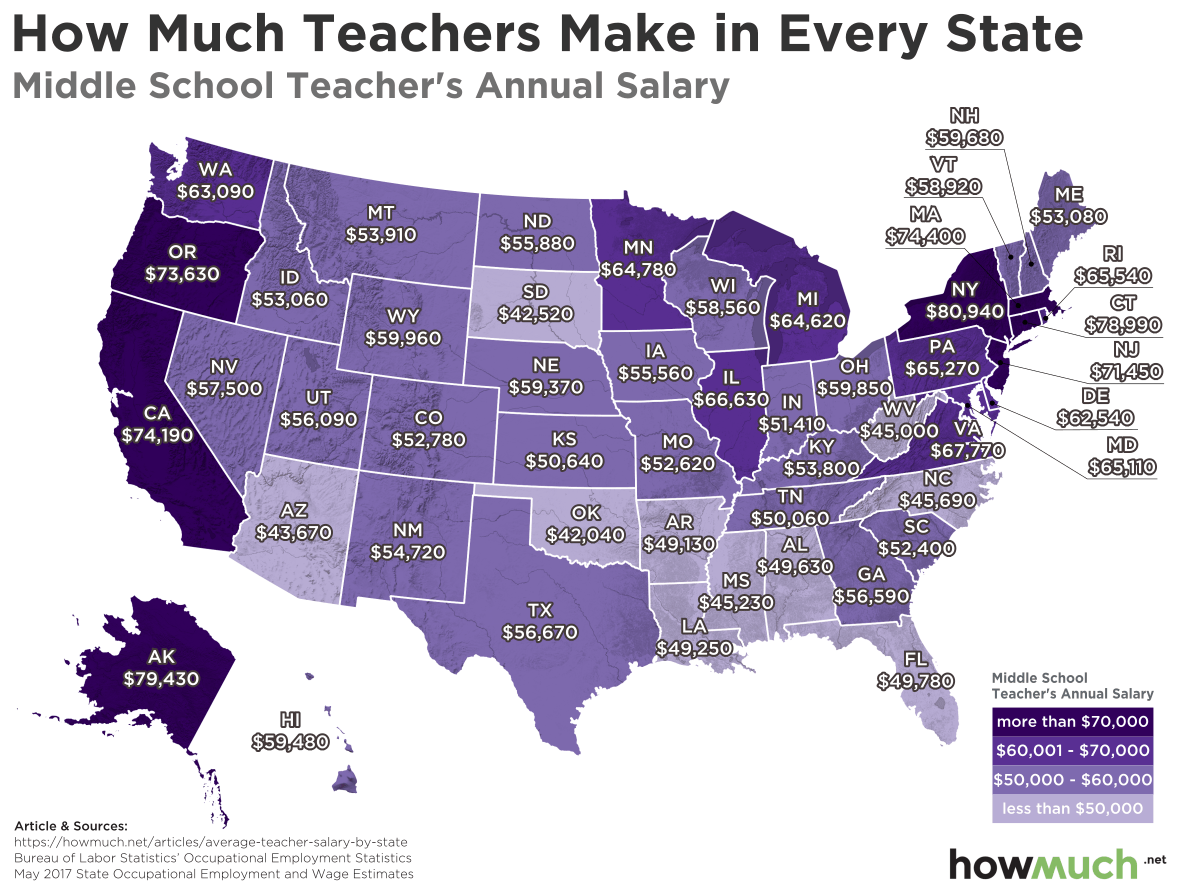
Major urban centers and their surrounding affluent suburbs generally offer higher salaries. For example, districts in the San Francisco Bay Area, including San Francisco, San Jose, and Oakland, often lead the state in teacher pay scales. A mid-career elementary teacher with a master’s degree could potentially earn in the high $80,000s to low $100,000s in these areas. Similarly, districts in Orange County and parts of San Diego County also offer competitive wages.
However, the picture can shift dramatically in less populated or less affluent regions. While districts in places like Sacramento, Long Beach, or Anaheim still offer respectable salaries, the upper echelons might not reach the peaks seen in the Bay Area. This regional variation creates a complex landscape where a higher salary doesn’t always translate to greater purchasing power, a critical point when considering lifestyle aspirations such as travel and quality accommodation.
Factors Influencing Teacher Pay
Beyond location, several key factors directly impact an elementary teacher’s earning potential in California:
- Experience: This is arguably the most significant determinant. Salary schedules are typically structured to provide annual increases based on years of service. A teacher in their first year will earn considerably less than one with 10 or 20 years of experience.
- Education Level: Holding a Master’s degree or even a Doctorate can significantly boost a teacher’s starting salary and progression through the pay scale. Many districts offer additional stipends or place teachers on higher salary columns for advanced degrees.
- Credentials and Specializations: Special education credentials, bilingual authorizations, or other specialized teaching certifications can also lead to additional stipends or higher placement on the salary schedule, recognizing the increased skill set and demand for these educators.
- District Budgets and Collective Bargaining: School district budgets, influenced by local property taxes and state funding, play a crucial role. Furthermore, teacher unions in California are strong advocates for their members, negotiating collective bargaining agreements that establish salary schedules, benefits, and working conditions. The strength of these negotiations can directly impact teacher compensation.
Navigating the California Cost of Living on a Teacher’s Salary
While California offers competitive teacher salaries, the state also comes with an exceptionally high cost of living, particularly when it comes to housing. This economic reality significantly shapes the lifestyle choices available to elementary teachers, from where they can afford to live to how much they can allocate for travel and leisure.
The median home price in California consistently ranks among the highest in the nation, often several times the national average. Rental costs follow a similar trend, especially in desirable urban and coastal areas. This means that a substantial portion of an elementary teacher’s salary, even a good one, often goes directly towards housing.
Housing Challenges and Accommodation Choices
For many elementary teachers, especially those early in their careers or living in high-cost areas like San Francisco or Palo Alto, purchasing a home can seem like a distant dream. Even renting a modest apartment can consume a significant percentage of their monthly income. This reality often leads to strategic decisions:
- Commuting: Many teachers opt to live in more affordable outlying communities and commute to higher-paying districts, sometimes enduring long daily drives. This trade-off saves on housing costs but adds time and transportation expenses.
- Shared Accommodation: It’s not uncommon for newer teachers or those in expensive cities to live with roommates, sharing rent and utility burdens to make ends meet and free up funds for other life experiences, including travel.
- Employer-Assisted Housing: Some progressive school districts in California are exploring or implementing programs to offer affordable housing options to teachers, recognizing the challenge of attracting and retaining educators in high-cost areas. These programs, though limited, represent a crucial effort to improve teachers’ quality of life and stability.
- Accommodation for Travel: When it comes to travel, the financial squeeze on housing often dictates choices for vacations. While a luxurious stay at a Beverly Hills resort might be out of reach, teachers often prioritize budget-friendly accommodations like vacation rentals, boutique hostels, or camping in California’s stunning national parks like Yosemite National Park or Joshua Tree National Park.
Everyday Expenses and Budgeting for Experiences
Beyond housing, the cost of living in California impacts everything from groceries to transportation. Utilities, gas prices, and even entertainment can be significantly higher than the national average. This necessitates careful budgeting for elementary teachers who aspire to maintain a fulfilling lifestyle, including regular travel and cultural experiences.
- Public Transportation vs. Driving: While some major cities like San Francisco and Los Angeles offer public transportation, many areas of California are car-dependent. Fuel, insurance, and maintenance costs add up, further eating into discretionary income.
- Food Costs: Dining out in California can be expensive, leading many teachers to prioritize home-cooked meals and budget-conscious grocery shopping to save money for travel funds.
- Budgeting for Leisure: Teachers often become adept at finding free or low-cost activities. Exploring local parks, hiking trails, free museum days, or enjoying California’s beautiful public beaches like Santa Monica Pier are popular ways to enjoy leisure without breaking the bank. For bigger experiences like visiting Disneyland or Universal Studios Hollywood, careful savings and advance planning are typically required.
Lifestyle and Leisure: Travel Opportunities for California Teachers
Despite the financial pressures, elementary teachers in California are resourceful and often find creative ways to integrate travel and enriching experiences into their lives. The diverse geography of California itself offers a wealth of incredible destinations right in their backyard, making weekend trips and short breaks more accessible. From the towering redwoods of Redwood National Park to the serene beauty of Lake Tahoe and the rugged coastline of Big Sur, there are endless opportunities for exploration within the state.
Teachers, known for their organizational skills, often apply this prowess to their travel planning. They become experts at scouting deals, utilizing off-peak seasons, and leveraging any available discounts to maximize their travel budgets.
Budgeting for Getaways: Local Adventures vs. International Escapes
For many California teachers, local and regional travel is the most practical and frequent form of getaway. The state’s incredible variety means a road trip of just a few hours can transport them from bustling cityscapes to tranquil mountains, deserts, or coastal towns.
- Weekend Warrior Trips: Short weekend trips to destinations like San Diego (home of the San Diego Zoo), Santa Barbara, San Luis Obispo, Napa Valley, or Palm Springs are popular. These often involve staying in budget-friendly hotels, Airbnb rentals, or camping.
- National Parks Exploration: California’s nine national parks, including Death Valley National Park, offer relatively inexpensive opportunities for immersive nature experiences. Camping or staying in park lodges (often booked well in advance) allows for significant savings on accommodation.
- International Aspirations: While less frequent, international travel is not entirely out of reach. Teachers often save diligently over several years for a dream trip abroad. Leveraging long summer breaks provides ample time for extended international adventures, often planned meticulously to take advantage of off-season rates for flights and accommodations. Some might opt for teaching abroad programs or exchanges to combine their profession with global exploration.
Maximizing Travel with Teacher Discounts and Off-Peak Planning
Elementary teachers are adept at stretching their dollar, a skill that translates well into savvy travel planning:
- Teacher Discounts: Many attractions, museums, and even some hotels or travel companies offer discounts for educators. Showing a teacher ID can often unlock savings.
- Off-Peak Travel: With generous summer breaks, teachers have the luxury of traveling during less crowded and often more affordable times, avoiding peak tourist seasons and enjoying better rates on flights and accommodation. This is a significant advantage over many other professions.
- Budget Accommodation: From hostels and guesthouses to vacation rentals outside the main tourist hubs, teachers often prioritize affordability in their lodging choices, enabling them to spend more on experiences.
- Travel Hacking: Accumulating airline miles or hotel points through credit card rewards programs is another common strategy to make travel more accessible and affordable.
- Food Budgeting on the Go: Packing snacks, opting for grocery store picnics, and choosing local eateries over high-end restaurants are typical ways teachers manage food costs while traveling, allowing them to extend their adventures.
The Future Outlook: Attracting and Retaining Educators in California
The conversation about elementary teacher salaries in California is not just about individual financial well-being; it’s also about the state’s future. Attracting and retaining high-quality educators is paramount for the success of California’s children and its long-term economic prosperity. The allure of a vibrant lifestyle, including the ability to travel and live comfortably, plays a significant role in making the teaching profession attractive.
Policy Initiatives and Support Systems
Recognizing the challenges posed by the high cost of living, especially for housing, California and its various districts have begun to implement measures to support teachers:
- Increased State Funding: There are ongoing efforts to increase state funding for education, which can translate into higher teacher salaries and better benefits.
- Housing Assistance Programs: As mentioned, some districts are exploring or offering programs that provide affordable housing for teachers, reducing their largest monthly expense. This can include subsidized rent, down payment assistance, or even district-owned housing units.
- Loan Forgiveness Programs: State and federal programs exist to help teachers, particularly those in high-need areas or subjects, to alleviate student loan debt, thereby improving their overall financial health and ability to pursue leisure activities.
- Professional Development and Growth: Beyond salary, offering robust professional development opportunities and clear pathways for career advancement can also enhance job satisfaction and retention, making the teaching profession more appealing as a long-term lifestyle choice.
Ultimately, while elementary teachers in California face a unique set of financial considerations due to the state’s high cost of living, their salaries are generally competitive, and their dedication to their profession often comes with a resilient spirit of adventure. By carefully budgeting, leveraging opportunities, and making strategic choices, they manage to build lives that include meaningful travel and rich experiences, proving that a career in education in California can indeed lead to a fulfilling lifestyle out of the box.
LifeOutOfTheBox is a participant in the Amazon Services LLC Associates Program, an affiliate advertising program designed to provide a means for sites to earn advertising fees by advertising and linking to Amazon.com. Amazon, the Amazon logo, AmazonSupply, and the AmazonSupply logo are trademarks of Amazon.com, Inc. or its affiliates. As an Amazon Associate we earn affiliate commissions from qualifying purchases.