
California, a state synonymous with innovation, natural beauty, and a vibrant lifestyle, offers a myriad of opportunities and experiences that draw people from across the globe. From the sun-drenched beaches of San Diego to the majestic forests of Redwood National Park, and the bustling urban centers of Los Angeles and San Francisco, the Golden State truly lives up to its name, promising a rich tapestry of life. However, beneath the allure of its famous landmarks and endless recreational possibilities lies the practical reality of living and working in one of the most expensive states in the United States. This reality profoundly impacts the lifestyle choices, travel aspirations, and accommodation options available to its residents, including those in critical public service roles.
Among the unsung heroes who contribute significantly to the well-being and safety of both residents and the millions of tourists who flock to California each year are Emergency Medical Technicians (EMTs). These dedicated professionals are the first responders in medical emergencies, providing crucial immediate care often in high-stress situations. Their work is invaluable, whether responding to an incident on a busy Hollywood street, aiding a hiker in Yosemite National Park, or assisting a visitor at Disneyland. Given California’s diverse geography and massive population, the demand for skilled EMTs is consistently high. But what does a career as an EMT in California truly entail from a financial perspective? And how does their income influence their ability to partake in the very lifestyle and travel experiences that define the state? This comprehensive guide delves into the earning potential of EMTs in California, exploring how their salaries shape their daily lives, their capacity for exploring the state’s famous attractions, and their choices in accommodation, all within the context of California’s unique economic landscape.
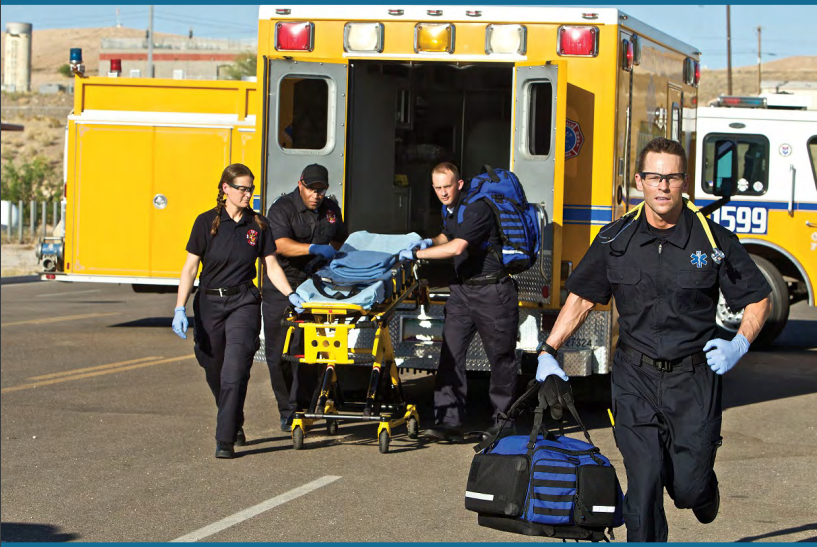
Understanding EMT Salaries Across the Golden State
The financial compensation for EMTs in California is a complex picture, influenced by a multitude of factors, chief among them being the state’s notoriously high cost of living. While the base figures might appear robust on paper, their purchasing power can vary dramatically depending on where an EMT chooses to live and work within the state.
Average Earnings and Influencing Factors
On average, an EMT in California can expect to earn a salary ranging from approximately $45,000 to $60,000 annually for an entry-level or EMT-Basic position. This figure can increase significantly with experience, additional certifications, and the type of employer. For instance, an EMT working for a private ambulance company might have a different pay scale compared to one employed by a municipal fire department, which often offers more comprehensive benefits and higher starting wages. Hospital-based EMTs or those working in specialized transport units might also see variations.
Several key factors play a pivotal role in determining an individual EMT’s salary:
- Experience Level: Like many professions, seniority matters. A seasoned EMT with several years of experience will command a higher salary than a recent graduate.
- Certifications and Training: The distinction between an EMT-Basic and a Paramedic is significant. Paramedics, with their advanced training and ability to perform more invasive medical procedures, consistently earn substantially more, often ranging from $70,000 to over $100,000 annually. Further specializations, such as Critical Care Transport (CCT) certifications, can further boost earning potential.
- Employer Type: Employment with fire departments, especially in larger cities like Oakland or Sacramento, often comes with higher salaries and more robust benefits packages, including pensions and comprehensive health insurance, which can be a significant draw. Private ambulance services are abundant and offer numerous opportunities but might have different pay structures and benefits.
- Work Schedule: Many EMTs work demanding schedules, including nights, weekends, and holidays, which often come with overtime pay. The ability to work these extra hours can significantly augment an EMT’s take-home pay, allowing for greater financial flexibility.
Understanding these variables is crucial for anyone considering an EMT career in California, as they directly influence not just the financial stability but also the potential for enjoying the state’s unparalleled lifestyle and travel opportunities.
Geographic Variations: Urban vs. Rural Compensation
California’s vast and varied landscape means that the cost of living and, consequently, EMT salaries are not uniform. The state is home to some of the most expensive real estate markets in the world, particularly in its major metropolitan areas.
- Major Metropolitan Areas: Cities such as San Francisco, San Jose, Los Angeles, and San Diego tend to offer higher base salaries for EMTs. For example, an EMT in the San Francisco Bay Area might earn at the higher end of the spectrum, possibly upwards of $65,000 for an EMT-Basic or $90,000+ for a Paramedic. However, this higher income is often offset by exorbitant housing costs, where even a modest apartment can command thousands of dollars in rent monthly. This drastically reduces disposable income, making it challenging to save for travel or luxury accommodations, even with a seemingly good salary.
- Inland and Rural Regions: In contrast, areas further inland or in more rural parts of California, such as the Central Valley or parts of Northern California, typically have a lower cost of living. Salaries in these regions might be slightly lower, perhaps starting around $40,000-$50,000 for an EMT-Basic. However, the significantly reduced housing costs and general expenses mean that the real purchasing power of an EMT’s salary might actually be higher, leaving more room for discretionary spending, including travel and leisure. For example, an EMT living in Bakersfield or Fresno might find it easier to afford a comfortable home and still save for a weekend trip to a boutique hotel in Carmel-by-the-Sea or a family vacation to Lake Tahoe than their counterpart struggling with rent in Santa Monica.
The choice of where to practice as an EMT in California is, therefore, not just a career decision but a lifestyle one, directly impacting the quality of accommodation one can afford and the frequency and type of travel experiences one can enjoy.
The Impact of an EMT Salary on Lifestyle and Travel in California
An EMT’s salary in California is more than just a number; it’s a gateway to, or a barrier against, the iconic California lifestyle. The ability to explore the state’s diverse attractions, indulge in its culinary delights, or even simply find comfortable accommodation is heavily dependent on financial realities.
Navigating California’s High Cost of Living
For many EMTs, especially those early in their careers or living in high-cost urban centers, navigating California’s economic landscape requires careful budgeting and often some significant sacrifices. Housing is arguably the most significant expenditure, with rent or mortgage payments easily consuming a large portion of an EMT’s income. This can mean choosing shared accommodations, living further from work to find more affordable housing, or opting for smaller spaces.
Transportation costs are another major factor. While public transport options exist in some major cities, California’s sprawling nature often necessitates car ownership, adding fuel, insurance, and maintenance expenses. Daily necessities, from groceries to utilities, also tend to be higher than the national average.
These everyday financial pressures can significantly impact an EMT’s disposable income. Where one might hope to save for a dream vacation to the Malibu coast or a luxurious stay at a vineyard resort in Napa Valley, the reality often dictates a more frugal approach. The trade-off is often between immediate gratification – a fancy dinner out, a concert ticket – and long-term goals like saving for a trip or a down payment on a home. For many, becoming an EMT is a calling, a passion for helping others, which sometimes means putting personal financial ambitions secondary to professional dedication. However, the strain of managing high living costs on a moderate income can lead to burnout, underscoring the importance of fair compensation.
Funding Adventures: Budgeting for Travel and Exploration
Despite the financial challenges, the allure of California’s vast travel opportunities is too strong to resist for many EMTs. With careful financial planning and a smart approach to travel, it is entirely possible to enjoy the state’s offerings.
- Budget Travel: Many EMTs opt for budget-friendly travel experiences. This might involve camping in one of California’s numerous state or national parks, such as the Channel Islands National Park or Joshua Tree National Park. These trips offer incredible natural beauty and adventure at a fraction of the cost of a luxury resort stay. Utilizing vacation rentals or hostels can also significantly cut down accommodation expenses.
- Weekend Getaways: Frequent short trips are often more feasible than extended vacations. A weekend drive along Highway 1 to see Big Sur, a day trip to the Santa Monica Pier, or a visit to the historic sights of Old Town San Diego can provide much-needed respite without breaking the bank. These shorter trips allow EMTs to recharge and experience the local culture without needing extensive time off or incurring significant travel costs.
- Strategic Accommodation Choices: When travel is on the agenda, choosing the right accommodation is key. Instead of always booking a five-star hotel, an EMT might prioritize value, looking for comfortable, clean hotels with good amenities rather than extravagant ones. Exploring options like Airbnb or even house-sitting can provide unique and often more affordable lodging experiences.
- Experiencing Local Tourism: Many of California’s best attractions are free or low-cost. Hiking trails, public beaches, state parks, and many museums offer enriching experiences without a hefty price tag. Engaging with local culture through farmers’ markets, street festivals, and free community events also provides authentic tourism experiences that are accessible on an EMT salary.
By adopting a smart approach to budgeting and travel planning, an EMT in California can still enjoy a rich and varied lifestyle, balancing their demanding profession with ample opportunities for exploration and relaxation within the Golden State and beyond.
Career Growth and Financial Advancement for EMTs
While entry-level EMT salaries in California present certain financial constraints, the profession offers clear pathways for career growth and increased earning potential. This upward trajectory can significantly alter an EMT’s lifestyle, allowing for more expansive travel opportunities, enhanced accommodation choices, and greater overall financial freedom.
Pathways to Higher Earnings and Enhanced Opportunities
The most direct route to higher earnings for an EMT is through advanced certification.
- Becoming a Paramedic: Transitioning from an EMT-Basic to a Paramedic is a game-changer. Paramedics undergo more extensive training, typically a year or two of additional education, enabling them to perform advanced life support procedures. As mentioned, their salaries are substantially higher, often exceeding $70,000 to $100,000 annually, particularly in major metropolitan areas. This increase in income can drastically improve an individual’s quality of life, making it easier to afford a better standard of living, save for a down payment on a home, or invest in more significant travel experiences, like an international trip or a stay at a premium resort.
- Specialized Roles and Certifications: Beyond paramedicine, EMTs and Paramedics can pursue specialized certifications such as Critical Care Transport (CCT), Flight Paramedic, or Tactical Medic. These roles often come with higher pay due to the specialized skills and increased responsibility they demand. Working in these niches can offer not only financial rewards but also unique professional experiences, sometimes even involving travel to different regions or participation in large-scale events, which can be exciting.
- Supervisory and Management Positions: With sufficient experience and leadership skills, EMTs can advance into supervisory roles, becoming field training officers, supervisors, or even operations managers. These positions typically involve administrative duties, team management, and strategic planning, commanding higher salaries and offering a more stable, albeit less hands-on, career path. For those looking to transition from direct patient care, these roles can offer excellent financial incentives and a different kind of challenge.

Each step up the career ladder not only boosts an EMT’s financial standing but also broadens their horizons, both professionally and personally. With a more robust income, the limitations on lifestyle and travel begin to diminish, opening doors to more ambitious adventures.
Balancing Work-Life and Leisure: A California EMT’s Perspective
The life of an EMT is inherently demanding. Long shifts, high-stress situations, and the emotional toll of critical incidents require significant resilience. For EMTs in California, balancing this challenging profession with the desire to enjoy the state’s famed leisure and travel opportunities is crucial for preventing burnout and maintaining well-being.
Higher earnings from career advancement play a vital role here. A paramedic earning a comfortable salary is more likely to afford quality time off, perhaps booking a relaxing weekend at a spa hotel in Palm Springs or taking a well-deserved extended vacation to explore the historic landmarks of Europe. The financial security allows for more flexible planning, whether it’s opting for a longer stay at a desirable destination or choosing more upscale accommodations that offer comfort and rejuvenation.
Moreover, working for employers that prioritize work-life balance, perhaps through flexible scheduling or generous paid time off, can significantly enhance an EMT’s ability to travel and enjoy their leisure time. Many EMTs strategically use their days off to embark on short adventures within California. This could mean a road trip up the coast to Mendocino, a deep dive into the diverse culinary scene of San Francisco, or a quiet retreat to a cabin in the Sierra Nevada mountains. These moments of escape are not just luxuries but necessities for mental and emotional well-being, enabling them to return to their demanding jobs refreshed and ready to serve.

Ultimately, an EMT’s journey in California is a testament to dedication and resilience. While the initial financial landscape can be challenging, the pathways for growth are clear. With each step up, not only does their ability to provide critical care expand, but so too does their capacity to embrace the vibrant lifestyle, diverse travel experiences, and comfortable accommodations that the Golden State so famously offers.
In conclusion, becoming an EMT in California is a noble and essential profession. While the starting salaries may require a degree of financial prudence, particularly in the state’s more expensive regions, the opportunities for career advancement are significant. As EMTs gain experience and pursue advanced certifications, their earning potential increases substantially, opening up more possibilities for a comfortable lifestyle, enriched by the unparalleled travel and tourism experiences that define California. From exploring iconic landmarks and engaging with local culture to choosing ideal accommodation for a well-deserved getaway, the financial journey of a California EMT is a reflection of hard work, dedication, and strategic planning, enabling them to truly live out of the box in this extraordinary state.
LifeOutOfTheBox is a participant in the Amazon Services LLC Associates Program, an affiliate advertising program designed to provide a means for sites to earn advertising fees by advertising and linking to Amazon.com. Amazon, the Amazon logo, AmazonSupply, and the AmazonSupply logo are trademarks of Amazon.com, Inc. or its affiliates. As an Amazon Associate we earn affiliate commissions from qualifying purchases.