
The allure of the Rocky Mountains and vibrant cities like Denver and Colorado Springs draws many to Colorado. Beyond the breathtaking landscapes and thriving cultural scenes, a crucial service underpins the safety and well-being of these communities: firefighting. Understanding the compensation for these dedicated professionals offers a glimpse into the local economy and the value placed on public safety. This exploration delves into the salary landscape for firefighters in Colorado, examining influencing factors, regional variations, and the overall earning potential within this vital profession.
Understanding Firefighter Salaries in Colorado
The financial remuneration for firefighters in Colorado is not a static figure; it’s a dynamic sum influenced by a multitude of elements. At its core, the base salary for a firefighter in Colorado is determined by the employing agency. This agency can range from municipal fire departments in larger cities to smaller, volunteer fire departments in more rural areas, or even specialized districts. Each of these entities operates with its own budget and compensation structures, leading to inherent variations in pay scales.
Beyond the base salary, a significant portion of a firefighter’s total earnings often comes from overtime. Firefighting is a profession that demands round-the-clock vigilance, and the nature of emergency response means that firefighters frequently work beyond their standard shifts. Overtime pay, typically calculated at a higher hourly rate than regular pay, can substantially increase an individual’s annual income, especially for those in high-incident areas or those who volunteer for extra shifts.
Benefits packages also play a critical role in the overall compensation picture. While not directly part of the cash salary, benefits such as health insurance, retirement plans (pensions or 401k-style plans), paid time off, and life insurance represent considerable value. These benefits can significantly reduce a firefighter’s out-of-pocket expenses and provide long-term financial security, making the total compensation package more attractive. For example, comprehensive health coverage can save an individual thousands of dollars annually. Similarly, a robust retirement plan ensures financial stability after a career of demanding service.
Factors Influencing Firefighter Pay
Several key factors contribute to the variance in firefighter salaries across Colorado. These elements can lead to disparities between firefighters performing similar duties in different locales or at different stages of their careers.
Experience and Rank
Like many professions, a firefighter’s salary is heavily influenced by their years of experience and their rank within the department. Entry-level firefighters, often referred to as recruits or probies, generally earn the lowest salaries. As they progress through the ranks, gaining skills, certifications, and a proven track record, their earning potential increases significantly.
- Rookie Firefighter: This is the starting point, where individuals are learning the ropes and undergoing initial training. Salaries at this level are typically the lowest.
- Firefighter: After completing probationary periods and gaining some experience, firefighters move into this general classification.
- Firefighter/Engineer (or Driver/Operator): This role involves operating fire apparatus and specialized equipment. It often comes with a pay increase due to the added responsibility and specialized skills required.
- Lieutenant: A supervisory role, responsible for a team of firefighters and a specific fire engine or truck. Lieutenants typically earn a higher salary than engineers.
- Captain: A higher-level supervisory position, often responsible for an entire shift or a fire station. Captains command a more substantial salary reflecting their leadership and management duties.
- Battalion Chief and Above: These are senior management roles, overseeing multiple fire companies or entire geographical areas. Salaries at these levels are considerably higher, reflecting extensive experience and broad responsibilities.
Education and Certifications
While a college degree is not always a mandatory requirement for entry-level firefighter positions, advanced education and specialized certifications can significantly boost earning potential. Fire departments often offer pay incentives or higher starting salaries for individuals who possess degrees in fields like emergency management, public administration, or fire science. Furthermore, specialized certifications, such as those in hazardous materials response, technical rescue, or paramedic services, can lead to higher pay grades or eligibility for specialized units within the department, which often come with increased compensation.
Department Type and Size
The type and size of the fire department play a crucial role in salary structures. Larger, urban fire departments in cities like Denver, Aurora, and Fort Collins often have larger budgets funded by more extensive tax bases. This generally allows them to offer higher base salaries and more comprehensive benefits packages compared to smaller, rural departments. These larger departments may also have more opportunities for overtime and specialized units that command higher pay.
Conversely, smaller departments, particularly those in more remote or less populated areas, might rely more heavily on volunteer firefighters. While many volunteers receive stipends or reimbursement for their service, their overall earnings from firefighting are significantly lower than those of career firefighters. However, even among career firefighters in smaller municipalities, salaries may be lower due to budget constraints.
Cost of Living and Location
Colorado is a state with a diverse cost of living. Metropolitan areas like the Denver metroplex and affluent mountain towns such as Aspen or Vail typically have a higher cost of living. In these areas, salaries for all professions, including firefighters, tend to be higher to compensate for increased housing, transportation, and general living expenses.
For example, a firefighter working in Denver may earn more on paper than a firefighter in a smaller town in eastern Colorado. However, it’s essential to consider the purchasing power of that salary within its respective location. While the nominal salary might be higher in a high-cost-of-living area, the actual financial well-being might be comparable or even better in a lower-cost area, depending on individual financial management.
Average Firefighter Salaries Across Colorado
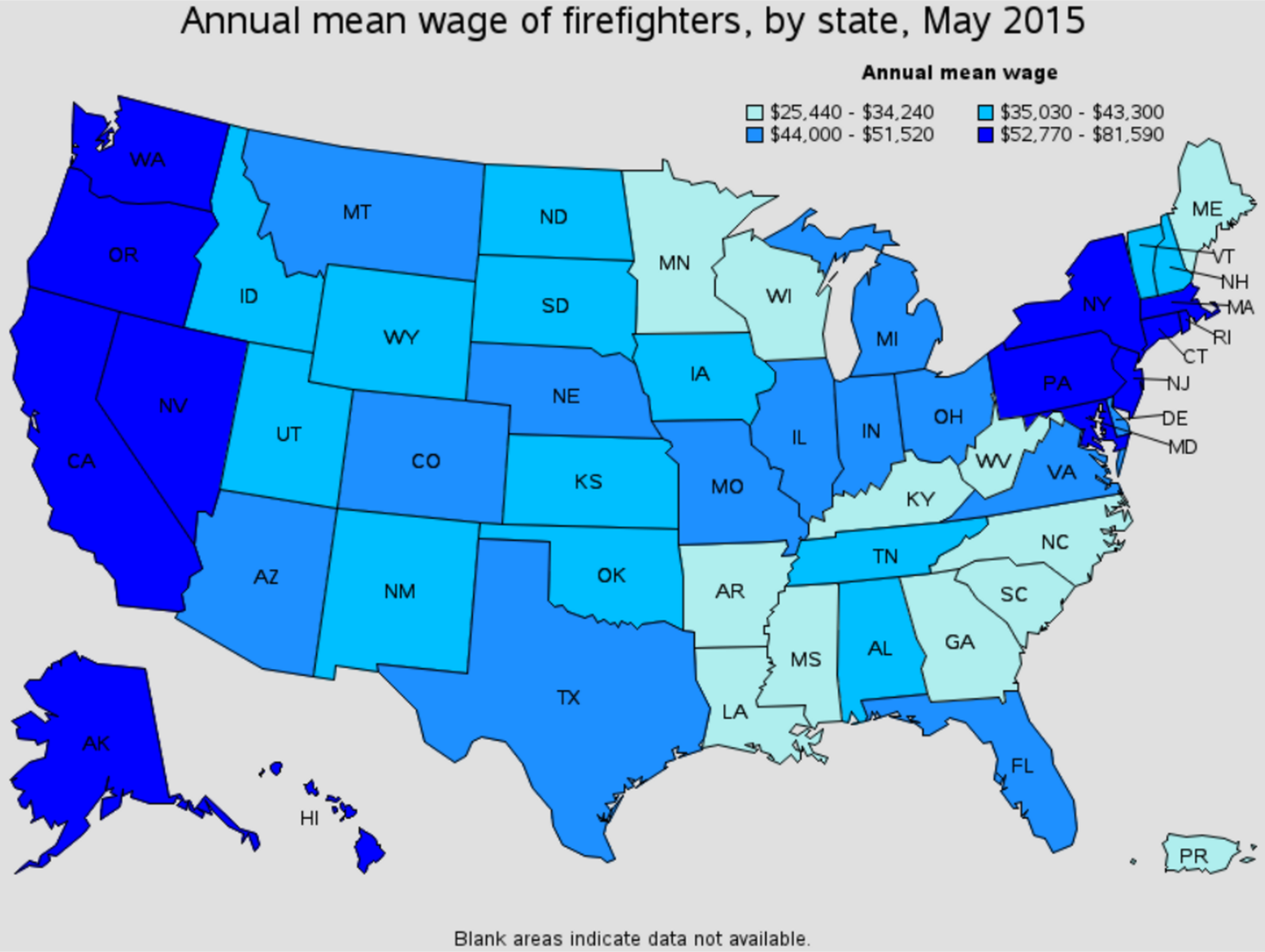
While exact figures can fluctuate, various sources provide insights into the average salaries for firefighters in Colorado. These averages offer a general benchmark for understanding the earning potential within the state.

As of recent data, the average base salary for a firefighter in Colorado typically falls within the range of $60,000 to $80,000 per year. However, this is a broad average, and significant variations exist depending on the factors previously discussed.
Salary Ranges by City and Region
To provide a more granular view, let’s examine potential salary ranges in some of Colorado’s prominent areas:
- Denver Metropolitan Area: This region, encompassing Denver, Aurora, and surrounding suburbs, generally offers the highest salaries due to the high cost of living and the presence of large, well-funded fire departments. Entry-level firefighters might start in the $55,000 to $65,000 range, with experienced firefighters and those in higher ranks potentially earning $85,000 to $110,000 or more in base salary. When overtime and premium pay for specialized roles are factored in, total compensation can easily exceed $100,000 annually.
- Colorado Springs and Southern Colorado: Colorado Springs and other cities in southern Colorado tend to have salaries that are slightly lower than the Denver metro area but still competitive. Average base salaries might range from $55,000 to $75,000, with opportunities for higher earnings based on experience and rank.
- Mountain Towns: Firefighting in popular mountain resort towns like Aspen, Breckenridge, or Steamboat Springs can offer attractive salaries, often above the state average, to attract qualified personnel to these high-cost-of-living areas. However, the housing market in these towns can be a significant challenge, even with a good salary. Salaries here could range from $60,000 to $90,000 in base pay.
- Rural and Eastern Plains: Fire departments in more rural areas or on the eastern plains of Colorado may offer lower base salaries, reflecting the lower cost of living and potentially smaller departmental budgets. Average base salaries here might range from $45,000 to $65,000. However, many of these areas also rely on a strong volunteer force, which significantly impacts the overall firefighter landscape.
It is important to note that these figures are estimates and can vary greatly. The best way to get precise information is to research specific fire departments and their current salary scales. Job postings and departmental websites are excellent resources for this.
The Impact of Overtime and Benefits
The listed average salaries often represent base pay. The true earning potential for firefighters in Colorado is significantly enhanced by overtime. Firefighters typically work 24-hour shifts, and departmental needs often necessitate working extra shifts. This overtime can add an additional 20% to 50% on top of a firefighter’s base salary, depending on call volume and departmental policies.
Furthermore, the value of benefits cannot be understated. A comprehensive benefits package can be worth tens of thousands of dollars annually. This includes:
- Health Insurance: Coverage for medical, dental, and vision care for the firefighter and their dependents.
- Retirement Plans: Many fire departments offer defined benefit pension plans, which provide a guaranteed income in retirement, or defined contribution plans (like 401(k)s) with employer matching.
- Paid Time Off: Generous vacation days, sick leave, and holiday pay.
- Life Insurance: Financial protection for the firefighter’s family.
- Workers’ Compensation: Coverage for injuries sustained on the job.
These benefits provide a critical layer of financial security and well-being, making the overall compensation package for firefighters in Colorado quite competitive when considering the complete picture beyond just the base salary.
Career Progression and Earning Potential
The career path of a firefighter in Colorado offers a clear trajectory for increased earning potential. Entry-level positions are just the beginning, and with dedication, continued learning, and a commitment to service, firefighters can advance through the ranks, each step bringing increased responsibility and, consequently, higher compensation.
Advancing Through the Ranks
As detailed earlier, the progression from a probationary firefighter to a Lieutenant, Captain, Battalion Chief, and beyond represents a significant increase in salary. Each promotion requires a combination of time in service, demonstrated leadership abilities, passing promotional exams, and often additional training or education.
For instance, a Firefighter who has served five years might earn $65,000 annually. After another five years, with promotion to Engineer, their salary could rise to $75,000. Further advancement to Lieutenant could push that figure to $85,000, and a Captain’s position might bring the base salary to $95,000 or more. These figures do not include overtime or specialized pay.
Specialized Roles and Additional Pay
Beyond the standard promotional ladder, Colorado fire departments offer various specialized roles that often come with additional pay or premium incentives. These can include:
- Paramedic/EMT: Firefighters who are also certified paramedics or emergency medical technicians often receive higher pay due to their advanced medical training and the critical role they play in patient care.
- Technical Rescue Teams: Firefighters trained in specialized rescue operations, such as swift water rescue, high-angle rope rescue, or confined space rescue, may be eligible for stipends or higher pay grades.
- Hazardous Materials (HazMat) Teams: Expertise in handling chemical, biological, radiological, nuclear, and explosive (CBRNE) threats is highly valued and often compensated accordingly.
- Arson Investigation: Firefighters who specialize in investigating the causes of fires may also earn additional compensation for their investigative skills and certifications.
- Training Officers and Instructors: Firefighters who dedicate their time to training new recruits and providing ongoing professional development for existing personnel may receive additional pay for these responsibilities.
These specialized roles require significant dedication to training and continuous skill development, but they offer a path to increased earnings and a more varied and impactful career within the fire service.

Conclusion: A Rewarding and Valued Profession
Firefighting in Colorado is a demanding yet deeply rewarding profession. The compensation, while varying based on numerous factors, generally reflects the critical importance of the role these individuals play in safeguarding communities. From competitive base salaries and significant overtime opportunities to comprehensive benefits packages and clear paths for career advancement, the financial outlook for firefighters in Colorado is robust.
When considering the average salaries across different regions, the impact of experience, rank, and specialized skills, the earning potential is substantial. Furthermore, the intangible rewards of serving one’s community, the camaraderie within departments, and the inherent satisfaction of making a difference are invaluable aspects of this noble profession. For those considering a career in firefighting in the Centennial State, understanding these financial and professional dynamics provides a clear picture of what to expect and the opportunities available within this vital public service.
LifeOutOfTheBox is a participant in the Amazon Services LLC Associates Program, an affiliate advertising program designed to provide a means for sites to earn advertising fees by advertising and linking to Amazon.com. Amazon, the Amazon logo, AmazonSupply, and the AmazonSupply logo are trademarks of Amazon.com, Inc. or its affiliates. As an Amazon Associate we earn affiliate commissions from qualifying purchases.