
The world of hospitality is a vibrant, dynamic industry, offering exciting career paths for those passionate about service, travel, and managing diverse operations. At the heart of many successful establishments lies the hotel manager, a crucial figure responsible for everything from guest satisfaction and staff oversight to financial performance and strategic planning. But for aspiring professionals and curious travelers alike, a common question arises: “How much do hotel managers really make?” The answer, much like the industry itself, is multifaceted, ranging from a comfortable five-figure salary for entry-level roles to well into the six figures for seasoned executives overseeing luxury properties or entire portfolios.

On average, a hotel manager’s annual salary can fall anywhere between $50,000 to over $250,000, with top-tier general managers at prestigious international chains or expansive resorts potentially earning significantly more. This wide spectrum is influenced by a complex interplay of factors, including the hotel’s location, its type and brand, the manager’s experience and education, the size and revenue of the property, and the specific responsibilities associated with the role. Understanding these variables is key to comprehending the true earning potential within this demanding yet rewarding profession.
The Varied Landscape of a Hotel Manager’s Income
A hotel manager’s compensation package is rarely one-size-fits-all. Instead, it’s a carefully calculated sum influenced by a blend of external market forces, internal hotel dynamics, and individual qualifications. Exploring these contributing factors helps paint a clearer picture of the financial opportunities available in hotel management.
Location, Location, Location: A Geographical Perspective
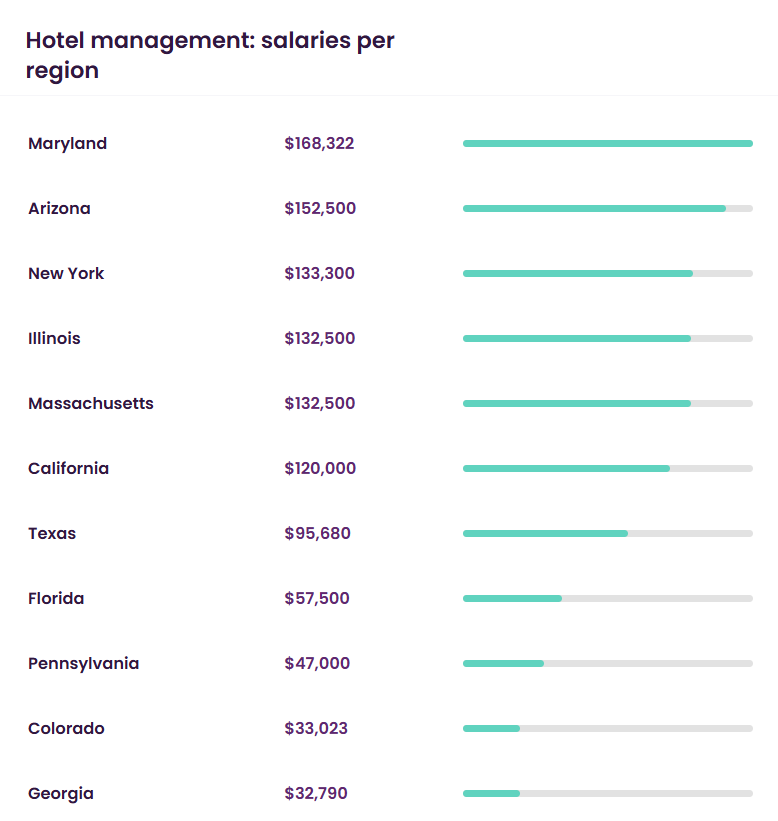
Perhaps one of the most significant determinants of a hotel manager’s salary is the geographical location of the property. Salaries tend to be substantially higher in major metropolitan areas, bustling tourist destinations, and regions with a higher cost of living. Cities like New York City, London, Paris, Dubai, Singapore, and Tokyo command premium salaries due to the sheer volume of tourism and business travel, as well as increased operational complexities and higher revenue potential for hotels. A general manager in a luxury hotel in Manhattan, for instance, will likely earn significantly more than their counterpart managing a mid-range property in a smaller, rural town in the United States or Europe.
The demand for hospitality professionals in these high-traffic hubs drives up compensation. Furthermore, a hotel manager in Los Angeles or San Francisco will receive a salary that accounts for the higher cost of living in those cities compared to, say, a city in the Midwest. Popular leisure destinations such as Orlando, Las Vegas, and Miami also offer competitive salaries due to their consistent influx of travelers and the concentration of large resorts and attractions. The economic vibrancy of regions like the Middle East, particularly the United Arab Emirates with cities like Dubai and Doha, has also spurred lucrative opportunities for experienced hotel managers. Similarly, burgeoning tourist markets in Asia, including cities such as Bangkok, Seoul, Beijing, Shanghai, Hong Kong, Mumbai, and Delhi, present attractive compensation packages. In Australia, cities like Sydney and Melbourne consistently rank among the highest-paying markets for hospitality professionals due to their strong tourism industries and high living standards.
Hotel Type and Brand Influence
The nature of the accommodation itself profoundly impacts a manager’s earnings. Managing a grand, five-star luxury resort like a Ritz-Carlton or a Four Seasons Hotels and Resorts property, known for its opulent suites and personalized experiences, entails a vastly different level of responsibility and financial reward compared to overseeing a budget motel such as a Motel 6 or Super 8. Luxury properties cater to discerning guests who expect impeccable service and lavish amenities, placing immense pressure on managers to maintain high standards and profitability. These roles come with commensurately higher salaries.
Furthermore, the brand and reputation of the hotel play a crucial role. Working for globally recognized chains like Marriott International, Hilton Worldwide, Hyatt Hotels Corporation, Accor, or InterContinental Hotels Group (IHG) often means access to corporate resources, structured career paths, and generally higher compensation packages than independent hotels of similar size. These international brands often operate standardized pay scales for various regions, ensuring competitive salaries to attract and retain top talent. Boutique hotels, while sometimes smaller, can also offer competitive pay if they are part of a high-end collection or cater to a niche market seeking unique lifestyle experiences. Managers of specialized properties like large convention centers, casinos with integrated hotels, or sprawling theme park resorts also tend to earn above average, given the complexity and scale of their operations. Even within major brands, managing a St. Regis or W Hotels property will typically yield a higher salary than a Holiday Inn Express or Hampton Inn, reflecting the difference in service level and clientele.
The Weight of Experience, Education, and Responsibilities
As with most professions, a hotel manager’s experience level is a powerful predictor of earning potential. An entry-level assistant manager or a junior department head can expect a more modest starting salary, typically building their expertise over several years. Seasoned general managers, especially those with a proven track record of increasing revenue and improving guest satisfaction across multiple properties, command the highest salaries. Their extensive experience allows them to navigate complex operational challenges, implement effective strategies, and lead large teams with confidence.
Education and professional certifications also play a significant role. While a degree isn’t always mandatory, a bachelor’s or master’s degree in hospitality management from reputable institutions like Cornell University or EHL Hospitality Business School (formerly École hôtelière de Lausanne) can accelerate career progression and boost earning power. Advanced degrees like an MBA with a focus on hospitality or business administration are particularly valuable for executive leadership roles. Professional certifications, such as the Certified Hotel Administrator (CHA) or Certified Hospitality Supervisor (CHS), demonstrate a commitment to excellence and specialized knowledge, which can lead to higher compensation.
The specific role and its associated responsibilities are also critical. A General Manager (GM) holds the ultimate authority and accountability for the entire hotel operation, hence earning the highest within a property. Below the GM are various department heads, such as the Front Office Manager, Food & Beverage Manager, Housekeeping Manager, Sales & Marketing Manager, and Human Resources Manager. Each of these roles carries distinct duties and compensation levels. For example, a Food & Beverage Manager in a hotel with multiple restaurants and bars, especially in a city known for its culinary scene, might earn more than a Housekeeping Manager in a smaller property, reflecting the direct revenue generation potential and complexity of F&B operations. The size of the hotel in terms of the number of rooms, overall revenue, and the total number of staff managed directly correlates with the manager’s salary; larger, more profitable properties typically offer higher pay to attract the caliber of leadership required. Finally, prevailing economic conditions significantly impact the industry. During periods of tourism boom, hotels thrive, leading to better bonuses and salary increases. Conversely, economic downturns or global crises can lead to salary freezes or even reductions.
Diving Deeper: Typical Salary Ranges and Beyond
While the factors above paint a broad picture, it’s helpful to look at more specific salary ranges across different management tiers. These figures represent general expectations and can fluctuate based on all the variables previously discussed.

Entry-Level to General Manager: A Salary Spectrum
- Assistant Manager / Entry-Level Department Head: For those starting their management journey, perhaps as an Assistant Front Office Manager, Assistant Housekeeping Manager, or a junior supervisor, salaries typically range from $40,000 to $70,000 annually. These roles provide foundational experience and are crucial stepping stones for career advancement. An Assistant General Manager might fall into the higher end of this range or slightly above, depending on the hotel’s size and location.
- Mid-Level Department Head: Managers overseeing key departments such as Food & Beverage, Sales & Marketing, or Rooms (Front Office plus Housekeeping) at mid-sized hotels often earn between $60,000 and $100,000 per year. Their responsibilities involve strategic planning for their respective departments, team leadership, and contributing directly to the hotel’s revenue and guest experience. A Sales & Marketing Manager in a highly competitive market like Chicago or Boston might be at the higher end, driven by incentive-based compensation.
- General Manager (Mid-sized Hotel): The GM of a mid-sized property (e.g., 100-250 rooms) can expect an annual salary in the range of $80,000 to $150,000. These GMs are often seasoned professionals with several years of experience, demonstrating strong leadership and financial acumen. Properties such as a Courtyard by Marriott or a Residence Inn would typically fall into this category.
- General Manager (Luxury / Large Hotel / Resort): This is where compensation significantly escalates. GMs managing large luxury hotels (e.g., The Peninsula Hong Kong or The Savoy London), extensive resorts in destinations like the Maldives or Caribbean, or prestigious boutique properties in prime locations like Geneva or Zurich, can earn anywhere from $150,000 to $250,000+, excluding bonuses and benefits. These roles demand exceptional leadership, deep industry knowledge, and often, an international background. Think of managers at properties that are themselves landmarks, requiring a nuanced understanding of their historical and cultural significance.
- Executive Leadership (Regional / Corporate): At the pinnacle of the hotel management career ladder are executive roles such as Regional Vice President, Brand Manager, or Corporate Director of Operations. These individuals oversee multiple properties or entire regions for large hotel chains. Their salaries can range from $200,000 to $500,000+ annually, often supplemented by substantial performance bonuses, stock options, and executive benefits. These positions are primarily based in major corporate hubs such as Atlanta, Dallas, Houston, Washington D.C., Seattle, Denver, Toronto, Vancouver, Frankfurt, Rome, and Istanbul, requiring extensive travel and strategic leadership across diverse markets.
The Value of Benefits, Bonuses, and Perks
Beyond the base salary, a hotel manager’s total compensation package often includes a robust array of benefits and perks that significantly enhance their overall earnings and quality of life. These can be particularly attractive and are a major draw for many professionals in the hospitality industry.
Standard benefits usually include comprehensive health insurance, dental and vision plans, and participation in retirement plans like 401(k)s or pension schemes. However, hotel managers, especially those in senior roles, often receive additional, unique perks. These might include:
- Housing/Accommodation: For GMs, particularly at remote resorts or large properties, complimentary on-site accommodation (an apartment or even a villa within the property grounds) can be a significant non-monetary benefit, saving considerable living expenses. This is particularly common in Asia, the Middle East, or island destinations like Hawaii or Punta Cana.
- Meal Allowances: Access to complimentary meals during shifts or meal allowances is another common perk, especially in hotels with extensive food and beverage operations.
- Performance Bonuses and Profit Sharing: A substantial portion of a manager’s income, especially for GMs and department heads, can come from performance-based bonuses tied to the hotel’s revenue, guest satisfaction scores (like Net Promoter Score), or profitability. This incentivizes managers to drive results and directly participate in the hotel’s financial success. Profit-sharing schemes are also common in many larger organizations.
- Travel Discounts and Complimentary Stays: One of the most coveted perks in the travel industry is the ability to enjoy discounted rates or even complimentary stays at properties within their own hotel chain or affiliated brands worldwide. This is a fantastic lifestyle benefit for managers who love to travel, allowing them to explore new destinations and experiences at minimal cost. A manager for Marriott International, for example, might enjoy discounted stays at a JW Marriott in Cancun or an Embassy Suites in Kuala Lumpur.
- Professional Development Opportunities: Many hotel companies invest heavily in their managers’ growth, offering tuition reimbursement for further education, leadership training programs, and opportunities to attend industry conferences. This continuous learning not only enhances skills but also boosts long-term earning potential.
- Company Car/Allowance: For roles requiring frequent external meetings or regional oversight, a company car or car allowance may be provided.
- Relocation Assistance: For moves to new properties or regions, particularly international transfers, robust relocation packages are often offered, covering moving costs, temporary housing, and assistance with visa processes.
These supplementary benefits can add significant value to a manager’s total compensation, making the overall package highly competitive and attractive.
Career Path and Future Prospects in Hotel Management
The journey to becoming a top-earning hotel manager is typically a progressive one, involving dedication, continuous learning, and strategic career moves. The hospitality industry offers numerous avenues for growth, from specialized departmental roles to overarching executive positions.
From Department Head to Executive Leadership
A typical career trajectory often begins with entry-level operational roles, such as a Front Desk Agent, Bellhop, or F&B Server. With experience and ambition, individuals can move into supervisory roles, then to Assistant Manager positions, and eventually become Department Heads (e.g., Front Office Manager, Food & Beverage Manager, or Housekeeping Manager). The next step often involves becoming an Assistant General Manager (AGM), which serves as a vital training ground for the top job, overseeing multiple departments and deputizing for the GM.
Ultimately, the goal for many is to become the General Manager, the pinnacle of on-property leadership. Successful GMs who consistently deliver results and demonstrate exceptional leadership skills may then advance to regional or corporate executive roles, overseeing a portfolio of properties or spearheading brand-wide initiatives. These roles often involve significant travel, strategic planning, and managing diverse teams across different geographic markets, from North America to Asia and beyond. The opportunity to work in various countries like Canada, Mexico, Brazil, Argentina, Chile, the United Kingdom, France, Germany, Italy, Spain, Portugal, Greece, Croatia, Switzerland, South Africa, Egypt, Morocco, Japan, China, India, Thailand, Philippines, Vietnam, and Indonesia adds an exciting dimension to this career path, offering rich cultural experiences and a truly global lifestyle.
Specialized Roles and Niche Markets
Beyond the traditional operational ladder, the hospitality industry also offers numerous specialized management roles that can be highly lucrative. For example:
- Revenue Management: Professionals focused on optimizing pricing and inventory to maximize hotel revenue are in high demand, often earning competitive salaries and bonuses based on their direct impact on profitability.
- Asset Management: These managers represent hotel owners, overseeing the performance of properties and ensuring their long-term value. This requires a strong understanding of finance and real estate.
- Spa & Wellness Management: With the booming wellness tourism market, managers specializing in luxury spa and wellness centers within resorts (e.g., in Aspen or the Mediterranean) are increasingly sought after.
- Event & Conference Management: Managers specializing in large-scale events, conferences, and conventions are critical to the success of business hotels and convention centers, often with significant earning potential tied to booking volumes and client satisfaction.
- Sustainability Management: As the industry moves towards more environmentally conscious practices, managers focused on implementing sustainable operations and certifications are emerging roles with growing importance.
The future outlook for hotel managers remains strong, particularly for adaptable leaders who can embrace technological advancements, navigate evolving guest expectations (from luxury travel to budget travel and everything in between), and manage diverse teams in a globalized market. The post-pandemic resurgence in travel and tourism has underscored the resilience of the sector and the ongoing need for skilled management. As hotels continue to innovate in areas like digital check-in, personalized guest experiences, and sustainable operations, the demand for forward-thinking and strategically minded hotel managers will only grow, offering a promising and financially rewarding career for those dedicated to the art of hospitality.
In conclusion, the question of “How much do hotel managers make?” does not yield a single, simple answer. It’s a complex equation with numerous variables, but it’s clear that the profession offers substantial financial rewards and a dynamic career path for those who are passionate, skilled, and committed to excellence in the vibrant world of hospitality. From overseeing the daily operations of a charming boutique hotel to steering a sprawling international resort to success, the earning potential is as diverse as the destinations themselves.
LifeOutOfTheBox is a participant in the Amazon Services LLC Associates Program, an affiliate advertising program designed to provide a means for sites to earn advertising fees by advertising and linking to Amazon.com. Amazon, the Amazon logo, AmazonSupply, and the AmazonSupply logo are trademarks of Amazon.com, Inc. or its affiliates. As an Amazon Associate we earn affiliate commissions from qualifying purchases.