
The phenomenon of renovation television has transformed how audiences perceive home improvement, shifting the focus from simple DIY projects to massive, landscape-altering transformations. At the heart of this movement is Maine Cabin Masters, a reality series that captures the rugged charm of Maine while showcasing the meticulous craftsmanship of Chase Morrill and his crew. As viewers watch them restore dilapidated camps and cabins across the United States, a common question arises: how much are these skilled professionals actually earning for their televised efforts?
The Economics of Reality Television Compensation
Understanding the financial structure of a reality show requires looking beyond the face value of a contract. Reality television talent typically receives a per-episode appearance fee, which serves as their primary source of income for the duration of the filming schedule. For a series like Maine Cabin Masters, the budget for each episode is a complex balance between production costs, labor, and materials.

Factors Influencing Per-Episode Earnings
Several variables dictate the compensation structure for the cast of a successful home renovation show. First and foremost is the production scale. Networks like Magnolia Network or DIY Network operate with specific budgets that account for the crew’s labor, specialized equipment, and the administrative overhead of coordinating large-scale renovations.
Moreover, the cast’s tenure plays a significant role. As a show gains popularity and moves into later seasons, cast members gain leverage in contract negotiations. This evolution allows them to command higher fees based on viewership numbers, advertising revenue, and the overall commercial success of the brand.
Beyond the Paycheck: Business Synergy
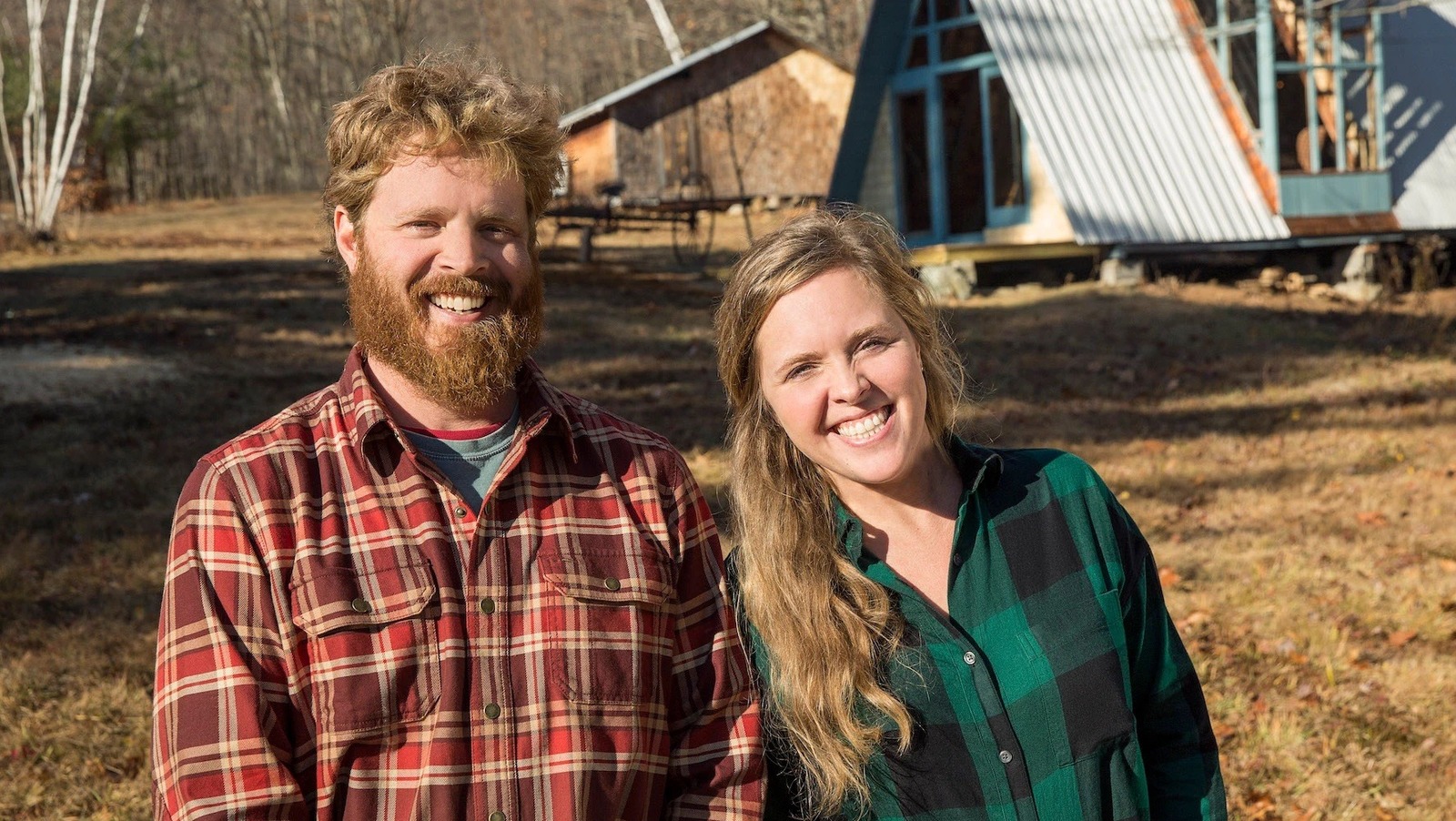
It is important to note that the primary occupation for Chase Morrill and his team—Ashley Morrill, Ryan Eldridge, Matt Dix, and Jared Baker—is their renovation business, Kenway Custom Builders. For them, the television program serves as a massive, high-profile marketing vehicle. While their per-episode fee provides a steady income, the real financial gain often comes from the increased demand for their professional services. By showcasing their expertise to millions of viewers, they have cemented their reputation as experts in high-end cabin restoration.
The Business Model of Cabin Restoration in Maine
The work depicted on the show is not just for show; it reflects the real-world demand for property improvement in New England. Maine is home to thousands of seasonal camps that have been in families for generations. As these structures age, owners are increasingly looking for ways to preserve the history of their cabins while incorporating modern amenities.
Market Demand and Project Costs

The budget for a typical Maine Cabin Masters renovation varies drastically depending on the scope of the project. A basic refresh of a small structure may cost significantly less than a total overhaul involving foundation work, interior redesign, and exterior structural reinforcement.
Because the crew is based in Augusta, they often source local materials, which supports the local economy. This focus on regional sourcing is a staple of their brand identity. By prioritizing local lumber and finishes, the team maintains a lower overhead on materials while simultaneously building a narrative of sustainability and authenticity that resonates deeply with viewers who appreciate the rustic lifestyle associated with Maine lake life.
The Value of Craftsmanship
Television producers are aware that viewers watch Maine Cabin Masters specifically for the craftsmanship. Unlike shows that focus on interpersonal drama, this series maintains a professional, educational tone that emphasizes technical skill. This commitment to quality justifies the fees associated with the cast’s time. When Chase Morrill and his team are on camera, they are not just acting; they are performing high-level construction work under strict deadlines. This duality—being both television talent and skilled laborers—is what makes their market value unique.
Evaluating the Success of the Series
When analyzing the success of Maine Cabin Masters, it is clear that the compensation of the cast is tied to the program’s longevity. The show has become a staple of home renovation programming, consistently delivering high ratings. This stability allows the network to invest more into each season, which in turn benefits the cast.
Strategic Brand Expansion
The cast has successfully leveraged their television fame into a broader business ecosystem. From the Maine Cabin Masters retail presence to various merchandise lines, the team has turned their name into a recognizable brand. This diversification ensures that even if the show were to end, the business entity they created would remain a lucrative enterprise.
The Influence of Social Media and Streaming
Modern viewership habits, driven by streaming platforms, have given series like Maine Cabin Masters a “long tail” effect. Episodes are watched and re-watched, driving consistent revenue for the production company and maintaining the relevancy of the cast. In the age of digital content, this longevity is perhaps the most significant factor in maintaining high compensation levels. The cast is no longer just being paid for an hour of television; they are being paid for their contribution to a library of content that generates value for years.
Conclusion: The Professional Reality
While specific contractual details regarding the exact dollar amount per episode remain private, industry standards for established talent on successful networks suggest a comfortable six-figure annual income range for the lead cast members of such programs. However, when viewed through the lens of business ownership, the television income is merely the tip of the iceberg.
The true financial success of the Maine Cabin Masters team is a testament to the intersection of traditional skilled trade and modern media influence. By staying true to their roots in Maine and prioritizing quality work over manufactured drama, they have built a sustainable model that balances the high-pressure environment of television production with the enduring demand for premium renovation services. For any aspiring professional in the construction or design space, the story of this team provides a masterclass in leveraging visibility to elevate a traditional craft into a thriving, multi-faceted business empire. Whether they are working on a small shed on a quiet lake or a sprawling lodge in the mountains, their ability to deliver results on camera continues to be the bedrock of their financial success.
LifeOutOfTheBox is a participant in the Amazon Services LLC Associates Program, an affiliate advertising program designed to provide a means for sites to earn advertising fees by advertising and linking to Amazon.com. Amazon, the Amazon logo, AmazonSupply, and the AmazonSupply logo are trademarks of Amazon.com, Inc. or its affiliates. As an Amazon Associate we earn affiliate commissions from qualifying purchases.