
When travelers visit New York City, they are often struck by the iconic presence of the Fire Department of New York, or FDNY. Beyond their role as emergency responders, these individuals are deeply woven into the local culture of the five boroughs. For those fascinated by the infrastructure of the United States and the daily lives of the heroes who protect its most populous metropolis, understanding the compensation and career path of these professionals offers a unique perspective on the city’s social fabric.
Understanding the FDNY Compensation Structure
The financial compensation for a firefighter in New York is structured through a rigorous union-negotiated contract that accounts for longevity, rank, and specialized skills. It is not merely a static salary; rather, it is an evolving package that rewards experience and commitment to public safety.

The Starting Salary and Probationary Period
A newly minted firefighter begins their career at a base salary that reflects the high cost of living in Manhattan and the surrounding areas. As of the most recent collective bargaining agreements, a probationary firefighter starts with an entry-level base pay. This figure is designed to sustain a standard of living while the recruit undergoes intensive training at the FDNY Training Academy. During these first few years, the salary increases incrementally upon completion of specific time-in-service milestones.
Escalation Over Time
The most significant aspect of the FDNY pay scale is the scheduled increase. Historically, it takes five years for a firefighter to reach “top pay.” This progression ensures that as a responder becomes more seasoned and capable of handling the complex challenges of urban firefighting—ranging from high-rise skyscraper blazes to subterranean tunnel rescues—their financial remuneration scales accordingly. By the time a firefighter hits the five-year mark, their base salary reaches the maximum tier for their rank, providing a stable financial foundation in a city known for its expensive real estate and high-end Fifth Avenue shopping districts.
Beyond Base Pay: Incentives and Benefits
While the base salary is the primary component of a firefighter’s income, the total compensation package is bolstered by several supplementary elements. These additions are vital for retaining talent in a department that handles some of the most dangerous and demanding emergencies in the world.
Overtime and Holiday Pay
Given the nature of emergency services, overtime is a common occurrence. Whether it is responding to a major emergency during a blizzard in Central Park or covering shifts for colleagues, the ability to earn overtime significantly influences the take-home pay of many firefighters. Furthermore, working on federal holidays and city-recognized holidays often yields additional financial compensation or compensatory time, reflecting the sacrifice of personal and family time.
Longevity and Skill Differentials
Longevity pay is a bonus granted to firefighters who have served a certain number of years. This rewards long-term dedication to the department. Additionally, those who obtain specialized certifications—such as hazardous materials training, scuba diving, or advanced urban search and rescue—may receive differentials. These skills are often put to the test in locations like Brooklyn or Queens, where the geography requires specialized intervention capabilities.
Benefits and Pension Contributions
In addition to the paycheck, the value of the benefit package cannot be overstated. The health insurance, life insurance, and, most importantly, the pension system contribute to the total economic value of the position. Firefighters in New York State are part of a robust retirement system that allows them to retire after a set number of years of service. For many, this security is just as important as the monthly take-home pay.
Career Advancement and Leadership Compensation
The path for a firefighter does not end at the “top pay” of a fire suppression professional. Many choose to pursue promotions, which significantly change their income brackets and responsibilities.
From Lieutenant to Battalion Chief
Promotion to the rank of Lieutenant, and subsequently to Captain, Battalion Chief, and beyond, comes with substantial salary bumps. As firefighters move into management, they oversee not just the tactical execution of fire suppression but also the administrative duties of the firehouse. A Battalion Chief, for example, is responsible for multiple fire companies across a wide geographic area, such as sections of The Bronx or Staten Island. The increase in pay for these officers is commensurate with the increased liability, leadership expectations, and the pressure of directing large-scale operations.
Administrative and Specialized Roles
Some firefighters transition into specialized divisions, such as the Bureau of Fire Prevention or Fire Investigation. These roles often involve standard business hours and require deep technical knowledge of building codes, arson investigation, or emergency management planning. These paths offer a different career trajectory but remain tied to the department’s structured salary and benefits framework.
The Cultural Significance of FDNY Compensation
When tourists marvel at the skyline of Lower Manhattan or explore the architecture of the World Trade Center site, they are observing the result of an environment that demands the highest level of vigilance from public servants. The compensation of FDNY firefighters is a reflection of the city’s recognition of this duty.
The Cost of Living Adjustment
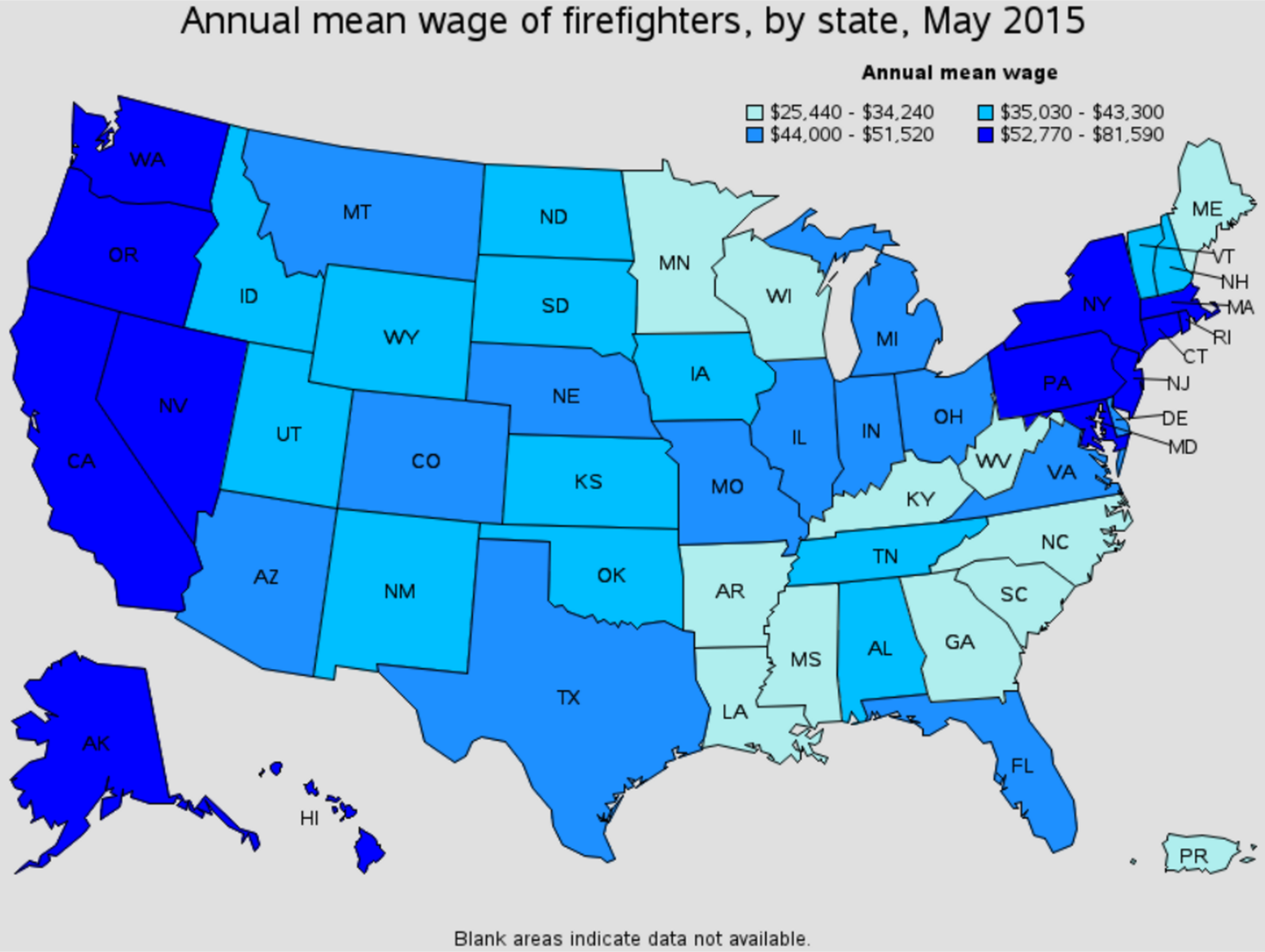
The economic reality of living in a major global city means that public safety salaries must remain competitive to attract the best candidates. When compared to other major cities, the compensation for New York firefighters is intended to reflect the unique challenges of protecting one of the most dense and vertically constructed urban environments on Earth.
Public Support and Respect
There is a profound level of respect for the FDNY within the local culture. This support often manifests in the public discourse surrounding salary negotiations. Residents of New York generally acknowledge that the hazards associated with the job—ranging from physical injury to long-term health risks—justify a compensation structure that provides for the families of those who serve. This cultural appreciation is a “hidden” benefit, creating a sense of pride that defines the life of a city firefighter.

Economic Impact on the City
The salaries paid to firefighters contribute to the local economy, as these professionals live, shop, and raise families within the Five Boroughs. They are not merely employees of the municipality; they are active participants in the community. Their economic stability ensures that they can remain in the city they protect, which is a vital component of local emergency response strategy—having first responders who are integrated into the neighborhoods they serve.
In conclusion, while the base salary for a New York firefighter follows a clear, contractual path, the true economic picture is far more complex. It involves a combination of time-in-service increases, potential for overtime, specialized skill bonuses, and a long-term commitment to a pension-based career. For visitors and residents alike, recognizing the compensation of these individuals serves as a reminder of the immense value society places on the safety of the world’s most iconic city. From the quiet streets of Staten Island to the bustling avenues of Midtown, the firefighters of the FDNY remain a cornerstone of the Big Apple, their dedication mirrored by a compensation structure that acknowledges the vital, high-stakes nature of their professional life.
LifeOutOfTheBox is a participant in the Amazon Services LLC Associates Program, an affiliate advertising program designed to provide a means for sites to earn advertising fees by advertising and linking to Amazon.com. Amazon, the Amazon logo, AmazonSupply, and the AmazonSupply logo are trademarks of Amazon.com, Inc. or its affiliates. As an Amazon Associate we earn affiliate commissions from qualifying purchases.