
The allure of New York real estate is legendary. From the soaring penthouses of Manhattan to the historic brownstones of Brooklyn, the city’s property market is a high-stakes arena where fortunes are made and lost. For those considering a career in this fast-paced industry, the primary question often centers on financial viability: exactly how much do New York real estate brokers make?
The reality of compensation in this sector is as diverse as the neighborhoods of Queens or The Bronx. Unlike salaried positions in corporate sectors, brokerage is a meritocratic, commission-based profession where income potential is effectively limitless, yet heavily dependent on market cycles, individual hustle, and professional network breadth.
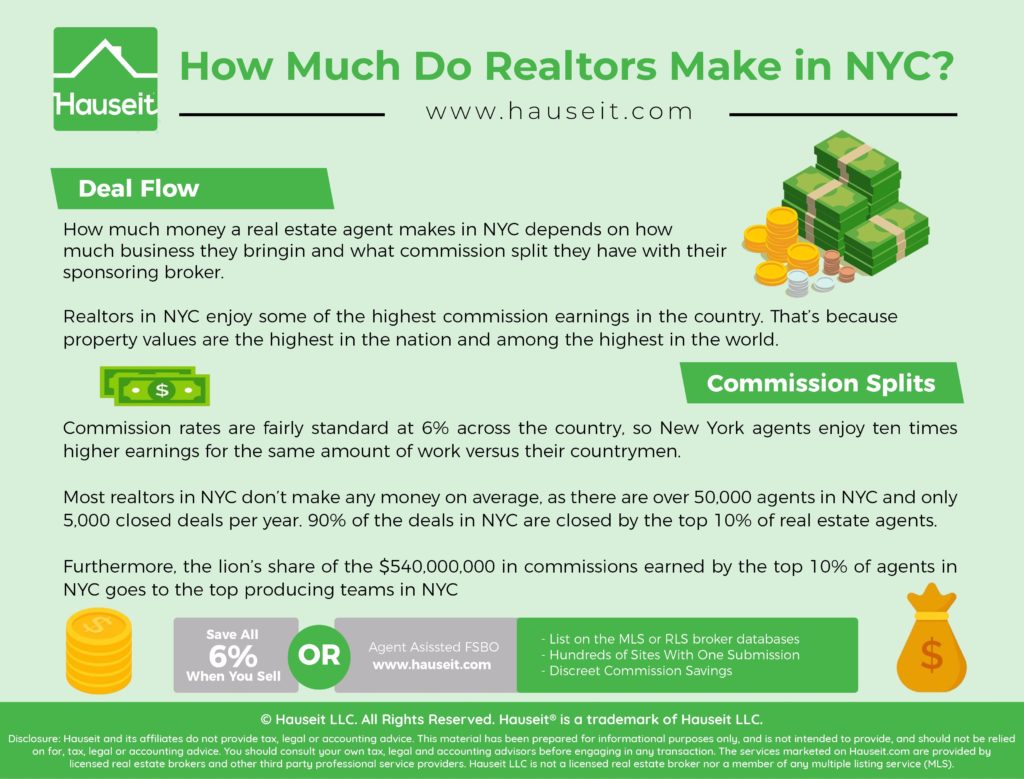
The Commission-Based Revenue Model
To understand the earnings of a real estate broker in New York City, one must first grasp the structure of the commission. In the United States, and specifically within the competitive New York market, brokers typically earn their income through a percentage of the total transaction value.
Understanding Gross Commission Income (GCI)
When a property is sold, the seller usually pays a commission, often ranging between 4% and 6% of the purchase price. This commission is split between the buyer’s agent and the seller’s agent. If a property in a prestigious area like Upper East Side sells for $2 million, a 6% total commission results in $120,000, which is then divided among the participating brokerages and their respective agents.
The Split Between Agency and Agent
A crucial detail for aspiring brokers is the “split.” Most agents work under a licensed brokerage firm. The firm provides the necessary branding, legal infrastructure, and administrative support, and in exchange, they take a percentage of the agent’s gross commission. These splits can vary wildly, starting as low as 50/50 for beginners and potentially rising to 80/20 or higher for top-producing, seasoned brokers who bring significant value to the firm.
Factors Influencing Earning Potential
No two real estate careers in New York look the same. The variation in annual earnings—which can range from $30,000 for a struggling newcomer to well into the seven figures for a luxury titan—is driven by several distinct variables.
Market Specialization and Property Type
Specialization is often the key to maximizing income. Brokers focusing on high-end luxury listings in Tribeca or SoHo operate in a different financial tier than those handling high-volume, low-cost rentals in Staten Island.
- Luxury Residential: While the number of transactions is lower, the commission on a $10 million estate is life-changing.
- Commercial Real Estate: Dealing with office space or retail leasing in Midtown Manhattan often involves longer deal cycles but significantly higher payouts upon closing.
- Residential Rentals: This is the “bread and butter” for many junior brokers. While the commission per unit is smaller, the volume of transactions is higher, providing a consistent, albeit intense, cash flow.
The Power of the Referral Network
In a city as dense and competitive as New York City, your reputation is your primary asset. Successful brokers spend years cultivating relationships with developers, property managers, and high-net-worth individuals. A broker who secures a referral from a satisfied client in Long Island City effectively bypasses the grueling prospecting phase, significantly increasing their return on time invested.

The Realities of the Brokerage Lifecycle
The trajectory of a real estate broker’s earnings usually follows a specific curve. Understanding this lifecycle is essential for anyone entering the field.
The “Grind” Years: Breaking into the Market
During the first one to three years, most brokers operate at a loss or break-even. Expenses are high, including costs for licensing, desk fees, marketing materials, and New York transportation costs. Many newcomers find themselves working long hours to close small rental deals just to keep their heads above water. During this phase, income is often unpredictable and highly volatile.
Achieving Consistency through Branding
Once a broker establishes a presence in a specific neighborhood or niche, the income becomes more predictable. Effective brokers invest in digital marketing, professional photography, and local networking events. They position themselves as the “go-to” expert for buildings in Greenwich Village or Williamsburg. At this stage, the broker moves from hunting for leads to having leads come to them.
Scaling the Business
The highest earners do not work alone. They transition from “solo practitioners” to “team leaders.” By hiring assistants, junior agents, and transaction coordinators, they can handle a higher volume of sales simultaneously. In this phase, the broker’s income is no longer tied solely to their own labor but to the collective output of their team, allowing for scaling that is impossible for a solo agent.
Costs of Doing Business in the Big Apple
It is impossible to discuss revenue without addressing the significant overhead associated with being a real estate broker in New York. Unlike many other professions, brokers are essentially independent contractors, meaning they are responsible for their own taxes, insurance, and operating expenses.
- Licensing and Education: New York State has stringent requirements for licensure, including pre-licensing courses and recurring continuing education credits.
- Marketing and Lead Generation: High-quality listings require professional staging, drone photography, and placement on premium real estate aggregators.
- Client Entertainment: Real estate is a social business. The cost of dinners, client gifts, and events in a city as expensive as New York adds up quickly.
- Taxes: As self-employed individuals, brokers must handle their own quarterly tax payments, which, in New York, includes state and local city taxes that can be substantial.

Is the Financial Reward Worth the Effort?
The question of “how much” is inherently linked to the question of “how much work.” New York City is one of the most competitive real estate markets in the world. It is a city where thousands of agents vie for the same listings. Success here requires a level of resilience, professional polish, and an unrelenting work ethic that is not required in many other markets.
For those who treat it as a career rather than a side gig—and who can navigate the complex social and legal landscape of New York—the financial rewards can be extraordinary. However, it is a path that offers no guarantees. The brokers who thrive are those who embrace the volatility, invest heavily in their personal brand, and understand that in New York City, your income is entirely a reflection of the value you provide to your clients and the size of your professional footprint.
The industry remains one of the few places where a person with sufficient drive can drastically change their financial trajectory, provided they have the endurance to survive the initial years of uncertainty. The New York real estate market is a mirror of the city itself: vast, complex, demanding, and full of limitless potential for those willing to claim it.
LifeOutOfTheBox is a participant in the Amazon Services LLC Associates Program, an affiliate advertising program designed to provide a means for sites to earn advertising fees by advertising and linking to Amazon.com. Amazon, the Amazon logo, AmazonSupply, and the AmazonSupply logo are trademarks of Amazon.com, Inc. or its affiliates. As an Amazon Associate we earn affiliate commissions from qualifying purchases.