
Navigating the vibrant landscape of New York, a state synonymous with opportunity and relentless energy, often brings to mind images of towering skyscrapers, world-class attractions, and a bustling tourism industry. Yet, beneath the surface of this iconic metropolis lies a critical sector driven by dedicated professionals who keep its communities healthy: nurses. The question of how much these essential healthcare providers earn in the Empire State is a pertinent one, especially when considering the unique demands and costs associated with living and working in such a dynamic environment.
For many, the allure of New York extends beyond its iconic landmarks and cultural experiences. It represents a chance to advance one’s career, to be at the forefront of innovation, and to contribute to a diverse and thriving populace. This aspiration is particularly strong for nurses, a profession that is both challenging and immensely rewarding. Understanding the earning potential for nurses in New York is crucial for those considering a move to the state, for current residents seeking career growth, and for employers aiming to attract and retain top talent.

This article delves into the financial realities of nursing in New York, exploring the factors that influence salary, the average earnings across different roles and experience levels, and how these figures stack up against the cost of living in this high-demand region. We will also touch upon the lifestyle implications of a nursing career in New York, from the potential for luxurious living to the practicalities of budgeting in one of the most expensive areas in the United States.
The Influences on a Nurse’s Salary in New York
The compensation package for a nurse in New York is not a monolithic entity. Instead, it’s a complex tapestry woven from various threads, each contributing to the final figure. Several key factors play a significant role in determining how much a nurse will earn. Understanding these influences can provide valuable insight for aspiring nurses, experienced professionals, and anyone curious about the financial landscape of this vital profession.
Experience Level and Seniority
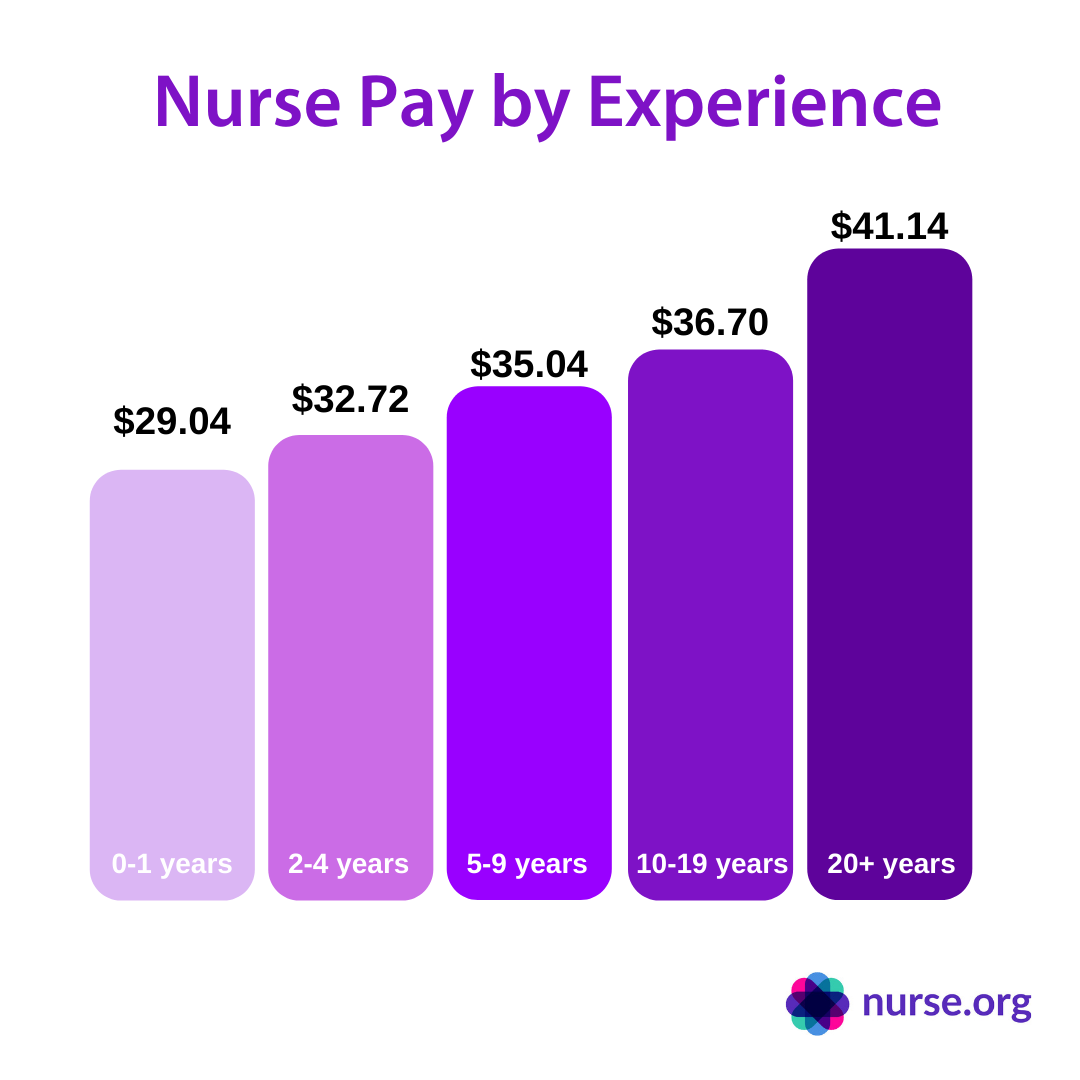
Perhaps the most straightforward influence on a nurse’s salary is their years of experience. Entry-level registered nurses (RNs) with minimal practical experience will naturally command a lower salary than seasoned professionals who have dedicated decades to their craft. As nurses accumulate experience, they not only gain invaluable skills and knowledge but also demonstrate a higher level of competence, critical thinking, and the ability to handle more complex patient cases. This progression is often recognized through incremental salary increases, seniority bonuses, and the opportunity to move into leadership or specialized roles, all of which come with higher remuneration. A nurse with 10-15 years of experience, for instance, will typically earn considerably more than a new graduate. This is a standard practice across many professions, but it’s particularly pronounced in fields requiring continuous learning and adaptation like nursing.
Specialization and Certifications
The field of nursing is incredibly diverse, offering numerous avenues for specialization. From critical care and oncology to pediatrics and mental health, nurses can choose to focus their expertise. These specialized areas often require advanced training, certifications, and a deeper understanding of specific patient populations and conditions. Consequently, nurses who hold specialized certifications or possess expertise in high-demand areas like intensive care units (ICUs), operating rooms (ORs), or emergency departments (EDs) typically earn significantly higher salaries. For example, a Certified Registered Nurse Anesthetist (CRNA) or a Certified Nurse Practitioner (CNP) generally earns more than a generalist RN due to their advanced education and specialized responsibilities. Pursuing these certifications not only enhances a nurse’s professional development but also directly impacts their earning potential, making it a wise investment for career advancement.
Type of Healthcare Facility
The setting in which a nurse practices also plays a crucial role in determining their salary. Hospitals, particularly large teaching hospitals or those affiliated with major healthcare systems, often offer higher salaries and more comprehensive benefits packages compared to smaller community clinics or long-term care facilities. The acuity of patients, the complexity of procedures, and the administrative overhead can all influence compensation. For instance, nurses working in renowned medical centers like the New York-Presbyterian Hospital or Mount Sinai Hospital might expect to earn more than their counterparts in a rural clinic upstate. Furthermore, the type of facility can also dictate the pace of work, the available resources, and the opportunities for professional growth, all of which can indirectly affect salary negotiations and career progression. Private practices, specialized clinics, and even travel nursing assignments can present different salary structures, offering a variety of options for nurses to explore based on their career goals and financial needs.
Geographic Location Within New York
While the article title specifically refers to New York, it’s essential to recognize that New York State is vast and encompasses diverse economic landscapes. Salaries for nurses can vary significantly depending on the specific city or region within the state. Generally, nurses working in metropolitan areas like New York City, with its higher cost of living and greater demand for healthcare services, tend to earn more than those in more rural or suburban areas upstate. The competitive job market in the New York City metropolitan area, encompassing boroughs like Manhattan, Brooklyn, and Queens, often drives up wages to attract and retain skilled nursing professionals. However, this higher earning potential must be weighed against the significantly higher cost of accommodation, transportation, and daily living expenses in these urban centers. Conversely, while salaries might be slightly lower in upstate regions, the cost of living can also be considerably more affordable, offering a different lifestyle and financial balance.
Education and Licensing
A nurse’s educational background and the level of their licensure are foundational to their earning potential. A Bachelor of Science in Nursing (BSN) is increasingly becoming the standard for many nursing positions, and nurses with a BSN often command higher salaries than those with an Associate Degree in Nursing (ADN). Further advanced degrees, such as a Master of Science in Nursing (MSN) or a Doctor of Nursing Practice (DNP), can open doors to specialized roles like nurse educators, administrators, or advanced practice registered nurses (APRNs), which come with significantly higher earning potential. The specific type of license held also matters; for instance, Licensed Practical Nurses (LPNs) generally earn less than Registered Nurses (RNs). Maintaining active and unrestricted licenses in New York is paramount, and any disciplinary actions can negatively impact employment opportunities and salary.
Average Nurse Salaries and Salary Ranges in New York
Delving into the specifics of how much nurses make in New York requires an examination of average salaries and the ranges that different nursing roles can expect to fall within. These figures provide a tangible understanding of the financial rewards associated with this demanding profession in one of the nation’s most prominent states. It’s important to remember that these are averages, and individual salaries can fluctuate based on the aforementioned influencing factors.

Entry-Level Nurse Salaries
For new nursing graduates entering the workforce in New York, the starting salaries offer a solid foundation. These positions are crucial for gaining practical experience and building a career. Entry-level Registered Nurses (RNs) in New York can typically expect to earn an average salary in the range of $65,000 to $80,000 annually. This figure can vary depending on the specific facility, its location within the state, and whether the nurse has obtained a BSN or an ADN. While this might seem modest compared to the cost of living in some parts of New York, it represents a competitive starting point that allows for gradual salary growth as experience is gained. For those looking at shorter-term, more budget-friendly living arrangements, or even considering longer-term stays in less expensive areas, this entry-level salary can still be managed effectively.
Mid-Career and Experienced Nurse Earnings
As nurses gain more experience, their earning potential significantly increases. A nurse with five to ten years of experience in New York can expect their average annual salary to rise to anywhere from $80,000 to $100,000 or more. This increase is a reflection of their accumulated skills, ability to handle more complex patient cases, and often, their specialization in in-demand fields. Experienced nurses may also be promoted to charge nurse or team leader positions, which carry additional responsibilities and corresponding salary bumps. For those who have pursued advanced degrees or specialized certifications, such as a Nurse Practitioner (NP) or Certified Registered Nurse Anesthetist (CRNA), the earning potential can reach well into the six figures, often exceeding $120,000 to $150,000 annually, and sometimes even higher, especially in specialized roles or in high-demand New York City hospitals. This level of compensation is crucial for supporting a more comfortable lifestyle, whether that involves staying in a luxurious New York City apartment or enjoying the amenities of a resort-style hotel.
Average Salaries for Different Nursing Roles
The term “nurse” encompasses a wide array of roles, each with its distinct salary scale.
-
Licensed Practical Nurse (LPN): LPNs, who provide basic nursing care under the supervision of RNs or physicians, typically earn less than RNs. Their average salary in New York generally falls between $50,000 and $65,000 annually.
-
Registered Nurse (RN): As discussed, RNs form the backbone of the nursing profession. Their average salary in New York ranges from $70,000 to $95,000 annually, with experienced RNs in specialized fields earning considerably more.
-
Nurse Practitioner (NP): NPs are advanced practice registered nurses who can diagnose illnesses, prescribe medication, and manage patient care. Their average salary in New York is significantly higher, typically ranging from $100,000 to $130,000 annually, and can go even higher with specialized experience.
-
Certified Registered Nurse Anesthetist (CRNA): CRNAs are also advanced practice nurses and are highly compensated due to the critical nature of their work. In New York, CRNAs can expect to earn an average of $140,000 to $180,000 annually, with some earning upwards of $200,000.
These figures highlight the vast earning potential within the nursing profession in New York, underscoring the importance of education, specialization, and career progression in maximizing financial rewards.
Lifestyle and Financial Considerations for Nurses in New York
Earning a competitive salary as a nurse in New York is one aspect of the financial equation; the other is how that income translates into lifestyle choices and financial well-being, especially given the state’s unique economic landscape. New York offers a wide spectrum of living experiences, from the unparalleled excitement of New York City to the more tranquil settings upstate, and understanding how nursing salaries align with these different lifestyles is key.
The Cost of Living in New York
New York is notoriously one of the most expensive states in the United States to live in, particularly in the New York City metropolitan area. Housing costs, whether renting an apartment in Manhattan or buying a home in Brooklyn, are substantial. Transportation, groceries, and everyday expenses can also add up quickly. For nurses, this means that while their salaries might be higher than in many other states, the disposable income might not always feel as substantial. For example, a nurse earning $90,000 annually in New York City might have less purchasing power than a nurse earning $70,000 in a lower-cost-of-living state. This economic reality necessitates careful budgeting and strategic financial planning. Many nurses choose to live in less expensive surrounding areas or to share accommodation to manage costs. The proximity to their workplace, the availability of public transport, and the desire for a certain quality of life all factor into these decisions. Even luxury travel, a popular lifestyle choice for many, requires careful financial planning when living in such an expensive region.
Housing and Accommodation Options
The diversity of New York extends to its accommodation options, catering to various budgets and preferences. Nurses working in New York City might opt for studio apartments in areas like Queens or parts of Bronx to keep housing costs manageable, or they might choose to live in shared housing, a common lifestyle choice for young professionals. For those who prioritize convenience and are willing to pay a premium, apartments in Manhattan or luxury high-rises in Brooklyn are available, often featuring extensive amenities. For nurses who prefer a quieter pace or have families, exploring options in the suburbs of Long Island or upstate New York can offer more space and affordability. The choice of accommodation significantly impacts a nurse’s financial health and overall lifestyle. For nurses who are new to the state or seeking short-term assignments, exploring services that compare booking options for apartments or villas for a longer-term stay can be beneficial in finding suitable and cost-effective housing.
Travel and Leisure Opportunities
Despite the high cost of living, New York also offers unparalleled opportunities for travel and leisure. Nurses working in the state have access to a wealth of attractions, from the iconic Central Park and the bustling Times Square to world-class museums like the Metropolitan Museum of Art and historical landmarks such as the Statue of Liberty. Beyond the city, New York State boasts stunning natural beauty, including the Adirondack Mountains and the Niagara Falls, offering excellent options for nature lovers and adventure seekers. For nurses seeking a break from their demanding schedules, the state provides diverse experiences, from upscale dining and Broadway shows to weekend getaways to charming towns and scenic drives. The salary earned by nurses in New York, especially those in specialized roles, can certainly support these leisure activities, allowing them to enjoy the vibrant culture and diverse landscapes that the state has to offer, blending their professional lives with enriching personal experiences. This balance is a key component of the overall lifestyle that New York can offer.
LifeOutOfTheBox is a participant in the Amazon Services LLC Associates Program, an affiliate advertising program designed to provide a means for sites to earn advertising fees by advertising and linking to Amazon.com. Amazon, the Amazon logo, AmazonSupply, and the AmazonSupply logo are trademarks of Amazon.com, Inc. or its affiliates. As an Amazon Associate we earn affiliate commissions from qualifying purchases.