
Navigating the financial landscape of a major metropolis like Chicago as a nursing professional involves understanding not just the salary figures, but also how those earnings translate into a viable and desired lifestyle. For nurses considering a move to the Windy City, or those already residing there aiming for financial growth, the interplay between income, cost of living, and personal aspirations is paramount. This exploration delves into the earning potential for nurses in Chicago and how these figures shape the day-to-day realities and long-term lifestyle choices available within this dynamic urban environment.
The Economic Landscape for Nurses in Chicago
Chicago, as a hub for healthcare innovation and a city home to numerous world-class medical institutions, offers a competitive job market for nurses. The average salary for a registered nurse (RN) in Chicago typically surpasses the national average, reflecting the higher cost of living and the demand for skilled professionals in a densely populated urban area. However, this average is a broad stroke, with actual earnings influenced by a multitude of factors.
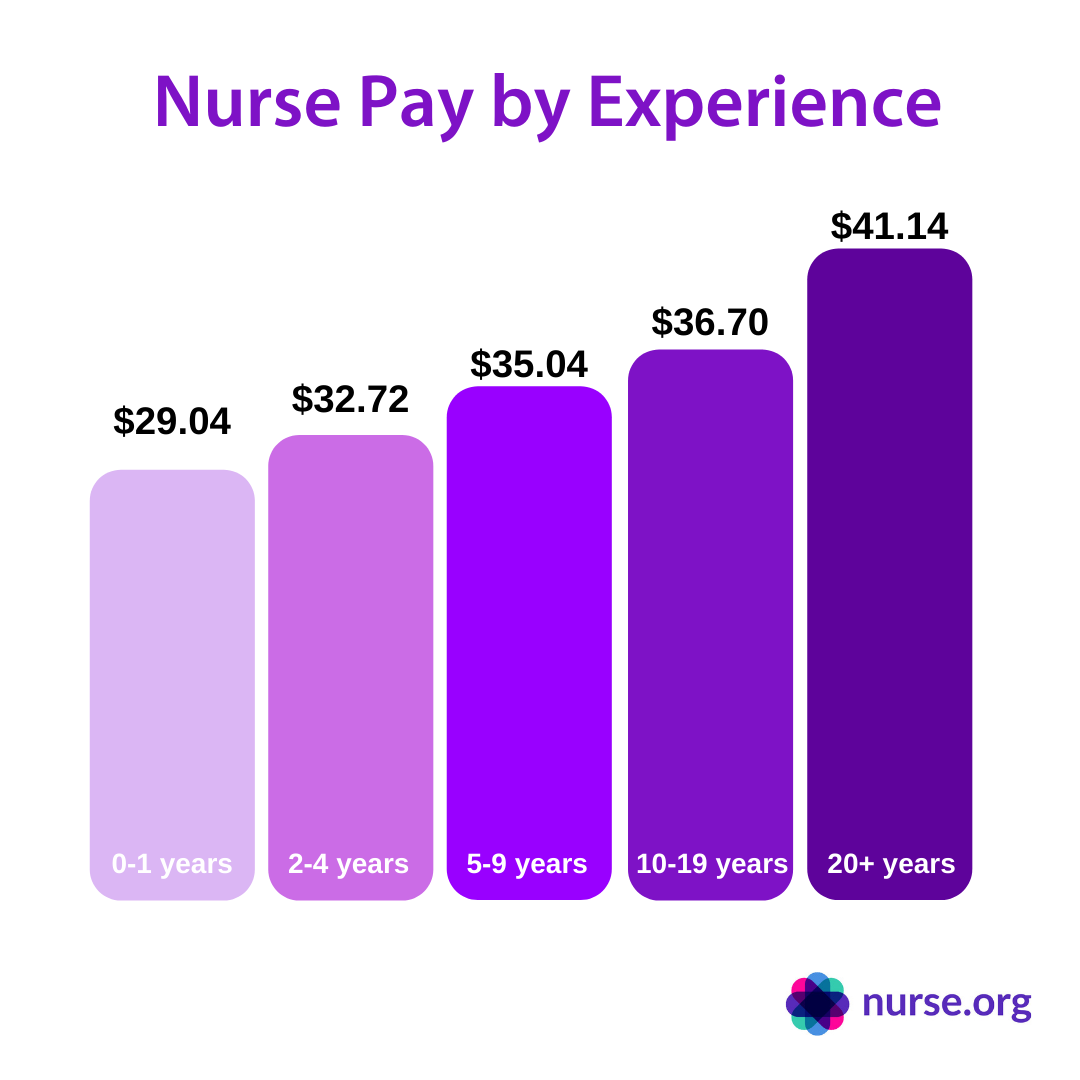
Experience plays a significant role. Entry-level RNs with less than a year of experience will naturally command a lower salary than those with five, ten, or even twenty years in the field. Seasoned nurses with a proven track record of patient care, leadership, and specialized skills are highly sought after and compensated accordingly. Similarly, the level of education is a critical determinant. While an Associate’s Degree in Nursing (ADN) can get a nurse into the field, a Bachelor of Science in Nursing (BSN) is increasingly preferred by major hospitals and often leads to higher starting salaries and greater opportunities for advancement. Nurses with Master of Science in Nursing (MSN) or Doctor of Nursing Practice (DNP) degrees, particularly those in advanced practice roles, see substantially higher income levels.
Specialty certification also impacts earning potential. Nurses working in high-demand or highly specialized areas such as critical care, emergency medicine, operating rooms, oncology, or specific intensive care units (ICUs) often receive premium pay. Furthermore, the type of facility can influence salary; academic medical centers, large hospital systems, and specialized clinics may offer different compensation packages compared to smaller community hospitals or long-term care facilities. For instance, renowned institutions like Northwestern Memorial Hospital or Rush University Medical Center are known for their comprehensive benefits and competitive salaries, attracting top talent and setting benchmarks for the region. Understanding these nuances is the first step in assessing what lifestyle a nursing career in Chicago can support.
Cost of Living in Chicago and its Lifestyle Impact
While Chicago nurses generally earn more than the national average, the city’s cost of living must be carefully weighed against this income. Lifestyle in Chicago is heavily influenced by how disposable income remains after essential expenses are covered.
Housing Dynamics: Neighborhoods and Affordability
Housing is arguably the most significant expense for any Chicago resident, and nurses are no exception. The city boasts a diverse array of neighborhoods, each with its own character, amenities, and price point. Rent for a one-bedroom apartment in a sought-after area like River North or the West Loop can be significantly higher than in neighborhoods further from the downtown core, such as Logan Square or Pilsen. Nurses prioritizing proximity to work in the medical district, for instance, might face higher rents in nearby areas like Tri-Taylor, but gain invaluable time savings on their commute.
For those looking to buy property, Chicago presents a range of options from condominiums to single-family homes, with prices varying dramatically by neighborhood, condition, and amenities. A nurse with a BSN and several years of experience might find a comfortable one-bedroom apartment affordable in a desirable area, while an advanced practice nurse with a higher salary might consider purchasing a home or a more spacious apartment in neighborhoods like Lincoln Park or Lakeview, known for their vibrant communities and access to parks. Balancing housing costs with lifestyle preferences—such as nightlife, quiet residential streets, or family-friendly environments—is a crucial decision for nurses structuring their financial lives in Chicago.
Transportation & Commuting: Navigating the City

Chicago’s extensive public transportation system, the ‘L’ train and bus network, is a significant advantage for managing lifestyle expenses. Many nurses choose to rely on public transit, eliminating the substantial costs associated with car ownership, including insurance, parking, gas, and maintenance. This choice frees up a considerable portion of their income for other lifestyle pursuits. Nurses working shifts that require early mornings or late nights might still opt for a car for convenience or safety, incurring additional costs. The ability to choose between public and private transport directly impacts a nurse’s monthly budget and, by extension, their discretionary spending on dining, entertainment, or savings.
Crafting a Desired Lifestyle on a Nurse’s Salary
With an understanding of income potential and the city’s cost of living, nurses in Chicago can actively craft a lifestyle that aligns with their financial goals and personal preferences.
Leisure and Entertainment: From Budget to Boutique
Chicago offers an unparalleled array of leisure and entertainment options, catering to every budget. For nurses embracing a more budget-conscious lifestyle, the city is rich with free or low-cost activities. Exploring the numerous parks like Millennium Park or Lincoln Park, visiting free museums during specific hours, enjoying the lakefront path, or attending free outdoor concerts in the summer are excellent ways to experience the city without breaking the bank. Dining at diverse, affordable eateries in neighborhoods like Uptown or Andersonville also allows for culinary exploration within a tight budget.
Nurses with higher salaries or more experience can afford to indulge in Chicago’s more upscale offerings. This might include regular dining at Michelin-starred restaurants in the West Loop, attending Broadway shows in the Theater District, frequenting live music venues, or enjoying weekend getaways from the city. A comfortable lifestyle for a nurse in Chicago often involves a mix, enjoying both the high-end experiences and the everyday charms the city provides, all made possible by strategic financial planning and a steady income.
Financial Planning and Long-Term Goals
Beyond daily expenses and immediate leisure, a nurse’s salary in Chicago enables significant long-term financial planning. Saving for retirement, contributing to investment accounts, paying off student loans, or saving for a down payment on a home are all achievable goals. Many healthcare systems in Chicago offer robust benefits packages that include 401(k) matching, health insurance, and tuition reimbursement, which significantly enhance a nurse’s overall financial well-being and allow for greater lifestyle flexibility in the future. Nurses who strategically utilize these benefits can build substantial wealth over their careers, paving the way for early retirement, extensive travel, or other major life aspirations.

Career Progression and Lifestyle Evolution
The nursing profession offers a clear trajectory for career growth, which directly correlates with evolving lifestyle choices. A nurse starting their career with an ADN and modest earnings might focus on budgeting and living an economical lifestyle, perhaps sharing an apartment or prioritizing public transport. As they gain experience, pursue a BSN, and move into specialty roles, their salary will typically increase, opening doors to a more comfortable standard of living. This could mean affording a nicer apartment, dining out more frequently, or saving for significant purchases like a car or a down payment on a home.
Advanced practice nurses (APNs) such as Nurse Practitioners (NPs), Certified Registered Nurse Anesthetists (CRNAs), or Clinical Nurse Specialists (CNSs) represent the pinnacle of earning potential within direct patient care roles. With salaries often well into six figures, these professionals can afford a truly aspirational Chicago lifestyle. This might involve purchasing a luxury condominium, frequent domestic and international travel, significant investments, or enjoying the city’s most exclusive experiences without financial constraint. The Chicago healthcare market is highly conducive to such career progression, with numerous universities offering advanced nursing programs and a high demand for specialized care.
Ultimately, how much nurses make in Chicago is a multifaceted question with answers that vary based on individual qualifications, experience, and career choices. However, for a dedicated and ambitious nurse, the city offers a fertile ground for professional growth and the opportunity to cultivate a rewarding and financially secure lifestyle. From comfortable urban living to a life of luxury, Chicago provides the framework for nurses to achieve their desired personal and financial aspirations.
LifeOutOfTheBox is a participant in the Amazon Services LLC Associates Program, an affiliate advertising program designed to provide a means for sites to earn advertising fees by advertising and linking to Amazon.com. Amazon, the Amazon logo, AmazonSupply, and the AmazonSupply logo are trademarks of Amazon.com, Inc. or its affiliates. As an Amazon Associate we earn affiliate commissions from qualifying purchases.