
While the allure of vast ranches, vibrant cities, and a rich cultural tapestry makes Texas a compelling place to live and explore, understanding the financial landscape of various professions is crucial for those considering a career move. For physical therapists, the Lone Star State offers a promising outlook, with salaries influenced by a complex interplay of factors. This exploration delves into the earning potential of physical therapists in Texas, examining the key drivers behind salary variations and providing insights for aspiring and established professionals alike.
The demand for physical therapists across the United States remains robust, driven by an aging population, increased awareness of rehabilitation’s benefits, and advancements in medical treatments. Texas, with its burgeoning population and expanding healthcare infrastructure, is no exception. From the bustling metropolises of Houston and Dallas to the more laid-back charm of Austin and the historical significance of San Antonio, opportunities abound. However, the compensation package a physical therapist can expect is not uniform. It’s a nuanced equation, factoring in experience, specialization, geographic location within the state, and the type of facility they are employed by.
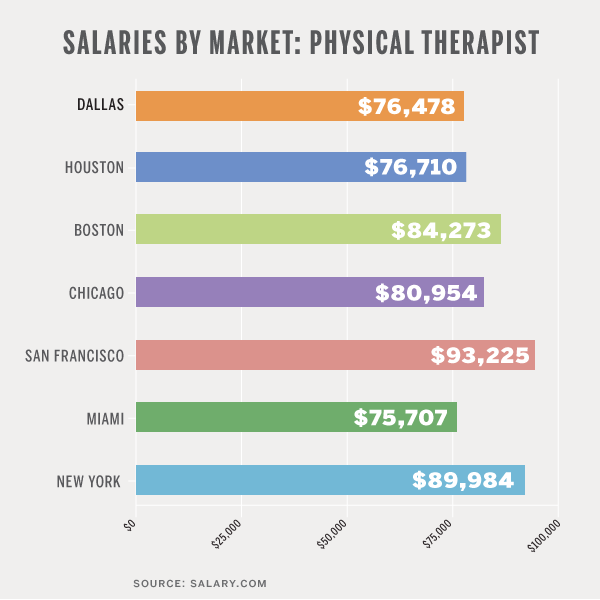
Factors Influencing Physical Therapist Salaries in Texas
Several critical elements contribute to the salary range for physical therapists in Texas. Understanding these determinants can empower professionals to negotiate effectively and make informed career decisions.
Experience and Specialization
The most significant differentiator in physical therapist salaries is often years of experience. Entry-level physical therapists, fresh out of their doctoral programs, will typically earn less than those with a decade or more of clinical practice. As physical therapists gain experience, they not only hone their clinical skills but also develop leadership qualities, potentially moving into supervisory or management roles, which often command higher salaries.
Beyond general experience, specialization plays an increasingly vital role. Physical therapists who pursue advanced certifications or further education in specific areas can significantly boost their earning potential. For instance, a physical therapist specializing in orthopedic rehabilitation, neurological conditions, pediatrics, cardiac rehabilitation, or sports medicine might be in higher demand and thus command a more competitive salary. These specialists possess in-depth knowledge and advanced techniques applicable to complex patient cases, making them invaluable assets to healthcare facilities.
Geographic Location Within Texas
Texas is a vast state, and the cost of living, demand for services, and the presence of major healthcare systems can vary dramatically from one region to another. Generally, physical therapists working in major metropolitan areas tend to earn higher salaries compared to those in rural or smaller towns.
Major Metropolitan Hubs: Cities like Houston, Dallas, Austin, and San Antonio offer a greater concentration of healthcare facilities, including large hospital systems, specialized clinics, and rehabilitation centers. This high demand, coupled with a higher cost of living, often translates into more competitive salary offers. For example, Houston, a global hub for medicine, presents numerous opportunities within its renowned medical centers, potentially leading to higher remuneration. Similarly, Dallas-Fort Worth metroplex’s extensive healthcare network and thriving economy can support higher compensation. Austin, known for its innovation and growing population, also sees competitive salaries for healthcare professionals.
Mid-sized Cities and Rural Areas: While opportunities may be fewer and further between in smaller towns, physical therapists in these areas might benefit from lower living costs, potentially making their effective income more substantial. However, the demand might be less intense, and specialized roles may be less common. In some instances, rural facilities may offer higher base salaries or attractive benefit packages to attract qualified physical therapists to underserved areas.
Type of Healthcare Facility
The setting in which a physical therapist practices also significantly impacts their earnings. Different types of healthcare facilities have varying reimbursement structures, patient volumes, and operational costs, all of which influence salary scales.
Hospitals: Working in a hospital setting, whether it’s a large academic medical center or a community hospital, often provides a stable salary, comprehensive benefits, and opportunities for professional development. Physical therapists in hospitals may deal with a wide range of conditions, from acute care to long-term rehabilitation. Salaries can vary based on the hospital’s size, affiliation (e.g., teaching hospital vs. private hospital), and the specific unit they work in (e.g., intensive care unit vs. outpatient clinic).
Outpatient Clinics: Independent outpatient clinics and those affiliated with larger healthcare systems are common practice settings. These clinics often focus on musculoskeletal conditions, sports injuries, and post-operative recovery. The salary here can depend on the clinic’s patient load, its contractual agreements with insurance providers, and whether it’s part of a larger network. Some physical therapists may also find opportunities to own or partner in their own outpatient clinics, which can offer greater earning potential but also involve significant business responsibilities.
Skilled Nursing Facilities (SNFs) and Long-Term Care: Physical therapists in SNFs and long-term care facilities work with elderly patients who require ongoing rehabilitation and assistance with mobility. While this setting can be incredibly rewarding, salaries may sometimes be lower compared to acute care hospitals or specialized outpatient settings. However, the consistent need for these services ensures job security.
Home Health: Physical therapists providing home health services work with patients in their own residences. This setting offers a unique level of patient interaction and independence for the therapist. Compensation can be structured in various ways, including hourly rates or per-visit fees, and may be influenced by travel time and caseload management.
Schools and Pediatric Settings: Physical therapists working with children in school districts or specialized pediatric clinics focus on developmental milestones, motor skill acquisition, and addressing conditions like cerebral palsy or autism spectrum disorder. Salaries in these sectors can be competitive, especially for those with specialized pediatric experience.
Average Salaries and Salary Ranges for Physical Therapists in Texas
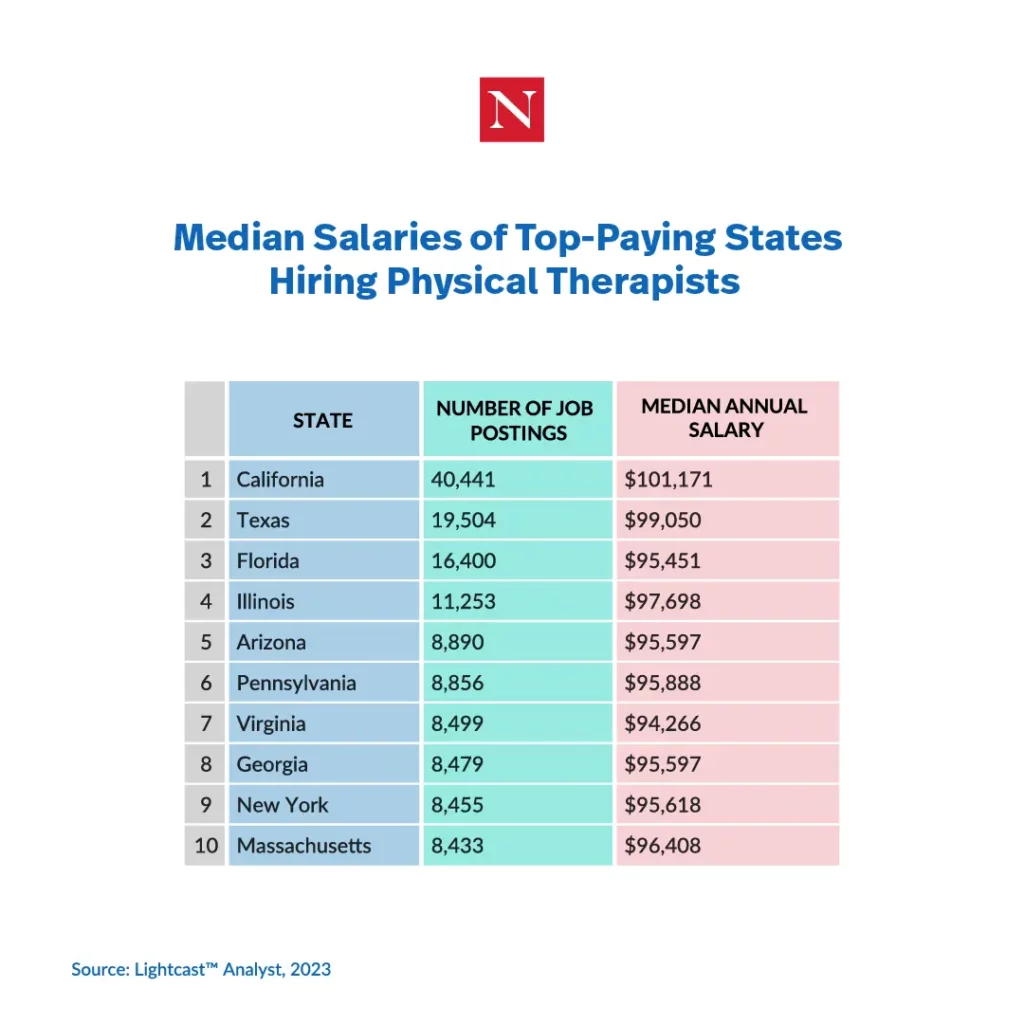
While pinpointing an exact average salary is challenging due to the dynamic nature of the job market and the array of influencing factors, various sources provide valuable insights into the earning potential for physical therapists in Texas. Salary aggregators and industry reports consistently show a competitive landscape.
General Salary Averages: National salary data often places the average annual wage for physical therapists within a certain range, and Texas generally aligns with or slightly deviates from this average, depending on the specific region and data source. For instance, many reports indicate that physical therapists in Texas can expect an average annual salary that falls somewhere between $80,000 and $100,000. It’s important to note that this is an average, and actual salaries can fall both below and significantly above this range.
Entry-Level vs. Experienced Salaries: Entry-level physical therapists, typically with 0-3 years of experience, might start in the range of $70,000 to $85,000 annually. As they progress in their careers, accumulating 5-10 years of experience, their earning potential can rise to $90,000 to $110,000. Highly experienced physical therapists with specialized skills, leadership roles, or those working in high-demand areas or private practice ownership could see their annual earnings exceed $120,000 or even $150,000.
Impact of Cost of Living: When comparing salaries across different Texas cities, it’s crucial to consider the cost of living. While Houston or Austin might offer higher nominal salaries, the increased expenses for housing, transportation, and daily living can influence the real value of that income. Conversely, a slightly lower salary in a more affordable region might offer a comparable or even better quality of life. For example, a physical therapist in El Paso might earn a different salary than one in College Station, reflecting local economic conditions and cost of living.
Maximizing Earning Potential as a Physical Therapist in Texas
For physical therapists aiming to maximize their earning potential in Texas, a strategic approach to career development is essential. This involves not only building clinical expertise but also cultivating professional networks and seeking out diverse opportunities.
Pursuing Advanced Education and Certifications
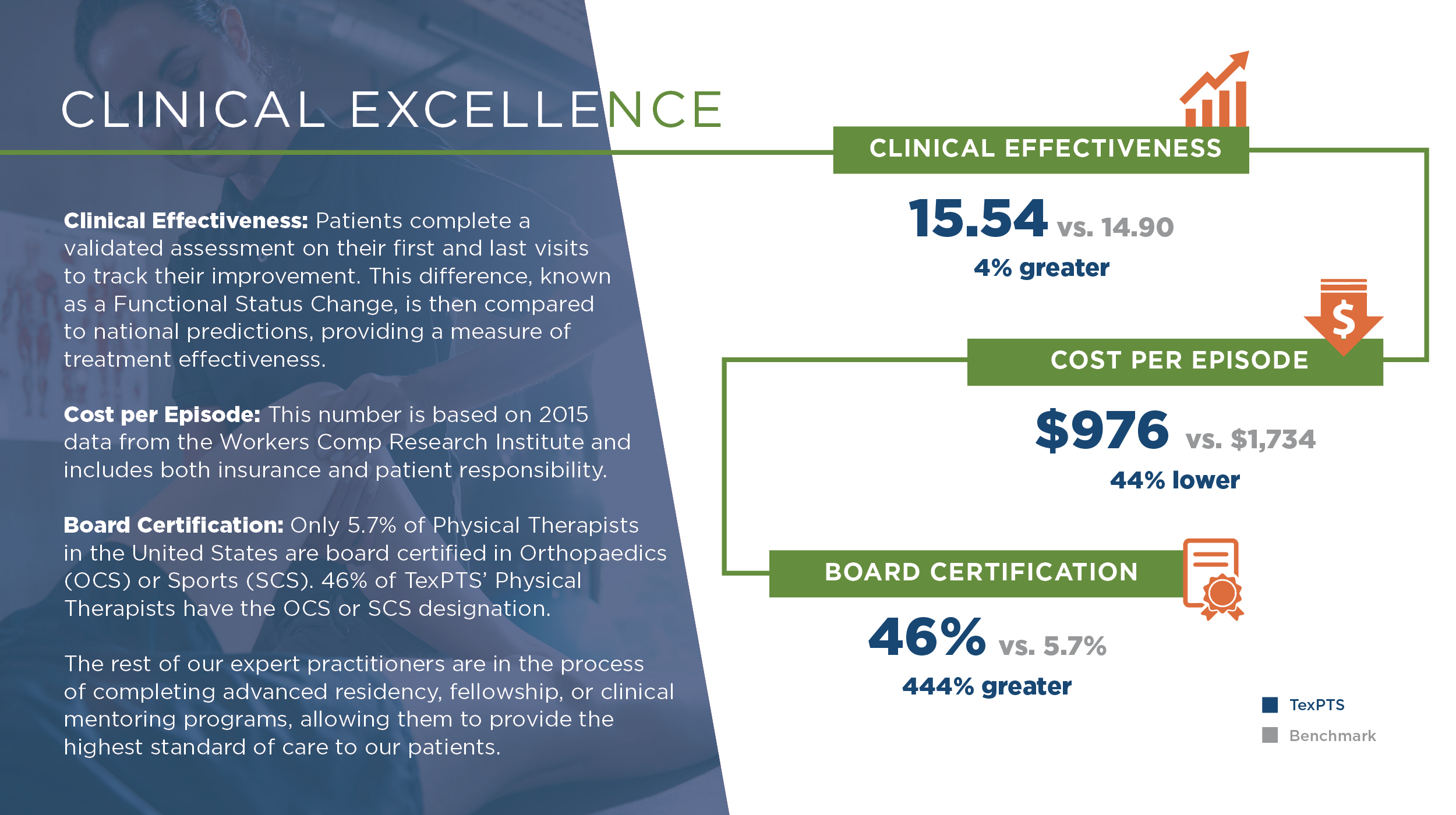
As mentioned earlier, specialization is a key driver of higher salaries. Physical therapists should consider pursuing advanced degrees, such as a Doctor of Physical Therapy (DPT) if they hold a master’s or bachelor’s degree, or even a PhD for those interested in research and academia. Furthermore, obtaining board certifications in specialty areas like orthopedics (OCS), neurology (NCS), cardiovascular and pulmonary (CCS), or geriatrics (GCS) can significantly enhance their marketability and earning power. These certifications demonstrate a commitment to advanced knowledge and a high level of competence in a specific field.
Developing In-Demand Skills and Specializations
Beyond formal certifications, developing skills in areas with high demand can be advantageous. This could include proficiency in specific therapeutic modalities, expertise in manual therapy techniques, or experience with specialized equipment. As the healthcare landscape evolves, so do the needs of patients. Staying abreast of emerging trends in rehabilitation, such as telehealth or the use of virtual reality in therapy, can also open up new avenues for employment and higher compensation. For instance, a physical therapist skilled in analyzing biomechanics or adept at treating chronic pain conditions might find themselves in a strong negotiating position.
Networking and Seeking Opportunities in High-Paying Sectors
Building a strong professional network within Texas can provide access to lucrative job opportunities. Attending industry conferences, joining professional organizations like the Texas chapter of the American Physical Therapy Association (APTA Texas), and connecting with colleagues can lead to referrals and insights into the most competitive job markets. Furthermore, exploring employment in sectors known for higher compensation, such as specialized orthopedic surgery centers, large private practice groups, or positions within established hospital systems in major metropolitan areas, can be a strategic move. Negotiating salary effectively, armed with knowledge of industry benchmarks and one’s own qualifications, is also a critical skill.
The career path of a physical therapist in Texas offers a rewarding blend of service and financial stability. While the average salary provides a useful benchmark, individual earning potential is shaped by a multitude of factors. By focusing on continuous learning, specialization, strategic career planning, and proactive networking, physical therapists can ensure they are well-positioned to thrive in the dynamic and growing healthcare market of the Lone Star State, contributing to the well-being of its residents while achieving their professional and financial goals. Whether one dreams of practicing in the heart of Dallas, the cultural hub of Austin, the sprawling metropolis of Houston, or the historic streets of San Antonio, the opportunities for physical therapists in Texas are abundant and ripe for those who are dedicated to their craft.
LifeOutOfTheBox is a participant in the Amazon Services LLC Associates Program, an affiliate advertising program designed to provide a means for sites to earn advertising fees by advertising and linking to Amazon.com. Amazon, the Amazon logo, AmazonSupply, and the AmazonSupply logo are trademarks of Amazon.com, Inc. or its affiliates. As an Amazon Associate we earn affiliate commissions from qualifying purchases.