
California, a state renowned for its diverse landscapes, vibrant culture, and innovative industries, also stands out for its unique economic dynamics, especially concerning public service compensation. For those considering a career in law enforcement or simply curious about the financial realities of those who protect and serve, understanding police salaries in the Golden State is crucial. It’s a complex picture, influenced by a myriad of factors from local economic conditions and departmental budgets to individual experience and specialized roles. Unlike many other professions, a police officer’s salary in California isn’t just about the base pay; it encompasses a comprehensive package of benefits, overtime opportunities, and allowances that significantly enhance the overall compensation. This article delves into the intricacies of what police officers earn in California, exploring the variables that shape their financial outlook and how their earnings stack up against the state’s famously high cost of living.
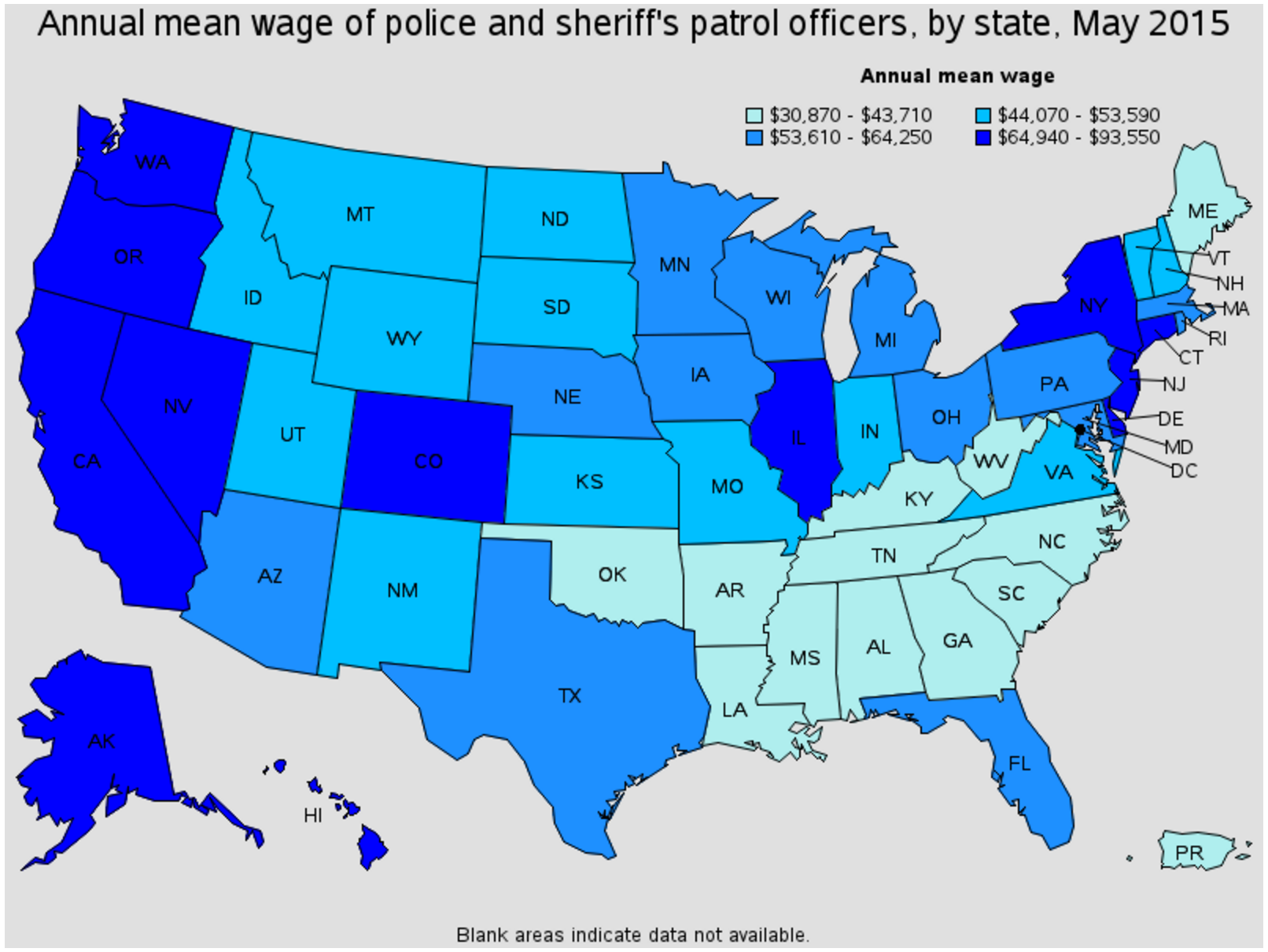
The Dynamic Landscape of Police Compensation in California
The financial journey of a police officer in California is rarely static. It begins with a competitive starting salary, which then evolves based on a structured system of increases, incentives, and responsibilities. The state’s large and diverse geography means that compensation can vary dramatically from one region to another, reflecting the local tax base, economic vitality, and the specific needs of each community. From bustling metropolitan centers to serene rural areas, each police department operates within its own financial framework, leading to a spectrum of earning potentials across the state.
Base Salaries: A Starting Point
For new recruits entering the police academy or just beginning their patrol duties, base salaries in California are generally robust, designed to attract and retain qualified candidates in a demanding profession. While specific figures fluctuate annually and by department, entry-level police officers can typically expect to start with a salary ranging from $60,000 to $80,000 per year. This initial figure usually increases incrementally with each year of service, often hitting six figures within five to seven years for many departments, especially in high-demand areas.
For example, a new police officer joining a department in a major urban center like Los Angeles or San Francisco might start at the higher end of this scale, sometimes even exceeding it, given the intense competition for talent and the elevated cost of living in these metropolitan areas. Smaller municipalities or those in more rural parts of the state might offer starting salaries closer to the lower end, though these still represent a respectable income compared to national averages.
Factors Influencing Police Pay
Beyond the initial base salary, several critical factors play a significant role in determining how much a police officer earns in California over the course of their career:
- Experience and Tenure: Longevity in the force is directly correlated with higher pay. Most departments operate on a step system, where officers receive automatic pay increases for each year of service, up to a certain maximum. This rewards dedication and accumulated expertise.
- Rank and Promotion: Advancing through the ranks, from Police Officer to Sergeant, Lieutenant, Captain, and beyond, brings substantial increases in base salary. Each promotion comes with greater responsibility, requiring specialized skills and leadership qualities, which are reflected in the compensation package. A Police Sergeant, for instance, might earn anywhere from $100,000 to $150,000, while a Police Captain could see salaries upwards of $180,000 to $200,000 or more, depending on the department’s size and location.
- Departmental Size and Budget: Larger police departments, often serving more populous cities, typically have larger budgets and can offer more competitive salaries and benefits. They also tend to have more specialized units and promotional opportunities.
- Geographic Location: This is perhaps one of the most significant differentiators. Departments in areas with a higher cost of living, such as the San Francisco Bay Area, Los Angeles County, and San Diego, generally offer higher salaries to offset the expenses of housing, utilities, and daily life. Conversely, officers in the Central Valley or other less expensive regions might have lower nominal salaries but potentially greater purchasing power relative to their local cost of living.
- Specialization and Training: Officers who complete specialized training and join units such as SWAT, K9, bomb disposal, narcotics, or detective bureaus often receive additional pay incentives or stipends. These roles require advanced skills, carry higher risks, and often involve more demanding schedules, justifying the enhanced compensation.
- Collective Bargaining Agreements: The vast majority of police departments in California are unionized. Collective bargaining agreements negotiated between police unions and city or county administrations play a crucial role in setting salary scales, benefits packages, and working conditions. These agreements are regularly renegotiated, influencing future pay raises and benefits.
Beyond the Base: Comprehensive Benefits and Allowances
While base salary forms the core of an officer’s income, it represents only a portion of their total compensation package. Police departments in California offer a robust suite of benefits and allowances designed to provide financial security, support health and wellness, and recognize the challenging nature of the job. These additional components can significantly increase the overall value of a police officer’s earnings, making the profession even more attractive.
Health and Retirement Security
One of the most valuable aspects of public service employment in California is the comprehensive health and retirement benefits.
- Health Insurance: Police officers typically receive excellent health, dental, and vision insurance coverage, often with a significant portion of the premiums paid by the employer. This benefit extends to their families, providing peace of mind against the high costs of healthcare in the United States. The value of such a robust health plan cannot be overstated, especially when factoring in the potential for on-the-job injuries.
- Retirement Plans: Public safety employees in California benefit from defined-benefit pension plans, a rarity in the private sector today. These plans guarantee a fixed income during retirement, often calculated based on years of service and final average salary. The California Public Employees’ Retirement System (CalPERS) is a major administrator of these plans, providing a secure financial future for retiring officers. Some departments also offer deferred compensation plans (similar to 401k plans) to supplement their pensions.
- Life and Disability Insurance: Given the inherent dangers of the profession, police officers are typically provided with generous life insurance policies and long-term disability coverage, offering protection for their families in the event of incapacitation or death in the line of duty.
Overtime, Special Assignments, and Incentives
The nature of police work often involves unpredictable hours and responses to emergencies, which frequently leads to overtime pay. This can substantially boost an officer’s annual income.
- Overtime Pay: Overtime is a regular component of many officers’ paychecks, particularly in larger departments or during special events, critical incidents, or staffing shortages. Officers are typically paid time-and-a-half (1.5 times their regular hourly rate) for hours worked beyond their standard shift. It’s not uncommon for officers to earn tens of thousands of dollars annually in overtime alone, sometimes pushing their total compensation well into the six-figure range even at lower ranks.
- Shift Differentials: Officers working less desirable shifts, such as night shifts or weekend shifts, often receive additional pay known as shift differentials.
- Uniform and Equipment Allowances: Departments typically provide allowances for uniforms, equipment, and sometimes even a boot allowance. Some also offer stipends for personal equipment or the maintenance of duty gear.
- Education and Bilingual Pay: Many departments offer incentives for higher education degrees (e.g., an associate’s, bachelor’s, or master’s degree) and for officers who are fluent in multiple languages, especially those relevant to the diverse populations of California.
- Housing and Commuting Allowances: In extremely high-cost areas, some departments have explored or implemented housing assistance programs or commuting stipends to help officers afford to live closer to where they work. While not universal, these programs reflect the growing challenge of recruiting and retaining officers in expensive regions.
Regional Variations: Where Police Earn the Most (and Least)
The vast economic and geographical diversity of California means that police salaries are far from uniform across the state. Understanding these regional disparities is key to grasping the full picture of law enforcement compensation. The interplay of local economies, population density, and municipal budgets creates a mosaic of earning opportunities.
High-Cost-of-Living Areas vs. More Affordable Regions
It’s a general rule of thumb that police officers in California’s most expensive urban and coastal areas command the highest salaries. This is a direct response to the exorbitant cost of living, particularly housing, which can severely impact recruitment and retention if salaries don’t keep pace.

- Bay Area Dominance: The San Francisco Bay Area consistently leads in police compensation. Cities like San Jose, Oakland, Fremont, and San Francisco itself often report average officer salaries exceeding $120,000, with top-step officers, including overtime and benefits, sometimes approaching or even surpassing $200,000 annually. The competitive market for skilled professionals in Silicon Valley indirectly drives up public sector wages to keep pace.
- Southern California’s Major Hubs: Los Angeles and San Diego also offer very competitive salaries. The Los Angeles Police Department (LAPD) and San Diego Police Department (SDPD) are among the largest in the nation, providing officers with excellent pay, substantial benefits, and ample opportunities for overtime and specialization. Other affluent Orange County cities like Irvine, Anaheim, and Santa Ana also maintain high compensation levels.
- Inland Empire and Central Valley: As one moves inland or into the Central Valley, salaries tend to be lower, reflecting a more moderate cost of living. Cities such as Riverside, San Bernardino, Fresno, and Bakersfield offer respectable police salaries, but they may be 15-30% lower than their coastal counterparts. However, the reduced housing costs and everyday expenses can often mean that officers in these areas enjoy a comparable, if not better, quality of life relative to their local income.
Noteworthy Departments and Their Compensation Packages
Several departments in California are consistently cited for their attractive compensation packages, often becoming benchmarks for the profession.
- California Highway Patrol (CHP): The California Highway Patrol (CHP) offers a statewide salary structure that is highly competitive, especially for new officers. Given its broad jurisdiction and often high-risk duties, CHP officers can expect excellent pay and benefits, regardless of their assignment location within the state.
- City of San Jose Police Department: Often ranks among the highest-paying departments in the nation. Entry-level salaries can be very high, and experienced officers, especially with overtime, regularly earn well over $150,000.
- City of Oakland Police Department: Despite its challenges, Oakland police officers receive excellent compensation, driven by the high cost of living in the East Bay and strong union advocacy.
- Various Sheriff’s Departments: County Sheriff’s Departments, such as the Los Angeles County Sheriff’s Department or the Santa Clara County Sheriff’s Office, also offer competitive salaries and diverse career paths that can lead to substantial earnings.
These high-paying departments often require stringent qualifications and face intense competition for positions, but they offer some of the most lucrative opportunities for a career in law enforcement in California.
The Cost of Living vs. Earning Potential
While police salaries in California are among the highest in the United States, it’s impossible to discuss compensation without acknowledging the state’s notorious cost of living. This factor significantly impacts the real purchasing power of an officer’s income and plays a major role in their financial planning and lifestyle choices.
Navigating California’s Housing Market
Housing is, without a doubt, the single largest financial challenge for many California residents, including police officers. The median home price in many parts of the state far exceeds the national average, often requiring police officers to make strategic decisions about where they live.
- Coastal vs. Inland: An officer working for the San Francisco Police Department might earn $130,000, but face a median home price exceeding $1.5 million in San Francisco. This often means commuting from more affordable neighboring cities like Daly City or even further into the East Bay or North Bay. Similarly, an LAPD officer earning a top salary might find homeownership within Los Angeles city limits challenging, opting instead for communities in the San Fernando Valley, Orange County, or the Inland Empire like Riverside or Corona.
- Impact on Recruitment: The housing crisis directly affects recruitment, as new officers, especially those with families, struggle to find affordable accommodation close to their assigned departments. Some departments have begun exploring partnerships or offering incentives to address this, recognizing that a good salary alone isn’t always enough to overcome housing hurdles.
- Rental Market: For those who rent, prices are also significantly higher than national averages, consuming a substantial portion of an officer’s take-home pay, particularly in metropolitan areas like San Jose, Santa Monica, or Irvine.
Lifestyle Implications for Law Enforcement Professionals
The balance between a police officer’s competitive salary and California’s cost of living profoundly shapes their lifestyle. While the job offers security and a robust income, financial prudence and strategic planning are essential.
- Financial Planning: Despite high gross salaries, effective budgeting and financial planning are crucial for police officers in California. Many officers leverage their stable income and excellent benefits to invest in their futures, save for their children’s education, or pursue secondary income opportunities.
- Work-Life Balance: The pursuit of higher earnings through overtime can sometimes impact work-life balance. While financially rewarding, consistently working extra hours can take a toll on personal time and family life. Officers often weigh the financial benefits against the demands of the job.
- Access to Amenities: On the positive side, California’s high salaries enable many officers to enjoy the state’s unparalleled lifestyle offerings, from diverse culinary scenes and cultural attractions to outdoor adventures in its numerous national parks and along its stunning coastline. For families, the strong public education system in many areas and access to quality healthcare are significant draws.
- Community Integration: Police officers, by the nature of their work, are deeply integrated into their communities. Their ability to live and thrive within these communities is important for fostering trust and understanding, underscoring the importance of fair and sustainable compensation.
Career Progression and Long-Term Financial Outlook
A career in law enforcement in California is not merely a job; it’s a profession with clear pathways for growth and significant long-term financial stability. The opportunities for advancement, coupled with the comprehensive benefits, make it an attractive option for those seeking a secure and impactful career.
Advancing Through the Ranks
The most direct path to increased earnings is through promotion. Police departments typically have a hierarchical structure, and movement up this ladder brings both greater responsibility and higher pay.
- Sergeant: The first line of supervision, a Sergeant typically oversees a squad of officers. This role requires leadership skills, tactical knowledge, and the ability to mentor junior officers. Salaries jump significantly at this level, often reaching $100,000 to $150,000.
- Lieutenant: Lieutenants usually manage larger units or specific departmental divisions. Their responsibilities include administrative duties, strategic planning, and operational oversight. Lieutenant salaries can range from $130,000 to $180,000.
- Captain: Captains are typically in charge of entire bureaus or major divisions within a department, such as patrol, investigations, or administration. This senior management role comes with substantial responsibility and often salaries exceeding $180,000, sometimes pushing past $200,000 in larger, higher-paying departments.
- Commander, Deputy Chief, Chief of Police: These are the highest ranks in municipal police departments, carrying immense responsibility for the entire department’s operations, budget, and public relations. Compensation at these levels is commensurate, with Chiefs of Police in major California cities potentially earning well over $250,000, not including a generous benefits package.

Specialized Units and Their Compensation
Beyond traditional promotions, officers can also enhance their careers and earnings by specializing in particular areas of law enforcement.
- Detectives/Investigators: Officers who move into investigative roles, such as homicide, robbery, fraud, or cybercrime, receive specialized training and often a pay differential. These roles require keen analytical skills and can be highly rewarding.
- SWAT/Tactical Teams: Membership in Special Weapons and Tactics (SWAT) teams or other tactical units comes with rigorous training and higher risk, often resulting in additional pay or stipends.
- K9 Handlers: Officers assigned to K9 units, who work with highly trained police dogs, also typically receive additional pay for their specialized skills and responsibilities.
- Traffic/Motorcycle Officers: Specializing in traffic enforcement, often involving motorcycle patrols, can also come with additional pay due to the specific skills and risks involved.
- School Resource Officers/Community Engagement: While not always commanding higher pay, these roles offer unique opportunities for officers to build stronger community ties and develop different skill sets, which can be valuable for future promotional opportunities.
In conclusion, police salaries in California are undoubtedly among the highest in the nation, reflecting the state’s economic power, the demanding nature of the profession, and the high cost of living. While base salaries provide a strong foundation, the total compensation package—including comprehensive benefits, ample overtime opportunities, and clear paths for career advancement—makes a career in law enforcement in California a financially stable and rewarding choice for many. However, prospective officers must also weigh these attractive earnings against the significant challenges posed by the state’s housing market and overall expense of daily life, ensuring a holistic understanding of what it truly means to serve and earn in the Golden State.
LifeOutOfTheBox is a participant in the Amazon Services LLC Associates Program, an affiliate advertising program designed to provide a means for sites to earn advertising fees by advertising and linking to Amazon.com. Amazon, the Amazon logo, AmazonSupply, and the AmazonSupply logo are trademarks of Amazon.com, Inc. or its affiliates. As an Amazon Associate we earn affiliate commissions from qualifying purchases.