
California, often celebrated as the Golden State, is a land of unparalleled beauty, economic dynamism, and diverse lifestyles. From the sun-drenched beaches of Southern California to the majestic forests of Northern California, it offers a spectrum of experiences for residents and visitors alike. For those considering a career in law enforcement within this vibrant state, understanding the financial landscape is paramount, especially given its reputation for a high cost of living. This article delves into the salaries of police officers in California, examining how compensation varies, the factors influencing earning potential, and the broader lifestyle implications, from accommodation choices to the feasibility of enjoying the state’s myriad travel destinations and unique tourism offerings. For individuals dedicated to public service, the financial remuneration must align with the demands of the job and the economic realities of living in one of the most sought-after places in the United States.
Understanding the Salary Landscape for Law Enforcement in the Golden State
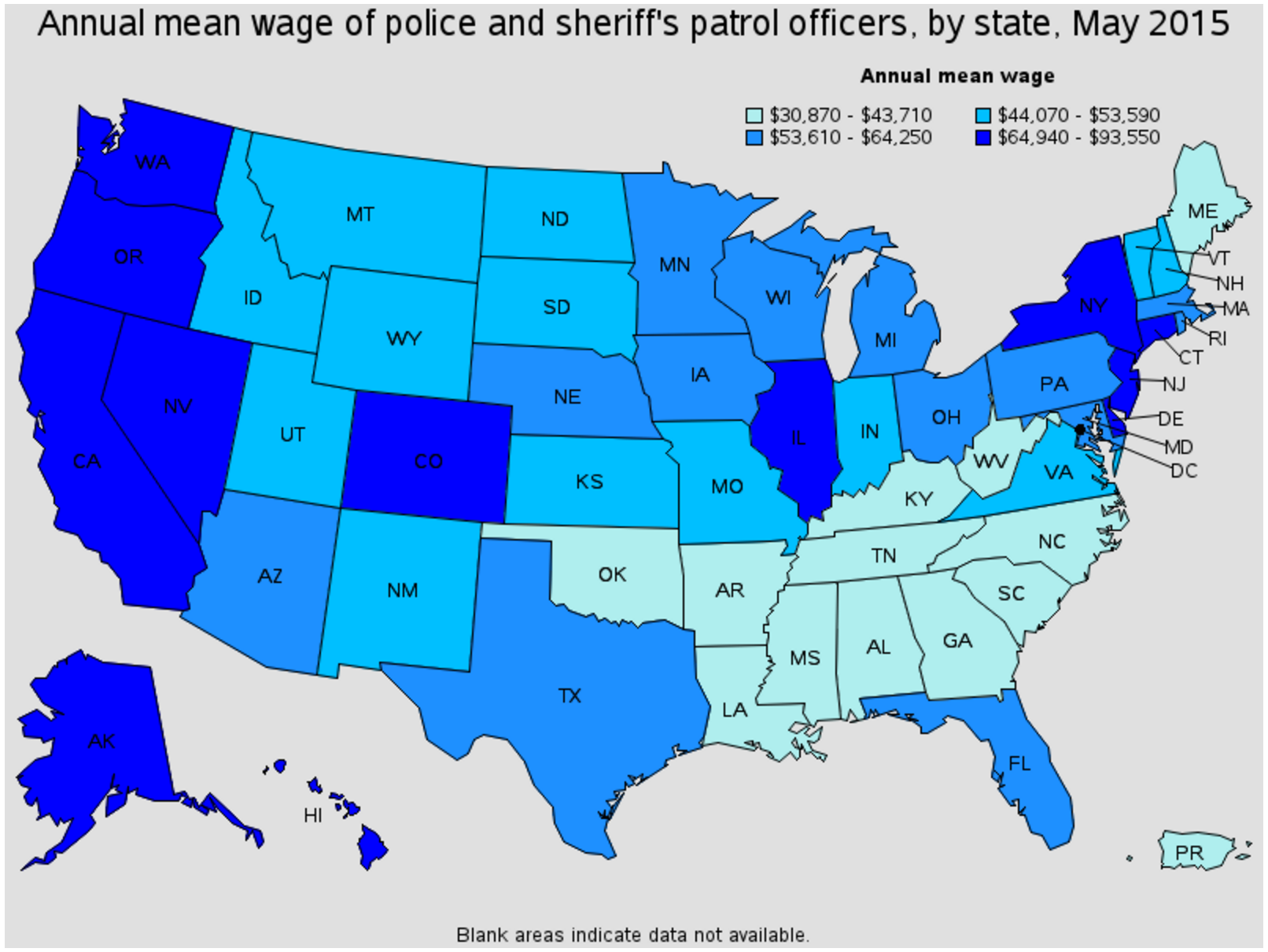
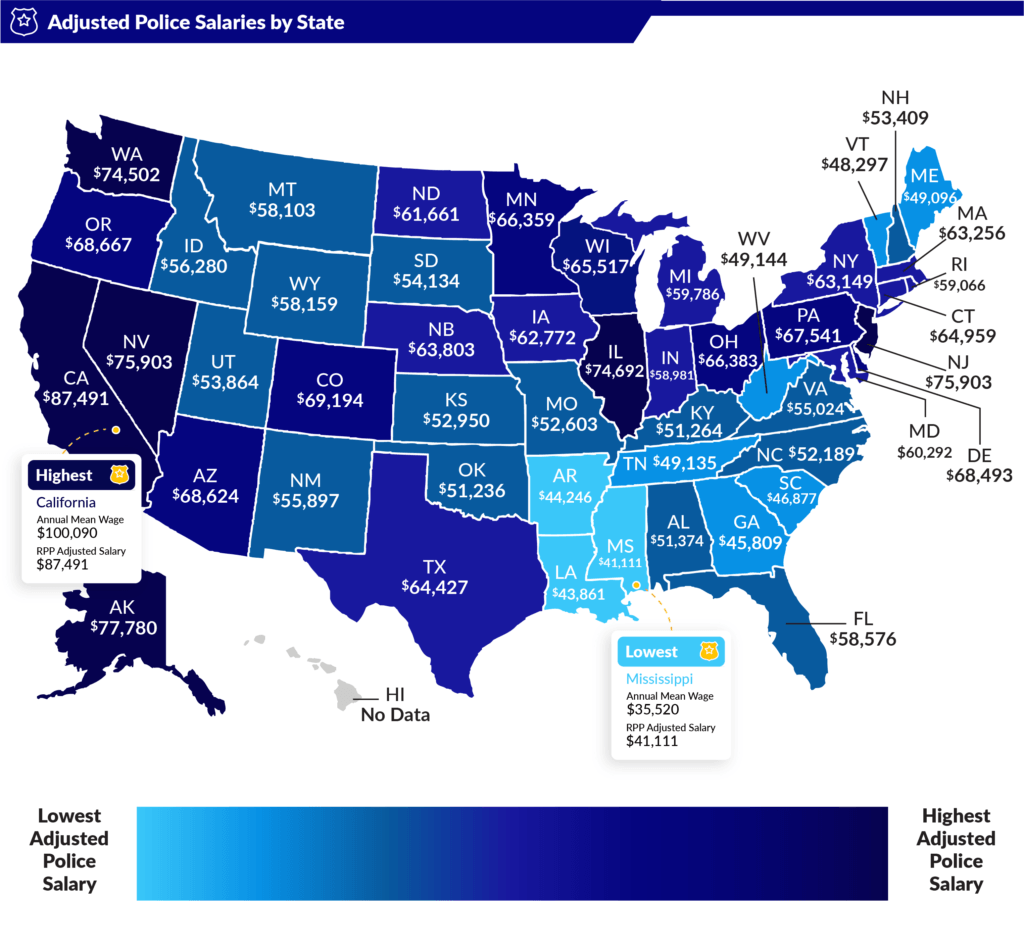
Becoming a police officer in California is not merely a job; it’s a commitment to community safety, often accompanied by significant personal sacrifice. Naturally, prospective officers and their families want to know if the financial rewards are commensurate with the challenges and the state’s unique economic environment. Salaries for law enforcement professionals in California are generally among the highest in the nation, a necessary response to the state’s elevated cost of living. However, these figures are far from uniform, varying considerably based on geography, agency size, and specific departmental needs.
Base Salaries and Entry-Level Opportunities
Entry-level police officers in California can expect a starting salary that is significantly higher than the national average. While exact figures fluctuate annually, a new recruit with minimal experience might start anywhere from $60,000 to $80,000 annually in smaller to mid-sized cities. However, in major metropolitan areas such as Los Angeles, San Francisco, or San Jose, the starting pay can easily exceed $80,000, often pushing into the $90,000 to $100,000 range. For instance, an entry-level officer in the Los Angeles Police Department or the San Francisco Police Department typically begins with a robust salary, reflecting the intense competition for housing and daily expenses in these urban centers. These initial salaries are crucial for establishing a stable lifestyle, allowing officers to consider various accommodation options, from apartments in bustling city centers to more suburban housing, balancing commute times with affordability. The ability to afford a comfortable dwelling near one’s workplace or within a reasonable distance to desirable landmarks or family-friendly attractions often plays a significant role in an officer’s career satisfaction and long-term commitment to a particular city.
Factors Influencing Earning Potential
An officer’s base salary is just the beginning of their earning potential in California. Several factors contribute to a significant increase in total compensation over time. Experience is paramount; as officers gain years of service, they move up pay scales. Promotion through the ranks – from officer to sergeant, lieutenant, captain, and beyond – brings substantial salary bumps. Specialization is another key driver of increased earnings. Officers who join specialized units, such as SWAT, K9 units, narcotics, homicide detectives, or traffic enforcement, often receive additional pay incentives due to the specialized training, increased risk, or unique demands of their roles.
Perhaps one of the most significant contributors to an officer’s total take-home pay is overtime. Law enforcement is a 24/7 operation, and covering shifts, responding to major incidents, court appearances, and working on specific task forces frequently necessitates overtime hours, which are typically compensated at 1.5 times the regular hourly rate. For many officers, overtime can add tens of thousands of dollars to their annual income, making a considerable difference in their ability to manage expenses, save for the future, or indulge in lifestyle choices like travel and family vacations.

Beyond direct salary, comprehensive benefits packages are a critical part of the overall compensation. These typically include excellent health, dental, and vision insurance for officers and their families, generous paid time off, and robust pension plans. California’s public employee retirement system is generally strong, offering long-term financial security for officers who serve for many years. Educational incentives are also common, with departments often providing bonuses or pay raises for officers who earn associate’s, bachelor’s, or master’s degrees, encouraging continuous professional development. These benefits not only enhance an officer’s financial stability but also support their overall well-being and the quality of life for their dependents, allowing for a more secure approach to planning future tourism excursions or long-term accommodation goals.
Navigating California’s High Cost of Living on a Police Salary
While police officer salaries in California are high, they are often offset by the state’s notoriously elevated cost of living, particularly concerning housing. This makes financial planning and strategic lifestyle choices crucial for officers and their families. The dream of owning a home, enjoying frequent travel, or residing in proximity to specific cultural landmarks or natural attractions requires careful consideration of one’s earning potential against regional expenses.
Accommodation and Housing Considerations
Housing costs in California represent the most significant challenge for many residents, including police officers. In the San Francisco Bay Area and along the Southern California coast, median home prices can easily exceed $1 million, making homeownership a distant dream for some, even with a competitive police salary. For example, an officer working in San Francisco or Palo Alto might find it necessary to commute from more affordable neighboring cities or opt for apartment living for an extended period. Similarly, in areas like Orange County, serving Anaheim or Irvine may mean looking for accommodation further inland.
This reality often leads officers to strategic decisions regarding where they choose to live. Some might accept a longer commute from more affordable regions in the Central Valley or inland Southern California (e.g., Riverside or San Bernardino) to work in higher-paying coastal departments. Others might prioritize specific community amenities, such as good schools for their children, or proximity to family, even if it means accepting a slightly lower salary in a more rural department. The type of accommodation, whether it’s a rental apartment, a modest starter home, or a more spacious property, directly impacts an officer’s daily budget and overall financial flexibility. Exploring various neighborhoods and understanding the nuances of the local housing market becomes an integral part of an officer’s lifestyle planning, akin to researching the best hotel suites or villas for a vacation, but on a long-term scale.
Lifestyle Implications: Travel and Leisure for Officers and Their Families
Despite the high cost of living, a police officer’s salary in California, especially with overtime and career progression, can afford a comfortable lifestyle, including opportunities for travel and leisure. California itself is a premier destination for tourism, offering an incredible array of attractions and experiences. Officers and their families can leverage their income to explore the state’s natural wonders, from the majestic redwoods and pristine beaches of Big Sur to the breathtaking landscapes of Yosemite National Park and the serene beauty of Lake Tahoe. Theme parks like Disneyland in Anaheim or Universal Studios Hollywood are popular destinations for family trips, and a steady income makes such experiences more accessible.
Many officers plan their vacations to coincide with long weekends or accumulated time off, allowing them to enjoy domestic travel within the United States or even international trips. Whether it’s a budget-friendly camping trip in Joshua Tree National Park or a more luxurious stay at a resort in Napa Valley, their earnings provide the flexibility to choose. The extensive network of California State Parks and national forests also offers affordable recreational opportunities. Beyond travel, officers can enjoy the diverse local cultures, culinary scenes, and vibrant entertainment options available across California’s cities, contributing to a rich and fulfilling lifestyle. Strategic financial planning, including budgeting for travel and leisure, is key to maximizing these opportunities and ensuring a balanced life despite the demanding nature of their profession.
Regional Salary Variations and Their Impact on Officer Recruitment and Retention
The vast economic and geographical diversity of California means that police salaries are not uniform across the state. This disparity plays a critical role in recruitment efforts and the retention of experienced officers, directly influencing where an officer might choose to live, work, and raise a family, tying into broader accommodation and lifestyle choices.
A Tale of Two Coasts (and Everything In Between)
The highest police salaries in California are typically found in the major metropolitan areas, particularly along the highly expensive coastal regions. Departments in cities like San Francisco, San Jose, Oakland, and Los Angeles often lead the state in compensation packages, with top-tier officers potentially earning well over $150,000 to $200,000 annually, especially when factoring in overtime and specialized pay. These higher salaries are a direct response to the extraordinary cost of living in these areas, particularly housing, where even a modest apartment can command substantial rent. The departments in these areas understand that they must offer competitive wages to attract and retain talent who can afford to live, if not in, then at least within a reasonable commute of, these high-cost zones.
In contrast, departments in the Central Valley (e.g., Fresno, Bakersfield, Sacramento) or more rural parts of Northern California generally offer lower base salaries. While these figures might be less than their coastal counterparts, they often correspond to a significantly lower cost of living, particularly for housing. An officer earning $80,000 in Fresno might have a higher disposable income and a better quality of life than an officer earning $100,000 in San Francisco due to the vast difference in housing prices and daily expenses. This creates a complex dynamic where officers must weigh higher pay against higher expenses or lower pay against more affordable living. This choice profoundly impacts an officer’s ability to pursue specific lifestyle goals, such as owning a larger home, investing in property, or dedicating funds to leisure travel and exploring different landmarks or tourist attractions across the state. For some, the appeal of a more spacious accommodation and a quieter community in a less expensive region outweighs the allure of a higher nominal salary in a bustling, high-cost city.
Beyond the Paycheck: Benefits, Pensions, and Quality of Life
While base salary is a major consideration, the overall compensation package, including benefits and pension plans, significantly influences an officer’s financial security and lifestyle choices. California’s public safety officers generally receive excellent health insurance, ensuring access to quality medical care for themselves and their families—a crucial aspect of long-term well-being. Furthermore, the state’s robust public employee retirement systems provide a strong incentive for officers to build a long career, offering defined benefit pensions that provide financial stability well into retirement. These benefits act as a significant buffer against the high cost of living, allowing officers to plan for future travel, secure accommodation for their retirement years, or even explore long-term stay options in different parts of the world.
Beyond monetary compensation, the “quality of life” factor is immense. This encompasses the safety of the community, the quality of local schools, proximity to natural beauty or cultural landmarks, and the availability of recreational activities. An officer might choose a department with a slightly lower salary if it offers a better work-life balance, a more supportive community, or easier access to outdoor activities like hiking in the Sierra Nevada or surfing along the Santa Monica coast. The ability to enjoy the rich array of experiences California offers – from exploring the vibrant nightlife of Hollywood to wine tasting in Napa Valley or simply relaxing on the San Diego beaches – is a strong draw. For many, the complete package of salary, benefits, and quality of life forms a holistic view of the attractiveness of a law enforcement career in the Golden State, empowering them to plan fulfilling lives that include exploration, comfortable accommodation, and diverse travel experiences.
In conclusion, police officers in California are among the highest paid in the United States, a necessity given the state’s formidable cost of living. Salaries vary significantly by region and experience, with coastal metropolitan areas offering the highest compensation packages. However, these figures must always be contextualized against local housing markets and daily expenses. Beyond the base salary, benefits, overtime, and opportunities for specialization contribute substantially to an officer’s overall earning potential, enabling a comfortable lifestyle that can include travel, diverse accommodation choices, and access to California’s unparalleled array of attractions and experiences. For those considering a career in law enforcement, understanding these financial nuances is key to building a fulfilling and sustainable life in this dynamic state, where professional dedication can indeed pave the way for a rich and varied personal lifestyle.
LifeOutOfTheBox is a participant in the Amazon Services LLC Associates Program, an affiliate advertising program designed to provide a means for sites to earn advertising fees by advertising and linking to Amazon.com. Amazon, the Amazon logo, AmazonSupply, and the AmazonSupply logo are trademarks of Amazon.com, Inc. or its affiliates. As an Amazon Associate we earn affiliate commissions from qualifying purchases.