
While the allure of the Lone Star State often conjures images of vast ranches, vibrant cities, and unforgettable travel experiences, the backbone of its safety and order is a dedicated force of police officers. Many individuals considering a career in law enforcement, or simply curious about the economic landscape of Texas, often wonder about the financial compensation for these vital public servants. This exploration delves into the average salaries of police officers across Texas, examining the factors that influence their earnings and providing insights that might be of interest to those planning a trip, considering a relocation, or even contemplating a career change in this dynamic state.

The salary of a police officer in Texas is not a monolithic figure; it’s a complex mosaic influenced by a variety of factors. From the specific city or county they serve to their years of experience and specialized skills, numerous elements contribute to the final paycheck. Understanding these variables is crucial for anyone seeking a comprehensive picture of police officer remuneration in Texas. For travelers, knowing that law enforcement is well-compensated might offer a subtle sense of security as they explore the state’s diverse attractions. For those considering a move, it’s an important piece of information for financial planning.
Understanding the Average Salary Landscape
The average salary for a police officer in Texas can vary significantly, but generally, it provides a stable and respectable income. According to various data sources, the mean annual wage for a police officer in Texas hovers around $65,000 to $70,000. However, this is a broad average, and digging deeper reveals more nuanced figures. Entry-level officers typically start at a lower rate, while seasoned officers with many years of service can command considerably higher salaries.
The Texas Department of Public Safety, for instance, has its own pay scales, as do individual municipal police departments and county sheriff’s offices. Larger cities often offer higher base salaries to attract and retain qualified personnel, especially in competitive job markets. Cities like Houston, Dallas, San Antonio, and Austin tend to have higher average salaries compared to smaller towns or rural counties. This is often a reflection of the cost of living in these metropolitan areas, as well as the greater demand and broader scope of responsibilities faced by officers in more populous regions.
Factors Influencing Police Officer Salaries
Several key factors contribute to the earning potential of police officers in Texas. Understanding these can help paint a clearer picture of salary expectations:
Experience and Rank
Like most professions, experience plays a pivotal role in a Texas police officer’s salary. A rookie officer will naturally earn less than a detective with a decade of experience or a sergeant overseeing a unit. Promotions to higher ranks, such as lieutenant, captain, or chief, come with increased responsibilities and, consequently, significantly higher salaries. These advancements often require additional training, leadership skills, and a proven track record of performance. For those who envision a long-term career in law enforcement, climbing the ranks is a primary path to increased earnings and influence within the department.
Location Within Texas
The geographical location of employment within Texas is a significant determinant of salary. As mentioned, major metropolitan areas like Dallas-Fort Worth, Houston, and the Austin–San Antonio corridor generally offer more competitive salaries due to higher costs of living and a greater density of law enforcement positions. Smaller towns and rural areas might offer lower base pay, but this can sometimes be offset by a lower cost of living, making the effective purchasing power of their salary comparable. For instance, an officer in a smaller city might find their salary stretches further when it comes to housing or daily expenses compared to their counterpart in Austin.
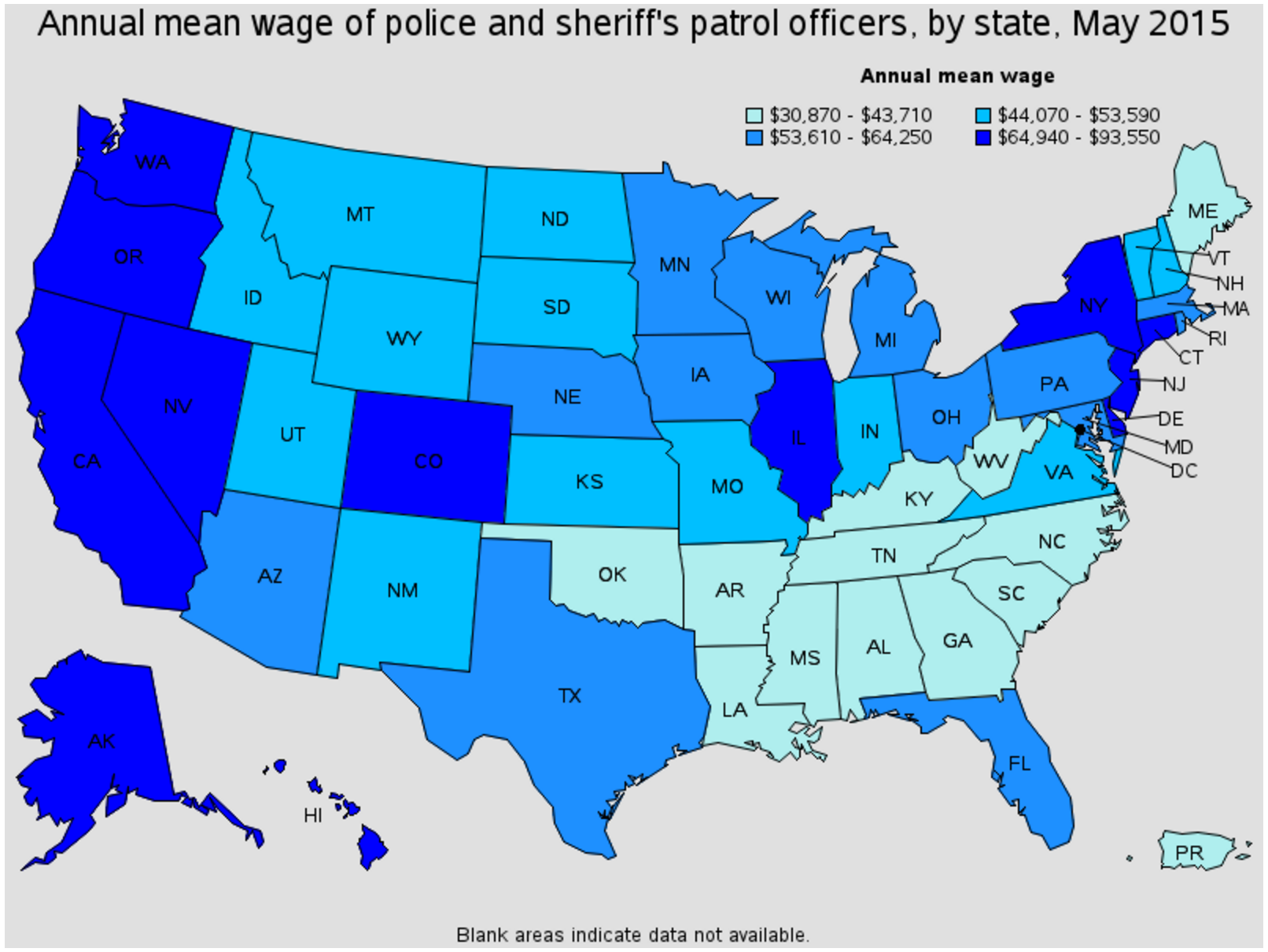
When considering travel to these areas, it’s worth noting the economic vibrancy that often correlates with higher officer salaries. Whether you’re planning a stay at a luxurious resort in the Hill Country or exploring the historic Alamo in San Antonio, the economic health of the region, which includes the compensation of its public servants, contributes to the overall experience.
Specializations and Overtime
Police officers can also boost their earnings through specialized units and overtime. Departments often have specialized divisions such as K-9 units, SWAT teams, narcotics, cybercrime, or forensic investigation. Officers who qualify for and serve in these specialized roles may receive additional pay or stipends for their unique skills and responsibilities. Furthermore, overtime is a common aspect of police work. Officers called to duty for extended shifts, emergency situations, or court appearances often receive compensation for these extra hours, which can significantly increase their annual income. The opportunity for overtime can be particularly appealing to officers looking to maximize their earnings.
Beyond the Base Salary: Benefits and Perks
While the base salary is a primary consideration, it’s essential to look beyond just the annual income when assessing the total compensation package for police officers in Texas. Law enforcement positions typically come with a comprehensive benefits package that can significantly add to the overall value of the employment. These benefits can include:
Health Insurance and Retirement Plans
Most Texas police departments offer robust health insurance plans for officers and their families, covering medical, dental, and vision care. These benefits can save officers thousands of dollars annually in healthcare costs. Equally important are retirement plans. Many departments provide defined-benefit pension plans, which offer a guaranteed stream of income in retirement, a crucial consideration for long-term financial security. Increasingly, 401(k)-style retirement savings plans are also offered, often with employer matching contributions. The stability of these retirement benefits is a significant draw for individuals seeking a secure career path.
Paid Time Off and Other Perks
Police officers in Texas typically receive a generous amount of paid time off, including vacation days, sick leave, and holidays. This allows for essential rest and recuperation, as well as time for personal pursuits, which might include exploring the diverse travel destinations Texas has to offer, from the beaches of Galveston to the cultural hubs of Houston.
Other perks can include life insurance, disability insurance, and opportunities for ongoing professional development and training. Some departments may also offer assistance with tuition reimbursement for further education or specialized certifications. These benefits, when combined with the base salary and overtime potential, create a compelling compensation package that supports a stable and fulfilling career in law enforcement.

Considering a Career in Texas Law Enforcement
For individuals considering a career as a police officer in Texas, understanding the financial aspects is a crucial step. The salary is competitive, especially when factoring in the comprehensive benefits package. The ability to serve one’s community, coupled with a stable income and valuable benefits, makes law enforcement a rewarding profession.
When planning a visit to Texas, whether it’s to experience the vibrant nightlife of Austin, the historical significance of San Antonio, or the vastness of West Texas, knowing that dedicated professionals are working to ensure safety adds another layer to the travel experience. For those contemplating a permanent move to the Lone Star State, the economic stability offered by law enforcement careers, including police officer salaries, can be a significant factor in their decision-making process. The appeal of Texas extends beyond its tourist attractions and culinary delights; it also offers opportunities for those who wish to contribute to its safety and well-being. The intricate tapestry of Texas life, from its bustling metropolises to its tranquil landscapes, is supported by the diligent work of its police officers, whose compensation reflects the importance of their role. Whether you are exploring luxury hotels in Dallas or seeking budget-friendly accommodation near Big Bend National Park, the presence of well-compensated law enforcement officers contributes to the overall peace of mind for residents and visitors alike.
LifeOutOfTheBox is a participant in the Amazon Services LLC Associates Program, an affiliate advertising program designed to provide a means for sites to earn advertising fees by advertising and linking to Amazon.com. Amazon, the Amazon logo, AmazonSupply, and the AmazonSupply logo are trademarks of Amazon.com, Inc. or its affiliates. As an Amazon Associate we earn affiliate commissions from qualifying purchases.