
The allure of the real estate market in New York is undeniable. For many, the city represents the pinnacle of property value, high-stakes negotiations, and architectural grandeur. For real estate agents operating within the five boroughs, the profession is often viewed as a fast track to substantial wealth. However, behind the glossy exterior of high-end listings in Manhattan or the rapidly gentrifying brownstones of Brooklyn, the reality of an agent’s income is far more nuanced. Understanding how much agents actually earn requires a deep dive into the commission-based structure, the cost of living, and the unique challenges of the Big Apple’s real estate landscape.
The Commission Structure: The Foundation of Earnings
Real estate agents in New York City rarely operate on a salaried basis. Instead, their income is almost exclusively derived from commissions. This performance-based model means that an agent’s salary can fluctuate wildly from one month to the next.
Understanding the Standard Commission Split
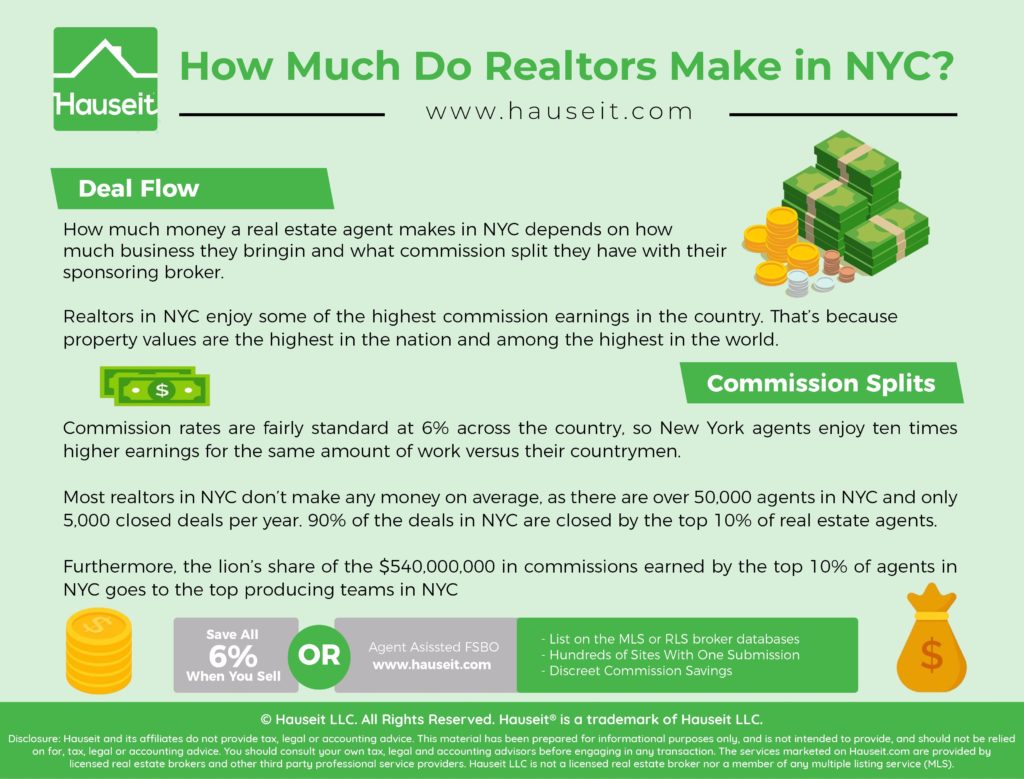
When a property is sold, a commission—typically ranging from 5% to 6% of the final sale price—is charged. This fee is split between the buyer’s agent and the seller’s agent. Furthermore, the agent’s brokerage firm takes a portion of that commission. While a new agent might start with a 50/50 split with their brokerage, highly successful veterans can negotiate splits as favorable as 80/20 or even 90/10. Because of these layers, the “gross commission” is rarely the amount that hits the agent’s bank account.
Gross Income vs. Net Profit
It is common for public reports to highlight the gross sales volume of a high-performing agent. However, to understand an agent’s take-home pay, one must subtract the expenses associated with doing business in New York. Marketing costs, professional photography, staging services for luxury apartments, and the high membership fees for the Real Estate Board of New York (REBNY) represent significant overhead. When these expenses are deducted, an agent’s actual income is often much lower than the headlines suggest.
The Tiered Reality: From Rookies to Luxury Titans
The income distribution among New York real estate agents follows a Pareto-like distribution, where a small percentage of agents command a large majority of the market’s wealth.
The Struggles of the First Year
For those entering the industry, the first two years are notoriously difficult. New agents often spend more than they earn, pouring money into lead generation, professional attire, and transportation costs to navigate Queens, Staten Island, and the Bronx. It is not uncommon for a rookie agent to earn less than $30,000 in their first year. The high attrition rate in the city is largely attributed to this “bootcamp” phase where the lack of a reliable income stream drives many to seek alternative employment.
The Mid-Market Practitioner
Once an agent builds a reliable sphere of influence and a steady pipeline of referrals, their income typically stabilizes. Mid-level agents, who focus on the bread-and-butter apartment rentals and mid-range residential sales, can expect to earn between $70,000 and $120,000 per year. These agents are the backbone of the city’s housing market, often juggling multiple rental listings alongside the occasional residential purchase.
The Luxury Sector Leaders
At the top of the food chain are the brokers dealing with multi-million dollar penthouses and townhouses in Central Park or Tribeca. For these elite individuals, commissions on a single sale can exceed $100,000. These agents often earn well into the mid-six figures or even seven figures, but they operate in a high-pressure environment that demands extreme networking capabilities, 24/7 availability, and a vast capital reserve to sustain the business long-term.

Factors Influencing Income in the Five Boroughs
Location is everything in New York, and this rule applies directly to an agent’s earning potential.
Neighborhood Dynamics and Property Values
An agent working exclusively in Williamsburg will face a different economic reality than one working in Astoria. The price per square foot dictates the commission check, meaning agents in higher-value neighborhoods have a much higher “ceiling” for their annual income. However, these areas also attract the most competition, making it significantly harder to capture market share.
The Rental vs. Sales Split
Many New York City agents supplement their income through the rental market. While rental commissions are generally lower than sales commissions—usually equal to one month’s rent or a percentage of the annual lease—they provide a faster turnover and a more consistent cash flow. Agents who can strike the right balance between high-volume rentals and high-value sales are usually the ones who achieve the most sustainable and lucrative careers.
The Cost of Professionalism: Why Net Income Matters
Beyond the raw commission numbers, an agent in New York must factor in the city’s unique operational costs. The price of doing business here is among the highest in the world.
Administrative and Marketing Overheads
Professional marketing in New York involves more than just a listing on a website. It involves hiring professional stagers to ensure a property in Upper East Side looks immaculate for potential buyers. It includes high-end video tours, social media advertising, and hosting open houses that often require catering and additional staff. These costs are usually fronted by the agent, meaning a bad quarter can quickly lead to a significant financial deficit.
The Value of Networking and Reputation
In a city that thrives on connections, reputation is a currency. Many of the most successful agents have invested decades into building relationships with building management, mortgage brokers, and legal professionals. This “social capital” is arguably more important than any marketing campaign. An agent who can facilitate a smooth closing in a difficult co-op board environment is highly valued and will always have a steady stream of referrals. Therefore, the income of a veteran agent is not just a reflection of their sales ability, but a return on years of networking and professional investment.

Is the High-Stress Lifestyle Worth the Payout?
The question of whether the earnings justify the effort depends on one’s appetite for risk. For those who view New York City real estate through the lens of a 9-to-5 job, the profession is often a disappointment. The hours are irregular, the weekends are rarely free, and the volatility of the market can be anxiety-inducing.
However, for those who thrive on autonomy and the prospect of uncapped earnings, the industry remains one of the few places in America where an individual’s income is limited only by their initiative and professional network. While the average agent might make a modest living, the opportunity to scale into a high-earner is ever-present for those willing to navigate the complexities of the city’s unique housing market. Ultimately, New York remains a land of opportunity, provided one is prepared to work for it.
LifeOutOfTheBox is a participant in the Amazon Services LLC Associates Program, an affiliate advertising program designed to provide a means for sites to earn advertising fees by advertising and linking to Amazon.com. Amazon, the Amazon logo, AmazonSupply, and the AmazonSupply logo are trademarks of Amazon.com, Inc. or its affiliates. As an Amazon Associate we earn affiliate commissions from qualifying purchases.