
The allure of the Sunshine State extends beyond its pristine beaches and vibrant culture; for many, it represents a lucrative career opportunity, particularly within the real estate sector. Aspiring and established real estate brokers in Florida often ponder a crucial question: “How much can I realistically expect to earn?” The answer, as with most professions, is multifaceted, influenced by a confluence of factors ranging from experience and specialization to market dynamics and individual drive.
Understanding the earning potential of a real estate broker in Florida requires delving into the typical compensation structures, the impact of market conditions, and the strategic advantages that can elevate a broker’s income. This exploration will shed light on the pathways to financial success for professionals navigating the bustling Florida real estate landscape.

Factors Influencing Broker Income in Florida
The income of a real estate broker in Florida is not a fixed figure. It’s a dynamic sum shaped by several interconnected elements. The most significant of these include the broker’s experience level, their chosen specialization, the geographical market within Florida they operate in, and their individual business acumen.
Experience and Longevity
Much like any profession, the more seasoned a real estate broker becomes, the greater their earning potential tends to be. Newer brokers, often referred to as “rookies,” might start with lower commission splits and fewer client opportunities. However, as they build a track record, refine their negotiation skills, and cultivate a strong network of clients and referral partners, their income trajectory typically ascends.
- Entry-Level Brokers: For those new to the industry, income can be modest. Commission splits are often lower, and the learning curve for generating consistent sales can be steep. Many brokers in this phase may supplement their income with administrative tasks or by working with a seasoned mentor.
- Mid-Career Brokers: With several years of experience, brokers begin to establish a more stable client base. They understand the nuances of the Florida market, have honed their marketing strategies, and often command better commission splits with their brokerage firms. Their annual earnings see a noticeable increase during this period.
- Experienced and Top-Performing Brokers: The pinnacle of earning potential is reserved for brokers who have a decade or more of experience, a proven history of high sales volume, and a strong reputation. These individuals often have a dedicated team, a robust referral network, and the ability to handle complex and high-value transactions, leading to significant annual incomes.
Specialization and Niche Markets
Florida offers a diverse range of real estate opportunities, from bustling urban centers to tranquil coastal communities and exclusive enclaves. Brokers who specialize in specific niches often command higher earnings due to their focused expertise and ability to cater to a particular clientele.
- Luxury Real Estate: Dealing with high-net-worth individuals and multimillion-dollar properties in areas like Miami, Palm Beach, or Naples can be exceptionally lucrative. The commission percentages remain the same, but the sheer value of the properties leads to substantially larger payouts per transaction. Brokers in this segment require a sophisticated understanding of the luxury market, impeccable networking skills, and discretion.
- Commercial Real Estate: This specialization involves the sale and leasing of properties for business purposes, including office buildings, retail spaces, industrial warehouses, and hotels. Commercial deals often involve larger sums of money and can be more complex, demanding a different skill set than residential sales. Brokers specializing in commercial properties in Florida can achieve very high incomes.
- Investment Properties: A broker focused on investment properties helps clients find opportunities for rental income or capital appreciation. This can range from single-family homes to multi-unit buildings and commercial complexes. Understanding market trends, financing options, and potential return on investment is crucial for success in this niche.
- New Construction and Development: Working with developers to market and sell new homes or entire communities requires a specific understanding of the building process, market demand for new inventory, and the ability to work with builders on pricing and features.
Geographical Market Dynamics
Florida is a large state with distinct real estate markets, each with its own economic drivers, demand-supply ratios, and property values.
- High-Demand Coastal Areas: Cities like Miami, Fort Lauderdale, Tampa, and Orlando generally experience robust real estate activity. Higher property values and a consistent influx of buyers and sellers can translate into higher earning potential for brokers operating in these regions. The tourism and hospitality sector in these areas also fuels significant residential and commercial real estate transactions.
- Affluent Communities: Exclusive enclaves such as Boca Raton, Sarasota, and parts of the Florida Keys often feature higher average sales prices, directly impacting broker commissions. These markets frequently attract buyers seeking vacation homes, retirement properties, or luxury residences.
- Emerging Markets: While established markets offer consistent opportunities, some burgeoning areas within Florida might present unique growth potential. Brokers who can identify and capitalize on these emerging markets can build a strong presence and client base early on.
Individual Business Acumen and Work Ethic
Beyond external factors, a broker’s personal drive, business strategy, and ethical conduct play a pivotal role in their income.
- Marketing and Networking: Successful brokers are adept marketers. They understand how to leverage online platforms, social media, and traditional methods to attract clients. Building and maintaining a strong professional network – with other agents, lenders, inspectors, and potential clients – is paramount.
- Client Service: Providing exceptional client service leads to repeat business and valuable referrals, which are the lifeblood of a sustainable real estate career. Happy clients are more likely to recommend a broker to their friends and family.
- Negotiation Skills: The ability to negotiate effectively on behalf of clients, whether buying or selling, directly impacts deal success and client satisfaction, ultimately influencing future business.
- Professional Development: Continuously updating knowledge on market trends, legal requirements, and new technologies keeps brokers competitive and better equipped to serve their clients.
Commission Structures and Earnings Potential
Real estate brokers in Florida are typically independent contractors affiliated with a licensed brokerage firm. Their earnings are primarily commission-based, meaning they only get paid when a transaction is successfully completed. The commission is usually a percentage of the sale price, which is then split between the buyer’s agent and the seller’s agent. Further splits occur between the agents and their respective brokerage firms.
Typical Commission Splits
- Brokerage Firm Split: A significant portion of the commission is paid to the brokerage firm. This split can vary widely, from 50/50 to as high as 90/10 in favor of the agent, depending on the agent’s experience, sales volume, and the brokerage’s fee structure.
- Agent’s Share: What remains after the brokerage split is the agent’s gross commission. This is the amount before any business expenses are deducted.
Average Salary vs. Commission-Based Income
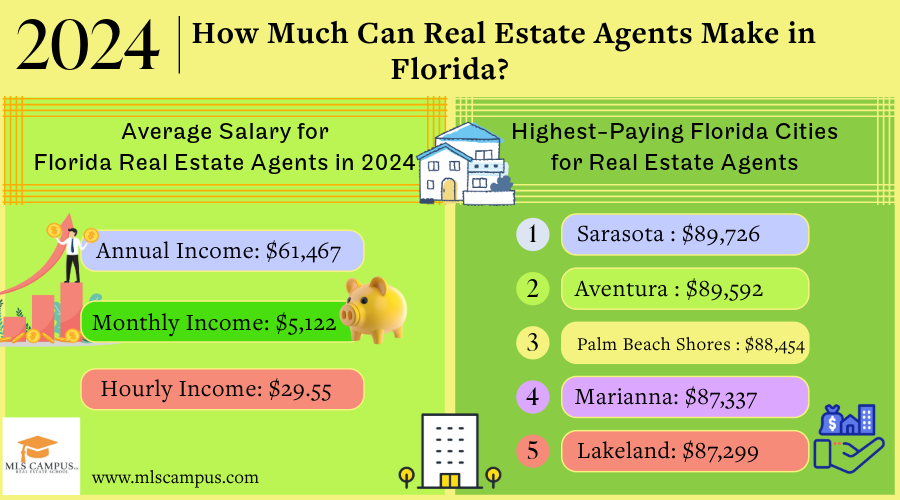
It’s crucial to distinguish between an average salary and the reality of commission-based income. While some sources might provide salary ranges, these are often averages that include brokers who are highly successful and those who are just starting. The actual income can fluctuate significantly month-to-month and year-to-year.
- Entry-Level: A new broker might earn anywhere from $30,000 to $50,000 in their first year, heavily dependent on their ability to close deals and their commission split.
- Mid-Level: Experienced brokers with a consistent track record could see their annual earnings range from $60,000 to $150,000.
- Top Performers: The top 10-20% of real estate brokers in Florida can earn well over $200,000 annually, with some reaching $500,000 or more through high-volume sales and luxury or commercial transactions.
The Role of a Broker vs. an Agent
It’s important to clarify the distinction between a real estate agent and a real estate broker in Florida. While both are licensed professionals who facilitate real estate transactions, a broker has achieved a higher level of licensure and can operate independently or open their own brokerage firm, employing other agents.
- Real Estate Agent: Must complete pre-licensing education, pass a state exam, and be affiliated with a licensed broker. They can represent buyers and sellers.
- Real Estate Broker: Must have held an active agent license for a specified period (typically at least two years) and have completed additional post-licensing education. They can perform all the duties of an agent and can also supervise agents, manage a brokerage, and hold escrow accounts.
This higher level of responsibility and expertise often translates into greater earning potential for brokers, especially those who own and operate their own successful brokerages.
Maximizing Income as a Florida Real Estate Broker
For brokers looking to maximize their earnings in the competitive Florida market, a strategic approach is essential. This involves not only excelling in sales but also in business management and continuous growth.
Building a Strong Sphere of Influence
- Referral Networks: Cultivating relationships with past clients, colleagues, and other professionals (lenders, attorneys, inspectors) is a powerful way to generate consistent business through referrals. A satisfied client is the best marketing tool.
- Community Engagement: Participating in local events, joining community organizations, and becoming a recognized face in your target neighborhood can lead to organic business opportunities.
Leveraging Technology and Marketing
- Online Presence: A professional website, active social media profiles, and targeted online advertising are crucial for reaching a wider audience and showcasing expertise. High-quality photography and virtual tours are standard for listings in Florida.
- CRM Systems: Utilizing a Customer Relationship Management (CRM) system helps manage leads, track client interactions, and nurture relationships effectively, ensuring no opportunities are missed.
Professional Development and Education
- Advanced Certifications: Pursuing designations such as Certified Residential Specialist (CRS), Graduate, REALTOR® Institute (GRI), or specializing in areas like Seniors Real Estate Specialist (SRES) can enhance a broker’s credibility and appeal to specific client segments.
- Market Analysis: Staying abreast of Florida’s economic trends, housing market forecasts, and regulatory changes is vital for providing informed advice and identifying lucrative opportunities.

Strategic Business Planning
- Setting Goals: Establishing clear, measurable, achievable, relevant, and time-bound (SMART) goals for sales volume, income, and business growth provides direction and motivation.
- Financial Management: Effectively managing business expenses, understanding tax implications, and planning for income fluctuations are key to long-term financial stability and success.
- Team Building: As a broker grows, building a high-performing team of agents and administrative staff can significantly increase the brokerage’s capacity and overall revenue.
The earning potential for real estate brokers in Florida is substantial, but it is directly proportional to the effort, skill, and strategic planning invested. By understanding the influencing factors, mastering the art of the deal, and committing to continuous improvement, brokers can build a prosperous and rewarding career in one of the nation’s most dynamic real estate markets.
LifeOutOfTheBox is a participant in the Amazon Services LLC Associates Program, an affiliate advertising program designed to provide a means for sites to earn advertising fees by advertising and linking to Amazon.com. Amazon, the Amazon logo, AmazonSupply, and the AmazonSupply logo are trademarks of Amazon.com, Inc. or its affiliates. As an Amazon Associate we earn affiliate commissions from qualifying purchases.