
The Lone Star State, with its sprawling landscapes, burgeoning cities, and diverse economy, presents a vibrant market for real estate professionals. For aspiring and established real estate brokers in Texas, understanding earning potential is paramount. This article delves into the various factors influencing broker compensation, typical income ranges, and the strategies that can lead to significant financial success within this dynamic industry.
Understanding Broker Compensation in Texas
Real estate broker income in Texas is not a fixed salary. Instead, it’s a multifaceted compensation structure driven by commissions, fees, and the overall volume and value of transactions managed. Unlike agents who typically work under a broker, brokers often have the authority to run their own brokerage firms, employ agents, and take a cut of their agents’ commissions, in addition to their own direct sales.
Commission Structures
The primary source of income for a real estate broker is commission. This is usually a percentage of the sale price of a property. In Texas, typical commission rates can range from 5% to 6% of the sale price, though this is negotiable and can vary based on market conditions, property type, and the brokerage’s reputation. This commission is then split between the buyer’s agent and the seller’s agent.
- Broker’s Share: A significant portion of the commission earned from a sale where the broker directly represents a client goes to the broker.
- Agent’s Share: When an agent working under a broker closes a deal, the commission is split between the agent and the broker. The broker’s split can vary widely, often ranging from 20% to 50% of the agent’s commission. This incentivizes agents to perform while providing the broker with a steady income stream from their team’s efforts.
- Referral Fees: Brokers may also earn income through referral fees when they connect clients to other agents or brokerages.
Transaction Volume and Property Value
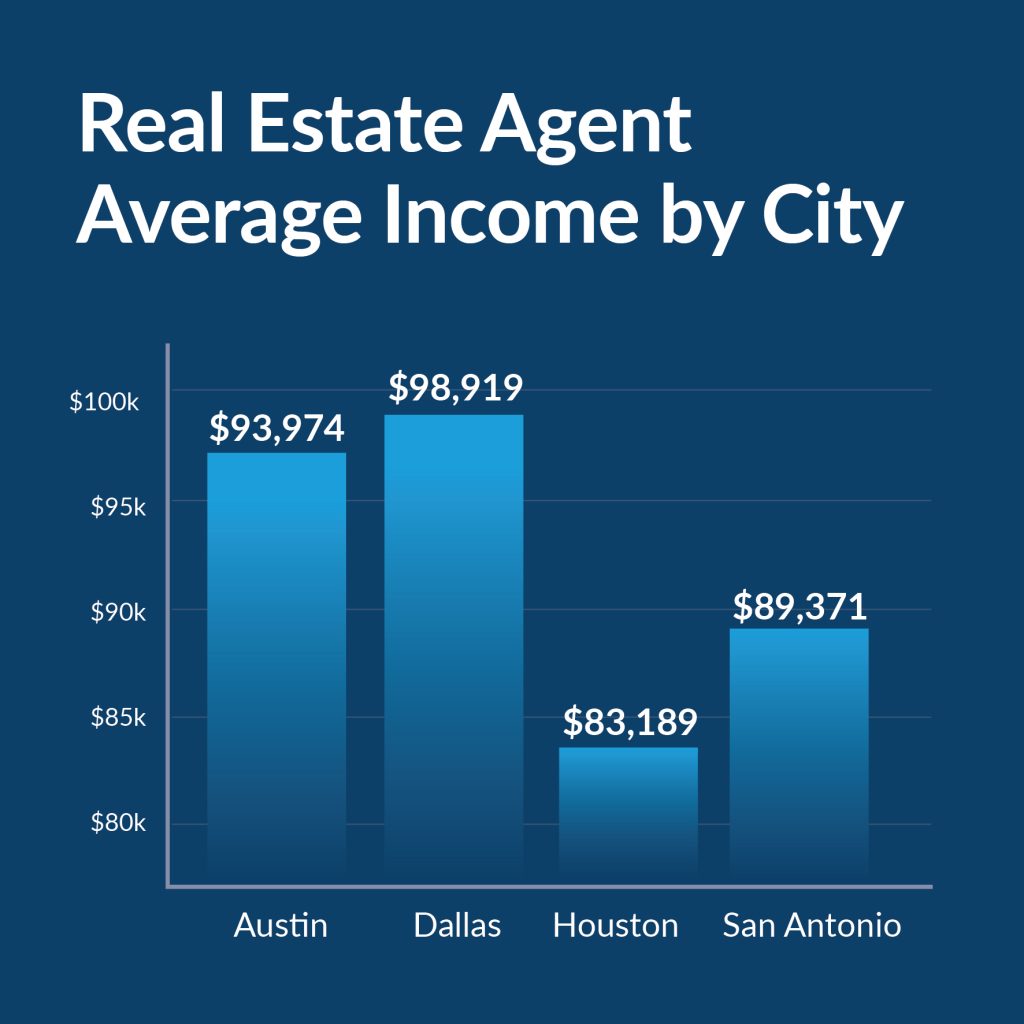
The sheer number of transactions a broker or their team closes, coupled with the average sale price of the properties involved, directly impacts earning potential. A broker in a high-cost-of-living area like Austin or Dallas selling luxury properties will naturally see higher commission earnings than a broker in a more rural area with lower property values, assuming similar transaction volumes.
Market Conditions
The health of the real estate market in Texas plays a crucial role. During a seller’s market, with high demand and low inventory, prices often rise, leading to larger commission checks. Conversely, a buyer’s market can lead to longer closing times and potentially lower sale prices, affecting broker earnings. Factors like interest rates, economic growth, and local development projects all influence these market conditions.
Brokerage Type and Business Model
The type of brokerage a broker operates or is affiliated with also influences income.
- Traditional Brokerages: These often have physical offices and offer comprehensive support services to their agents, taking a larger share of commissions in return.
- Virtual Brokerages: With lower overhead, virtual brokerages can often offer higher commission splits to their agents, potentially attracting more productive agents.
- Boutique Brokerages: Smaller, specialized brokerages might focus on niche markets (e.g., luxury properties, commercial real estate) and can command higher commission rates due to their expertise.
Average Earnings for Real Estate Brokers in Texas
Pinpointing an exact average salary for real estate brokers in Texas is challenging due to the commission-based nature of the profession and the vast differences in experience, market focus, and individual success. However, data from various sources provides a general picture.
Entry-Level and Experienced Brokers
- Entry-Level: A newly licensed real estate agent in Texas who has recently obtained their broker license or is working as an independent broker may initially earn less, perhaps in the range of $40,000 to $60,000 annually. This initial period often involves building a client base, gaining experience, and establishing a reputation.
- Mid-Level: With a few years of experience, brokers who have a consistent track record of sales and potentially a small team of agents can expect to earn significantly more. Annual incomes in the $70,000 to $120,000 range are not uncommon.
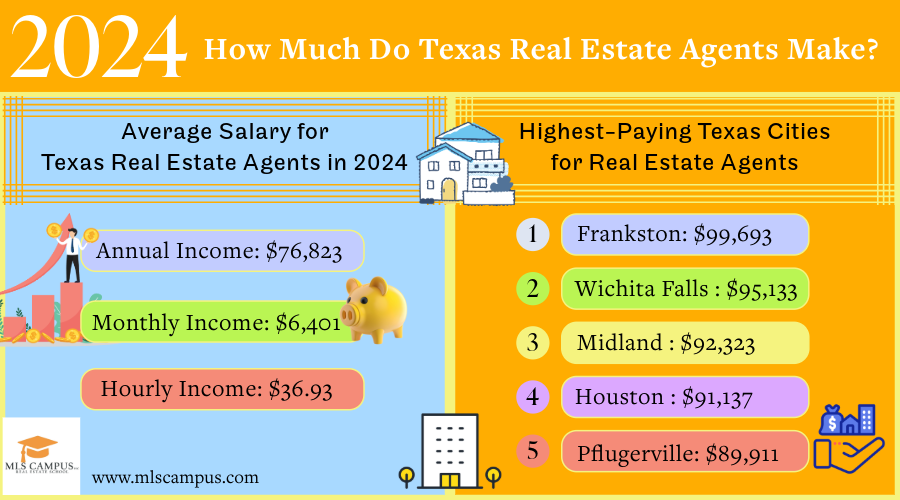
- Top Performers: Highly successful brokers, particularly those managing large teams, closing high-value transactions, or operating in lucrative markets like Houston or the Dallas-Fort Worth Metroplex, can earn well into the six figures, with top earners potentially making $250,000 or more annually.
Geographical Variations within Texas
The economic landscape and housing markets differ significantly across Texas, leading to variations in broker earnings:
- Major Metropolitan Areas: Cities such as Houston, Dallas, Austin, and San Antonio typically offer the highest earning potential due to higher property values and a greater volume of transactions. Brokers in these areas may see higher average incomes.
- Suburban and Rural Areas: While still offering opportunities, brokers in smaller towns or more rural parts of Texas might experience lower average earnings due to less competition, lower property values, and a smaller overall market size. However, specialized knowledge of a particular rural market can also lead to strong niche earnings.
Factors Influencing Broker Income
Beyond the general commission structures and market dynamics, several personal and professional factors significantly influence how much a real estate broker makes in Texas.
Experience and Reputation
- Years in the Industry: As with most professions, experience often translates to higher earning potential. Brokers with a longer tenure have had more time to build a robust network of clients and referral sources, hone their negotiation skills, and understand market nuances.
- Brand Recognition: A broker or brokerage firm with a strong reputation for integrity, expertise, and successful transactions can command higher commission rates and attract more high-value clients. Building a personal brand through marketing and client satisfaction is crucial.
Specialization and Niche Markets
Focusing on a specific segment of the real estate market can lead to higher profitability. This could include:
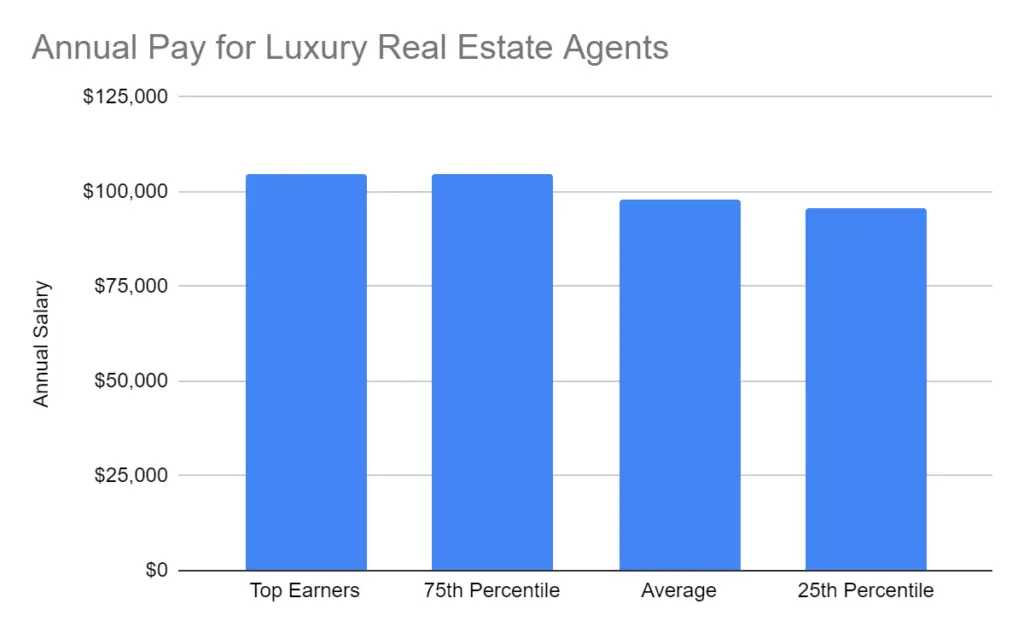
- Luxury Real Estate: Properties in the higher price brackets often come with higher commission checks, though they also require a different skill set and client management approach. Areas like Highland Park in Dallas are known for their luxury market.
- Commercial Real Estate: This involves office buildings, retail spaces, industrial properties, and multi-family dwellings. Commercial transactions are often larger in scale, leading to substantial commissions, but also require specialized knowledge and longer sales cycles.
- Investment Properties: Brokers who specialize in helping clients find and manage investment properties, such as fix-and-flips or rental portfolios, can build a loyal client base and generate recurring income.
- Relocation Services: Assisting individuals and families relocating to or from Texas can be a lucrative niche, especially for corporate clients.
Leadership and Agent Management
For brokers who own or manage a brokerage firm, their income is not solely tied to their personal sales. The ability to recruit, train, and motivate a team of successful agents is a significant driver of profit. A well-managed team can generate a substantial income stream for the broker through overrides and splits. This requires strong leadership, administrative skills, and a supportive brokerage culture.
Marketing and Business Development
Effective marketing is essential for any real estate professional. This includes:
- Digital Marketing: Utilizing social media, professional websites, search engine optimization (SEO), and targeted online advertising to reach potential clients.
- Networking: Building and maintaining relationships with other professionals, such as lenders, appraisers, contractors, and past clients.
- Client Relationship Management (CRM): Implementing systems to track leads, nurture relationships, and ensure excellent post-sale service.
Strategies for Maximizing Broker Income in Texas
To achieve peak earning potential as a real estate broker in Texas, a strategic approach combining sales acumen, business management, and continuous professional development is key.
Building and Leveraging a Network
A strong professional network is arguably the most valuable asset for a real estate broker.
- Client Referrals: Satisfied clients are the best source of new business. Providing exceptional service, timely communication, and going the extra mile can turn clients into advocates.
- Industry Connections: Developing relationships with other agents, brokers, lenders, inspectors, contractors, and stagers can lead to valuable referrals and collaborative opportunities.
- Community Involvement: Engaging in local community events, chambers of commerce, and professional organizations can enhance visibility and build trust.
Embracing Technology and Innovation
The real estate industry is rapidly evolving with technological advancements.
- CRM Systems: Implementing a robust Customer Relationship Management system is crucial for organizing leads, managing client interactions, and automating follow-ups.
- Virtual Tours and Digital Marketing: High-quality virtual tours, professional photography, and strategic social media campaigns are essential for showcasing properties effectively in today’s market.
- Data Analytics: Utilizing market data and analytics tools to provide clients with informed advice, identify trends, and price properties accurately.
Continuous Education and Professional Development
The real estate landscape is constantly changing due to market shifts, regulatory updates, and new technologies.
- Broker Licensing Requirements: Staying current with Texas Real Estate Commission (TREC) requirements for continuing education is mandatory.
- Advanced Certifications: Pursuing certifications in areas like luxury homes, commercial real estate, or negotiation can enhance expertise and marketability.
- Staying Informed: Regularly reading industry publications, attending conferences, and participating in workshops keeps brokers ahead of the curve.
Developing Leadership and Management Skills
For brokers who aim to build a successful brokerage, leadership is paramount.
- Mentorship and Training: Providing effective training and mentorship to agents under their umbrella fosters a productive and loyal team.
- Performance Management: Establishing clear performance metrics and providing constructive feedback helps agents improve and contribute to the brokerage’s overall success.
- Creating a Positive Culture: A supportive and collaborative brokerage environment can boost agent morale and reduce turnover, ultimately benefiting the broker’s bottom line.
In conclusion, the earning potential for real estate brokers in Texas is as vast and varied as the state itself. While commission structures and market dynamics form the foundation, individual success hinges on strategic planning, relentless effort, continuous learning, and a commitment to providing exceptional service. By mastering these elements, brokers can navigate the competitive Texas real estate market and achieve significant financial rewards.
LifeOutOfTheBox is a participant in the Amazon Services LLC Associates Program, an affiliate advertising program designed to provide a means for sites to earn advertising fees by advertising and linking to Amazon.com. Amazon, the Amazon logo, AmazonSupply, and the AmazonSupply logo are trademarks of Amazon.com, Inc. or its affiliates. As an Amazon Associate we earn affiliate commissions from qualifying purchases.