
Becoming a diagnostic medical sonographer offers a rewarding career path in the healthcare sector, providing vital insights into patient health through advanced imaging technology. For those considering this profession, particularly in a vibrant and growing state like Florida, understanding the earning potential is crucial for long-term career planning and lifestyle considerations. The salary for sonographers in the Sunshine State can vary significantly, influenced by a multitude of factors ranging from experience and specialization to geographic location and the type of healthcare facility. Delving into these aspects provides a comprehensive picture of what prospective and current sonographers can expect financially, shaping their professional trajectory and personal lifestyle in Florida.

The Landscape of Sonography Employment in Florida
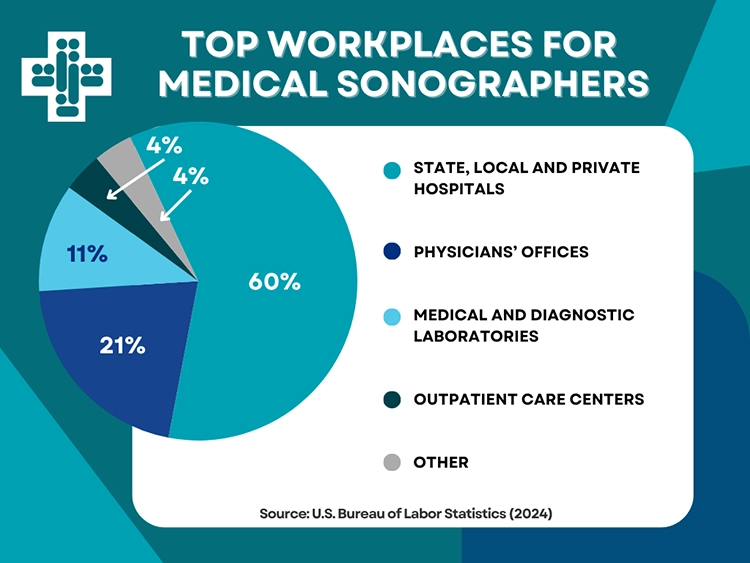
Florida’s burgeoning population, especially its large retired community, fuels a consistent demand for healthcare services, including diagnostic imaging. This creates a robust job market for sonographers across various settings. Hospitals, outpatient clinics, private physician offices, and diagnostic imaging centers are all common employers, each offering potentially different compensation structures and work environments. The professional role of a sonographer requires a blend of technical skill, attention to detail, and excellent patient communication. Professionals typically hold an associate’s or bachelor’s degree in sonography or a related field, along with professional certification from organizations such as the American Registry for Diagnostic Medical Sonography (ARDMS). This certification is often a prerequisite for employment and significantly impacts earning potential and career mobility within the state.
The sheer volume of healthcare facilities, from major metropolitan medical centers in Miami and Orlando to smaller clinics serving rural communities, ensures a diverse range of opportunities. This diversity also means that the overall lifestyle choice a sonographer makes—whether they prefer the bustling pace of a major city or the quieter rhythm of a smaller town—will directly correlate with available positions and salary expectations. The demand for specialized sonographers, such as those in cardiac or vascular fields, often commands higher salaries due to the advanced training and critical nature of their work.
Average Salary and Influencing Factors
The average annual salary for a diagnostic medical sonographer in Florida generally aligns with or slightly exceeds national averages, reflecting the state’s competitive healthcare market. While specific figures fluctuate with economic conditions and data sources, most reports place the median annual income for sonographers in Florida in a comfortable range. However, this average is merely a starting point, as several critical factors can push an individual’s earnings significantly higher or lower.
Geographic Variations Across the State
Location within Florida plays a pivotal role in salary determination. Major metropolitan areas with a higher cost of living and a greater concentration of large hospitals and specialized medical centers typically offer more competitive salaries. For instance, sonographers in Miami, Fort Lauderdale, Orlando, and Tampa often report higher earnings compared to their counterparts in more rural or less densely populated regions of the state. These urban centers also tend to have a higher volume of patients, leading to greater demand and sometimes opportunities for overtime or on-call pay. Conversely, while smaller towns might offer a lower average salary, they often present a more favorable cost of living, which can lead to a comparable or even better quality of life in terms of disposable income and lifestyle choices.
Specialization and Certification Impact
The area of sonography a professional specializes in can dramatically affect their earning potential. General diagnostic medical sonographers, who perform a wide range of abdominal, obstetric, and gynecological scans, form the backbone of the profession. However, those with advanced certifications in specific areas like cardiac sonography (echocardiography), vascular sonography, or neurosonography often command higher salaries. These specializations require additional training and certifications, such as Registered Diagnostic Cardiac Sonographer (RDCS) or Registered Vascular Technologist (RVT) from the ARDMS. The heightened skill set and specialized knowledge in these critical areas are highly valued by employers, leading to increased compensation and often more challenging, yet rewarding, caseloads. Maintaining these certifications through continuing education is also essential for career longevity and maximizing earning potential.
Experience Level and Educational Attainment
As with most professions, experience is a major determinant of salary. Entry-level sonographers in Florida can expect to start at a certain baseline, with their wages progressively increasing as they gain years of practical experience and refine their skills. Experienced sonographers, particularly those with five years or more in the field, who have a proven track record of accuracy and efficiency, are highly sought after and can command significantly higher salaries. Furthermore, educational attainment beyond the minimum requirements can also influence pay. While an associate’s degree is often sufficient, those holding a bachelor’s degree in sonography or a related health science might find themselves eligible for higher-paying positions, especially in larger medical institutions or leadership roles. Continuous professional development, including workshops and advanced training in new technologies, also showcases a commitment to the field and can bolster earning power.
Comprehensive Compensation and Benefits
Beyond the base salary, the overall compensation package for sonographers in Florida often includes a range of benefits that contribute significantly to their financial well-being and lifestyle. These can include comprehensive health insurance (medical, dental, vision), retirement plans such as 401(k) with employer matching, paid time off (PTO) for vacations and sick leave, and opportunities for professional development and continuing education.
Many healthcare facilities also offer additional incentives like sign-on bonuses, relocation assistance for in-demand specializations, and performance-based bonuses. Overtime pay, shift differentials for evening or night shifts, and on-call compensation can substantially boost annual earnings, particularly for those willing to work flexible hours. These benefits are particularly valuable in a state like Florida where quality healthcare and future financial security are paramount for a comfortable lifestyle. Understanding the full scope of a compensation package is essential when evaluating job offers, as a seemingly lower base salary might be offset by superior benefits and incentives.
Career Growth and Lifestyle Implications
The career outlook for sonographers in Florida remains strong, driven by the aging population and advancements in medical imaging technology. The ability to grow professionally, take on leadership roles, or specialize further offers a clear path to increased earnings and job satisfaction. This professional stability and upward mobility are key components of a desirable lifestyle.
Balancing Income with Florida’s Cost of Living
While sonographer salaries in Florida are generally competitive, it is crucial to consider the state’s varying cost of living. Major cities like Miami, Fort Lauderdale, Sarasota, and parts of Orlando and Tampa can have higher housing costs, transportation expenses, and general living costs. However, many areas in central and north Florida, including cities like Jacksonville or even some suburban areas around the major hubs, offer a more affordable cost of living, allowing sonographers to enjoy a higher quality of life on a comparable salary. Strategic choice of residence, considering commute times and local amenities, can significantly impact one’s financial comfort and leisure time. The absence of state income tax in Florida is another attractive financial benefit, contributing to greater take-home pay compared to states with high income taxes.

Professional Development and Long-term Earning Potential
Investing in professional development is not just about maintaining certification; it’s a direct investment in long-term earning potential. Pursuing additional specializations, obtaining advanced degrees, or even transitioning into supervisory or educational roles within sonography can open doors to substantially higher salaries. Many sonographers find satisfaction in mentoring new professionals or contributing to clinical research, roles that often come with increased responsibility and compensation. The dynamic nature of medical technology ensures that continuous learning is not just recommended but necessary for career advancement. This commitment to lifelong learning positions sonographers for sustained financial growth and a fulfilling career that adapts with the evolving healthcare landscape.
Ultimately, a career as a sonographer in Florida offers not only a solid income but also the opportunity to shape a desirable lifestyle, balancing professional fulfillment with the many attractions and benefits of living in the Sunshine State. With careful planning and strategic career development, sonographers can achieve both financial stability and a high quality of life.
LifeOutOfTheBox is a participant in the Amazon Services LLC Associates Program, an affiliate advertising program designed to provide a means for sites to earn advertising fees by advertising and linking to Amazon.com. Amazon, the Amazon logo, AmazonSupply, and the AmazonSupply logo are trademarks of Amazon.com, Inc. or its affiliates. As an Amazon Associate we earn affiliate commissions from qualifying purchases.