
The Lone Star State, with its booming healthcare industry and diverse population, presents a compelling landscape for aspiring and established surgical technologists. From the bustling metropolises of Houston and Dallas to the more serene settings of smaller towns, the demand for skilled surgical technologists is consistently high. This article delves into the salary expectations for surgical technologists across Texas, exploring the factors that influence earning potential and providing insights into career growth within this vital healthcare profession. Understanding the compensation structure is crucial for individuals planning their educational paths, negotiating salaries, or considering a relocation within the state.

Factors Influencing Surgical Tech Salaries in Texas
Several key elements contribute to the variation in salaries for surgical technologists within Texas. These include geographic location, the type and size of the healthcare facility, years of experience, specialized certifications, and the specific demand for their skills in a particular region. A surgical technologist working in a major urban center with a high cost of living and numerous large hospital systems may command a higher salary than someone in a rural area with fewer employment opportunities.
Geographic Location and Cost of Living
The economic landscape of Texas is diverse, with significant differences in the cost of living and, consequently, salary ranges between its major cities and more rural regions.
Major Metropolitan Areas
In cities like Houston, Dallas, San Antonio, and Austin, the demand for healthcare professionals, including surgical technologists, is generally higher due to the concentration of large hospitals, specialized medical centers, and a larger patient population. This increased demand, coupled with a higher cost of living, often translates to more competitive salary offers. For instance, a surgical technologist in Dallas might earn more than their counterpart in a smaller city like Wichita Falls. The presence of renowned institutions such as Texas Medical Center in Houston further drives up the need for skilled personnel, often resulting in attractive compensation packages for experienced professionals.
Rural and Suburban Regions
While major cities often offer higher nominal salaries, the cost of living in rural and suburban areas of Texas is typically lower. This can mean that the actual purchasing power of a salary in these regions might be comparable, even if the headline figure is less. Furthermore, healthcare facilities in these areas may offer different benefits or incentives to attract and retain staff, such as housing assistance or tuition reimbursement, which can add to the overall compensation value. The demand in these areas may be more stable, though potentially less dynamic than in the urban centers.
Type and Size of Healthcare Facility
The environment in which a surgical technologist works significantly impacts their earning potential. Different types of healthcare facilities have varying operational budgets, patient volumes, and service offerings, all of which can influence salary structures.
Large Hospital Systems vs. Smaller Clinics
Large hospital systems, particularly those affiliated with major medical schools or operating as trauma centers, often have more robust financial resources and a higher volume of complex surgical procedures. This usually translates to higher salaries for their staff, including surgical technologists. These institutions might also offer more comprehensive benefits packages and opportunities for professional development. In contrast, smaller clinics or outpatient surgical centers may offer slightly lower base salaries but can provide a more focused work environment and potentially better work-life balance for some individuals. However, the complexity and variety of procedures at larger institutions can also lead to greater skill development and career advancement opportunities.
Specialized Medical Centers
Texas is home to numerous specialized medical centers focusing on areas like cardiology, oncology, or orthopedics. Surgical technologists who gain expertise in these specialized fields can often command higher salaries due to their niche skills and the complex nature of the procedures performed. For example, a surgical technologist with extensive experience in cardiovascular surgery at a renowned center like Texas Heart Institute might earn more than a generalist in a smaller community hospital. These specialized roles require a deep understanding of specific instrumentation, patient anatomy, and surgical protocols, making these professionals highly valuable.
Experience Level and Professional Certifications
As with most professions, a surgical technologist’s salary in Texas is directly correlated with their years of experience and any advanced certifications they hold. Entry-level positions will naturally offer lower compensation compared to those held by seasoned professionals.
Entry-Level vs. Senior Surgical Technologists
New graduates or those in their first few years of practice typically start at the lower end of the salary scale. As surgical technologists gain practical experience, refine their skills, and demonstrate proficiency in a variety of surgical procedures, their earning potential increases. Senior surgical technologists, often recognized for their expertise, leadership potential, and ability to mentor junior staff, can negotiate significantly higher salaries. They are often entrusted with more complex cases and may take on additional responsibilities, such as inventory management or equipment maintenance.
The Value of Certifications
Professional certifications, such as the Certified Surgical Technologist (CST) credential, are highly valued by employers in Texas. Holding this certification signifies a standardized level of knowledge and competence, which can lead to immediate salary increases and better job prospects. Beyond the CST, specialized certifications in areas like First Assisting or specific surgical subspecialties can further enhance a surgical technologist’s marketability and earning capacity. Employers often view certified individuals as having a higher level of commitment to their profession and a greater understanding of best practices, making them more attractive candidates.
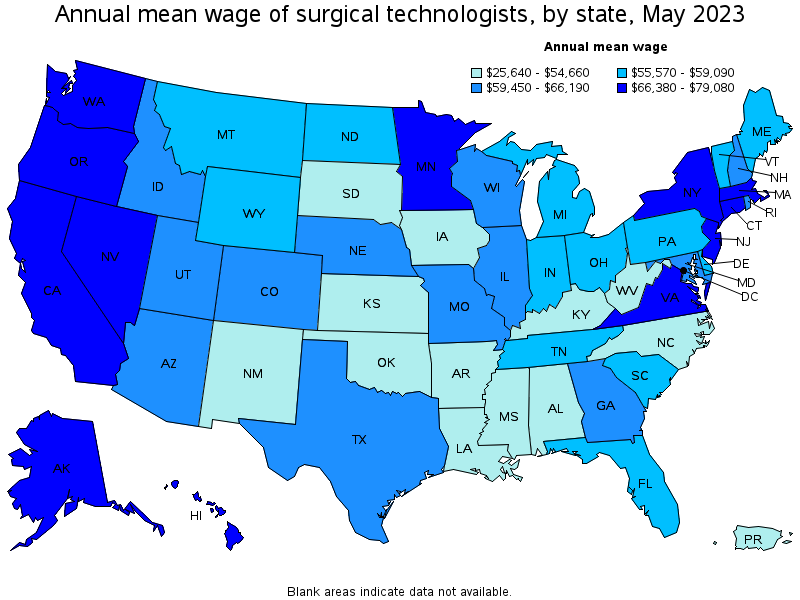
Average Surgical Tech Salaries in Texas
While specific figures can fluctuate based on the factors previously discussed, it is possible to provide an average salary range for surgical technologists in Texas. This average serves as a benchmark for understanding compensation trends within the state.
Salary Ranges and Averages
According to various industry reports and salary aggregators, the average annual salary for a surgical technologist in Texas typically falls within a broad range. Entry-level positions might start around $45,000 to $50,000 per year, while experienced professionals with specialized skills and certifications can earn upwards of $65,000 to $75,000 annually, and in some cases, even more. The median salary often hovers around the $55,000 to $60,000 mark. It’s important to note that these figures are averages and can be significantly influenced by the specific location within Texas and the type of healthcare facility. For example, a surgical technologist working in a high-demand specialty in Austin might find themselves at the upper end of this range or even exceeding it.
Hourly Wage Considerations
For many surgical technologists, compensation is also calculated on an hourly basis. This is particularly common in some healthcare settings or for per diem or contract positions. The hourly wage often reflects the annual salary, with adjustments for typical working hours. An average hourly rate for a surgical technologist in Texas might range from $22 to $35 per hour, with experienced professionals and those in specialized roles earning more. Understanding both annual and hourly rates is beneficial when evaluating job offers or comparing compensation across different opportunities. For instance, an hourly rate of $28 per hour for a 40-hour work week would equate to an annual salary of approximately $58,240.
Career Advancement and Salary Growth Opportunities
The career path for a surgical technologist in Texas is not static; there are numerous avenues for professional growth that can lead to increased earning potential and greater job satisfaction.
Moving into Supervisory or Leadership Roles
With experience and a proven track record, surgical technologists can advance into supervisory or leadership positions. Roles such as Surgical Services Supervisor, Operating Room Manager, or Lead Surgical Technologist involve greater responsibility, including staff supervision, scheduling, budget management, and quality control. These positions typically come with a significant salary increase compared to staff technologist roles, reflecting the added managerial duties and expertise required. These roles often necessitate strong communication, problem-solving, and leadership skills.
Specialization and Advanced Practice
Pursuing specialization in high-demand surgical fields can dramatically enhance a surgical technologist’s earning potential. This could involve focusing on areas like neurosurgery, orthopedic surgery, cardiothoracic surgery, or robotic-assisted procedures. Further education or specialized training in these areas makes them invaluable assets to surgical teams. In some cases, surgical technologists may pursue further education to become Physician Assistants or Nurse Practitioners, which represent substantial career and salary advancements within the broader healthcare field, though this involves a significant educational commitment.
Opportunities in Education and Industry
Experienced surgical technologists can also find rewarding career paths outside of direct patient care. Many become educators, teaching the next generation of surgical technologists in accredited programs across Texas. Others transition into the medical device industry, working as sales representatives, clinical specialists, or trainers for surgical equipment companies. These roles often offer competitive salaries, comprehensive benefits, and opportunities for travel. For example, a clinical specialist for a prominent medical device company might earn a higher salary than a staff technologist, coupled with performance-based bonuses and travel allowances.
Tips for Maximizing Surgical Tech Earnings in Texas
To ensure the best possible compensation as a surgical technologist in Texas, proactive career management and strategic decision-making are essential.
Effective Salary Negotiation
Negotiating salary effectively is a critical skill for any professional. Before accepting a job offer, research the average salary for similar positions in that specific geographic area and facility type. Be prepared to highlight your experience, certifications, and any unique skills or accomplishments that add value to the employer. Do not be afraid to ask for a salary that reflects your worth, and consider negotiating for benefits such as continuing education support, paid time off, or retirement contributions if the base salary is not entirely meeting expectations. Understanding your market value is the first step to successful negotiation.
Continuous Learning and Professional Development
Investing in continuous learning and professional development is paramount for sustained salary growth. This includes pursuing advanced certifications, attending workshops and conferences, and staying abreast of the latest surgical techniques and technologies. Employers often reward staff who demonstrate a commitment to professional growth and who bring new knowledge and skills to their teams. Consider pursuing certifications that are in high demand or that align with the specialties of the healthcare facilities where you are seeking employment. For instance, obtaining a certification in laparoscopic surgery could make you a more attractive candidate for hospitals performing a high volume of these procedures.

Strategic Job Selection and Networking
Choosing the right healthcare facility and actively networking within the surgical technology community can open doors to higher-paying opportunities. Seek out hospitals known for their excellent surgical departments, competitive compensation, and strong employee retention rates. Building relationships with colleagues, supervisors, and professionals in related fields can provide valuable insights into current job openings and salary trends. Attending industry events and joining professional organizations are excellent ways to expand your network and stay informed about career advancements and potential salary increases across Texas. A strong professional network can be instrumental in finding unadvertised positions or learning about internal promotion opportunities that come with higher pay.
LifeOutOfTheBox is a participant in the Amazon Services LLC Associates Program, an affiliate advertising program designed to provide a means for sites to earn advertising fees by advertising and linking to Amazon.com. Amazon, the Amazon logo, AmazonSupply, and the AmazonSupply logo are trademarks of Amazon.com, Inc. or its affiliates. As an Amazon Associate we earn affiliate commissions from qualifying purchases.