
Becoming a surrogate mother is a profound and selfless act, offering the incredible gift of parenthood to individuals and couples who cannot conceive on their own. For many women considering this journey, understanding the financial aspects, particularly compensation, is a crucial component of their decision-making process. Florida, known for its sunshine and diverse communities, is also a prominent state for surrogacy, attracting both intended parents and prospective surrogates due to its generally favorable legal landscape. This article delves into the financial intricacies of surrogacy compensation in Florida, exploring the factors that influence how much a surrogate can expect to earn and the broader lifestyle implications of this unique commitment.

Understanding Surrogacy Compensation in Florida
The compensation a surrogate receives is a comprehensive package designed to acknowledge her dedication, time, and the physical and emotional demands of carrying a pregnancy for someone else. It’s not merely a payment for services rendered, but rather an acknowledgment of her significant contribution and the sacrifices she makes.
The Role of a Surrogate in Florida
In Florida, the legal framework for surrogacy is well-established, primarily governed by Chapter 742 of the Florida Statutes, specifically concerning gestational surrogacy. A gestational surrogate carries a pregnancy created from the embryo of intended parents (or a donor) and has no genetic link to the child. This distinction is vital in Florida, as traditional surrogacy (where the surrogate is genetically related to the child) is not legally recognized under the same protective statutes, making gestational surrogacy the dominant and legally secure form. Surrogates in Florida must meet strict criteria, including being healthy, having already given birth to at least one child, and undergoing extensive medical and psychological screening. This ensures they are physically and emotionally prepared for the journey.
Components of a Compensation Package
A surrogate’s compensation package typically consists of several parts. The most significant is the base compensation, a lump sum paid in installments throughout the pregnancy. Beyond the base pay, a comprehensive package will include various allowances and reimbursements to cover all pregnancy-related expenses and potential inconveniences. This holistic approach ensures that surrogates are not financially burdened by their commitment and are appropriately compensated for their time and effort. It’s a structured financial arrangement that supports the surrogate’s lifestyle throughout the process.
Factors Influencing Surrogate Pay in Florida
While a general range for surrogate compensation exists, several factors can significantly influence the exact amount a surrogate receives in Florida. These elements reflect the unique circumstances of each surrogacy journey and the individual experience of the surrogate.
Experience and Location within Florida
One of the primary drivers of compensation is the surrogate’s experience level. A first-time surrogate in Florida can expect a certain base compensation, but an experienced surrogate, often referred to as an “experienced” or “journeyman” surrogate who has successfully completed a surrogacy journey before, typically commands a higher rate. This reflects the proven reliability and understanding of the process that an experienced surrogate brings.
Geographic location within Florida can also play a minor role, though it is often less significant than experience. Major metropolitan areas like Miami, Orlando, and Tampa might see slightly higher compensation averages compared to more rural parts of the state, primarily due to higher costs of living and demand in those areas. However, surrogacy is often facilitated by agencies that operate statewide, normalizing rates to some extent. Jacksonville, as a growing urban center, also sees active surrogacy arrangements.
Type of Surrogacy Arrangement
While gestational surrogacy is the standard in Florida, the specifics of the arrangement can affect compensation. For instance, some intended parents may offer slightly higher compensation if they require the surrogate to undergo more demanding medical protocols or if they are traveling from out of state or even internationally and seek a more comprehensive support system. The negotiation between intended parents and surrogates, often facilitated by agencies, takes these unique demands into account.
Agency Fees and Legal Costs
It’s crucial to distinguish between the surrogate’s compensation and the overall cost of surrogacy for intended parents. The surrogate’s compensation is just one part of a larger financial picture. Intended parents typically bear all associated costs, including agency fees (for matching, screening, and coordination), legal fees (for drafting and reviewing contracts), medical expenses (IVF procedures, prenatal care, delivery), and insurance. Surrogates, on the other hand, usually do not pay any fees to their agency or for their legal representation; these costs are covered by the intended parents. This arrangement ensures that financial barriers do not prevent eligible women from pursuing surrogacy, thereby making it an accessible lifestyle choice for many.
The Financial Landscape: Base Pay and Additional Benefits
Understanding the range of compensation components is essential for any woman considering surrogacy in Florida. The figures can vary, but there are typical ranges and common additional benefits that form the complete package.
Typical Base Compensation Ranges
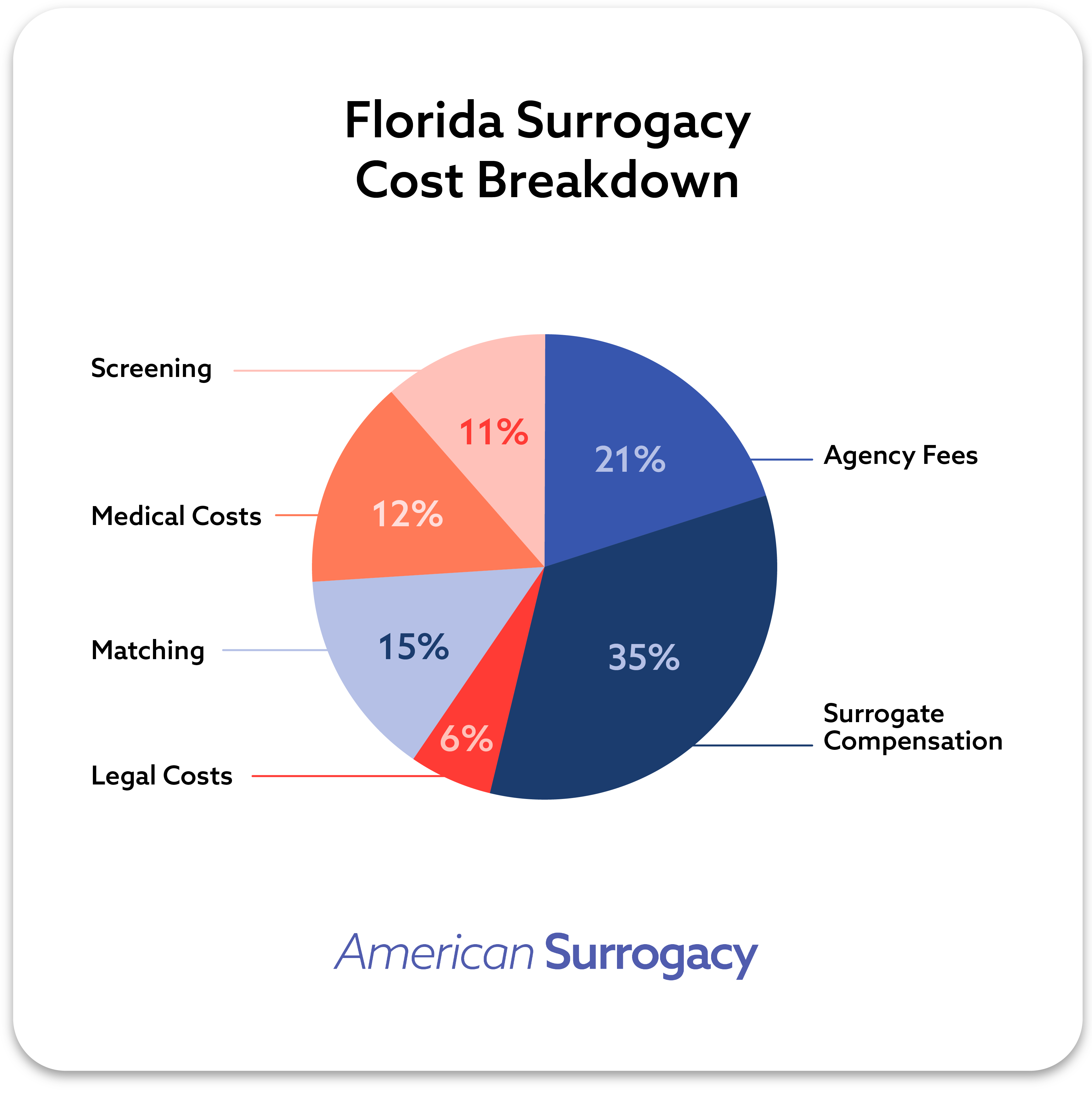
In Florida, a first-time gestational surrogate can generally expect to receive a base compensation ranging from $40,000 to $60,000. For experienced surrogates, this figure can increase significantly, often ranging from $50,000 to $75,000 or more, depending on their track record and the specific agency or arrangement. These figures represent the primary payment for the surrogate’s commitment and the physical process of pregnancy. This base compensation is typically disbursed in monthly installments once the pregnancy is confirmed and a heartbeat is detected, continuing until delivery.
Monthly Allowances and Reimbursements
Beyond the base pay, surrogates receive a variety of allowances and reimbursements designed to cover expenses and compensate for inconveniences directly related to the surrogacy journey. These can include:
- Monthly Expense Allowance: A fixed monthly amount (e.g., $200-$300) to cover miscellaneous expenses such as local travel to appointments, prenatal vitamins, and other small incidentals.
- Maternity Clothing Allowance: Typically around $750-$1,000, provided at a specific point in the pregnancy (e.g., end of the first trimester) to help cover the cost of maternity wear.
- Travel Expenses: If the surrogate needs to travel for medical appointments or embryo transfer (especially if the clinic is far from her home in Tallahassee or another city), travel, accommodation, and meal costs are covered.
- Childcare and Lost Wages: Compensation for lost wages due to medical appointments, bed rest, or delivery, as well as childcare costs for existing children during these times.
- Psychological Support: Coverage for counseling sessions during and after the pregnancy, if needed.
- Life Insurance Policy: Intended parents often provide a life insurance policy for the surrogate for the duration of the pregnancy.
- Invasive Procedure Fee: A separate fee for any invasive medical procedures required (e.g., amniocentesis).
These additional benefits ensure that the surrogate’s personal finances and lifestyle are not negatively impacted by her commitment to the surrogacy process.
Special Circumstances and Multiples
Certain situations can lead to increased compensation for a surrogate. For example:
- Carrying Multiples: If a surrogate carries twins, she typically receives an additional sum, often ranging from $5,000 to $10,000 or more, to compensate for the increased physical demands and higher risks associated with a multiple pregnancy.
- C-Section Fee: If a C-section becomes medically necessary, surrogates usually receive an additional fee (e.g., $2,500-$5,000) for the more complex delivery and longer recovery period.
- Fetal Reduction/Termination Fee: While rare and emotionally challenging, if a doctor recommends fetal reduction or termination for medical reasons, and the surrogate agrees, there is often a specified fee to compensate for this difficult decision and procedure.
These specific provisions are usually outlined in detail within the surrogacy contract, providing clarity and ensuring fair compensation for any unforeseen circumstances that may arise during the journey.
Navigating the Surrogacy Journey: Financial and Lifestyle Impact
The decision to become a surrogate extends far beyond the financial compensation; it’s a significant lifestyle choice that impacts a woman and her family on multiple levels. Understanding these broader implications is key to a fulfilling and successful surrogacy journey.
Budgeting and Financial Planning for Surrogates
For surrogates, the compensation received can represent a substantial financial boost, which can be life-changing. Many surrogates use these funds for various purposes that enhance their lifestyle or secure their future, such as:
- Paying off debt: Eliminating credit card debt, student loans, or other personal loans.
- Down payment on a home or car: Investing in major assets.
- Funding children’s education: Setting up college funds or paying for private school.
- Family vacations: Creating lasting memories with their own families.
- Personal savings or investments: Building a stronger financial foundation.
Responsible financial planning is encouraged, and surrogacy agencies often provide resources or guidance to help surrogates manage their compensation effectively. This empowers surrogates to make informed choices that positively impact their long-term financial stability and lifestyle.
The Lifestyle Impact of Surrogacy
While financial compensation is a practical benefit, the lifestyle impact of surrogacy is multifaceted. Surrogates often report immense personal satisfaction and a deep sense of purpose from helping others build families. This altruistic motivation is a powerful driver. However, the journey also requires significant time commitment for appointments, managing pregnancy symptoms, and adhering to medical advice, which can temporarily alter a surrogate’s daily routine and social life. Support systems, both from the agency and personal networks, are crucial for navigating these changes. The experience often fosters a unique bond with the intended parents, leading to lasting friendships and a shared sense of accomplishment.

Legal Framework and Ethical Considerations in Florida
Florida’s well-defined legal framework, particularly its Gestational Surrogacy Act, provides clarity and protection for all parties involved. The Act outlines requirements for valid surrogacy contracts, parental rights, and compensation structures. Ethical considerations are paramount in surrogacy, ensuring that the surrogate’s consent is fully informed and voluntary, and that she is not exploited. Agencies and legal professionals in Florida work diligently to uphold these ethical standards, emphasizing transparency, mutual respect, and the well-being of the surrogate and the child. This robust legal and ethical environment makes Florida an attractive and secure state for individuals considering the surrogacy journey, whether as intended parents or as a gestational surrogate making a profound lifestyle choice.
In conclusion, becoming a surrogate in Florida is a complex yet incredibly rewarding experience, offering significant financial compensation that acknowledges the extraordinary commitment involved. The compensation package, typically ranging from $40,000 to over $75,000 for experienced surrogates, combined with comprehensive allowances and reimbursements, provides substantial support. Beyond the monetary aspect, the journey impacts a surrogate’s lifestyle through personal fulfillment, financial empowerment, and the unique connection forged with intended parents, all within a robust legal and ethical framework designed to ensure a positive experience for everyone involved.
LifeOutOfTheBox is a participant in the Amazon Services LLC Associates Program, an affiliate advertising program designed to provide a means for sites to earn advertising fees by advertising and linking to Amazon.com. Amazon, the Amazon logo, AmazonSupply, and the AmazonSupply logo are trademarks of Amazon.com, Inc. or its affiliates. As an Amazon Associate we earn affiliate commissions from qualifying purchases.