
The remuneration of educators is a topic of perennial interest, particularly when considering the specific economic landscape of a state like Oklahoma. Understanding teacher salaries is not merely an academic exercise; it directly impacts the quality of education, the attractiveness of the teaching profession, and the broader economic well-being of communities. This exploration delves into the intricacies of teacher compensation in Oklahoma, examining average salaries, factors influencing pay, and the potential implications for the state’s educational future.
The Landscape of Teacher Salaries in Oklahoma
Teacher salaries in Oklahoma have been a subject of public discussion and policy debate for years. While comprehensive data paints a picture of the average earnings, it’s crucial to recognize that these figures represent a broad spectrum, with variations based on numerous influencing factors.

Average Salary Benchmarks
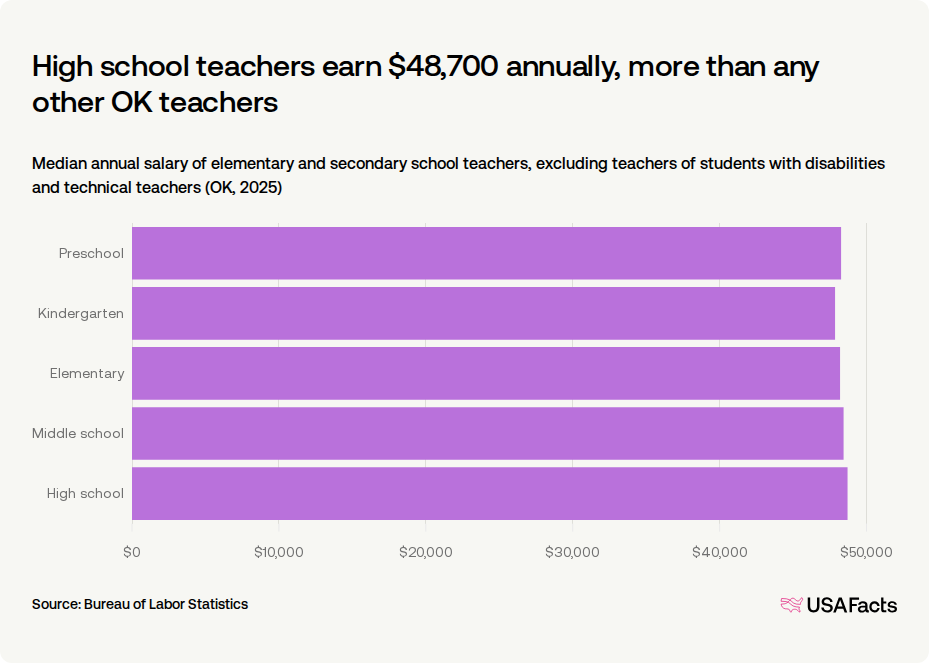
The average annual salary for teachers in Oklahoma generally falls within a range that has seen fluctuations over time. According to various reports and analyses, including those from educational organizations and state departments, the average can hover around the $50,000 to $60,000 mark. However, it is vital to consult the most current data available from reputable sources for the most accurate snapshot. These averages are often derived from a compilation of salaries across all grade levels, from elementary to high school, and encompass a wide array of districts, from large urban centers like Oklahoma City to smaller rural communities.
It’s important to distinguish between gross salary and take-home pay. The gross salary is the figure before any deductions for taxes, health insurance, retirement contributions, and other benefits. The actual amount a teacher receives in their bank account will be lower, a fact that is significant for budgeting and financial planning.
Starting Salaries vs. Experienced Educators
A common trend in compensation across many professions, including teaching, is the difference between starting salaries and the earnings of experienced professionals. In Oklahoma, new teachers typically begin at the lower end of the salary scale. This initial figure is often set by district salary schedules, which are meticulously crafted to provide a predictable career progression. As teachers gain more experience, earn advanced degrees, and take on additional responsibilities, their salaries are expected to increase. However, the pace and extent of these increases are heavily dependent on the specific policies of individual school districts and the overall funding available to the state’s education system.
Factors Influencing Teacher Pay
Several key variables contribute to the variations in teacher salaries observed across Oklahoma. Understanding these elements provides a more nuanced perspective on the compensation structure.
Experience and Longevity
One of the most significant determinants of a teacher’s salary is their years of service. School districts typically have a step-based salary schedule where compensation increases incrementally with each additional year of experience. This system is designed to reward loyalty and recognize the accumulated knowledge and skills that experienced educators bring to the classroom. A teacher in their first year will likely earn substantially less than a colleague who has been teaching for 20 or 30 years within the same district.
Education Level
The level of academic achievement also plays a crucial role in salary determination. Teachers who hold a bachelor’s degree will generally earn less than those who have pursued further education, such as a master’s degree or a doctorate. Many districts offer salary increments for teachers who complete advanced coursework or obtain additional certifications. This incentivizes professional development and encourages educators to deepen their expertise, which can directly benefit student learning.
Subject Area and Demand
In some instances, demand for teachers in specific subject areas can influence compensation. For example, subjects facing a shortage of qualified educators, such as certain STEM fields (Science, Technology, Engineering, and Mathematics) or special education, may see slightly higher starting salaries or signing bonuses to attract and retain talent. This market-driven approach aims to ensure that all students have access to qualified instructors, regardless of the subject matter.
School District Funding and Location
The financial health of individual school districts is a primary driver of salary levels. Districts with a larger tax base or those that receive more state and federal funding are often in a better position to offer competitive salaries and benefits. Consequently, teachers in wealthier or more populous districts may earn more than their counterparts in less affluent or rural areas. Geographic location can also play a role, with some urban areas potentially offering higher compensation to attract teachers to more competitive job markets.

Additional Duties and Roles
Beyond their core teaching responsibilities, many educators take on additional roles that may come with stipends or increased pay. These can include coaching sports teams, advising student clubs, serving as department heads, or participating in curriculum development committees. These extracurricular and administrative duties, while often demanding, provide opportunities for teachers to supplement their income and contribute to the broader school community.
The Impact of Teacher Salaries on Education in Oklahoma
The level of teacher compensation in Oklahoma has tangible and far-reaching consequences for the state’s educational system.
Attracting and Retaining Talent
Competitive salaries are essential for attracting bright, motivated individuals to the teaching profession and for retaining experienced educators. When salaries are perceived as insufficient, particularly when compared to other professions requiring similar levels of education and skill, it can lead to a shortage of qualified teachers. This shortage can result in larger class sizes, the hiring of less-qualified individuals, and a decline in the overall quality of instruction. Conversely, attractive compensation packages can make teaching a more viable and desirable career path, leading to a stronger, more stable teaching force.
Teacher Morale and Professionalism
Fair and equitable compensation is directly linked to teacher morale. When educators feel valued and adequately compensated for their hard work and dedication, their job satisfaction tends to be higher. This positive morale can translate into greater enthusiasm in the classroom, improved student engagement, and a stronger sense of commitment to the profession. A profession that is well-compensated is often viewed with greater respect and professionalism, which can further bolster the esteem in which teachers are held by the community.
Economic Implications for Oklahoma
The salaries paid to teachers represent a significant portion of the education budget in Oklahoma. Changes in teacher pay can have ripple effects throughout the state’s economy. Higher teacher salaries can boost local economies as educators have more disposable income to spend. Moreover, a strong education system, fueled by motivated and well-compensated teachers, is a critical factor in developing a skilled workforce, which is essential for long-term economic growth and prosperity in the state. Investment in teachers is, in essence, an investment in Oklahoma’s future.
Exploring Salary Trends and Future Outlook
Understanding the historical trends and the potential future trajectory of teacher salaries in Oklahoma is crucial for policy-makers, educators, and the public alike.
Historical Salary Data and Comparisons
Examining historical salary data reveals patterns of growth or stagnation in teacher pay relative to inflation and the salaries of other professions. For many years, Oklahoma has been among the states with lower average teacher salaries. However, there have been periods of increased legislative focus and funding allocations aimed at improving compensation. Comparing Oklahoma’s teacher salaries to the national average and to neighboring states provides context for the current situation and highlights areas where improvements may be most needed.
Legislative Efforts and Funding Initiatives
The issue of teacher pay in Oklahoma has frequently been at the forefront of legislative agendas. Various bills and initiatives have been introduced and debated, with the goal of increasing teacher salaries and improving benefits. These efforts often involve discussions about state budgets, tax revenues, and the allocation of funds towards education. The success of these initiatives can significantly impact the average salaries and the overall financial well-being of educators in the state. For instance, legislative actions can directly lead to across-the-board salary increases or targeted raises for specific groups of teachers.
The Role of Teacher Unions and Advocacy Groups
Teacher unions and advocacy organizations play a vital role in representing the interests of educators and pushing for better compensation. These groups engage in lobbying efforts, public awareness campaigns, and collective bargaining to advocate for improved salary structures, benefits, and working conditions. Their persistent efforts are instrumental in keeping the conversation about teacher pay alive and in influencing policy decisions at both the state and local levels.
The Future of Teacher Compensation in Oklahoma
The future of teacher compensation in Oklahoma will likely depend on a combination of economic factors, political will, and sustained public support for education. Continued dialogue about the importance of investing in educators, coupled with proactive policy-making and robust funding, will be key to ensuring that Oklahoma can attract and retain the high-quality teachers necessary to provide an excellent education for all its students. As the state continues to evolve, so too must its commitment to valuing and rewarding those who shape the minds of its future generations.
LifeOutOfTheBox is a participant in the Amazon Services LLC Associates Program, an affiliate advertising program designed to provide a means for sites to earn advertising fees by advertising and linking to Amazon.com. Amazon, the Amazon logo, AmazonSupply, and the AmazonSupply logo are trademarks of Amazon.com, Inc. or its affiliates. As an Amazon Associate we earn affiliate commissions from qualifying purchases.