
The vibrant landscapes of Arizona, from the scorching deserts to the cool pine forests, attract millions of visitors each year, drawn by its unique blend of natural beauty, rich history, and burgeoning urban centers. Yet, beyond the allure of its famous landmarks and exciting travel opportunities, lies a crucial element of the state’s foundation: its education system. At the heart of this system are the dedicated teachers, whose passion shapes future generations. Understanding how much these educators earn in Arizona is not just a matter of numbers; it’s an insight into the state’s commitment to education, the financial realities faced by its professionals, and the implications for their lifestyle, including their ability to explore the very attractions that define the Grand Canyon State. This comprehensive guide delves into the specifics of teacher salaries in Arizona, examining the various factors that influence pay, comparing it to national averages, and exploring the broader economic and lifestyle implications for these vital members of the community.
Understanding Teacher Salaries in Arizona: A Comprehensive Overview
The compensation of educators in Arizona is a topic of significant discussion, reflecting the state’s efforts to balance fiscal responsibility with the need to attract and retain high-quality teaching talent. While the picturesque scenery and pleasant climate often come to mind when considering life in Arizona, the economic realities for its teachers are a critical component of the overall picture.
The Current Landscape of Educator Compensation in the Grand Canyon State
At a glance, teacher salaries in Arizona often appear to lag behind the national average, a situation that has prompted various legislative efforts and community initiatives aimed at improvement. This disparity is a key factor influencing teacher retention and recruitment, and it inevitably shapes the lifestyle choices available to educators, from their housing options to their travel aspirations.
Average Salaries: Numbers and Context
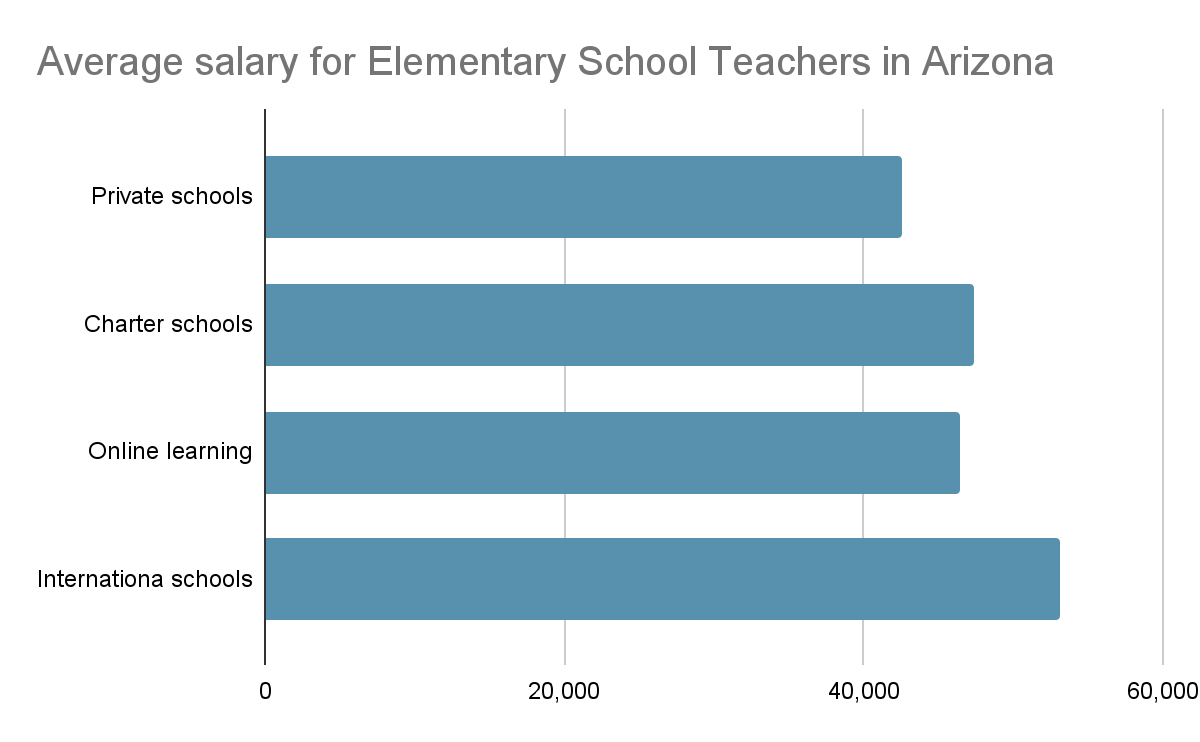
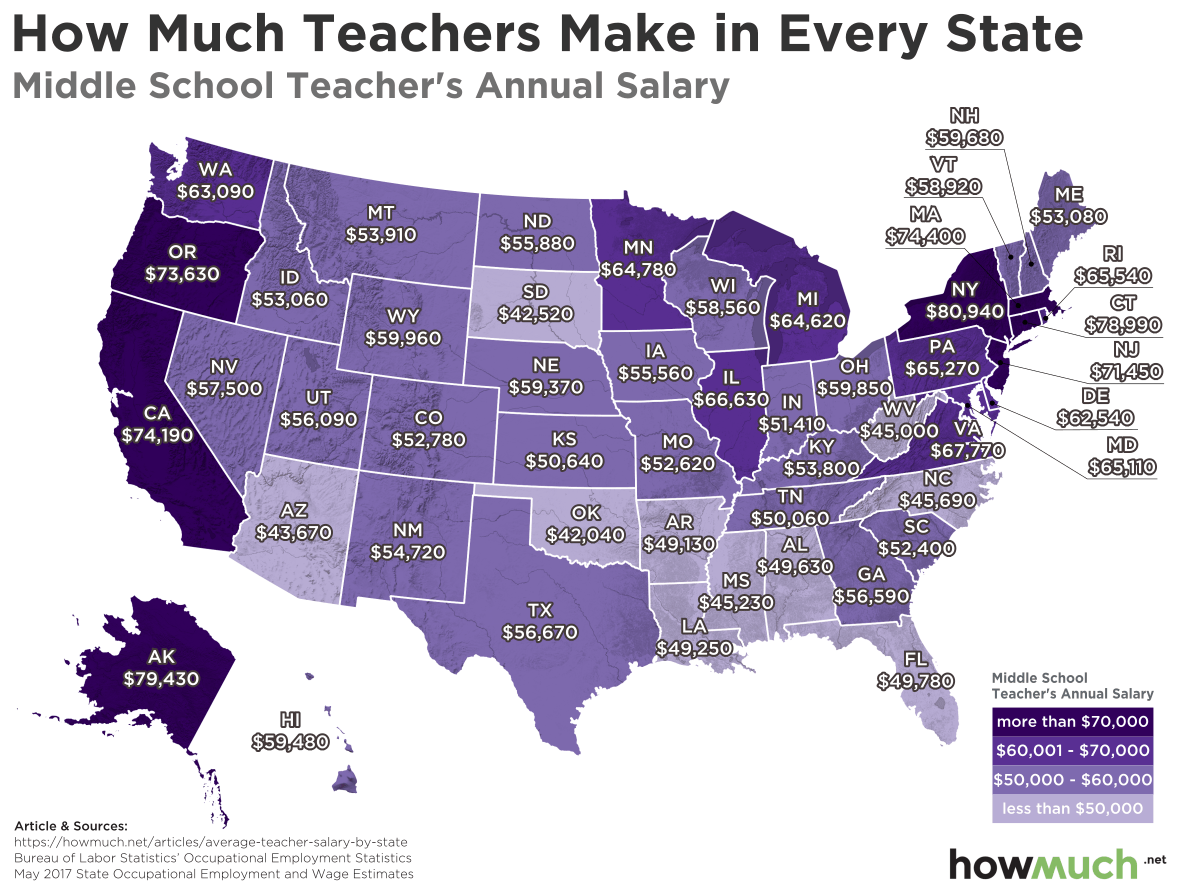
The average salary for a public school teacher in Arizona can fluctuate based on a multitude of factors, but generally hovers in a range that has historically been lower than many other states in the United States. For instance, recent data often places the average salary for public school teachers in Arizona somewhere in the range of $50,000 to $55,000 annually. This figure can be contrasted with the national average, which typically sits significantly higher, often exceeding $60,000 or even approaching $70,000 in some reports.
It’s crucial to understand that these are averages. A first-year teacher fresh out of college in a smaller, rural district might start closer to the $40,000 mark, while a veteran educator with a master’s degree and decades of experience in a well-funded metropolitan district could earn closer to $70,000 or even more. These figures, while seemingly substantial, must be viewed through the lens of the state’s cost of living, which varies dramatically across its diverse regions.
Factors Influencing Teacher Pay: Experience, Education, and Beyond
Several critical elements contribute to the wide range of teacher salaries observed across Arizona:
- Experience: This is perhaps the most straightforward factor. As teachers accumulate years of service, they typically move up salary schedules, earning incrementally more with each passing year. A teacher with 20 years of experience will almost invariably earn more than one with five years, assuming all other factors are equal within the same district.
- Education Level: Teachers holding advanced degrees, such as a Master’s or Doctorate, generally command higher salaries than those with only a Bachelor’s degree. Districts often provide specific stipends or higher pay scale placements for additional academic qualifications, recognizing the enhanced expertise and specialized knowledge these degrees bring to the classroom.
- School District: The most significant variable in teacher compensation in Arizona is often the specific school district. Wealthier districts, or those in areas with a higher tax base, typically have more resources to offer competitive salaries and benefits packages. Conversely, rural districts or those in economically challenged areas may struggle to match these figures, leading to considerable pay gaps even within the same state.
- Location: While tied to the district, the geographical location plays a direct role. Teachers in major metropolitan areas like Phoenix or Tucson often face a higher cost of living but may also find districts that offer relatively better compensation. In contrast, teachers in smaller towns like Yuma or Prescott might contend with different economic realities.
- Subject Taught: Certain high-demand subjects, particularly in STEM fields (Science, Technology, Engineering, Mathematics), or special education, can sometimes attract higher salaries or stipends due to teacher shortages in these areas.
- Additional Responsibilities: Beyond their classroom duties, teachers who take on extra roles, such as coaching sports, leading extracurricular clubs, or serving as department heads, often receive additional stipends, which can boost their overall annual income.
Arizona’s Cost of Living and Its Impact on Teacher Lifestyles
The raw salary figures tell only half the story. To truly understand the financial well-being of Arizona teachers, one must consider the cost of living within the state. Arizona is a state of diverse economies and living expenses, from the bustling urban centers to the serene desert towns.
Housing, Utilities, and Daily Expenses
Housing costs are arguably the most significant determinant of disposable income. In popular areas like Phoenix, Scottsdale, Mesa, Chandler, Gilbert, or Tempe, housing prices, whether for rent or purchase, can be substantial. Even in more moderately priced cities like Tucson or Flagstaff, where the beauty of nature is abundant, housing can still command a significant portion of a teacher’s salary. Utilities, especially air conditioning during the intense summer months, also add a notable expense. Groceries, transportation, and other daily necessities, while generally comparable to national averages, can still strain a budget that is already stretched thin by housing costs.
For teachers contemplating a move to Arizona or those already residing there, the balance between salary and cost of living is a constant consideration. A teacher earning $50,000 in a low-cost rural community might have more financial breathing room than one earning $60,000 in an expensive Phoenix suburb.
Balancing Budgets: Teachers and Travel Aspirations
The impact of teacher salaries on lifestyle extends directly to discretionary spending, particularly for travel and leisure. For many, the opportunity to explore the world, whether through international adventures or domestic excursions within the magnificent Southwest, is a cherished aspiration. However, for Arizona teachers, lower-than-average salaries can make such aspirations challenging.
Saving for a trip to the Grand Canyon National Park, a weekend getaway to Sedona, or a longer vacation to explore historical sites and natural wonders across the United States often requires meticulous budgeting and sacrifices in other areas. The ability to book comfortable hotel suites, explore diverse culinary experiences, or embark on adventure tourism can be limited by financial constraints. Teachers may find themselves opting for budget travel, seeking out deals on accommodation, or prioritizing local attractions that are less costly to visit. This reality underscores the broader discussion around teacher compensation: it’s not just about attracting talent, but also about enabling them to lead fulfilling lives that include enriching experiences beyond the classroom walls.
Diving Deeper: District Variations and Policy Initiatives
The landscape of teacher salaries in Arizona is not monolithic; it’s a patchwork of diverse compensation strategies influenced by local economies, community priorities, and state-level policy decisions. Understanding these variations is key to comprehending the full picture of educator pay in the state.
Salary Disparities Across Arizona’s School Districts
The difference in teacher salaries from one district to another within Arizona can be substantial, often creating a competitive environment for educators and significant challenges for districts with limited resources.
Urban vs. Rural Districts: A Tale of Two Payscales
Generally, school districts located in Arizona’s major metropolitan areas tend to offer higher salaries compared to their rural counterparts. Cities like Phoenix, Tucson, and their surrounding suburbs (Mesa, Chandler, Gilbert, Glendale, Peoria, Tempe, Scottsdale) often benefit from larger tax bases, more diverse local economies, and sometimes, a greater willingness from residents to approve school funding measures. These districts can therefore offer more competitive starting salaries and higher earning potential over a teacher’s career.
Conversely, rural districts, which are scattered throughout the vast expanse of Arizona, often face greater financial constraints. Smaller populations, fewer businesses, and lower property values can result in less revenue for schools. This often translates to lower teacher salaries, making it difficult for these districts to attract and retain experienced educators. The challenge is particularly acute in remote areas, where teachers might also contend with limited housing options, fewer amenities, and longer commutes to essential services or major attractions like Monument Valley or Petrified Forest National Park.

Specific Districts: Examples and Their Compensation Strategies
While naming every district is impractical, it’s illustrative to consider the general patterns. Larger districts in the Phoenix metropolitan area, such as Mesa Public Schools or Chandler Unified School District, might have starting salaries several thousand dollars higher than a district in, say, southeastern Arizona or along the Colorado River near Yuma. Some districts have also implemented innovative compensation models, such as performance-based pay or incentives for teaching in high-needs schools or subjects, to better attract and retain talent. However, the foundational disparity often remains tied to the district’s overall financial health and the local economy.
State and Local Efforts to Boost Teacher Pay and Retention
Recognizing the challenges posed by relatively low teacher salaries and their impact on recruitment and retention, Arizona has seen various initiatives aimed at improving educator compensation.
Prop 208 and Other Funding Initiatives
One of the most significant recent efforts was Proposition 208, a ballot initiative passed by voters in 2020. This measure aimed to increase funding for public education by imposing a surcharge on high-income earners. The intent was to inject hundreds of millions of dollars annually into schools, with a substantial portion earmarked for teacher salaries. While its implementation faced legal challenges, it represented a clear public mandate for better teacher pay.
Beyond Prop 208, the state legislature has also undertaken efforts to increase base teacher salaries and provide additional funding for schools. These initiatives often involve navigating complex budget negotiations and political landscapes, but the underlying goal remains consistent: to make teaching in Arizona a more financially attractive and sustainable career. Local districts, too, often pursue bond measures or overrides to supplement state funding and provide better pay for their educators.
Addressing the Teacher Shortage: Beyond Just Salary
While salary is a critical component, addressing Arizona’s persistent teacher shortage requires a multi-faceted approach. Beyond direct pay raises, efforts include:
- Improved Benefits: Enhancing health insurance, retirement plans, and other non-salary benefits can make teaching positions more appealing.
- Professional Development: Investing in ongoing training, mentorship programs, and opportunities for career advancement helps teachers feel valued and supported.
- Reduced Workload/Improved Working Conditions: Addressing issues like large class sizes, excessive administrative tasks, and lack of resources can significantly improve job satisfaction and reduce burnout.
- Affordable Housing Programs: In some areas, creative solutions like providing subsidized teacher housing or connecting educators with affordable housing options are being explored to mitigate the high cost of living.
- Public Perception and Respect: Elevating the teaching profession in public discourse and demonstrating greater respect for educators’ expertise and dedication can also play a role in retention.
These broader initiatives collectively aim to create an environment where teachers not only earn a living wage but also thrive professionally and personally, allowing them to fully engage with their communities and even enjoy the unique travel and lifestyle opportunities that Arizona offers, from its bustling cities to the tranquil beauty of Saguaro National Park.
The Broader Economic Impact: Attracting and Retaining Talent
The discussion around teacher salaries in Arizona extends far beyond individual paychecks; it touches upon the economic vitality of the state, the quality of its future workforce, and its overall attractiveness as a place to live and visit. A well-compensated teaching force is a cornerstone of a thriving society, impacting everything from local tourism to long-term economic development.
The True Value of Arizona’s Educators: Beyond the Paycheck
While the monetary salary is a primary concern, the total compensation package for Arizona teachers includes various non-monetary benefits that add significant value, helping to bridge some of the gaps found in direct pay comparisons.
Benefits, Perks, and Professional Development
Most public school teachers in Arizona receive a comprehensive benefits package, which can include health insurance, dental and vision coverage, and participation in the Arizona State Retirement System. These benefits represent a substantial financial contribution that would otherwise come out of a teacher’s take-home pay. Health insurance, in particular, is a crucial benefit given rising medical costs. Retirement plans provide long-term financial security, which is essential for attracting individuals to a career path.
Beyond these tangible benefits, many districts invest in professional development opportunities, allowing teachers to attend conferences, participate in workshops, and pursue advanced certifications. These perks not only enhance a teacher’s skills and career prospects but also contribute to a sense of professional growth and support. Some districts also offer tuition reimbursement programs, helping teachers fund advanced degrees or specialized training. While these don’t directly add to a monthly salary, they are invaluable assets that contribute to a teacher’s overall financial and professional well-being, making the career more sustainable and rewarding.
The Ripple Effect: Teacher Compensation and Economic Vibrancy
The compensation of teachers has a profound ripple effect on Arizona’s economy and social fabric. When teachers are adequately paid, they are more likely to remain in the profession, reducing turnover and ensuring consistency and quality in education. This stability leads to better educational outcomes for students, who in turn become a more skilled and educated workforce.
A strong education system is a major draw for families and businesses considering relocating to Arizona. Companies looking to establish operations often factor in the quality of local schools, understanding that it impacts their employees’ families and the availability of future talent. Therefore, investing in teacher salaries is, in essence, an investment in the state’s economic development, competitiveness, and ability to attract new residents and industries. Furthermore, when teachers have more disposable income, they contribute more to the local economy through consumer spending on goods, services, and local tourism, from patronizing local restaurants to enjoying weekend trips to state parks or cultural attractions. This creates a virtuous cycle where higher salaries contribute to a more vibrant local economy.
Charting a Course for the Future: Investing in Arizona’s Teachers
The ongoing dialogue around teacher salaries in Arizona is a testament to the recognition that the state’s future is inextricably linked to the well-being and effectiveness of its educators. As Arizona continues to grow and evolve as a popular destination for both residents and tourists in North America, ensuring its teachers are fairly compensated remains a top priority.
Advocacy, Policy Changes, and Community Support
The call for improved teacher compensation in Arizona has been championed by various advocacy groups, teacher unions, parent organizations, and community leaders. These groups continue to push for policy changes that prioritize education funding, leading to legislative efforts to increase state aid to schools and implement more sustainable funding models. The public outcry and teacher walkouts of recent years brought significant attention to the issue, underscoring the widespread belief that educators deserve better. Continued community support for school funding initiatives, through ballot measures and active participation in local school board decisions, will be crucial for sustained progress.
Envisioning a Sustainable and Rewarding Teaching Career in Arizona
Ultimately, the goal is to create an environment where teaching in Arizona is not just a job, but a sustainable and rewarding career path. This means not only competitive salaries that allow teachers to afford the state’s cost of living, but also comprehensive benefits, opportunities for professional growth, and a supportive working environment. When teachers feel valued and secure, they can dedicate their full energy and passion to their students, fostering an educated populace that contributes to Arizona’s long-term prosperity. It means they can comfortably plan family trips to explore the wonders of the Grand Canyon, stay at charming Sedona resorts, or simply enjoy the vibrant lifestyle of Phoenix without constant financial strain. Investing in teachers is an investment in the future of Arizona—its economy, its communities, and its generations to come.