California, the Golden State, is a land of dreams, innovation, and unparalleled natural beauty, drawing visitors from across the globe to its sun-drenched beaches, majestic mountains, and vibrant cities. For those who call California home, particularly its dedicated educators, the allure of exploring its diverse landscapes and experiencing its rich cultural tapestry is undeniable. However, the reality of living in one of the most expensive states in the United States often prompts a crucial question: how does a teacher’s salary in California balance with the desire to travel, enjoy premium accommodations, and fully immerse oneself in the state’s abundant tourism offerings? This article delves into the financial landscape for teachers in California, examining how their earnings shape their ability to embrace the world of travel and leisure that our platform celebrates.
Understanding the compensation for teachers in California is the first step in appreciating their lifestyle choices, from the boutique hotels of Napa Valley to the luxury resorts of Orange County, or perhaps more modest stays in charming vacation rentals closer to home. It’s a delicate balance between a passion for education and the practicalities of financing a life that includes meaningful travel experiences.
Understanding the Golden State’s Educators’ Paychecks
The financial journey for a teacher in California is multifaceted, influenced by a range of factors that extend beyond just their base salary. While the state consistently ranks among the top employers for educators in the nation, the compensation structure needs to be viewed through the lens of California’s exceptionally high cost of living.
Starting Salaries vs. Experienced Educators
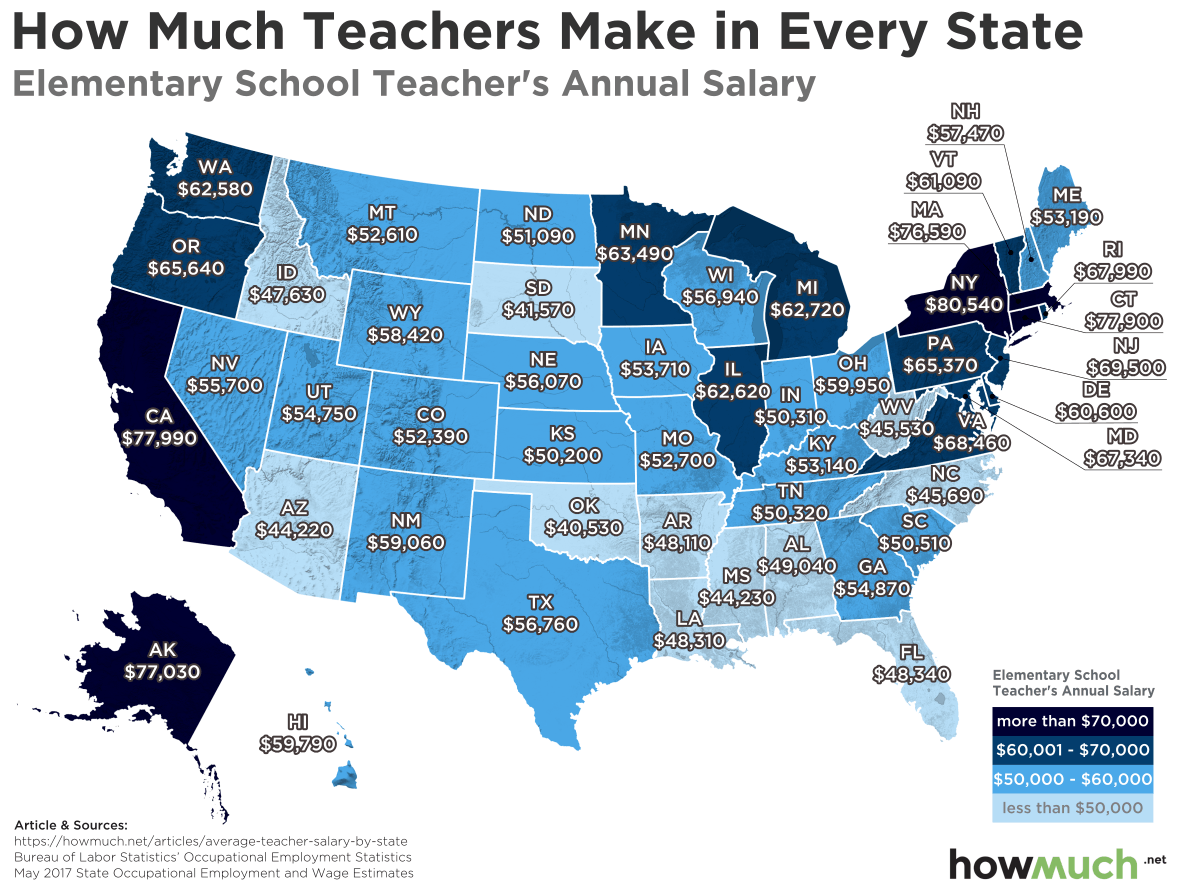
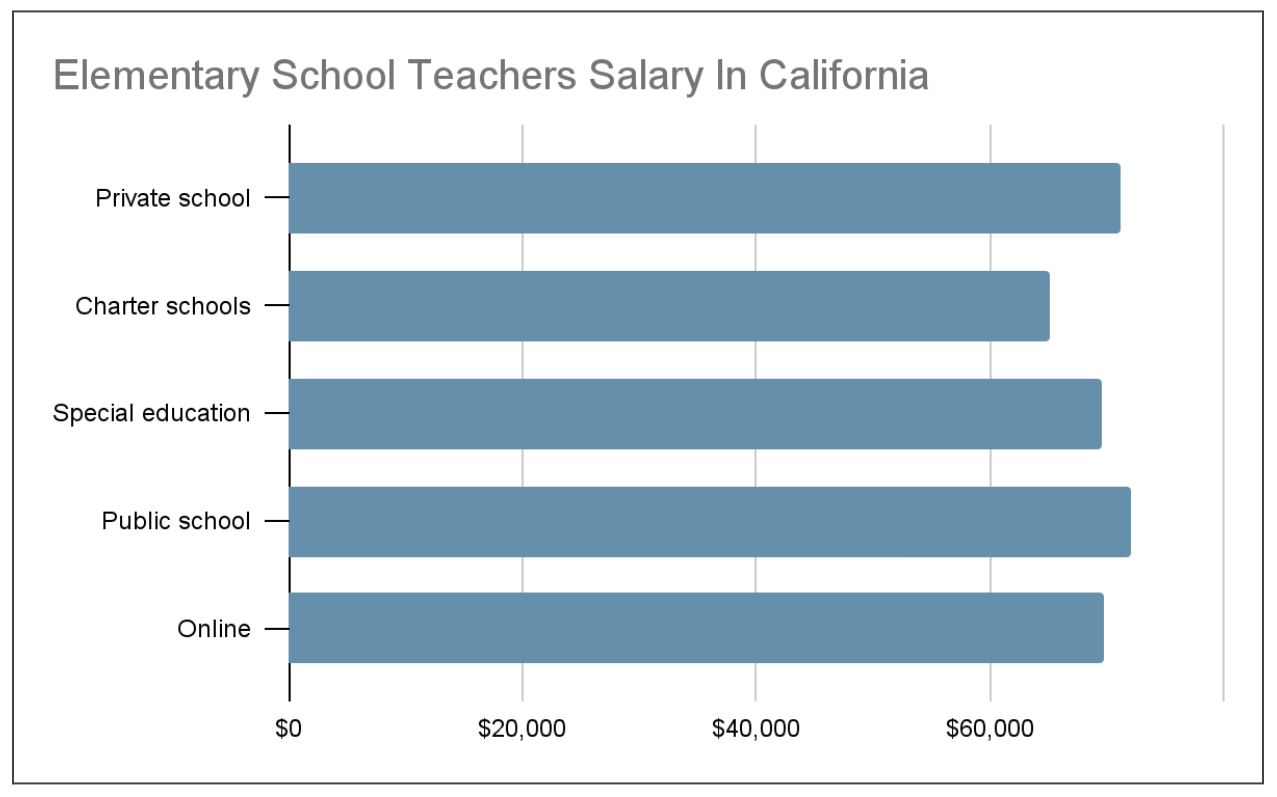
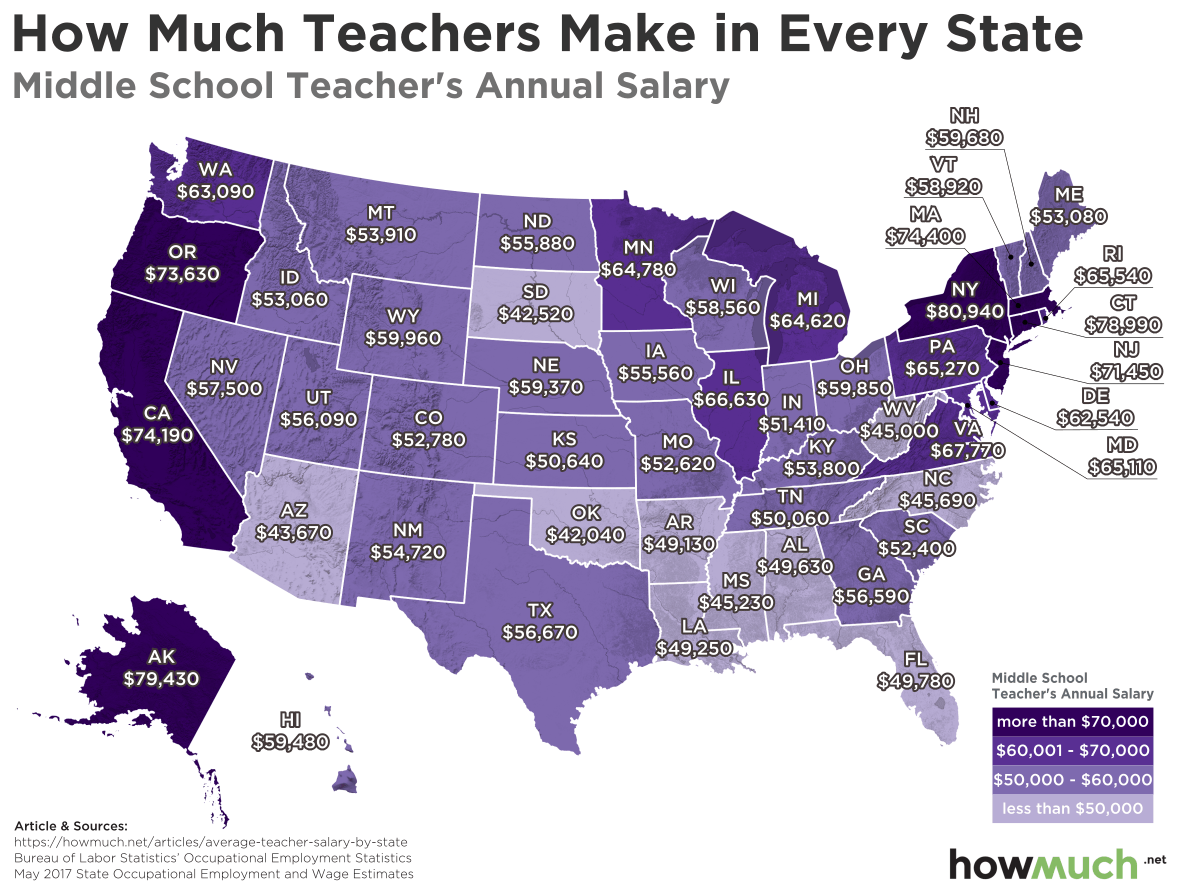
Entry-level teachers in California typically begin with salaries that can range significantly depending on the school district, the teacher’s educational attainment (bachelor’s vs. master’s degree), and credentialing. For instance, a first-year teacher with a bachelor’s degree might start in the $50,000 to $60,000 range in many districts. This figure, while seemingly robust in some parts of the country, quickly diminishes when confronted with California’s housing market and everyday expenses.
As teachers gain experience and pursue advanced degrees or specialized certifications, their salaries naturally increase. An experienced teacher, perhaps with 10-15 years under their belt and a master’s degree, could earn anywhere from $75,000 to over $100,000 annually, particularly in higher-paying districts. Veteran educators, nearing retirement, can sometimes exceed $120,000 to $130,000, especially in affluent areas or districts with strong union representation and robust salary schedules. These higher echelons of pay offer greater flexibility for lifestyle choices, including the possibility of enjoying a staycation at a San Francisco luxury hotel or planning an international trip.
Impact of Location and District Funding
Perhaps the most significant differentiator in teacher salaries across California is geographical location. Districts in major metropolitan areas with a high cost of living, such as the Bay Area (e.g., San Jose, Oakland) or Southern California (e.g., Los Angeles Unified School District, San Diego Unified School District), often offer higher base salaries and better benefits to attract and retain talent in competitive housing markets. For example, a teacher in a Silicon Valley district might earn $10,000-$20,000 more than a teacher with similar experience in a more rural or lower-income area like the Central Valley.
District funding, which can come from state allocations, local property taxes, and grants, also plays a critical role. Wealthier communities with higher property values tend to have better-funded schools, which often translates to more competitive teacher salaries and resources. This disparity highlights why a teacher in Beverly Hills might have a different financial outlook than one in a less affluent community, directly impacting their ability to explore destination travel or opt for upscale hotel experiences.
The Cost of Living in California: A Traveler’s Perspective
While teacher salaries in California might appear competitive on paper, the true measure of their purchasing power, especially for discretionary spending like travel and tourism, lies in confronting the state’s notoriously high cost of living. This is where the dreams of visiting Disneyland or staying at a Ritz-Carlton resort often collide with everyday financial realities.
Housing Headaches and Travel Dreams
Housing is, without a doubt, the single largest expenditure for most Californians, and teachers are no exception. The median home price in many parts of California far exceeds the national average, with cities like San Francisco, San Jose, and Los Angeles consistently ranking among the most expensive housing markets in the world. Rent for a modest apartment can easily consume 40-50% of a teacher’s gross income, leaving a significantly smaller portion for savings, leisure, and travel.
This high housing cost often means that teachers must prioritize stability over luxury. Instead of planning an extravagant European vacation or a stay at an exclusive Four Seasons Hotel, they might focus on weekend trips to local attractions like Yosemite National Park or a budget-friendly camping trip along the Pacific Coast Highway. The dream of owning a home, especially for younger teachers, often means delaying or significantly scaling back travel aspirations for years.
Everyday Expenses vs. Vacation Funds
Beyond housing, the cost of groceries, utilities, transportation, and childcare in California also exceeds national averages. A typical family grocery bill, dining out, or filling a gas tank can quickly eat into the discretionary income that might otherwise fund a trip to Lake Tahoe or a weekend getaway to Palm Springs. For a teacher supporting a family, these everyday expenditures can make saving for a substantial vacation a considerable challenge.
This economic reality encourages teachers to become savvy budget travelers. They might seek out free attractions, pack their own meals for day trips, or utilize public transportation in cities like San Diego or Sacramento rather than relying on rental cars. The emphasis shifts from opulent experiences to value-driven exploration, appreciating local culture and natural beauty without breaking the bank.
Balancing Work and Wanderlust: Travel Opportunities for California Teachers
Despite the financial hurdles, California teachers are resourceful and passionate individuals who often find creative ways to integrate travel and exploration into their lives. The long summer breaks, a hallmark of the teaching profession, offer unique windows of opportunity for extended trips, both within and beyond the Golden State.
Smart Budgeting for Getaways
Many teachers meticulously plan their finances, allocating specific portions of their income to a “travel fund.” This might involve utilizing budgeting apps, cutting back on non-essential daily expenses, or even picking up summer jobs or side hustles. Some teachers leverage their educational background to find summer employment as tour guides, camp counselors, or instructors in different locales, allowing them to earn money while experiencing new environments.
They often seek out deals on flights and accommodations, booking well in advance or taking advantage of off-season rates. Instead of high-end resorts, they might opt for Airbnb rentals, budget hotels, hostels, or even house-sitting opportunities to reduce lodging costs. Loyalty programs for airlines and hotels become valuable tools for accumulating points for discounted or free travel.
Exploring California’s Own Backyard
One of the greatest advantages for California teachers is the sheer diversity of attractions available within their own state. California itself is a premier travel destination, offering everything from the iconic Hollywood landmarks in Los Angeles to the majestic redwoods of Northern California. Teachers often become experts at discovering local gems, enjoying weekend excursions to nearby national and state parks like Joshua Tree or Big Sur, or taking short road trips to charming coastal towns such as Santa Barbara or Monterey.
These “staycations” or regional trips allow them to experience world-class tourism without the added expense of flights or extensive long-distance travel. They might visit Alcatraz Island in San Francisco, explore the historical missions, or spend a day at a California theme park.
Summer Sabbaticals and Extended Trips
The substantial summer break, typically 8-10 weeks long, is a golden opportunity for teachers to embark on more ambitious travel. While some use this time to supplement their income, others plan extensive road trips across the United States or even international adventures. For those who save diligently throughout the school year, this period allows for deeper cultural immersion, perhaps backpacking through Southeast Asia or exploring historical sites in Europe. Some veteran teachers might even qualify for sabbatical leaves, offering paid time off for professional development that can be combined with travel.
Accommodation Choices: From Luxury Resorts to Budget-Friendly Stays
The income of a California teacher directly influences their accommodation choices, shifting their perspective from aspirational stays to practical yet enjoyable options.
Strategic Stays: From Boutique Hotels to Vacation Rentals
For teachers with higher seniority and better salaries, a special occasion might warrant a stay at a boutique hotel in Healdsburg or a luxury resort in Laguna Beach. However, for most, strategic choices are key. This often means opting for mid-range hotels with good value, such as those found through online travel agencies, or exploring vacation rental platforms like Airbnb or VRBO. These platforms can offer more space, kitchen facilities for self-catering (saving on dining out), and a local experience, which appeals to many educators.
Staying slightly outside major tourist hubs can also significantly reduce accommodation costs. For example, a teacher visiting Los Angeles might choose to stay in a comfortable hotel in Burbank or Pasadena rather than paying premium rates in Santa Monica or Hollywood, relying on public transport or a short drive to reach attractions.
The Allure of Staycations and Glamping
Given the stunning natural beauty and diverse recreational opportunities within California, “staycations” and outdoor adventures are incredibly popular and budget-friendly options. Teachers can utilize their long weekends and summer breaks to explore the state’s numerous campgrounds, from basic tent sites in national forests to more comfortable “glamping” experiences with furnished tents or cabins. Places like Big Basin Redwoods State Park or the Eastern Sierra offer breathtaking scenery without the expense of a five-star hotel.
Many also enjoy exploring local attractions and day trips, returning to their own homes in the evening. This approach allows them to save significantly on accommodation while still enjoying the tourism offerings of their immediate region, whether it’s visiting a local museum, exploring a nearby beach, or hiking a scenic trail.
Lifestyle and Leisure: Making the Most of California’s Tourism
The lifestyle of a California teacher, especially concerning leisure and tourism, is often characterized by thoughtful planning and an appreciation for experiences that offer both value and enrichment.
Experiencing Local Culture on a Teacher’s Budget
Teachers are often keen observers of local culture and history, naturally drawn to educational and enriching experiences. Their budgets might lead them to explore free or low-cost cultural activities such as visiting public art installations, attending free community festivals, exploring farmers’ markets in San Luis Obispo, or hiking in regional parks. Many museums in cities like San Francisco and Los Angeles offer free admission days or educator discounts, making world-class exhibits accessible.
Food tourism, a popular aspect of travel, can also be enjoyed on a teacher’s budget by exploring diverse ethnic eateries, food trucks, and local delis rather than exclusive fine dining establishments. This approach not only saves money but also often leads to more authentic and memorable culinary experiences.
The Value of Educational Travel
For many teachers, travel is not just about relaxation but also about expanding their own knowledge and bringing new perspectives back to the classroom. Educational travel, whether it’s visiting historical landmarks in Sacramento, exploring the ecosystems of Channel Islands National Park, or delving into the art scene in Palm Springs, holds immense value. They often seek out experiences that align with their curriculum, transforming personal trips into professional development opportunities. Some even participate in teacher exchange programs or professional development workshops abroad, which combine travel with career growth.
In conclusion, while the question “How Much Do Teachers Make In California?” reveals a salary range that, on its own, seems respectable, the answer is incomplete without considering the state’s formidable cost of living. California teachers navigate a challenging financial landscape, but their passion for education is often matched by an ingenuity for experiencing the world. Through smart budgeting, prioritizing local adventures, leveraging their summer breaks, and seeking out value-driven accommodations and cultural experiences, they continue to embrace the spirit of travel and tourism, proving that a life of exploration is achievable, even in the Golden State, with careful planning and a resourceful mindset.