
For many, the dream of living in Hawaii is a lifelong ambition. The allure of the Pacific Ocean, the vibrant local culture, and the year-round tropical climate make it one of the most desirable locations in the United States. However, for professionals like educators, the decision to move to the islands involves more than just a love for the beach; it requires a deep dive into the financial realities of the local economy. Understanding the compensation for educators is essential for anyone considering a lifestyle transition to the islands, as the balance between professional earnings and the high cost of living defines the daily experience of those who call this paradise home.
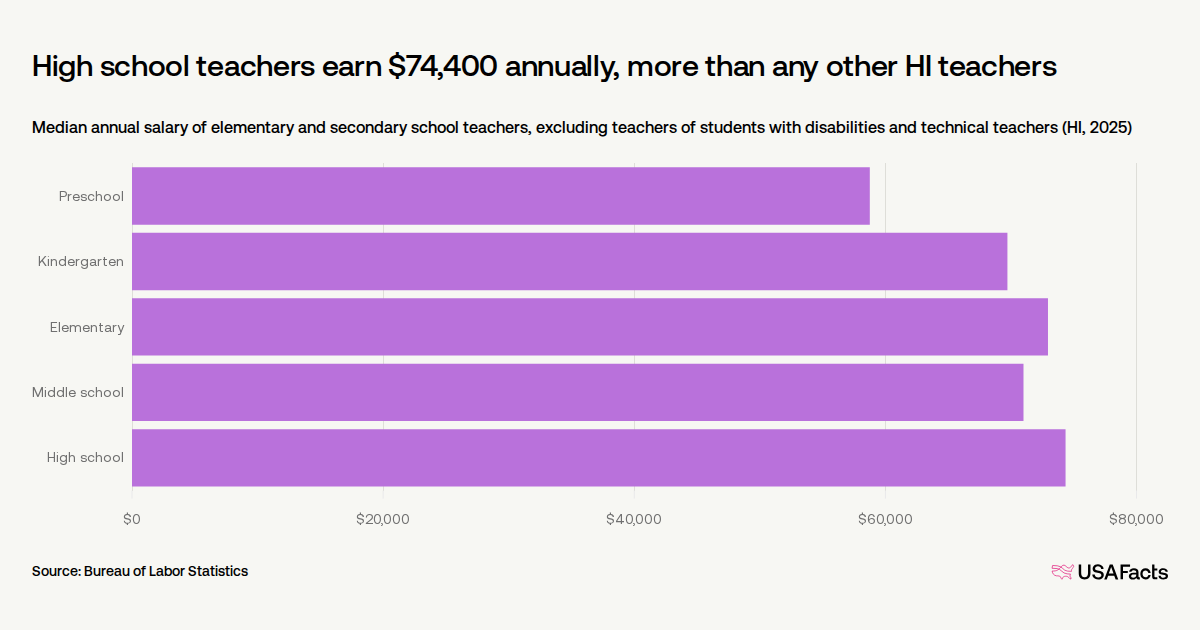
The Financial Framework of Teaching in the Aloha State
The education system in the islands is unique because it is the only state in the country with a single, unified school district. The Hawaii Department of Education manages all public schools across every island, which means that salary schedules are standardized regardless of whether you are teaching in the heart of Honolulu or a rural community on the Big Island. This centralized structure provides a level of predictability for educators, but it also means that the salary does not always fluctuate to meet the specific hyper-local housing costs of certain neighborhoods.
Breaking Down the Salary Schedule
As of the most recent contract negotiations led by the Hawaii State Teachers Association, teacher salaries have seen significant adjustments to combat the rising cost of living. For a newly certified teacher entering the system with a bachelor’s degree and no prior experience, the starting salary typically falls between $50,000 and $55,000 per year. While this may seem competitive compared to some districts on the mainland, it is important to view this figure through the lens of local purchasing power.
For educators with advanced degrees, such as a Master’s or a Doctorate, or those with significant years of experience in other accredited districts, the starting pay is higher. The salary schedule is divided into “steps” and “classes.” Classes represent the level of education attained, while steps represent years of service. An experienced educator at the top of the pay scale can earn upwards of $90,000 to $100,000, though reaching these tiers requires a long-term commitment to the state’s school system.
Incentives for Critical Shortage Areas
To address persistent staffing challenges, the state offers various differentials or bonuses for specific roles. Teachers specializing in Special Education, those working in hard-to-staff geographic areas, and those proficient in the Hawaiian language often receive additional annual stipends. For example, a Special Education teacher might receive an extra $10,000 per year simply for working in that high-demand field. These incentives are a critical component of the lifestyle for many educators, providing the extra financial cushion needed to navigate the expensive rental markets in areas like Oahu or Maui.
Geographic Variations and Cost Considerations
While the base pay remains consistent across the islands, the lifestyle and “real” value of that paycheck vary significantly depending on which island you call home. Each island offers a distinct atmosphere, from the urban density of the capital to the rugged, quiet landscapes of the smaller islands.
Living in Honolulu versus the Neighbor Islands
Oahu is the economic hub of the state and home to the majority of the population. In Honolulu, teachers have access to a wide array of amenities, shopping, and entertainment. However, the cost of housing here is among the highest in the nation. Many educators find themselves living in smaller apartments in areas like Waikiki or commuting from the Ewa Plain or the Windward side to make ends meet.
Conversely, moving to the “Neighbor Islands” like Kauai or the Big Island offers a different lifestyle. In towns like Hilo or Kailua-Kona, the pace of life is slower, and the connection to nature is more immediate. While land can be cheaper on the Big Island, other costs, such as electricity and shipping for consumer goods, can be higher than on Oahu. For those who prefer a rural lifestyle, islands like Molokai or Lanai offer a truly unique experience, though they come with extremely limited housing and shopping options.
The Impact of the “Paradise Tax” on Lifestyle
The “Paradise Tax” is a colloquial term used by locals to describe the high cost of goods and services in the islands. Because almost 90% of food and supplies are imported, the price of milk, eggs, and gasoline is significantly higher than the national average. For a teacher earning a mid-range salary, these daily expenses require careful lifestyle management.
Enjoying the lifestyle of the islands often means shifting priorities from consumerism to outdoor activities. While a meal at a high-end restaurant near Diamond Head might be a rare treat, the “free” amenities—the beaches, hiking trails, and surfing spots—are world-class. Educators who thrive in this environment are usually those who value experiences over possessions, finding fulfillment in a sunset at the beach rather than the latest luxury gadgets.
Navigating the High Cost of Living as an Educator
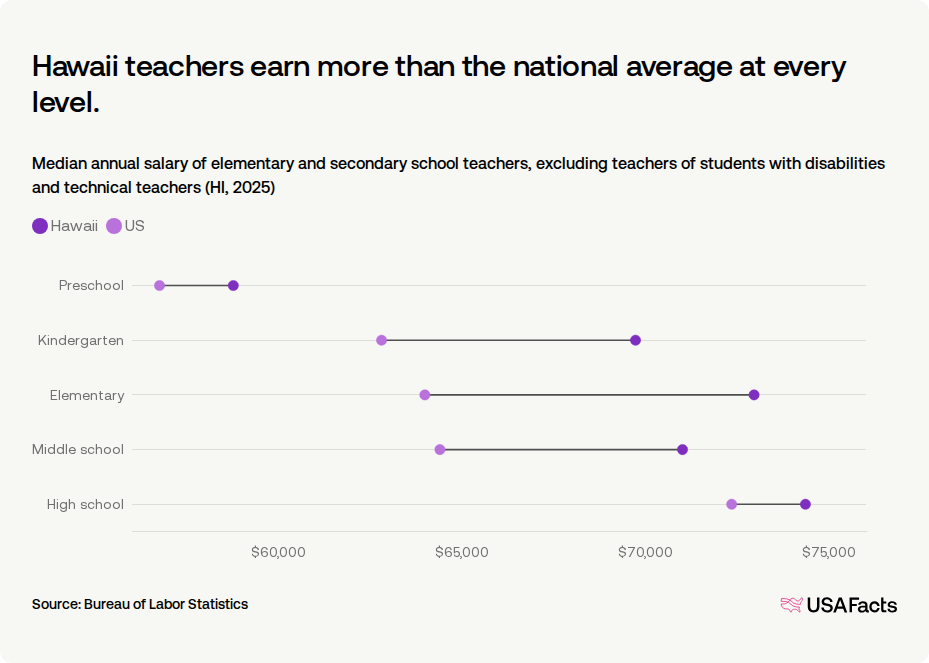
To maintain a sustainable lifestyle in the islands, teachers must be savvy with their finances. The gap between salary and expenses is a common topic of conversation in faculty lounges from Kahului to Lihue.
Housing Realities in the Islands
Housing is the single largest expense for anyone living in the state. For a single teacher, renting a one-bedroom apartment or a studio is the most common path. In Honolulu, a modest apartment can easily consume 40% to 50% of a starting teacher’s take-home pay. This has led to a culture of “roommating” among young professionals, where several teachers might share a larger home to reduce individual costs.
For those looking to buy property, the challenge is even steeper. The median price for a single-family home on Oahu often hovers around the $1 million mark. Many educators look toward condominiums or townhomes, or they seek out specialized teacher housing programs and down-payment assistance grants offered by the state or non-profit organizations. Owning a home near iconic landmarks like Pearl Harbor is a dream for many, but it usually requires a dual-income household or significant savings.
Daily Expenses: From Groceries to Transportation
The cost of utilities is another factor that impacts the educator lifestyle. Electricity rates in the islands are roughly double to triple the national average, largely because of the reliance on imported oil for power generation. Many residents manage this by foregoing air conditioning and relying on the natural “tradewinds” to cool their homes.
Transportation also plays a role in the budget. While Honolulu has a robust bus system known as “TheBus” and a developing rail system, most teachers on the neighbor islands require a reliable vehicle. Gas prices frequently lead the nation, and vehicle maintenance is essential due to the salt air’s effect on cars. Educators often choose fuel-efficient vehicles or older, reliable models to keep their monthly overhead low.
Strategic Lifestyle Planning for Hawaii Teachers
Despite the financial hurdles, thousands of teachers find a way to make the lifestyle work. Success in the islands is often about more than just the numbers on a paycheck; it is about community, professional growth, and personal well-being.
Maximizing Benefits and Professional Growth
The Hawaii Department of Education offers a comprehensive benefits package that adds significant value to the base salary. This includes health insurance, dental, vision, and a pension through the Employees’ Retirement System. For long-term residents, the pension is a cornerstone of financial security.
Furthermore, the state encourages professional development. Teachers can move across “salary classes” by earning additional college credits or participating in state-approved professional development (PDE3) courses. By strategically planning their continuing education, a teacher can significantly increase their annual earnings over a five-to-ten-year period. This professional growth is not just about the money; it allows educators to specialize in areas like educational technology or curriculum development, opening doors to leadership roles.
Finding Balance in the Pacific
The lifestyle of a teacher in the islands is often characterized by a strong work-life balance—provided they can navigate the initial financial hurdles. The culture of the islands emphasizes “ohana” (family) and “aloha” (love/compassion), which translates into a supportive work environment in many schools.
Teachers often find themselves deeply integrated into their local communities. Whether it’s coaching a youth paddling team or volunteering for beach cleanups, the educator’s role extends beyond the classroom. This sense of belonging is a major draw for those who move from the mainland. While the salary might be stretched thin, the richness of life—measured in community ties and environmental beauty—is often cited as the reason teachers stay for decades.

Is the Hawaiian Teacher Lifestyle Sustainable?
Ultimately, whether a teacher’s salary in Hawaii is “enough” depends on individual lifestyle choices and expectations. For a person accustomed to a low cost of living in the Midwest, the transition can be jarring. However, for those coming from major metropolitan areas like San Francisco or New York City, the costs may feel familiar, even if the salaries are slightly lower.
The key to a sustainable lifestyle for educators in the islands is a combination of financial discipline and an appreciation for the local way of life. By taking advantage of geographic differentials, pursuing advanced certifications, and embracing the outdoor-centric lifestyle of the islands, teachers can build a fulfilling life. The rewards of teaching the youth of the islands—helping them understand their history, their land, and their future—provide a level of professional satisfaction that many find more valuable than a higher salary elsewhere.
Living in paradise as an educator is a unique challenge, but for those who are willing to adapt, the islands offer a lifestyle that is truly incomparable. Between the morning surf sessions before school and the community gatherings on the weekends, the life of a teacher in the islands is a testament to the idea that wealth is not just about the money you make, but the environment in which you live and the people you serve.
LifeOutOfTheBox is a participant in the Amazon Services LLC Associates Program, an affiliate advertising program designed to provide a means for sites to earn advertising fees by advertising and linking to Amazon.com. Amazon, the Amazon logo, AmazonSupply, and the AmazonSupply logo are trademarks of Amazon.com, Inc. or its affiliates. As an Amazon Associate we earn affiliate commissions from qualifying purchases.