
Understanding the financial landscape for educators in Mississippi is crucial for appreciating the dedication and commitment they bring to shaping the next generation. While the national conversation often centers on teacher salaries, specific regional figures offer a more nuanced picture of the economic realities faced by teachers in the Magnolia State. This exploration delves into the average salaries, factors influencing compensation, and the broader context of teacher pay within Mississippi, aiming to provide a comprehensive overview for aspiring educators, policymakers, and the general public.
Average Teacher Salaries in Mississippi
The average annual salary for teachers in Mississippi has seen gradual increases over the years, reflecting efforts to improve compensation. However, it remains a topic of ongoing discussion and comparison with national averages and neighboring states. Data from various educational and governmental sources typically places the average teacher salary in Mississippi in the range of $45,000 to $50,000 per year. This figure encompasses educators across all grade levels, from kindergarten through high school.

Key Salary Benchmarks
- Starting Salaries: Entry-level teachers often begin their careers at the lower end of the salary scale. Starting salaries can vary significantly based on the district, educational attainment, and any specialized certifications. For new teachers, the initial financial reward might be a point of consideration when choosing to enter the profession in Mississippi.
- Mid-Career Salaries: As teachers gain experience and advance in their careers, their salaries typically increase. A teacher with several years of experience and potentially advanced degrees or leadership roles can expect to earn considerably more than a novice educator.
- Experienced Educators: Highly experienced teachers, often those with master’s degrees, National Board Certification, or those in administrative or specialized roles, command the highest salaries within the public school system. These individuals represent the seasoned professionals whose expertise is invaluable to the educational community.
It is important to note that these averages are broad. The actual salary of an individual teacher is influenced by a multitude of factors, which are detailed in the following sections.
Factors Influencing Teacher Compensation
The salary of a teacher in Mississippi is not a monolithic figure but rather a dynamic compensation package influenced by several key variables. Understanding these elements provides a clearer picture of the pay structure within the state’s education system.
Experience and Education Level
The most significant determinants of a teacher’s salary are their years of experience and their level of formal education.
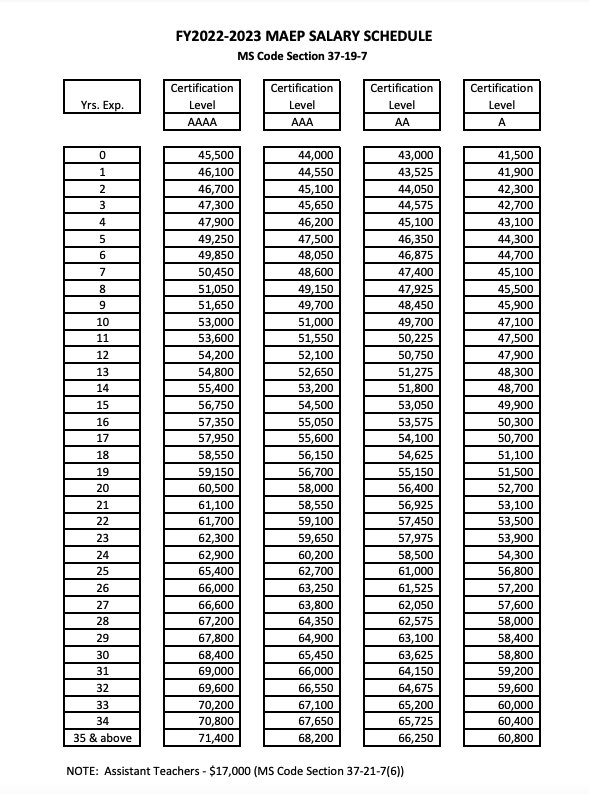
- Years of Service: Schools and districts typically operate on a salary schedule or “step” system. For each year of successful teaching, a teacher moves up a step, resulting in a predictable annual salary increase. This system rewards longevity and consistent performance.
- Educational Attainment: Teachers with advanced degrees, such as a master’s or doctoral degree, generally earn higher salaries than those with only a bachelor’s degree. Many districts offer salary bumps for these higher degrees, recognizing the increased knowledge and specialized training they represent.
- Certifications and Endorsements: Holding specialized certifications or endorsements in high-demand subjects (e.g., special education, STEM fields) can sometimes lead to higher pay or bonuses, as districts seek to attract and retain qualified professionals in these critical areas.
District and Location
Geographic location within Mississippi and the specific school district play a vital role in determining teacher salaries.
- District Funding: Wealthier school districts, often those with a stronger tax base, may have more resources to offer competitive salaries and benefits. Conversely, districts in economically challenged areas might have more limited budgets, potentially impacting teacher compensation.
- Cost of Living: While Mississippi as a whole has a lower cost of living compared to many other states, there can still be variations. Salaries are sometimes adjusted to reflect the local cost of living, though this is not always a direct correlation. Major metropolitan areas or areas with higher demand for teachers might see slightly higher pay scales.
- Rural vs. Urban: The distinction between rural and urban or suburban school districts can also influence salaries. Rural districts may face challenges in attracting teachers, sometimes leading to incentive packages, while larger, more urban districts might have more structured and potentially higher salary scales due to greater resources.
Additional Roles and Responsibilities
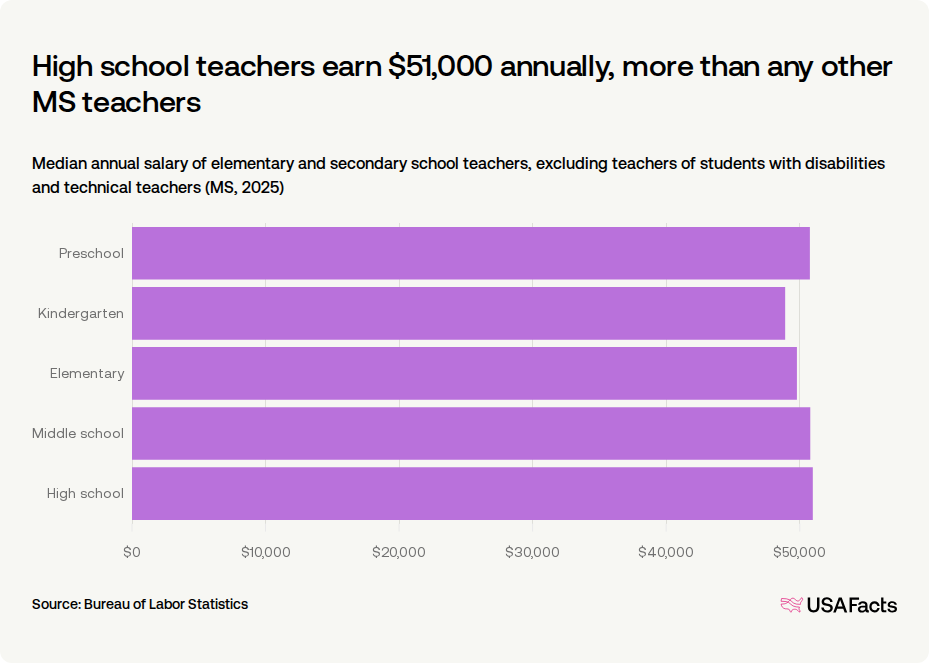
Beyond the core teaching duties, teachers who take on additional responsibilities often receive supplemental pay.
- Extracurricular Activities: Coaching sports teams (e.g., football, basketball), advising clubs, or directing school plays can come with stipends, adding to a teacher’s overall income.
- Department Head or Lead Teacher: Teachers who serve as department heads or take on leadership roles within their school or district often receive additional compensation for their administrative duties and leadership responsibilities.
- Summer Programs or Tutoring: Some teachers may supplement their income by participating in summer school programs, offering private tutoring, or working on curriculum development projects.
The Broader Context: Teacher Pay in Mississippi
When discussing teacher salaries in Mississippi, it’s essential to place these figures within a national and regional context. This comparative analysis helps to understand the competitive landscape and the challenges or advantages faced by the state’s educators.
Comparison with National Averages
Historically, Mississippi has ranked among the states with the lowest average teacher salaries in the United States. While recent legislative efforts have aimed to increase pay, the gap between Mississippi and the national average persists. The national average teacher salary often hovers significantly higher than that in Mississippi, which can impact recruitment and retention of educators, particularly those considering relocation from or to other states.
Regional Comparisons
Neighboring states to Mississippi offer a more direct comparison point. Examining the average teacher salaries in states like Alabama, Louisiana, and Tennessee reveals a varied picture. In some instances, Mississippi may lag behind its immediate neighbors, while in others, the figures might be more comparable. This regional data is critical for understanding the competitive pressures on Mississippi to attract and retain teaching talent.
Impact on Recruitment and Retention
The level of teacher compensation has a direct impact on the attractiveness of the profession and the ability of school districts to retain experienced educators. Lower salaries can lead to a shortage of qualified teachers, particularly in hard-to-staff schools or subject areas. It can also contribute to experienced teachers leaving the profession or seeking employment in states or districts that offer more competitive pay. Efforts to improve teacher salaries in Mississippi are therefore vital for ensuring a stable and high-quality teaching workforce.
Legislative Efforts and Future Outlook
Recognizing the importance of investing in education, Mississippi has seen legislative initiatives aimed at improving teacher pay. These efforts often involve direct appropriations for salary increases, particularly targeting starting teacher salaries and those of experienced educators.
Recent Salary Increases
In recent legislative sessions, there have been notable efforts to raise teacher salaries in Mississippi. These increases are often implemented incrementally, with the goal of gradually closing the gap between Mississippi and national averages. Specific legislative acts and budget allocations have been dedicated to this purpose, signaling a growing recognition of the need to value educators financially.
Ongoing Challenges and Advocacy
Despite these positive steps, challenges remain. The cost of living, while relatively low, can still make it difficult for teachers to earn a comfortable living, especially in areas with higher housing costs. Furthermore, the debate over funding for education is ongoing, and advocates for teachers continuously push for more substantial and sustainable salary increases. Organizations like the Mississippi Association of Educators play a crucial role in advocating for better pay and working conditions for teachers across the state.
The future outlook for teacher salaries in Mississippi depends on continued legislative support, economic growth within the state, and the ongoing advocacy efforts of educators and their allies. The ultimate goal is to ensure that teachers are compensated fairly for their invaluable contribution to society, fostering a robust and thriving educational system for all students in Mississippi.
LifeOutOfTheBox is a participant in the Amazon Services LLC Associates Program, an affiliate advertising program designed to provide a means for sites to earn advertising fees by advertising and linking to Amazon.com. Amazon, the Amazon logo, AmazonSupply, and the AmazonSupply logo are trademarks of Amazon.com, Inc. or its affiliates. As an Amazon Associate we earn affiliate commissions from qualifying purchases.