
The Boston Marathon is more than just a grueling 26.2-mile race; it’s an iconic sporting event steeped in history and tradition. Each year, elite runners from around the globe converge on Massachusetts to test their mettle against the challenging course and each other. While the prestige and personal glory of winning are immense, many aspiring champions and even casual observers are curious about the tangible rewards. Beyond the coveted medals and the roar of the crowd, what financial compensation can the victors of this legendary race expect? This article delves into the prize money structure of the Boston Marathon, exploring the financial incentives for both elite and other participating athletes, and placing it within the broader context of professional marathon running as a lifestyle.

The Prize Purse: Unpacking the Financial Rewards for Elite Athletes
The Boston Marathon, organized by the Boston Athletic Association (BAA), offers a significant prize purse designed to attract the world’s best marathoners. While the exact figures can fluctuate slightly year to year based on sponsorships and economic conditions, the structure generally remains consistent, rewarding top finishers handsomely. The primary focus of the prize money is on the elite fields, namely the male and female open divisions.
Overall Winner’s Compensation
The ultimate prize for breaking the tape first in Boston is substantial. The male and female champions typically receive a grand prize of $150,000. This figure places the Boston Marathon among the races with the highest winning payouts in the sport. This substantial sum reflects the event’s status as a World Marathon Major and its long-standing appeal to both athletes and spectators. Winning in Boston isn’t just about the money; it’s about etching one’s name into the annals of running history, joining legends like Bill Rodgers and Kathrine Switzer.
Deepening the Payout Structure
The financial incentives don’t stop with the winners. The prize money is distributed across a significant number of the top finishers in the elite fields, encouraging fierce competition throughout the race. Typically, the prize money extends down to the top 10 or even top 15 finishers, with decreasing amounts for each subsequent place.
- Second Place: The runner-up in both the men’s and women’s open divisions usually receives $75,000.
- Third Place: Securing third position garners a prize of $50,000.
- Fourth Place: The fourth-place finisher typically earns $30,000.
- Fifth Place: A fifth-place finish comes with a prize of $25,000.
- Sixth to Tenth Place: For positions six through ten, the prize money generally decreases incrementally, often ranging from around $15,000 down to $7,500 for the tenth-place finisher.
This tiered system ensures that not only the absolute fastest athletes are financially rewarded but also those who perform exceptionally well and contend for podium spots. It incentivizes a larger group of elite runners to compete at their highest level throughout the entire race.
Bonus Incentives and Records
Beyond the standard prize money, there are often additional incentives designed to push athletes to their limits and potentially break course records.
- Course Record Bonus: The Boston Marathon often offers a substantial bonus, typically $50,000, for breaking the existing course record. This adds another layer of excitement, as runners aim not only for victory but also for a place in history through a record-setting performance. The current men’s course record is 2:03:02, set by Geoffrey Mutai in 2011, and the women’s course record is 2:19:59, set by Buzunesh Deba in 2014.
- American Records: While not always a separate cash prize, achieving an American record in Boston is a significant accomplishment that often comes with considerable recognition and potential endorsement opportunities, even if not directly tied to the official race purse.
It’s important to note that these figures are for the open divisions. Other categories, such as wheelchair races or age groups, may have different, often smaller, prize structures.
Beyond the Cash: The Broader Lifestyle of a Professional Marathoner
While the prize money from winning the Boston Marathon is a significant sum, it represents only one facet of the financial reality for elite professional marathoners. For those at the pinnacle of the sport, their income is often derived from a multifaceted approach, blending prize winnings with other lucrative avenues. This forms the foundation of their lifestyle as professional athletes.
Sponsorships and Endorsements
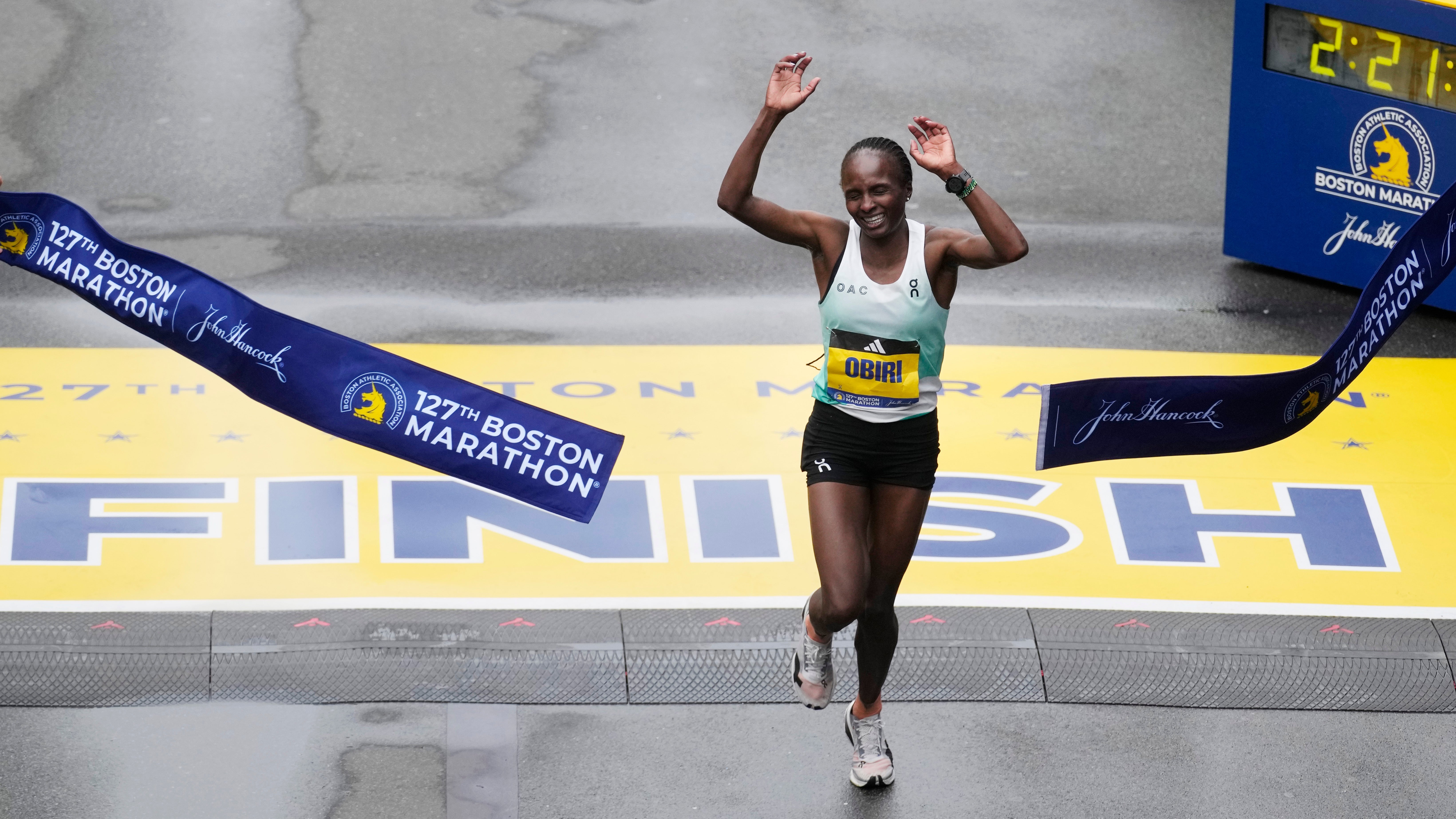
The most substantial portion of an elite runner’s income often comes from sponsorships and endorsement deals. Major athletic apparel and footwear companies invest heavily in top athletes, providing them with gear, training support, and significant financial compensation. These deals are secured based on an athlete’s performance, marketability, and global recognition. Winning a prestigious event like the Boston Marathon dramatically boosts an athlete’s profile, making them more attractive to current and potential sponsors. Endorsements can range from active wear brands to energy drink companies, nutrition products, and even lifestyle brands that align with a healthy and active image. These contracts can be worth hundreds of thousands, or even millions, of dollars annually for the most sought-after athletes, far exceeding typical race prize money.
Appearance Fees
For the most prominent marathoners, race organizers may also offer appearance fees to ensure their participation. These fees are paid in addition to any potential prize money and are a way for races to attract star power and guarantee a competitive field. While Boston has a strong inherent draw, top-tier athletes might still negotiate appearance fees for other marathons, especially those that are not part of the World Marathon Majors.
Performance Bonuses from Sponsors
Many sponsorship contracts include performance-based bonuses. Winning a major marathon like Boston, setting a record, or achieving a top-three finish can trigger additional payouts from their sponsors, further augmenting their earnings. This creates a synergistic relationship where race success directly translates into financial rewards from their personal brand partnerships.
Media Appearances and Opportunities
Elite athletes often leverage their successes for media appearances, speaking engagements, and even book deals. Their stories of dedication, perseverance, and achievement resonate with a broad audience, creating opportunities beyond the racecourse. These activities contribute to their overall income and enhance their public persona, which in turn can attract more sponsorship opportunities.
The Economic Ecosystem of Major Marathons
The financial rewards for winning the Boston Marathon are part of a larger economic ecosystem surrounding major sporting events. The race itself is a significant economic driver for the city of Boston and the surrounding region.
Economic Impact on the Host City
A race of this magnitude attracts tens of thousands of participants, their families, and supporters. This influx of people generates substantial revenue through:
- Accommodation: Hotels, guesthouses, and rental properties experience high occupancy rates in the days leading up to and during the event. Runners and their companions book stays, often for multiple nights.
- Dining and Entertainment: Restaurants, bars, and entertainment venues see a surge in patronage. Participants and spectators alike seek out culinary experiences and leisure activities.
- Retail and Tourism: Shops selling sporting goods, souvenirs, and general merchandise benefit from increased sales. Furthermore, many visitors take the opportunity to explore Boston’s rich history, museums, and landmarks.
- Transportation: Local transportation services, from taxis to public transit, experience heightened demand.
The economic ripple effect extends to local businesses, creating a significant boost in revenue and employment opportunities, even if temporary. The Boston Marathon is a prime example of how a major sporting event can positively impact a city’s economy.
The Role of Sponsors in Funding the Event
The prize money, event operations, and marketing efforts of the Boston Marathon are heavily reliant on corporate sponsorships. These sponsors gain visibility through prominent branding on race bibs, banners, race apparel, and digital media. For many companies, associating with a prestigious event like the Boston Marathon aligns with their brand values, promoting health, fitness, and achievement. The financial commitment from these sponsors is crucial for the continued success and growth of the marathon, allowing for increased prize purses and improved participant experiences.
Conclusion: A Coveted Prize with Far-Reaching Implications
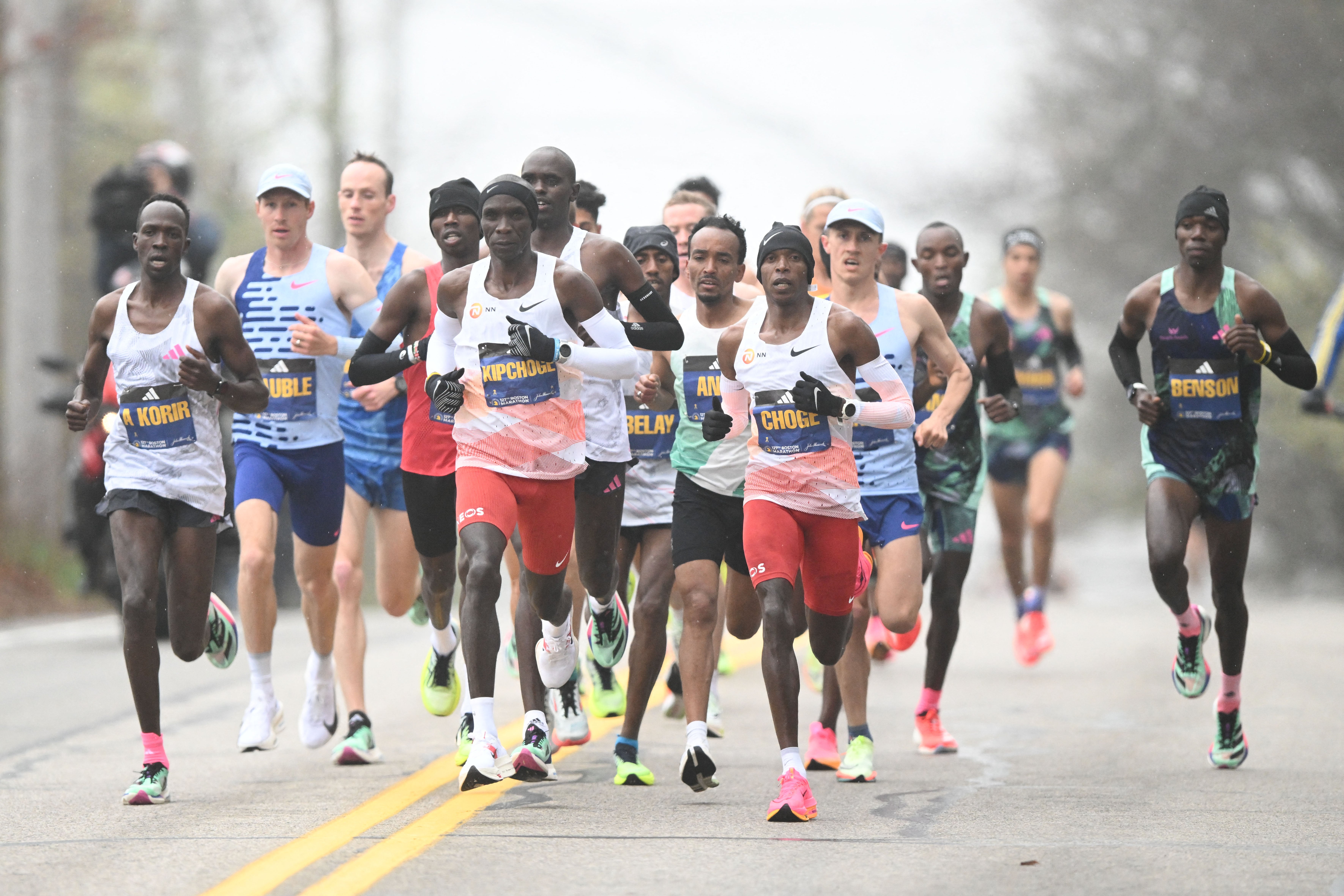
The question of “how much” winners of the Boston Marathon receive is multifaceted. While the direct prize money for the champions is a significant $150,000, this is merely the tip of the iceberg for elite athletes operating at the highest echelon of professional running. Their earnings are amplified by lucrative sponsorship deals, appearance fees, and performance bonuses, allowing them to pursue marathon running as a viable and often luxurious lifestyle. The prestige of winning in Boston is invaluable, opening doors to greater financial opportunities and cementing their legacy in the sport. Simultaneously, the event itself acts as a powerful economic engine for the city, showcasing the profound interconnectedness of elite sports, personal ambition, and broader economic prosperity. The allure of the finish line on Boylston Street remains a potent symbol of both athletic achievement and the substantial rewards that can follow.
LifeOutOfTheBox is a participant in the Amazon Services LLC Associates Program, an affiliate advertising program designed to provide a means for sites to earn advertising fees by advertising and linking to Amazon.com. Amazon, the Amazon logo, AmazonSupply, and the AmazonSupply logo are trademarks of Amazon.com, Inc. or its affiliates. As an Amazon Associate we earn affiliate commissions from qualifying purchases.