
Texas, a state synonymous with vast landscapes, sprawling ranches, and a robust economy, relies heavily on its trucking industry to keep its wheels turning. From the bustling ports of Houston to the oil fields of West Texas, and the agricultural heartlands stretching across the state, the demand for skilled truck drivers is consistently high. This essential role underpins countless businesses, ensuring the timely delivery of goods that fuel the Texan lifestyle, whether it’s the fresh produce gracing the tables at local eateries, the building materials for new homes in Austin, or the luxury items found in the boutiques of Dallas. For those considering a career in this vital sector, or perhaps looking to compare their earnings, understanding the earning potential of truck drivers in Texas is a key consideration.

The question of “How Much Do Truck Drivers Make In Texas?” is multifaceted, influenced by a range of factors beyond just the number of miles driven. This exploration will delve into the typical salary ranges, dissect the variables that impact these figures, and touch upon the lifestyle that accompanies this demanding yet rewarding profession. While this article focuses on the financial aspect, it’s worth noting the broader context of a truck driver’s life, which often involves long hours on the road, experiencing different facets of Texas’s diverse geography and culture, from the historic sites of San Antonio to the natural beauty of Big Bend National Park. The accommodation booked for these journeys, whether a comfortable hotel in El Paso or a practical roadside motel, is a small part of the broader travel experience.
Factors Influencing Truck Driver Salaries in Texas
The compensation for truck drivers in Texas is not a monolithic figure. It’s a dynamic sum shaped by several critical elements, each playing a significant role in determining the weekly, monthly, or annual take-home pay. Understanding these nuances is crucial for anyone looking to enter the profession or for current drivers aiming to optimize their earning potential. These factors can range from the type of hauling and the experience of the driver to the specific companies they work for and the general economic climate influencing the demand for transportation services.
Type of Truck Driving and Freight Hauling
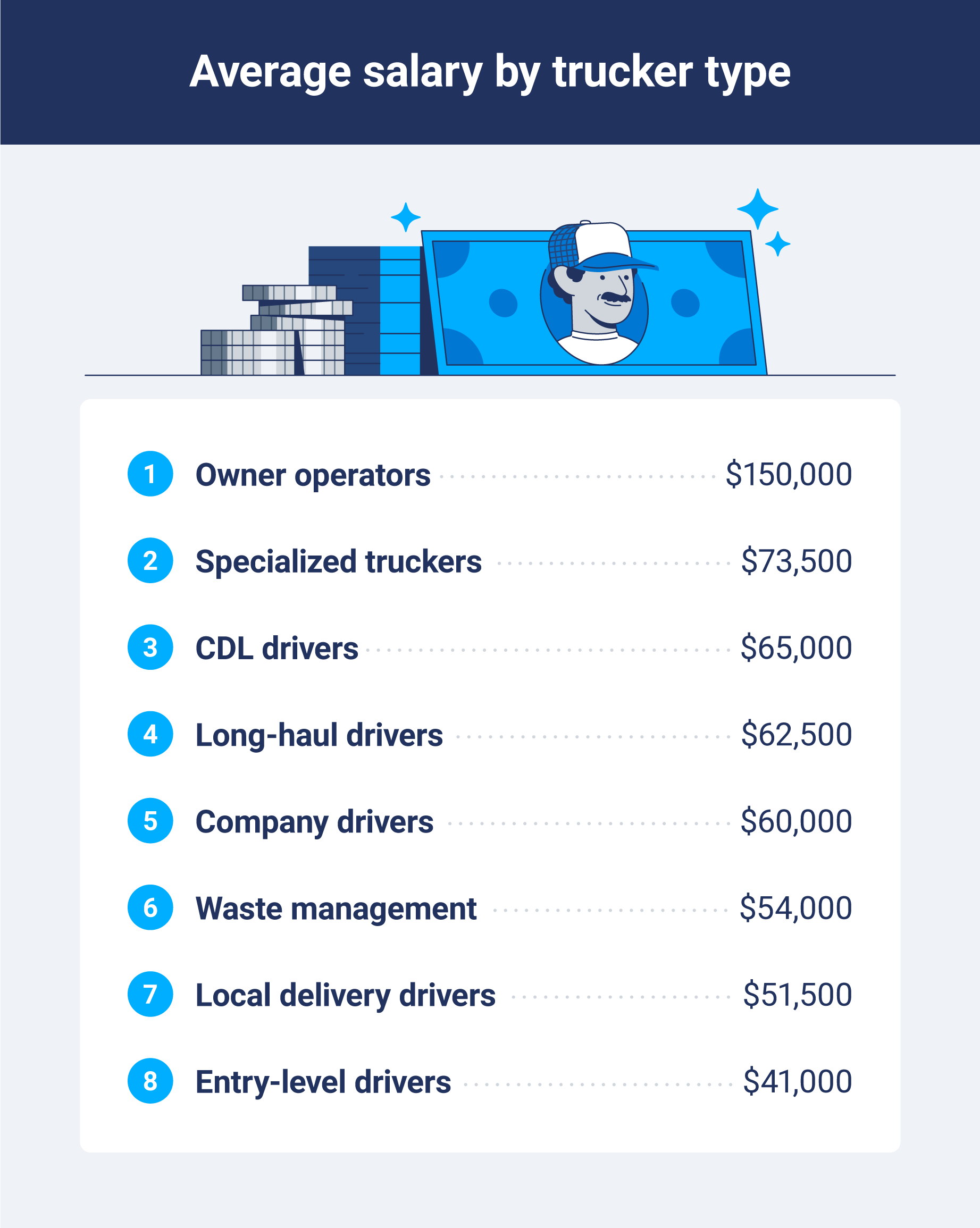
One of the most significant determinants of a truck driver’s salary in Texas is the specific type of trucking they engage in. The industry is segmented into several categories, each with its own pay structure and demands.
-
Over-the-Road (OTR) Trucking: These drivers typically haul goods across long distances, often for weeks at a time, crisscrossing state lines and covering thousands of miles. This lifestyle often means being away from home for extended periods but can offer higher earning potential due to the sheer volume of miles covered. The compensation for OTR drivers in Texas can vary, but they generally command some of the highest salaries due to the demanding nature of the job and the significant travel involved, which can include routes that connect major Texan cities to distant states. The logistics of planning routes to avoid traffic in urban centers like Fort Worth or navigating the vast open highways is part of their daily reality.
-
Local Trucking: Local drivers operate within a more confined geographical area, usually within a single city or a few surrounding counties. They often have more regular home time, returning to their families each night. While the per-mile pay might be lower than OTR, the consistent work and reduced time away from home are attractive. These drivers might be involved in delivering goods to local businesses, supporting the supply chain for hotels and resorts, or providing services within cities like Corpus Christi. Their routes might take them past historical landmarks or through vibrant tourist districts.
-
Specialized Hauling: This category encompasses drivers who transport specific types of cargo, such as hazardous materials, oversized loads, livestock, or refrigerated goods (reefer). These specialized loads often require additional certifications, endorsements, and a higher level of skill and responsibility, which translates into higher pay. For instance, drivers hauling oil and gas equipment in West Texas or agricultural products from the Rio Grande Valley might earn more due to the specialized nature of their cargo and the critical importance of timely delivery. The meticulous planning for such hauls can rival the planning required for a luxury travel itinerary.
-
Owner-Operator: Owner-operators own their trucks and essentially run their own businesses. They are responsible for all expenses, including fuel, maintenance, insurance, and permits, but they also have the potential for higher profits if they manage their operations efficiently. Their earnings are directly tied to the freight they secure and their ability to negotiate rates.
Experience Level and Skills
Like most professions, a truck driver’s experience level significantly influences their earning potential.
-
Entry-Level Drivers: New drivers, often those who have recently completed truck driving school, typically start at the lower end of the pay scale. They may spend more time in training or on routes with less experienced drivers to gain practical knowledge. Companies often offer competitive starting salaries to attract new talent, recognizing the ongoing need for drivers.
-
Experienced Drivers: Drivers with several years of experience and a clean driving record are highly valued. They are often entrusted with more challenging routes, specialized loads, and dedicated customer accounts, all of which command higher pay. Companies recognize the reliability, efficiency, and problem-solving skills that experienced drivers bring to the table. Their ability to navigate complex logistics, whether for business travel or leisure excursions, is a testament to their expertise.
-
Specialized Certifications: Holding endorsements for carrying hazardous materials (Hazmat), operating double or triple trailers, or having a tanker endorsement can increase a driver’s pay. These certifications demonstrate a commitment to safety and the ability to handle more regulated and potentially dangerous cargo, making them more valuable to employers.
Company Size and Type
The trucking company itself plays a role in salary determination.
-
Large Carriers: Major national and regional trucking companies often have well-established pay structures, benefits packages, and dedicated routes. While they may offer stability, their pay scales might be more standardized. However, their size often means consistent freight and opportunities for advancement. These companies are the backbone of the logistics supporting major Texan businesses and tourist destinations.
-
Small to Medium-Sized Carriers: Smaller companies or those operating regionally might offer more personalized work environments and potentially more flexibility. Their pay scales can vary widely, with some offering competitive rates to attract and retain drivers, especially in niche markets.
-
Dedicated Fleets: Some companies hire drivers for dedicated routes, often for a single client. These routes can offer predictable schedules and consistent income, as the driver is essentially an extension of the client’s supply chain, delivering goods to places like retail stores or distribution centers.
Geographic Location within Texas
While the entire state of Texas presents opportunities, certain regions might offer slightly different earning potentials due to varying economic activity and demand.
- Major Metropolitan Areas: Cities like Houston, Dallas, Austin, and San Antonio are economic hubs with high demand for transportation services. Drivers operating in or serving these areas might see higher rates due to the concentration of businesses and distribution centers. The constant flow of goods to support the vibrant lifestyle, including hotels, restaurants, and entertainment venues, fuels this demand.
- Industrial and Resource-Rich Regions: Areas with significant industrial activity, such as the oil and gas regions in West Texas or the port cities along the Gulf Coast like Galveston, often have a strong demand for specialized and general trucking services, potentially leading to higher compensation.
Benefits and Bonuses
It’s important to look beyond the base salary when evaluating a trucking job. Many companies offer comprehensive benefits packages that can significantly increase the overall compensation.
- Health Insurance: Medical, dental, and vision insurance are common benefits, providing essential coverage for drivers and their families.
- Retirement Plans: 401(k) plans with company matching contributions help drivers save for retirement.
- Paid Time Off: Vacation days, sick leave, and holidays contribute to a driver’s work-life balance.
- Bonuses: Performance bonuses, safety bonuses, and sign-on bonuses can provide substantial additional income. These incentives are often used to attract experienced drivers or reward consistent safe driving.
Average Truck Driver Salaries in Texas
Based on recent data and industry trends, the average salary for truck drivers in Texas can range significantly. It’s crucial to remember that these are averages, and individual earnings can fall above or below these figures based on the factors previously discussed.
Entry-Level and Experienced Driver Averages
For entry-level truck drivers in Texas, the annual salary typically falls in the range of $45,000 to $60,000. This can translate to an hourly wage of roughly $22 to $29, though many truck drivers are paid by the mile or a combination of mileage and hourly rates for specific tasks. During their initial months, they might be paired with experienced mentors or assigned less demanding routes.
Experienced truck drivers in Texas, those with three to five years or more of consistent driving experience and a clean record, can expect to earn considerably more. Their average annual salaries generally range from $60,000 to $90,000. Some highly specialized drivers, owner-operators with efficient operations, or those working for companies with lucrative dedicated routes can even surpass the $100,000 mark annually. This higher earning potential reflects their reliability, efficiency, and ability to handle complex logistical challenges, which are vital for businesses operating across the vast Texan landscape, from supplying resorts to maintaining supply chains for major cities.
Regional Salary Variations
While the state-wide average provides a general idea, specific cities and regions within Texas can see slight variations in trucking salaries.
- Houston and Dallas-Fort Worth Metroplex: As major economic and logistics centers, these areas often show slightly higher average salaries due to high demand and a dense network of distribution centers and businesses. The continuous movement of goods to support the bustling urban lifestyle, including hotels and retail, keeps the demand for drivers consistently strong.
- West Texas (Permian Basin): Regions heavily involved in the oil and gas industry can offer premium pay for specialized haulers, particularly those transporting equipment and materials related to energy production. The demanding nature of these routes and the critical need for timely deliveries contribute to higher compensation.
- South Texas (Rio Grande Valley): With its agricultural output and proximity to international trade routes, this area also presents consistent trucking opportunities, with salaries generally aligning with the state average, though specialized agricultural hauls can command better rates.
The Impact of Hours and Miles
For many truck drivers, earnings are directly tied to the miles they cover and the hours they work. The Federal Motor Carrier Safety Administration (FMCSA) regulates driving hours to ensure safety, but drivers who are efficient and willing to work their maximum allowed hours can significantly increase their income. For example, a driver paid by the mile, earning $0.40 to $0.60 per mile, can earn substantial amounts over a week of consistent driving. A driver averaging 2,500 miles per week at $0.50 per mile would earn $1,250 for that week, translating to an annual income of over $65,000, even before considering bonuses or other compensation.
The Truck Driver Lifestyle and Considerations
The life of a truck driver in Texas is more than just earning a paycheck; it’s a lifestyle choice with its own set of challenges and rewards. While the financial compensation is a primary draw, understanding the broader picture is essential for anyone considering this career.
Work-Life Balance
The demanding nature of trucking, especially OTR, means that work-life balance can be a significant challenge. Long hours and extended periods away from home can strain relationships and personal commitments. However, the rise of local and regional driving jobs has provided more options for drivers seeking a better balance, allowing them to be home more frequently, perhaps enjoying weekend trips to attractions like the San Antonio Riverwalk or spending time with family in their hometowns. The opportunities for leisure travel within Texas are vast, and drivers often get to see parts of the state that many tourists only dream of, from the vast plains of the Panhandle to the coastal beauty of the Gulf.
Road Experiences and Travel
Despite the challenges, truck driving offers a unique perspective on the vast and diverse landscape of Texas. Drivers become intimately familiar with the state’s highways, from the major arteries connecting cities like Dallas and Houston to the more remote routes leading to ranches and industrial sites. They witness breathtaking sunrises over the West Texas desert, navigate through the rolling hills of the Texas Hill Country, and experience the unique cultural tapestry of its many towns and cities. This constant travel can be an enriching experience for those who enjoy seeing new places and experiencing different environments, even if their accommodation is often a comfortable, albeit functional, hotel room or truck stop.
Safety and Regulations
Safety is paramount in the trucking industry. Drivers must adhere to strict regulations, including hours of service limits, weight restrictions, and vehicle maintenance standards. Maintaining a clean driving record is crucial not only for safety but also for employability and earning potential. Companies invest heavily in driver training and safety programs, recognizing that safe drivers are essential for business success and for protecting the public. The road can be unpredictable, from sudden weather changes affecting driving conditions to the general flow of traffic around popular destinations or major events.

Career Growth and Opportunities
The trucking industry in Texas is dynamic and offers numerous opportunities for career growth. Drivers can progress from entry-level positions to specialized hauling roles, management positions within trucking companies, or even become owner-operators. The continuous demand for goods transportation ensures that skilled and dedicated truck drivers will remain a vital part of the Texan economy for the foreseeable future. As technology advances, new opportunities arise in areas like specialized logistics management and fleet operations, further diversifying career paths within the industry.
In conclusion, the question of “How Much Do Truck Drivers Make In Texas?” yields a broad answer, reflecting the complexity and diversity of the profession. With average salaries for experienced drivers ranging from $60,000 to $90,000 and potential for higher earnings through specialization and efficient operations, trucking offers a viable and often lucrative career path. The lifestyle, while demanding, provides unique experiences and a sense of purpose, contributing to the vital infrastructure that keeps Texas moving.
LifeOutOfTheBox is a participant in the Amazon Services LLC Associates Program, an affiliate advertising program designed to provide a means for sites to earn advertising fees by advertising and linking to Amazon.com. Amazon, the Amazon logo, AmazonSupply, and the AmazonSupply logo are trademarks of Amazon.com, Inc. or its affiliates. As an Amazon Associate we earn affiliate commissions from qualifying purchases.