
The allure of the “Big Apple” is undeniable, drawing millions of tourists and residents alike to its bustling streets and iconic landmarks. Navigating this vibrant metropolis often relies on the ubiquitous ride-sharing services like Uber. For many, the question isn’t just about getting from point A to point B, but also about the economic engine that powers this service: the Uber drivers. This article delves into the financial realities of driving for Uber in New York City, exploring the factors that influence earnings and providing a comprehensive overview of potential income.

Understanding the Earning Potential
Determining the precise earnings of an Uber driver in New York is a complex task, as it’s not a fixed salary. Instead, it’s a dynamic figure influenced by a multitude of variables. Drivers are essentially independent contractors, compensated based on a combination of factors that fluctuate daily and even hourly. This section aims to demystify these components, providing a foundational understanding of how income is generated.
Base Fares and Surges
The core of an Uber driver’s earnings comes from base fares. These fares are calculated based on the distance traveled and the duration of the ride. However, Uber employs a dynamic pricing model, most notably through “surge pricing.” When demand for rides significantly exceeds the available drivers, particularly during peak hours, major events, or inclement weather in areas like Times Square or around Central Park, prices increase. This surge multiplier is applied to the base fare, meaning drivers can earn substantially more during these high-demand periods. Understanding when and where surges are likely to occur is a key strategy for maximizing earnings in New York.
Booking Fees and Other Incentives
Beyond the base fare and surge multipliers, drivers also benefit from booking fees, a portion of which is often passed on to them. Uber also periodically offers incentives and promotions to drivers, especially in competitive markets like New York. These might include guaranteed earnings for completing a certain number of rides within a specific timeframe or bonuses for driving during particular hours or in designated zones. Such incentives can significantly boost a driver’s weekly income, especially for those who are strategic in their approach.
Uber Service Fees and Deductions
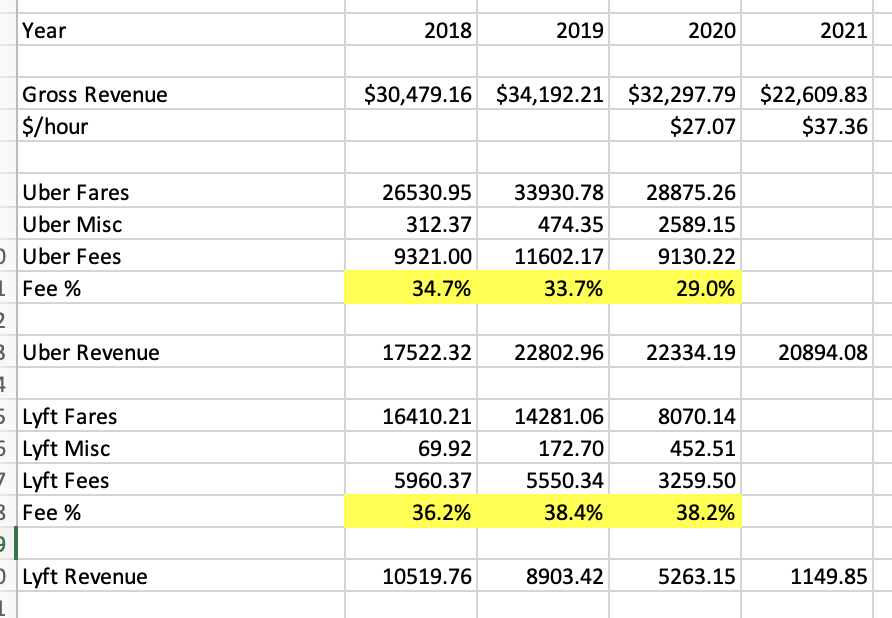
It’s crucial to acknowledge that the gross earnings are not the net income. Uber deducts a service fee from each fare, which varies but generally falls within a percentage range. Drivers are also responsible for a host of expenses, including fuel, vehicle maintenance, insurance, and the cost of their smartphone and data plan. For drivers operating in New York, the wear and tear on their vehicles can be particularly high due to heavy traffic and road conditions. Additionally, Uber drivers are classified as independent contractors, meaning they are responsible for their own taxes, including self-employment taxes.
Factors Influencing Driver Income
The average income often cited for Uber drivers can be misleading without considering the myriad of factors that contribute to individual earnings. The success of a driver in New York hinges on more than just logging in; it involves strategic planning, understanding the city’s unique rhythm, and efficient resource management.
Driving Hours and Schedule
The most direct determinant of income is the amount of time a driver spends on the road. Drivers who work longer hours, particularly during peak times and weekends, generally stand to earn more. However, “peak times” in New York can be quite nuanced. While traditional rush hours are busy, late nights in entertainment districts like the Lower East Side or areas around Madison Square Garden can also be highly lucrative. Drivers who can maintain a consistent schedule, adapt to changing demand patterns, and balance their working hours with personal needs are often the most successful.
Location and Time of Day
New York is a city of distinct neighborhoods, each with its own driving dynamics. Areas with high tourist traffic, such as near the Empire State Building or Rockefeller Center, might offer a steady stream of rides. However, these areas can also be subject to congestion. Drivers who understand the ebb and flow of different parts of the city – from the financial district during weekdays to the theater district in the evenings – can optimize their routes and minimize downtime. Moreover, the time of day is critical; early mornings and late nights, especially on weekends, often coincide with higher demand and surge pricing.
Vehicle Type and Expenses
The type of vehicle a driver uses also plays a role. While Uber offers different service tiers (e.g., UberX, Uber Black), a more comfortable or premium vehicle might attract higher-paying fares. However, such vehicles also come with higher purchase or lease costs, insurance premiums, and potentially greater maintenance expenses. The fuel efficiency of the vehicle is another significant factor, especially in a city where drivers often spend a considerable amount of time idling in traffic. Drivers must carefully weigh the potential for higher earnings with the increased operating costs associated with different vehicle types.
Navigating the Financial Landscape
For aspiring or current Uber drivers in New York, a proactive and informed approach to managing finances is paramount. This isn’t just about driving; it’s about running a small business on wheels within one of the world’s most demanding urban environments.
Estimating Net Earnings
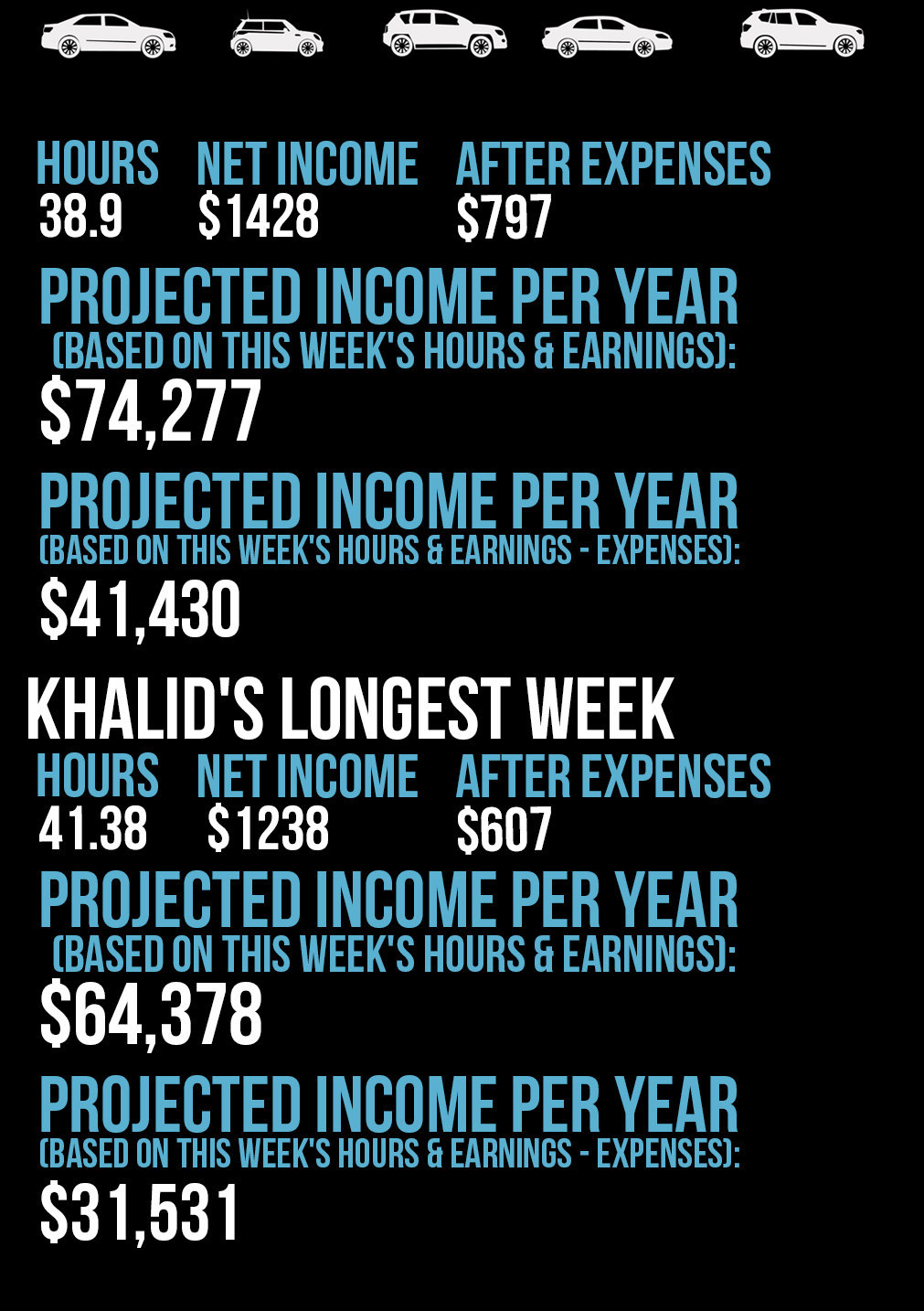
To get a realistic picture of net earnings, drivers need to meticulously track their income and expenses. While online calculators and anecdotal reports offer starting points, a personalized approach is best. This involves:
- Gross Income: Summing up all fares, including surge pricing and incentives, before Uber’s commission.
- Uber Fees: Subtracting the service fee Uber takes from each ride.
- Operating Expenses: Deducting costs for fuel, maintenance, insurance, vehicle depreciation, tolls, parking, and any professional services like accounting.
- Taxes: Setting aside funds for federal, state, and city income taxes, as well as self-employment taxes.
Many drivers find it beneficial to use accounting software or spreadsheets to keep precise records. This meticulous tracking not only helps in understanding true profitability but is also essential for tax filing.
Tax Obligations and Deductions
As independent contractors, Uber drivers are responsible for paying self-employment taxes, which cover Social Security and Medicare. They must also pay federal and state income taxes. Fortunately, drivers can claim various business expenses as deductions, significantly reducing their taxable income. These deductions can include:
- Vehicle Expenses: A portion of costs related to vehicle operation, such as gas, oil changes, repairs, and registration fees. Drivers can choose between deducting actual expenses or using the standard mileage rate provided by the IRS.
- Phone and Internet Costs: A portion of monthly bills for communication devices used for driving.
- Car Washes and Detailing: Maintaining a clean and presentable vehicle is part of the job.
- Commissions and Fees: Any fees paid to third-party services for business purposes.
- Mileage Tracking Apps: Subscriptions to apps that help track mileage for tax purposes.
Consulting with a tax professional who specializes in gig economy workers is highly recommended for Uber drivers in New York. They can ensure compliance with tax laws and help identify all eligible deductions.
Long-Term Financial Planning
For many, driving for Uber is a primary source of income, while for others, it’s a supplementary earner. Regardless of the role it plays, long-term financial planning is crucial. This includes:
- Saving for Retirement: Uber drivers do not have employer-sponsored retirement plans, so proactive saving through individual retirement accounts (IRAs) or other investment vehicles is essential.
- Health Insurance: Drivers are responsible for securing their own health insurance.
- Emergency Fund: Building an emergency fund to cover unexpected expenses, such as vehicle repairs or periods of reduced work, provides financial stability.
- Future Vehicle Investment: Planning for eventual vehicle replacement or upgrade is a significant long-term consideration.
By understanding the earning potential, the influencing factors, and diligently managing finances, Uber drivers in New York can build a sustainable and potentially profitable career within the vibrant, ever-moving landscape of the city. The opportunities are present, but they require a blend of hustle, intelligence, and strategic foresight.
LifeOutOfTheBox is a participant in the Amazon Services LLC Associates Program, an affiliate advertising program designed to provide a means for sites to earn advertising fees by advertising and linking to Amazon.com. Amazon, the Amazon logo, AmazonSupply, and the AmazonSupply logo are trademarks of Amazon.com, Inc. or its affiliates. As an Amazon Associate we earn affiliate commissions from qualifying purchases.