
Navigating the gig economy in New York is a complex endeavor, particularly for those looking to understand the financial reality of driving for ride-sharing platforms. As one of the most densely populated and mobile cities in the world, the demand for point-to-point transportation is constant. However, for drivers operating within the United States, the income landscape is shaped by unique legislative frameworks, fuel costs, and the high standard of living required to reside in the metropolitan area.
The Regulatory Framework and Minimum Pay Standards
Unlike many other regions, New York City has implemented specific protections for gig workers. The Taxi and Limousine Commission (TLC) plays a pivotal role in ensuring that drivers are compensated fairly, effectively creating a “floor” for earnings.

Understanding the TLC Pay Rules
The TLC introduced a minimum pay standard designed to ensure that ride-share drivers earn a living wage after accounting for the significant expenses of operating a vehicle in a congested urban environment. This formula takes into account the time spent waiting for a trip and the time spent actively transporting passengers. By mandating a minimum per-mile and per-minute rate, the commission has transformed the way platforms calculate driver payouts.
The Impact on Gross vs. Net Income
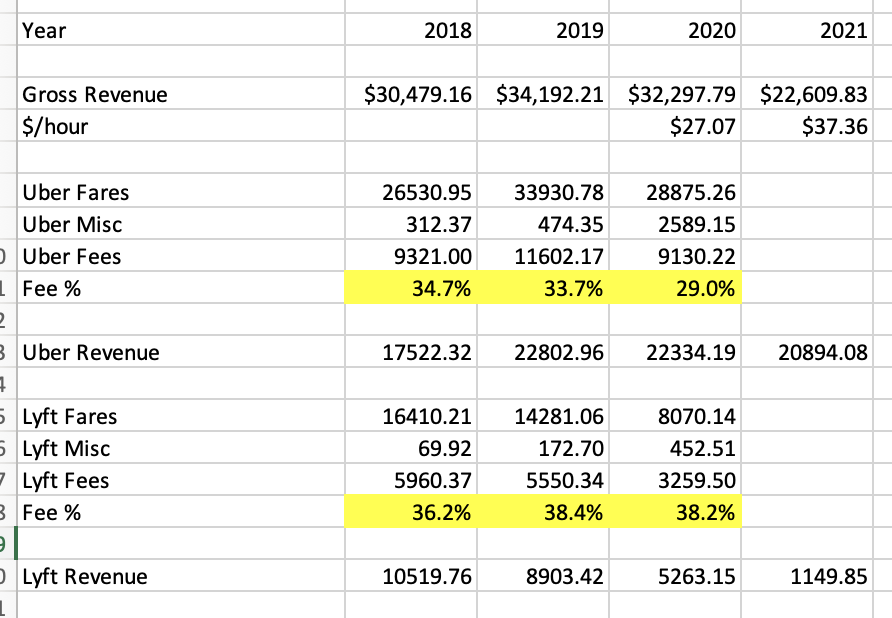
While the gross numbers might appear substantial to an outsider, it is crucial to distinguish between total earnings and take-home pay. A driver in Manhattan might generate significant revenue during peak hours, but that figure does not reflect the necessary deductions. Expenses such as commercial insurance, vehicle maintenance, tolls, and the ever-present cost of parking in boroughs like Brooklyn or Queens significantly erode the bottom line. Professional drivers must be adept at calculating these costs to truly understand their net profit margin.
Factors Influencing Earning Potential
Several variables dictate the daily, weekly, and monthly earnings of an Uber driver. It is rarely a flat rate, and success often depends on strategy, timing, and geographic focus.
Strategic Timing and Peak Demand
The ebb and flow of the city dictates earning spikes. Early morning commutes to Wall Street or late-night shifts near the nightlife hubs of the Lower East Side offer higher potential for surge pricing. Understanding the “pulse” of the city is an essential skill. Drivers who can anticipate demand patterns—such as the rush to JFK International Airport or LaGuardia Airport—tend to see a higher return on their time investment.
Vehicle Selection and Operating Costs
The type of vehicle an individual chooses to drive significantly influences their profit. While luxury vehicles or larger SUVs might qualify for higher-tier ride options, they often come with higher fuel consumption, insurance premiums, and maintenance costs. In a city where traffic congestion is a constant, fuel efficiency often outweighs the prestige of a luxury vehicle. Hybrid and electric vehicles have become the preferred choice for many, as they allow for lower operating costs while maintaining compliance with local environmental initiatives.
The Reality of Living and Working in the Metropolis
The financial picture of a driver is inextricably linked to the broader economic environment of the city. Earning a decent living requires balancing income against the high costs associated with living in New York City.
Navigating Traffic and Congestion
Times Square and other major hubs are notorious for gridlock. For an Uber driver, time is the most valuable commodity. Being stuck in traffic means an inability to accept new rides, effectively pausing one’s earning potential. Experienced drivers often rely on intricate knowledge of side streets and patterns to minimize time spent stationary. This expertise is not just about convenience; it is a direct contributor to the total monthly income.
Balancing Professional Demands with Personal Life
The “gig” nature of the work offers unparalleled flexibility, which is often cited as the primary reason individuals choose this career path. Whether picking up kids from school in The Bronx or balancing driving with other entrepreneurial pursuits, the ability to control one’s schedule is a non-monetary benefit. However, the pressure to reach specific income goals can lead to long hours, which must be carefully managed to avoid burnout.
Future Outlook for Rideshare Earnings
The landscape of gig work is perpetually shifting. As technology evolves and legislative bodies continue to refine labor laws, drivers must remain agile.
The Rise of Electric Vehicles and Charging Infrastructure
As the city pushes toward greener transportation, many drivers are transitioning to electric fleets. While the initial investment can be higher, government incentives and the long-term savings on fuel are creating a new economic baseline for drivers. As charging infrastructure improves across Staten Island and the outer boroughs, the barrier to entry for eco-friendly driving is decreasing, potentially increasing long-term net earnings.

Platform Competition and Dynamic Pricing
The market remains competitive. With multiple ride-sharing apps operating within the city, drivers often juggle multiple platforms to ensure their vehicle is rarely empty. This multi-app strategy allows drivers to compare offerings in real-time, effectively seeking the highest bidder for their time and vehicle. While platforms continue to adjust their algorithms, the fundamental principle remains: drivers who treat their rideshare work as a professional business—analyzing their data, managing their overhead, and optimizing their hours—consistently outperform those who approach it casually.
Ultimately, “how much” a driver makes is a question of effort, strategy, and fiscal management. While the base rates provide a safety net, the ability to capitalize on local demand and manage high city-based operating costs defines the difference between a side hustle and a sustainable career. For those willing to learn the rhythm of the streets and navigate the intricacies of the city’s economic landscape, the rewards can be significant, offering a path to financial stability in one of the most vibrant, albeit expensive, cities in the world.
LifeOutOfTheBox is a participant in the Amazon Services LLC Associates Program, an affiliate advertising program designed to provide a means for sites to earn advertising fees by advertising and linking to Amazon.com. Amazon, the Amazon logo, AmazonSupply, and the AmazonSupply logo are trademarks of Amazon.com, Inc. or its affiliates. As an Amazon Associate we earn affiliate commissions from qualifying purchases.