
The allure of the Last Frontier often comes with a persistent whisper: “Don’t you get paid to live in Alaska?” This intriguing question sparks curiosity and paints a picture of a state so rich in resources or unique in its challenges that it offers financial incentives to its residents. While the reality is more nuanced than simply being handed a paycheck for existing within its borders, Alaska does present a distinctive economic landscape that rewards long-term residency and offers unique opportunities not found elsewhere. For those considering a lifestyle shift to the 49th state, understanding these financial dynamics is crucial. This article delves into the truth behind the myth, exploring the actual financial benefits, the economic realities, and what it truly means to make a living in the vast, beautiful expanse of Alaska.
Unpacking the Myth: Is Alaska Really Paying You to Live There?
The short answer to whether Alaska pays you to live there is both a yes and a no. The persistent myth largely stems from one significant program: the Alaska Permanent Fund Dividend (PFD). This annual payment to eligible residents is unique in the United States and is often misconstrued as a general payment for residency. While it does provide a direct financial benefit, it’s essential to understand its origins, purpose, and limitations to gain a clear picture.
The Alaskan Permanent Fund Dividend (PFD): Reality vs. Perception
The Alaska Permanent Fund Dividend is not a welfare program nor a direct salary for living in Alaska. Instead, it is an annual distribution of the earnings from the Alaska Permanent Fund, a constitutionally protected trust fund established in 1976. This fund was created to manage a portion of the state’s vast oil revenues for the benefit of all present and future Alaskans. The idea was to convert a non-renewable resource, oil, into a renewable financial resource, ensuring that future generations would also benefit from the state’s natural wealth.
The PFD, therefore, is a direct result of Alaska’s oil boom and a forward-thinking policy to share the state’s prosperity directly with its citizens. It’s an investment dividend, not a payment for simply occupying space. This distinction is vital for anyone evaluating the financial implications of moving to the state. It’s a bonus, a supplement, but not a primary income source for most residents.
Understanding Eligibility and Annual Payouts
To be eligible for the Alaska Permanent Fund Dividend, an individual must be a resident of Alaska for a full calendar year preceding the application, and intend to remain an Alaska resident indefinitely. There are also requirements regarding physical presence in the state and not claiming residency in any other state or country. Certain felony convictions or incarcerations can also affect eligibility.
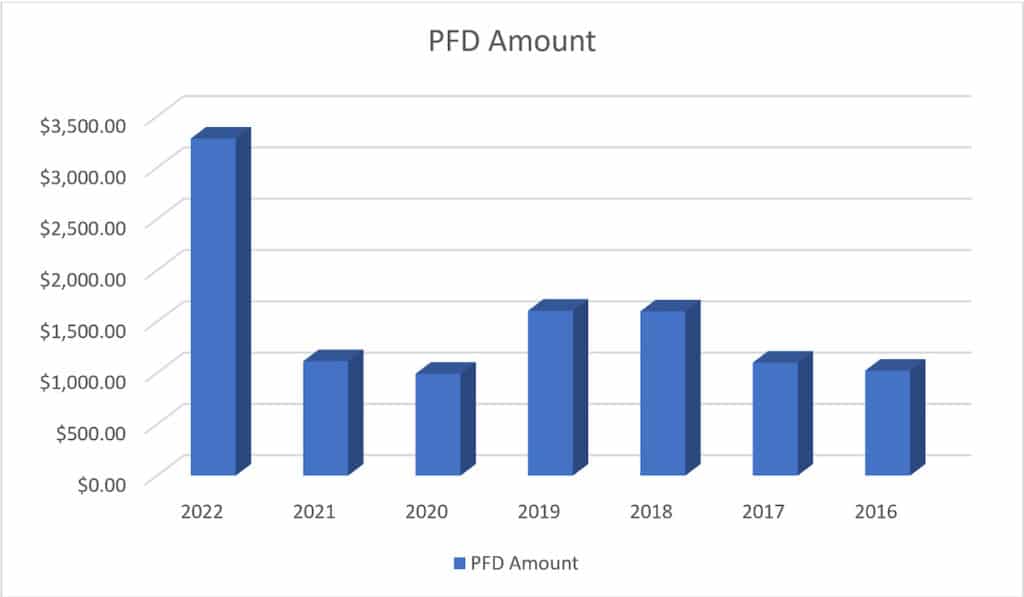
The amount of the PFD varies significantly from year to year, as it is based on a five-year average of the Alaska Permanent Fund’s statutory net income. It is not a fixed amount and can fluctuate dramatically based on market performance and legislative decisions. For example, recent payouts have ranged from just over $1,000 to over $3,000 per eligible individual. While a family of four might receive a substantial sum (e.g., $10,000 in a good year), it’s far from a living wage, especially considering Alaska’s higher cost of living. The PFD is best viewed as a valuable annual bonus that contributes to the overall financial landscape of living in Alaska, rather than the sole reason or primary means of financial support.
Beyond the PFD: Other Financial Incentives and Economic Realities
While the PFD captures much of the public imagination, the true financial picture of living in Alaska is shaped by its unique economic structure, driven by resource-rich industries and the demands of its remote location. The state offers distinct opportunities for high earnings in certain sectors, but these often come with a trade-off: a significantly higher cost of living.
Resource-Rich Industries and High Wages
Alaska’s economy is heavily reliant on its natural resources. Oil and gas, commercial fishing, and mining form the backbone of many industries, often leading to higher-than-average wages compared to the national standard. The specialized skills required for these fields, coupled with the often challenging working conditions and seasonal demands, command premium pay. For instance, jobs on the North Slope oil fields can offer six-figure incomes, as can experienced commercial fishermen during peak seasons. Even entry-level positions in these sectors often pay more than comparable jobs in the lower 48 states. This isn’t a payment for living in Alaska, but rather compensation for skilled labor within its dominant industries.
Specific Sector Opportunities (Oil & Gas, Fishing, Tourism, Healthcare)
- Oil & Gas: The North Slope, particularly the Prudhoe Bay oil field, is a major economic driver. Opportunities range from engineers and technicians to logistics and support staff. These positions often involve “fly-in/fly-out” rotations, meaning workers might spend weeks on-site and then have weeks off, often with all living expenses covered while on the job.
- Commercial Fishing: Alaska boasts some of the richest fishing grounds in the world. Deckhands, skippers, and processing plant workers can earn substantial sums during intense, often dangerous, fishing seasons. The Bering Sea crab fishery, made famous by TV, is just one example of highly lucrative, albeit challenging, work.
- Tourism: With stunning national parks like Denali National Park and a thriving cruise ship industry, tourism provides numerous seasonal jobs. While these might not pay as highly as oil or fishing, they offer opportunities in hospitality, guiding, transportation, and retail, especially in cities like Anchorage, Juneau, and Seward.
- Healthcare: Due to its vast distances and often remote communities, Alaska has a constant demand for healthcare professionals. Doctors, nurses, and allied health workers are often offered competitive salaries, signing bonuses, and even housing assistance, particularly in rural areas, to attract talent.
- Education: Similarly, educators, especially in remote communities, often receive higher salaries and benefits packages to compensate for the isolation and challenges of living away from larger population centers.
The Trade-off: High Cost of Living
The flip side of high wages is Alaska’s notoriously high cost of living. Nearly everything, from groceries to construction materials, must be imported, often by air or sea, which significantly inflates prices. Housing, especially in population centers, can be expensive, and utilities are often higher due to the need for heating and the challenges of infrastructure in extreme climates. This means that while you might earn more, your purchasing power might not stretch as far as it would in many other parts of the United States. Understanding this balance is critical to assessing the true financial benefit of living in Alaska.
Navigating Alaska’s Unique Economic Landscape
Successfully living and thriving in Alaska financially requires a keen awareness of its unique economic landscape, where high wages meet high costs, and logistics play a significant role in daily expenses.
Cost of Housing Across Alaskan Cities
Housing costs vary considerably depending on the region and city.
- Anchorage: As Alaska’s largest city, Anchorage offers the most diverse housing market but also some of the highest prices. Median home prices and rents are comparable to, or even exceed, those in many major United States cities.
- Fairbanks: The interior hub, Fairbanks, generally has slightly lower housing costs than Anchorage, but still above the national average. Rental markets can be competitive, especially with military personnel stationed at Fort Wainwright and Eielson Air Force Base.
- Juneau: The state capital, accessible only by air or sea, presents unique housing challenges. Its island-like isolation and limited land for development drive up housing costs significantly, often making it one of the most expensive places to live in Alaska.
- Rural Areas: While some remote areas might have lower property values, the availability of amenities, infrastructure, and job opportunities is vastly different, often requiring a highly self-sufficient lifestyle.
For those planning to move, exploring specific community housing markets thoroughly is paramount.
Groceries, Utilities, and Transportation Challenges
Beyond housing, everyday expenses can quickly add up. Groceries can be 30-80% higher than in the lower 48, especially for fresh produce and dairy. Utility bills, particularly heating in the long, cold winters, can be staggering. Many homes rely on fuel oil, which can be expensive and needs careful management. Transportation is another major consideration; gasoline prices are often higher, and owning a reliable vehicle capable of handling Alaskan winters is almost a necessity outside of downtown Anchorage or Juneau. Air travel, often the only way to reach many communities, is expensive, making trips outside the state a significant financial outlay.
Tax Advantages and Disadvantages
Alaska offers some unique tax advantages that can partially offset the high cost of living. There is no state income tax, and no statewide sales tax (though some municipalities do levy local sales taxes). This means more of your earned income stays in your pocket. Property taxes also vary by municipality but are generally not excessive compared to some high-tax states. However, these benefits must be weighed against the increased cost of goods and services, and the fact that the PFD itself is taxable income at the federal level, though not by the state.
Lifestyle and Long-Term Financial Considerations
Living in Alaska is more than just a financial transaction; it’s a profound lifestyle choice. The financial incentives and challenges are deeply intertwined with the quality of life, the availability of outdoor pursuits, and the unique community spirit.
Quality of Life vs. Financial Output
Many Alaskans find that the unparalleled access to wilderness, outdoor activities, and a strong sense of community far outweigh the financial hurdles. The opportunity for hunting, fishing, hiking, skiing, and simply experiencing vast, unspoiled nature is a priceless aspect of the Alaskan lifestyle. While you might earn more and potentially receive the PFD, the true “payment” for living in Alaska often comes in the form of these intangible benefits and experiences. It’s a trade-off between maximizing financial output and optimizing for a specific quality of life. For those who prioritize outdoor adventure, rugged independence, and a close-knit community, Alaska offers a richness that money alone cannot buy.
Planning for a Sustainable Alaskan Lifestyle
To make a sustainable financial life in Alaska, careful planning is essential. This includes:
- Emergency Fund: Having a robust emergency fund is critical due to higher costs and potential logistical challenges.
- Budgeting for High Costs: Factor in significantly higher budgets for groceries, heating, and transportation.
- Seeking High-Demand Jobs: Targeting industries with competitive wages (oil, fishing, healthcare, education) will be most beneficial.
- Utilizing Local Resources: Learning to fish, hunt, and forage can significantly reduce grocery bills and enhance self-sufficiency.
- Community Engagement: Becoming part of the local community can lead to shared resources and support networks.

Is Alaska the Right Financial Move for You?
Ultimately, the question of “How much do you get paid for living in Alaska?” transcends a simple monetary figure. While the Alaska Permanent Fund Dividend is a real, annual financial benefit, it is not a direct payment for residency. Instead, the financial appeal of Alaska lies in its potential for high earnings in specialized, resource-driven industries, coupled with unique tax advantages. However, these are balanced by a significantly higher cost of living and the logistical challenges of a remote, demanding environment.
For individuals seeking high-paying opportunities in specific sectors, embracing a rugged lifestyle, and valuing unparalleled access to wilderness, Alaska can be an incredibly rewarding place to live, both financially and experientially. For others, the high costs and remoteness might outweigh the benefits. A successful move to Alaska requires a clear-eyed understanding of its economic realities, a robust financial plan, and a genuine appreciation for the unique lifestyle it offers. It’s not about being paid to exist, but about earning a living within a remarkable and challenging environment that offers its own profound rewards.
LifeOutOfTheBox is a participant in the Amazon Services LLC Associates Program, an affiliate advertising program designed to provide a means for sites to earn advertising fees by advertising and linking to Amazon.com. Amazon, the Amazon logo, AmazonSupply, and the AmazonSupply logo are trademarks of Amazon.com, Inc. or its affiliates. As an Amazon Associate we earn affiliate commissions from qualifying purchases.