
The Lone Star State, renowned for its vast landscapes, rich history, and thriving cities, also attracts a significant law enforcement presence. Texas is a state where the iconic cowboy spirit meets modern urban development, and keeping the peace across its diverse geography requires a dedicated police force. For those considering a career in law enforcement within Texas, or simply curious about the economic realities of police work in this dynamic state, understanding salary expectations is crucial. This exploration delves into the compensation of police officers in Texas, examining the factors that influence their earnings and providing a comprehensive overview of what a cop can make.
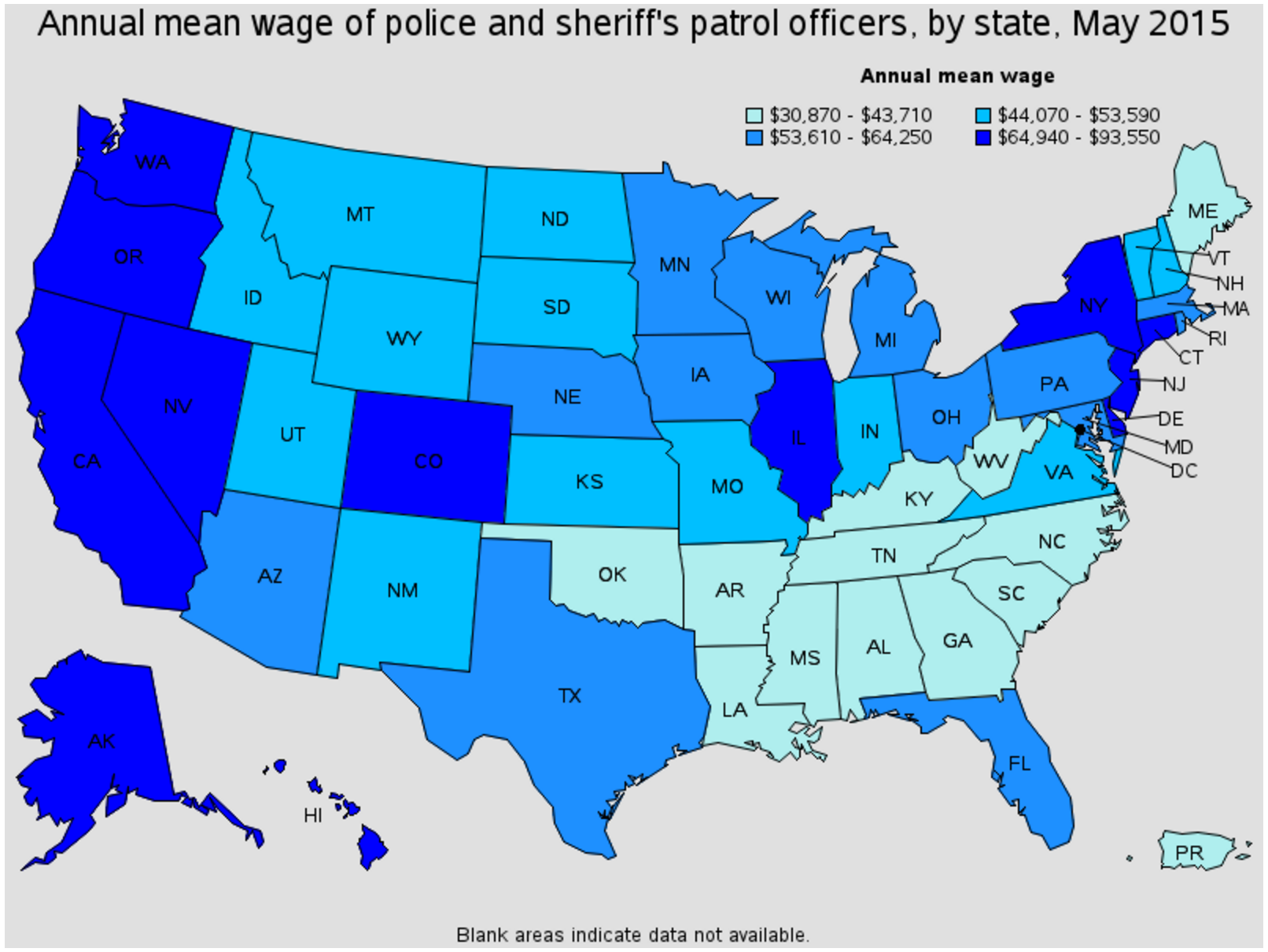
Understanding Police Officer Compensation in Texas
The question of “How Much Does A Cop Make In Texas?” is multifaceted, with no single answer. Salaries for police officers are not uniform and are influenced by a confluence of variables. These include the specific law enforcement agency (city police department, county sheriff’s office, state trooper division), the officer’s rank and experience, the cost of living in the specific Texas city or region, and any specialized duties or assignments they may hold. While the allure of public service and the commitment to upholding the law are primary motivators for many in this profession, financial compensation remains a significant consideration for career longevity and personal well-being.
Factors Influencing Police Officer Salaries
Several key elements contribute to the variance in police officer salaries across Texas. Understanding these factors provides a clearer picture of the compensation landscape.
Experience and Rank
Like most professions, policing rewards experience and advancement. An entry-level police officer, fresh out of the academy, will typically earn less than a seasoned detective or a police sergeant with years of service. Promotion to higher ranks, such as lieutenant, captain, or chief, comes with increased responsibilities and, consequently, higher pay. The progression through these ranks is often tied to performance, further education, and departmental needs. An officer who has dedicated a decade or more to serving the community can expect a substantial increase in their base salary compared to their initial earnings.
Department Size and Location
The sheer size of a law enforcement agency and its geographical location play a critical role in salary determination. Larger departments in major metropolitan areas like Houston, Dallas, San Antonio, or Austin often have more resources and can afford to offer competitive salaries to attract and retain qualified officers. These urban centers, with their bustling economies and higher cost of living, tend to have higher police salaries than smaller towns or rural communities in more remote parts of Texas. For example, an officer working in the heart of Dallas might earn more than an officer in a town with a population of a few thousand, even if both are state-certified peace officers. The demand for law enforcement services in densely populated areas also contributes to this disparity.
Specialized Units and Duties
Beyond the standard patrol duties, many police departments offer opportunities for officers to join specialized units. These roles, which can include working in a SWAT team, narcotics, K-9 units, forensic investigations, or as a detective, often come with additional pay or stipends. The specialized training, higher risk, and unique skill sets required for these positions are typically compensated. For instance, an officer assigned to a federal task force in El Paso might receive different compensation than one solely focused on local traffic enforcement. These specialized roles can significantly boost an officer’s overall earning potential.
Education and Certifications
While a high school diploma or GED is generally the minimum educational requirement for police academies in Texas, pursuing further education can sometimes lead to better opportunities and higher pay. An associate’s or bachelor’s degree in criminal justice, criminology, or a related field can make an applicant more competitive and may even be a prerequisite for certain advanced roles or promotions. Additionally, obtaining specialized certifications in areas like advanced accident investigation, crisis intervention, or firearms proficiency can also enhance an officer’s value and earning capacity.
Benefits Packages
It is imperative to consider the entire compensation package, not just the base salary. Police officers in Texas typically receive comprehensive benefits that significantly add to their overall financial well-being. These often include health insurance, dental and vision coverage, life insurance, and robust retirement plans, such as defined-benefit pensions. Paid time off, including vacation days, sick leave, and holidays, is also a standard component. For many officers, the security of a stable retirement plan and excellent healthcare benefits are as valuable as their take-home pay. Understanding the specifics of each department’s benefits package is essential when evaluating a job offer.

Salary Ranges for Police Officers in Texas
To provide a more concrete understanding of police officer earnings in Texas, let’s examine some typical salary ranges. These figures are approximate and can fluctuate based on the aforementioned factors.
Entry-Level and Experienced Officers
For an entry-level police officer in Texas, the starting salary can vary considerably. In smaller towns, it might range from approximately $40,000 to $50,000 annually. As officers gain experience, their salaries increase. After five to ten years on the force, an officer’s salary could rise to $50,000 to $70,000 per year, depending on the department and their progression. Experienced officers, especially those in supervisory roles or specialized units, can earn significantly more.
Senior Officers and Detectives
Senior police officers and detectives, with a decade or more of experience and potentially a higher rank, often see their annual earnings climb into the $60,000 to $80,000 range. In some of the larger Texas cities, with their higher cost of living and more complex policing demands, highly experienced officers or those in specialized detective roles might even exceed $80,000 or $90,000 annually. Some command staff, like captains or chiefs of police in major departments, can earn well into six figures. For example, a Police Chief in a large city like Fort Worth would likely command a salary considerably higher than a patrol officer in a smaller county.
Sheriff’s Deputies and State Troopers
The compensation for sheriff’s deputies and Texas Department of Public Safety (DPS) troopers also follows a similar pattern of experience and rank dictating pay. Sheriff’s deputies in Texas counties typically earn salaries comparable to municipal police officers, with variations based on the county’s budget and population. Texas DPS troopers, tasked with enforcing state laws and providing highway safety across the vast expanse of Texas, also have salary structures that increase with tenure and rank. Entry-level troopers might start in the $50,000s, with seasoned veterans earning considerably more, often with a strong benefits package.
How to Research Specific Police Salaries in Texas
For individuals who are seriously considering a career in law enforcement in Texas or are looking for specific data, there are several avenues for research. Direct inquiry with departments is often the most accurate method.
Direct Department Inquiries
The most reliable way to determine precise salary ranges is to contact the human resources departments of the specific Texas police departments or sheriff’s offices you are interested in. Most agencies will publicly provide salary schedules or offer this information upon request. You can often find this information on their official websites. For instance, if you are interested in becoming a police officer in Plano, visiting the City of Plano official website and navigating to their police department or employment section would be a good starting point.
Online Salary Aggregators and Government Data
Various online platforms compile salary data for different professions. Websites like the Bureau of Labor Statistics (BLS), Glassdoor, Indeed, and Salary.com offer estimated salary ranges for police officers in Texas, often broken down by city. While these figures are estimates and may not be as precise as direct departmental data, they can provide a valuable overview and allow for comparisons between different areas. Official government data, such as that from the Texas Workforce Commission, can also offer insights into wage trends within the state for law enforcement occupations.

Exploring Job Postings
Actively monitoring job boards and the career pages of Texas law enforcement agencies will provide real-time information on current openings and their advertised salary ranges. Many agencies will list the starting salary and potential for increases based on experience and rank directly in their job advertisements. This is a practical way to stay informed about opportunities and the compensation packages being offered at any given time.
In conclusion, the question of “How Much Does A Cop Make In Texas?” leads to a spectrum of answers influenced by experience, rank, location, and the specific agency. While salaries vary, police work in Texas offers a career path with opportunities for advancement and a comprehensive benefits package that contributes significantly to overall compensation. The dedication to serving and protecting the citizens of Texas is matched by a compensation structure that aims to attract and retain qualified individuals in this vital profession.
LifeOutOfTheBox is a participant in the Amazon Services LLC Associates Program, an affiliate advertising program designed to provide a means for sites to earn advertising fees by advertising and linking to Amazon.com. Amazon, the Amazon logo, AmazonSupply, and the AmazonSupply logo are trademarks of Amazon.com, Inc. or its affiliates. As an Amazon Associate we earn affiliate commissions from qualifying purchases.