
Navigating the complexities of divorce is, by nature, a challenging journey, both emotionally and financially. While the emotional toll is often front and center, understanding the financial implications, particularly “How Much Does A Divorce Cost In Texas?” is crucial for anyone facing this significant life transition. For those who value a lifestyle enriched by travel, diverse accommodations, and cultural experiences, the financial fallout of divorce can dramatically reshape future plans, making careful budgeting and strategic planning more important than ever. This article delves into the various costs associated with divorce in the Lone Star State and explores how these expenditures can impact one’s ability to maintain a desired lifestyle, from luxury travel to discovering local Texas landmarks.
Understanding the Financial Landscape of Divorce in Texas
The cost of divorce in Texas is not a fixed sum; it’s a spectrum influenced by a multitude of factors, ranging from the complexity of assets to the willingness of both parties to cooperate. These costs directly impact a person’s disposable income, which in turn affects their ability to indulge in travel destinations, book comfortable hotels, or experience unique tourism activities.
Initial Filing Fees and Administrative Costs
Every divorce proceeding in Texas begins with a fundamental set of administrative costs. The most prominent is the filing fee for the Original Petition for Divorce, which typically ranges from $250 to $350, depending on the specific Texas county (e.g., Harris County, Dallas County, or Travis County). Beyond this initial fee, there might be additional expenses for serving the divorce papers to your spouse, which can cost anywhere from $75 to $150 if handled by a private process server or a sheriff’s deputy. Other minor administrative fees might include court reporter fees, copying costs for documents, or notary public charges. While these individual amounts might seem modest, they are the baseline expenditures that every divorcing individual must budget for, regardless of the complexity of their case. For those accustomed to spontaneous weekend getaways or booking boutique hotels for relaxation, these upfront costs are the first nudge towards re-evaluating their immediate discretionary spending.
Attorney Fees: The Primary Variable
The most significant and variable component of divorce costs in Texas is attorney fees. The hourly rates for divorce attorneys in major Texas cities like Houston, Dallas, Austin, and San Antonio can range dramatically, from $200 per hour for less experienced lawyers to upwards of $500 per hour for highly specialized or renowned practitioners. Most attorneys require an upfront retainer, which can vary from $2,500 to $10,000 or more, depending on the anticipated complexity of the case.
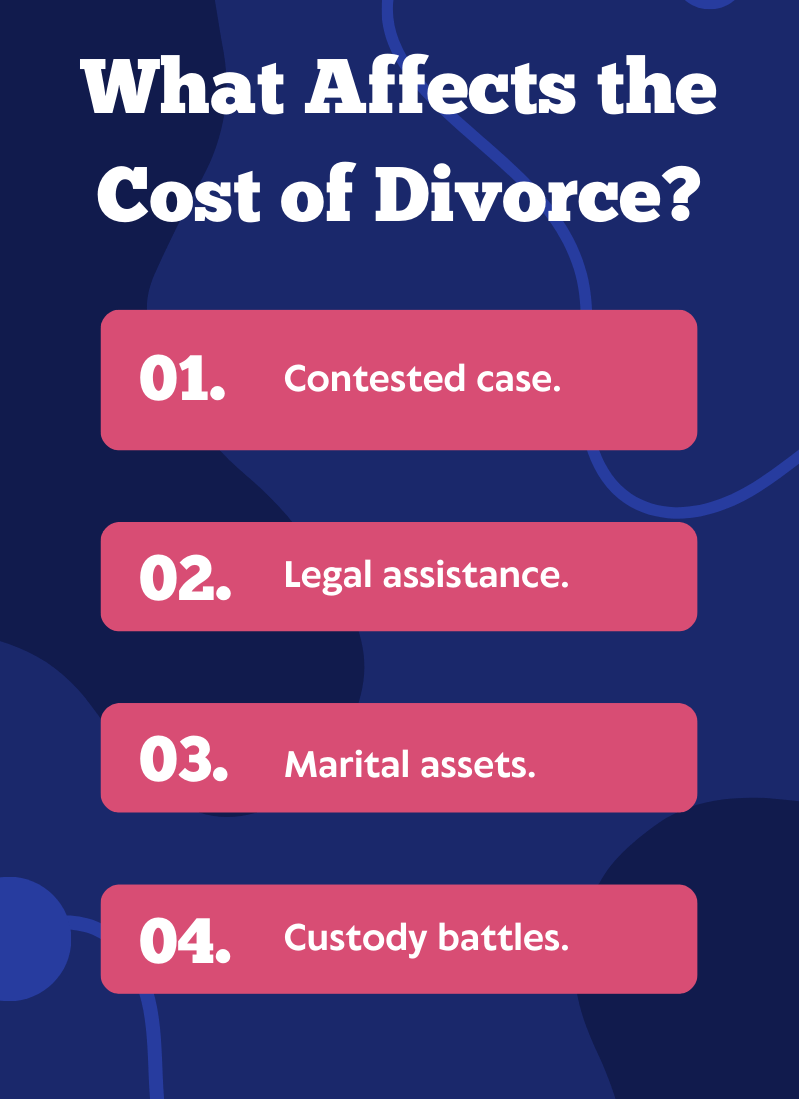
The total amount spent on legal fees hinges on several critical factors:
- Contested vs. Uncontested Divorce: An uncontested divorce, where both parties agree on all terms (asset division, child custody, spousal support) and work cooperatively, is by far the least expensive. These cases might involve minimal attorney intervention, sometimes just for drafting and reviewing documents, potentially costing between $2,500 and $7,500 in total legal fees. This allows individuals to quickly move on and perhaps even plan a “fresh start” trip to places like South Padre Island or a relaxing stay at a resort.
- Contested Divorce: Conversely, a contested divorce, where disagreements exist on significant issues, can quickly escalate costs. Each point of contention requires attorney time for negotiation, discovery, motions, and potentially court hearings or trial preparation. A moderately contested divorce might cost $10,000 to $25,000, while highly contentious cases, especially those involving complex assets, businesses, or intense child custody battles, can easily exceed $50,000, and sometimes even reach into six figures. Such substantial legal expenditures can severely impact one’s ability to afford future luxury travel or extended accommodation options like villas or long-term stays. The dream of exploring international destinations or staying in premium suites might need to be put on hold for several years as financial recovery takes precedence.
Beyond Legal Fees: Hidden Expenses
While attorney fees form the bulk of the cost, divorces often involve other “hidden” expenses that can add up quickly, further depleting resources that might otherwise be allocated to travel experiences or upgrading one’s lifestyle.
- Mediator Fees: Many Texas courts require mediation for contested divorces. Mediators facilitate discussions between parties to reach an amicable settlement outside of court. Their fees typically range from $150 to $500 per hour, often split between both spouses. Even if successful, this is an additional cost.
- Expert Witness Fees: In cases involving complex financial portfolios, business valuations, or child custody evaluations, expert witnesses may be required. Forensic accountants, real estate appraisers, business valuators, or child psychologists charge substantial hourly rates, often from $200 to $700 per hour, and can significantly inflate total costs.
- Court Appointed Attorneys/Guardians Ad Litem: In child-related disputes, the court may appoint an attorney for the child or a Guardian Ad Litem to represent the child’s best interests. Their fees are typically paid by the parents and can add thousands of dollars to the total.
- Temporary Orders: If temporary orders are needed for child support, spousal support, or temporary use of property during the divorce process, these require additional attorney time and potentially court hearings, driving up costs.
- Discovery Costs: Gathering financial documents, depositions, and subpoenas all incur costs, from court reporter fees to copying and processing.
These cumulative expenses can quickly diminish savings, redirecting funds that might have been earmarked for a family trip to the Alamo or a celebratory staycation at the JW Marriott San Antonio Hill Country Resort & Spa. Understanding these potential pitfalls allows for more realistic financial planning during an already stressful period.
The Lifestyle Impact: Navigating Post-Divorce Travel and Living
The financial outcome of a Texas divorce directly shapes an individual’s post-divorce lifestyle, especially concerning travel, accommodation, and general discretionary spending. For many, divorce means a significant adjustment to their financial capacity and, consequently, their dreams of exploring new destinations or enjoying certain amenities.
Reassessing Your Travel Budget
Prior to divorce, a couple might have enjoyed annual international trips, frequent weekend getaways, or stays in luxury hotels like The Driskill Hotel in Austin or the Hyatt Regency Dallas. Post-divorce, a re-evaluation of the travel budget is often inevitable. Legal fees and the division of assets can drastically reduce available funds for leisure.
This doesn’t mean travel ends; rather, it often transforms. Many individuals transition from luxury travel to more conscious budget travel. This might involve:
- Exploring Local Texas Attractions: Instead of an expensive international flight, a road trip to Big Bend National Park or exploring the vibrant San Antonio River Walk might become the new norm. These local destinations offer rich experiences and a chance to appreciate Texas’s nature and history without breaking the bank.
- Opting for Value Accommodation: Instead of five-star resorts, choosing comfortable apartments, guesthouses, or even camping can significantly cut costs. Websites offering booking and comparison tools become indispensable for finding the best deals and reading reviews.
- Prioritizing Experiences Over Extravagance: Focusing on unique local culture, food tours, or adventure activities rather than opulent spending can still provide fulfilling travel memories within a tighter budget.
Financial guides and tips on smart spending become essential tools for those rebuilding their financial lives while still wishing to maintain an adventurous spirit.
Solo Adventures and Healing Getaways
For many, divorce is a catalyst for personal growth and self-discovery. This often manifests in a desire for “healing getaways” or “fresh start” solo adventures. These trips, whether a serene retreat in the Texas Hill Country or an immersive cultural tour, are no longer bound by a partner’s preferences but become a canvas for individual desires.
The cost of divorce dictates the scale and scope of these trips. If the divorce was amicable and cost-effective, more ambitious destinations might be within reach. However, if legal battles drained significant resources, these initial post-divorce trips might be closer to home, focusing on simple pleasures and introspection. For example, a visit to Galveston for some beach therapy, perhaps staying in a cozy vacation apartment found through careful booking and review research, could be a perfectly therapeutic and affordable option. These experiences are vital for mental well-being and establishing a new independent lifestyle.
New Beginnings: Accommodation Choices
Beyond temporary trips, divorce fundamentally impacts long-term accommodation choices. One spouse may remain in the marital home, while the other needs to find new living arrangements. The cost of divorce directly impacts the budget available for a new home, whether it’s renting an apartment in Austin, purchasing a smaller house in Fort Worth, or even exploring long-term stay options while rebuilding finances.
Factors like spousal support or child support payments, which are outcomes of the divorce process, also play a significant role in determining housing affordability. For individuals accustomed to a certain standard of living, adjusting to a new home that aligns with their post-divorce budget can be a challenge. Accommodation guides focusing on different types of housing, from apartments to smaller villas or even shared living arrangements, become highly relevant. The goal is to find comfortable, secure housing that supports a positive new beginning without causing further financial strain, leaving room for future personal travel and experiences.
Strategic Planning for a Smoother Transition
While the costs of divorce in Texas can be substantial, proactive and strategic planning can significantly mitigate financial strain, thereby preserving resources for a fulfilling post-divorce lifestyle that includes travel, new accommodations, and engaging tourism experiences.
Mediation and Collaborative Divorce: Cost-Saving Avenues
One of the most effective strategies to control divorce costs is to avoid lengthy, contentious litigation.
- Mediation: As mentioned, mediation is often court-ordered but can also be chosen voluntarily. A neutral third-party mediator helps spouses communicate and negotiate a settlement. By reaching agreements outside of court, couples save on attorney fees that would otherwise be spent preparing for and attending hearings or trials. A successful mediation can reduce a divorce from a multi-year, multi-thousand-dollar battle to a few focused sessions, potentially saving tens of thousands of dollars. These savings can then be allocated to meaningful travel experiences, such as exploring the architecture and history of Texas landmarks like the Sixth Floor Museum at Dealey Plaza in Dallas or the Space Center Houston.
- Collaborative Divorce: This process involves both spouses and their attorneys committing to resolving issues without going to court. They sign an agreement to disqualify their attorneys if the process fails, incentivizing a cooperative approach. It often involves other professionals like financial advisors and divorce coaches. While still incurring legal fees, collaborative divorce is generally significantly less expensive than traditional litigation and fosters a more amicable separation, which can be invaluable for future co-parenting relationships and personal well-being, leaving more bandwidth for planning family trips or solo travel.
Choosing these alternative dispute resolution methods not only saves money but also reduces emotional stress, allowing individuals to focus on rebuilding their lives and planning for positive future experiences.
Choosing Your Destination for Recovery: Local Texas Gems
Once the legal dust settles and financial adjustments are made, many individuals seek recovery and rejuvenation through travel. For those on a revised budget, Texas itself offers a plethora of affordable and enriching destinations and attractions. Instead of focusing on far-flung exotic locales, discovering local culture and natural beauty within the state can be incredibly rewarding.
Consider a serene escape to the Texas Hill Country, known for its scenic vineyards and charming small towns, offering various accommodation options from rustic cabins to quaint bed and breakfasts. Or perhaps a tourism trip to experience the food and music scene in Austin, with numerous budget travel hotels and vibrant activities. These localized experiences provide opportunities for healing and rediscovery without the extensive financial outlay of international journeys. Travel guides specific to Texas can help uncover hidden gems and maximize every dollar, turning post-divorce recovery into an exciting exploration of one’s own backyard.

The Long-Term View: Financial Freedom and Future Travel
Ultimately, understanding and managing the costs of a Texas divorce is about more than just the immediate legal bills; it’s about safeguarding one’s long-term financial freedom and the ability to continue enjoying a chosen lifestyle. By making informed decisions during the divorce process, individuals can minimize expenditures, protect assets, and establish a solid financial foundation for their future.
This foundation is what enables the resumption of desired travel patterns, whether it’s resuming luxury travel to distant destinations, investing in comfortable long-term stays in new cities, or planning enriching family trips for a newly configured family unit. Divorce can be a significant setback, but with strategic planning and a focus on fiscal responsibility, it can also be a springboard to a new chapter, one where personal experiences and the joy of exploring the world remain central to a well-lived life. From booking post-divorce solo trips to researching new accommodation options, every decision during and after a divorce in Texas has a ripple effect on one’s capacity for future tourism and lifestyle adventures.
LifeOutOfTheBox is a participant in the Amazon Services LLC Associates Program, an affiliate advertising program designed to provide a means for sites to earn advertising fees by advertising and linking to Amazon.com. Amazon, the Amazon logo, AmazonSupply, and the AmazonSupply logo are trademarks of Amazon.com, Inc. or its affiliates. As an Amazon Associate we earn affiliate commissions from qualifying purchases.