
The question of an elementary teacher’s salary in California is more than just a numerical inquiry; it’s a deep dive into the practical realities of lifestyle in one of the most dynamic, yet expensive, states in the U.S. For many, the dream of teaching in California is tempered by concerns about whether the income can sustain a comfortable life, allow for leisure, and facilitate long-term financial stability. Understanding the salary landscape for elementary educators is crucial for anyone considering this noble profession in the Golden State, as it directly shapes their daily experiences, housing options, family planning, and even their ability to enjoy the state’s myriad attractions.
Understanding the California Cost of Living: A Lifestyle Imperative
California’s allure is undeniable, from its stunning coastlines and vibrant cities to its innovative industries. However, this appeal comes with a significant caveat: a cost of living that consistently ranks among the highest in the nation. Housing, in particular, can consume a substantial portion of an average income, especially in metropolitan areas like the San Francisco Bay Area, Los Angeles, and San Diego. Beyond housing, everyday expenses like groceries, transportation, and utilities also tend to be higher than the national average.
For an elementary teacher, this high cost of living directly impacts their lifestyle choices. The salary they earn isn’t just a number on a paycheck; it dictates where they can afford to live, what kind of commute they’ll endure, their discretionary spending on hobbies and entertainment, and their ability to save for the future or enjoy the travel opportunities that California offers. Therefore, analyzing a teacher’s salary must always be contextualized within this economic reality to truly understand their financial well-being and overall quality of life.
The Earning Landscape for Elementary Educators
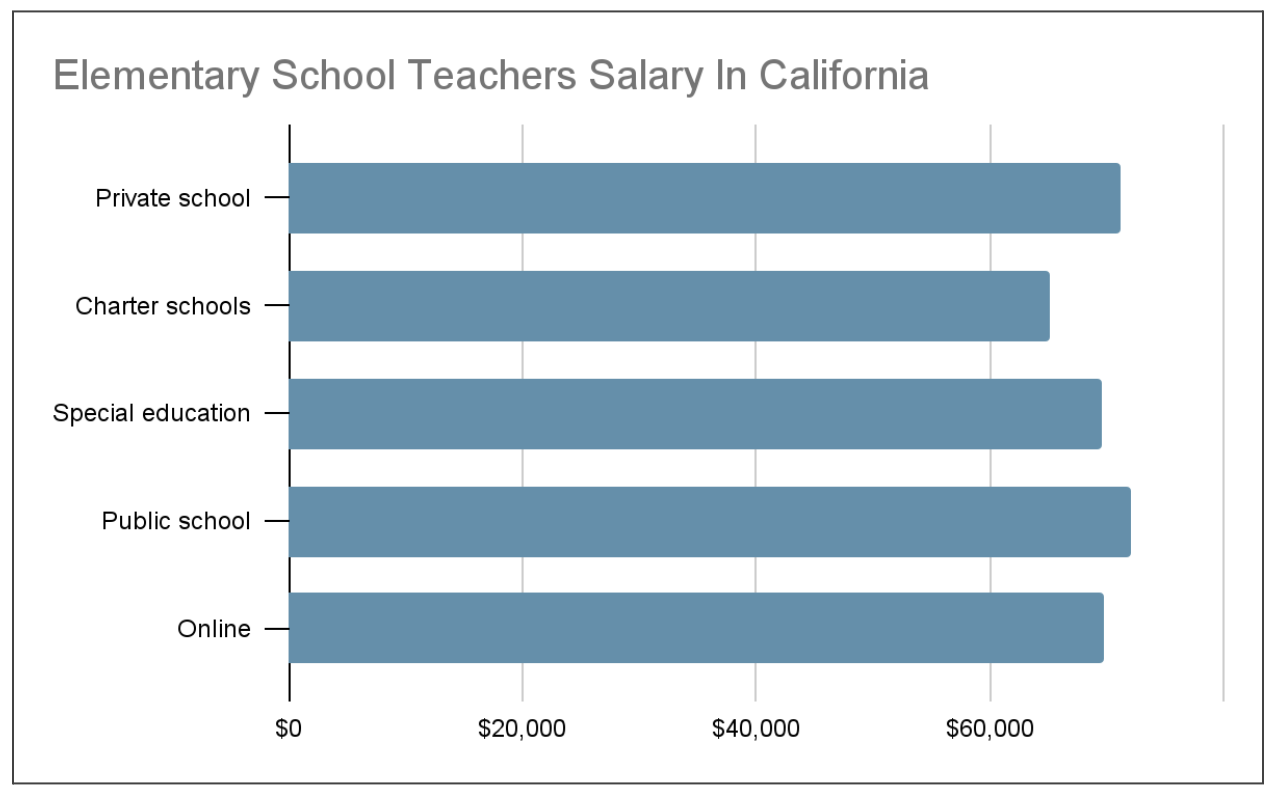
Elementary teacher salaries in California are determined by a complex interplay of factors, including education level, years of experience, the specific school district, and the region within the state. While it’s challenging to provide a single definitive figure, understanding the typical ranges can offer valuable insight into the lifestyle possibilities for these dedicated professionals.
Entry-Level Salaries: Starting the Journey
For newly credentialed elementary teachers, the starting salaries in California can vary significantly. In smaller, more rural districts or those with lower property tax bases, an entry-level teacher might start in the $45,000 to $55,000 range. However, in larger, wealthier districts, particularly those in high-cost-of-living areas, starting salaries can climb to $60,000 or even higher. These initial figures are crucial because they set the baseline for a teacher’s immediate lifestyle. A teacher starting at $45,000 in, for example, the Central Valley might experience a more comfortable lifestyle than one starting at $60,000 in the San Francisco Bay Area, due to the drastic differences in local cost of living, especially housing. Their initial choices regarding housing, commute, and leisure activities are heavily constrained by this starting point.
Mid-Career & Experienced Educators: Growth and Stability
As elementary teachers gain experience and pursue further education (such as a master’s degree or additional certifications), their salaries typically increase through a structured step-and-column schedule. A mid-career teacher (5-10 years of experience) can often expect to earn in the $65,000 to $85,000 range, while highly experienced educators (15+ years) with advanced degrees in well-funded districts can reach six figures, often exceeding $100,000 to $120,000 annually.
This salary progression profoundly impacts a teacher’s lifestyle. What might have been a struggle for a new teacher can evolve into a more financially secure position over time. An experienced teacher may be able to afford better housing, save for a down payment, take more substantial vacations, or invest in their children’s education. This growth trajectory is a key factor in retaining educators in California, offering the promise of improved lifestyle and financial stability as their careers advance.
Geographic Salary Variations: Urban vs. Rural Lifestyles
The geographical location within California is perhaps the most significant determinant of both salary and its corresponding lifestyle impact. Districts in major metropolitan areas, such as Los Angeles Unified School District, San Diego Unified School District, and districts within the San Francisco Bay Area, generally offer higher base salaries and better benefits packages. However, these higher wages are often offset, or even outpaced, by the exorbitant cost of living in these regions.
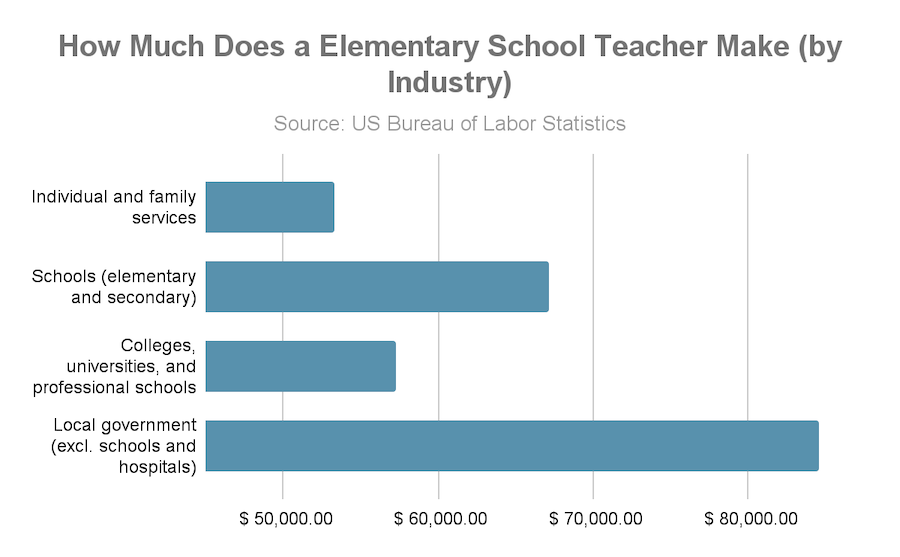
Conversely, teachers in less populated areas like the Central Valley or Northern California may earn less on paper, but their purchasing power can be greater due to significantly lower housing costs and general expenses. This creates a fascinating dynamic: a teacher in, say, Sacramento earning $70,000 might enjoy a higher quality of life, more spacious housing, and less financial stress than a teacher in Palo Alto earning $90,000. Understanding this regional variation is paramount for prospective teachers planning their lifestyle in California.
Beyond the Paycheck: Benefits and Their Lifestyle Impact
While the base salary is the most visible component of compensation, the benefits package for California elementary teachers significantly contributes to their overall lifestyle and financial security. These benefits can include:
- Health Insurance: Comprehensive medical, dental, and vision plans are standard, often with a substantial portion of the premiums covered by the district. This is a critical factor, as healthcare costs can be a major financial burden without adequate coverage, directly impacting a family’s lifestyle budget.
- Retirement Plans: Teachers in California participate in the California State Teachers’ Retirement System (CalSTRS), a defined benefit plan. This robust pension system provides long-term financial stability and peace of mind, allowing teachers to plan for a secure retirement lifestyle.
- Paid Time Off: This includes sick leave, personal days, and extensive summer breaks. While summer breaks are often unpaid, they offer opportunities for travel, professional development, or supplemental income, all contributing to a balanced and fulfilling lifestyle.
- Professional Development: Many districts offer opportunities and funding for continuing education, which can lead to higher pay and career advancement, further enhancing a teacher’s long-term lifestyle prospects.
These benefits, particularly health insurance and retirement, effectively add tens of thousands of dollars in value to a teacher’s overall compensation, alleviating significant financial pressures and allowing for greater discretionary spending and savings toward lifestyle goals.
Financial Well-being and Lifestyle Choices for California Teachers
Ultimately, the salary an elementary teacher earns in California, combined with their benefits, dictates the parameters of their lifestyle. It’s about more than just meeting basic needs; it’s about the quality of life, the ability to build wealth, and the freedom to pursue interests beyond the classroom.
Housing: The Primary Lifestyle Challenge
For many California teachers, housing is the single largest financial hurdle and the biggest determinant of their lifestyle. In high-cost areas, even experienced teachers may find homeownership challenging without a partner’s income or significant savings. This often means living further from work, enduring longer commutes, or opting for smaller living spaces. Some districts are exploring affordable housing initiatives specifically for teachers to mitigate this issue, recognizing its impact on retention and recruitment. The choice between renting an apartment near work or buying a home an hour away directly shapes daily life, leisure time, and community involvement.
Budgeting for Everyday Life and Leisure
An elementary teacher’s salary in California requires diligent budgeting. After housing, other significant expenses like transportation (especially with rising gas prices and car insurance), groceries, and childcare consume a large portion of the income. What remains is discretionary income – the funds available for leisure activities, dining out, entertainment, and travel. While local excursions to California’s national parks, beaches, or cultural attractions are often feasible, international travel or luxurious vacations may require careful saving and planning, particularly for those earlier in their careers or living in the most expensive regions. Many teachers also find themselves taking on summer jobs or tutoring gigs to supplement their income and enhance their lifestyle possibilities.

Long-Term Financial Planning and Retirement
Despite the immediate challenges posed by California’s cost of living, the long-term outlook for elementary teachers, particularly those who remain in the profession, is generally positive thanks to CalSTRS and salary step increases. With careful financial planning, including supplementary savings (403(b) or 457 plans), teachers can achieve a comfortable retirement lifestyle. The ability to retire securely is a significant aspect of overall lifestyle planning, providing the freedom to enjoy leisure, travel, and personal pursuits in later life.
In conclusion, while an elementary teacher’s salary in California may not always align perfectly with the state’s high cost of living, particularly at entry-level, the profession offers a stable career path with significant benefits and opportunities for salary growth. With strategic financial planning and a mindful approach to lifestyle choices, teaching in California can indeed support a rewarding and fulfilling life, allowing educators to not only shape young minds but also to enjoy the unique experiences the Golden State has to offer.
LifeOutOfTheBox is a participant in the Amazon Services LLC Associates Program, an affiliate advertising program designed to provide a means for sites to earn advertising fees by advertising and linking to Amazon.com. Amazon, the Amazon logo, AmazonSupply, and the AmazonSupply logo are trademarks of Amazon.com, Inc. or its affiliates. As an Amazon Associate we earn affiliate commissions from qualifying purchases.