
Navigating the world of recreational fishing in the Sunshine State involves more than just casting a line and hoping for a bite. A crucial first step for any angler, from the seasoned professional to the weekend enthusiast, is securing the appropriate Florida fishing license. Understanding the costs, types of licenses available, and where to obtain them is essential for a smooth and legal fishing adventure. This guide will break down the financial considerations for fishing in Florida, ensuring you’re fully prepared before you head out to its abundant waters, whether in the saltwater bays near Miami, the freshwater springs of Central Florida, or the offshore deep sea fishing grounds.
Understanding Florida Fishing License Requirements
The Florida Fish and Wildlife Conservation Commission (FWC) is the governing body responsible for regulating fishing activities and issuing licenses. Their primary goal is to manage and conserve the state’s diverse aquatic resources for present and future generations. Before delving into specific costs, it’s vital to grasp who needs a license and the general framework of these permits.
Who Needs A Fishing License?
Generally, anyone 16 years of age or older who fishes in freshwater or saltwater in Florida must possess a valid fishing license. This applies regardless of whether you are fishing from the shore, a pier, a boat, or wading. There are, of course, exceptions, and understanding these can save you unnecessary expenditure.
Exemptions to License Requirements
Certain individuals are exempt from needing a fishing license. These typically include:
- Children under 16: As mentioned, those younger than 16 do not require a license.
- Florida Residents: Some specific exemptions exist for Florida residents who meet certain criteria, such as being a recipient of certain government assistance programs. For instance, residents who are holders of a valid hunting and fishing license for the blind or for persons with total and permanent disabilities are exempt.
- Special Free Fishing Days: The FWC designates a few days each year as “Free Fishing Days” during which residents and non-residents alike can fish without a license. These are excellent opportunities for newcomers to experience Florida’s angling opportunities.
- Specific Locations: Fishing within a licensed recreational facility, such as a fishing pier or amusement park, may sometimes have licenses included in admission fees. However, it’s always best to confirm this with the facility directly.
- Active Duty Military Personnel: Active duty members of the U.S. Armed Forces who are stationed in Florida may be eligible for resident fishing licenses at a discounted rate or even a free license under specific circumstances.
It is always recommended to consult the official FWC website for the most up-to-date and comprehensive list of exemptions and qualifying conditions.
Types of Florida Fishing Licenses and Their Costs
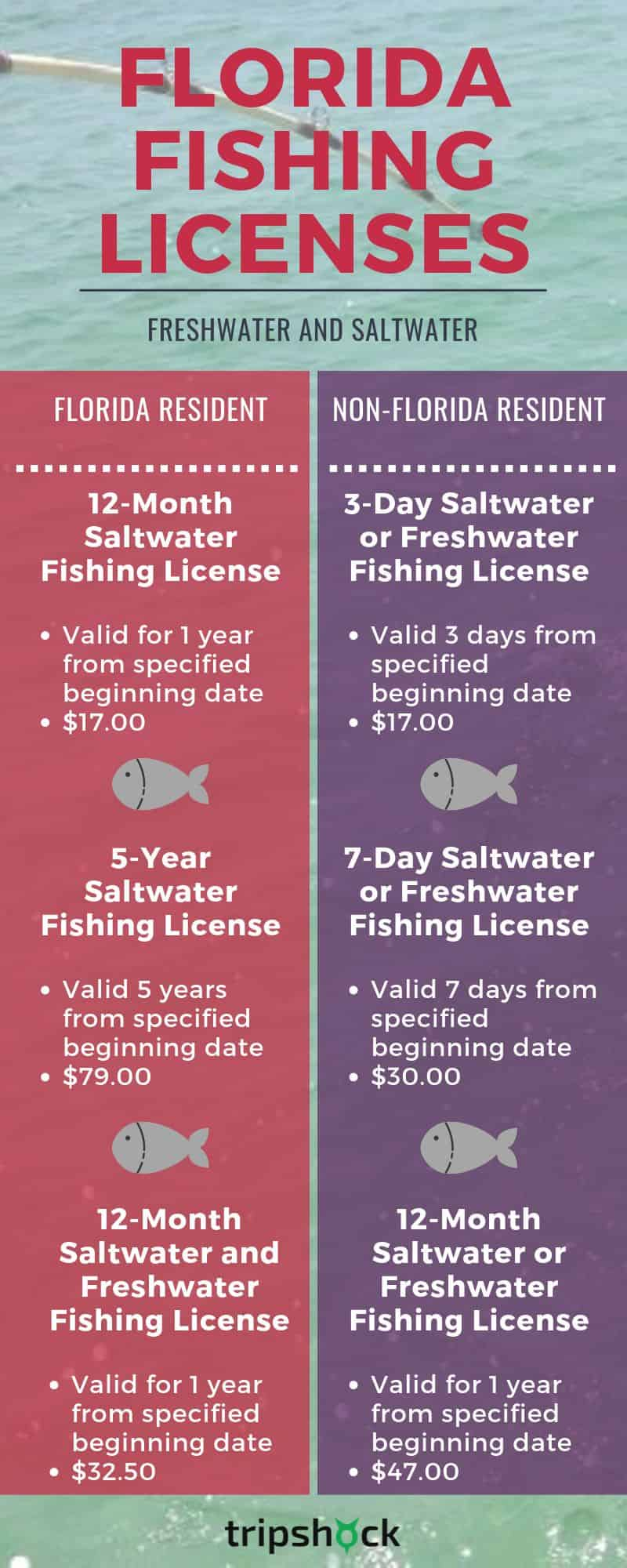
The cost of a Florida fishing license varies significantly depending on residency status, the type of fishing (freshwater or saltwater), and the duration of the license. The FWC offers a range of options to suit different angling needs and budgets.
Freshwater Fishing Licenses
For those planning to fish in Florida’s numerous lakes, rivers, and streams, a freshwater fishing license is required.
- Resident Annual Freshwater Fishing License: This is the most common option for Florida residents. As of recent fee structures, an annual freshwater fishing license typically costs around $17.00 for residents. This license covers fishing in all legally designated freshwater bodies within the state.
- Non-Resident Annual Freshwater Fishing License: For non-residents planning an extended stay or multiple fishing trips throughout the year, an annual non-resident freshwater license is available. The cost for this is considerably higher than the resident license, usually falling in the range of $46.50.
- Short-Term Licenses: The FWC also offers short-term freshwater licenses for both residents and non-residents. These are ideal for tourists or those who only plan to fish for a few days.
- 3-Day Non-Resident Freshwater Fishing License: Typically priced around $30.00.
- 7-Day Non-Resident Freshwater Fishing License: Usually costs approximately $40.00.
- Resident short-term licenses are less common for freshwater, as the annual license is already very affordable for residents.
Saltwater Fishing Licenses
If your fishing aspirations lie in the abundant coastal waters, from the shallow flats to the deep blue offshore, a saltwater fishing license is mandatory.
- Resident Annual Saltwater Fishing License: Similar to the freshwater license, a resident annual saltwater license is an economical choice for Florida residents. The cost is generally around $17.00.
- Non-Resident Annual Saltwater Fishing License: For non-residents, the annual saltwater license is also more expensive than the resident option, typically costing around $77.00.
- Short-Term Licenses:
- 3-Day Non-Resident Saltwater Fishing License: Approximately $30.00.
- 7-Day Non-Resident Saltwater Fishing License: Around $40.00.
Combination Licenses
For anglers who enjoy both freshwater and saltwater fishing, Florida offers convenient combination licenses that provide coverage for both environments.
- Resident Saltwater/Freshwater Combination Annual License: This license offers a cost-effective solution for residents who fish in both types of waters. The price is usually slightly higher than individual licenses but offers significant savings compared to purchasing two separate annual permits, often around $30.50.
- Non-Resident Saltwater/Freshwater Combination Annual License: For non-residents, a combination annual license is also available, offering convenience and savings. This license typically costs around $117.50.
Special Permits and Endorsements
Beyond the basic fishing license, certain types of fishing or targeting specific species may require additional permits or endorsements. These costs are added to the base license fee.
- Saltwater Shoreline Fishing License: This license is specifically for individuals fishing from saltwater shorelines, piers, jetties, or breakwaters. It is generally a more affordable option for shore-based anglers, costing around $17.00 for residents and $37.00 for non-residents. However, it’s crucial to note that this license does not permit fishing from a vessel.
- Reef Fish Endorsement: If you plan to target certain reef fish species in saltwater, such as snapper and grouper, an additional reef fish endorsement is required. This typically adds a few dollars to the cost of your saltwater license.
- Sturgeon, Tarpon, and Snook Permit: To legally possess or attempt to possess these highly sought-after species, a specific permit is required. This permit costs approximately $51.00 for residents and non-residents alike and is valid for one year.
- Lobster Permit: For those interested in lobster diving, a lobster permit is necessary, costing around $5.00 for residents and $10.00 for non-residents.
- Third-Generation Lungfish Permit: A specialized permit for those targeting lungfish.
These endorsements are often required in addition to your base freshwater or saltwater license. Carefully review the regulations for the species you intend to pursue.
Where to Purchase Your Florida Fishing License
Obtaining a Florida fishing license is a straightforward process, with several convenient options available.
Online Purchase
The easiest and most efficient method for many is to purchase your license online directly through the official FWC website. This allows you to print your license immediately or have it available on your mobile device. The online portal guides you through the different license types, ensuring you select the one that best fits your needs.
In-Person Purchases
If you prefer to purchase your license in person, there are numerous authorized license agents throughout the state. These include:
- Tax Collector Offices: Many county tax collector offices are authorized to sell fishing licenses.
- Sporting Goods Stores: Major retailers like Bass Pro Shops and Academy Sports + Outdoors often have license sales desks.
- Bait and Tackle Shops: Local bait and tackle shops are excellent resources for both licenses and local fishing advice.
- Some Marine Facilities and Lodges: Certain marinas and fishing lodges may also be authorized to sell licenses.
When purchasing in person, be sure to have a valid form of identification, especially if you are claiming residency.
By Phone
You can also purchase a license over the phone by calling the FWC’s designated licensing number. This is another convenient option for those who may not have immediate internet access or prefer speaking with a representative.
Maximizing Your Fishing Experience in Florida
Understanding the cost of a Florida fishing license is just one piece of the puzzle for a successful fishing trip. Maximizing your experience involves adhering to regulations, respecting the environment, and choosing the right locations.
Choosing the Right Location
Florida boasts an incredible diversity of fishing environments. Whether you’re targeting the elusive Florida largemouth bass in the famed Everglades, chasing redfish and snook in the coastal marshes, or heading offshore for marlin and tuna near the Florida Keys, the choice of location will dictate your license needs and the type of experience you’ll have. Researching popular fishing spots and their specific regulations is always a wise move. Many coastal towns like St. Augustine or Fort Lauderdale offer excellent opportunities for both shore and boat fishing.
Understanding Bag Limits and Size Restrictions
Possessing a valid fishing license is only part of legal angling. The FWC sets strict bag limits (the number of fish you can keep) and size restrictions (minimum and maximum lengths for keeping fish) for various species. These regulations are crucial for sustainable fisheries management. Familiarize yourself with these rules before your trip to avoid citations and contribute to conservation efforts. Information on these limits is readily available on the FWC website and in printed guides.

Responsible Angling Practices
Beyond licenses and regulations, adopting responsible angling practices ensures the long-term health of Florida’s aquatic ecosystems. This includes practicing catch-and-release for undersized or over-limit fish, using appropriate tackle to minimize harm, properly disposing of fishing line and trash, and respecting local wildlife and habitats. Many eco-tourism operators and fishing guides in areas like the Tampa Bay region emphasize these practices.
By understanding the costs associated with a Florida fishing license, knowing the regulations, and committing to responsible practices, anglers can fully enjoy the unparalleled fishing opportunities that the Sunshine State has to offer. From the serene freshwater lakes to the vast expanse of the Atlantic Ocean and the Gulf of Mexico, a well-prepared angler is an ethical angler, contributing to the preservation of these natural treasures for generations to come.
LifeOutOfTheBox is a participant in the Amazon Services LLC Associates Program, an affiliate advertising program designed to provide a means for sites to earn advertising fees by advertising and linking to Amazon.com. Amazon, the Amazon logo, AmazonSupply, and the AmazonSupply logo are trademarks of Amazon.com, Inc. or its affiliates. As an Amazon Associate we earn affiliate commissions from qualifying purchases.