
The hospitality industry is one of the most dynamic sectors of the global economy, and at the heart of every successful lodging establishment is the hotel manager. Whether overseeing a boutique property in Paris or a sprawling luxury resort in the Maldives, the hotel manager is responsible for the seamless integration of guest services, financial performance, and staff management. Because the role is so multifaceted, the compensation for these professionals varies significantly. Understanding how much a hotel manager makes requires a deep dive into the variables of geography, property type, and the complexity of modern hotel operations.

Factors Influencing a Hotel Manager’s Salary
A hotel manager’s paycheck is rarely a static figure. It is influenced by a combination of personal expertise and the environment in which they operate. While entry-level managers may start with modest earnings, those at the pinnacle of the industry can command six-figure salaries that rival executive roles in other corporate sectors.
Geographic Location and Market Demand
Geography is perhaps the most significant determinant of salary. In major financial and tourism hubs like New York City, London, and Hong Kong, the cost of living and the high demand for premium service drive salaries upward. For instance, a General Manager in Switzerland, a country renowned for its prestigious hospitality traditions and high cost of labor, will often earn a significantly higher base salary than a manager in a developing tourism market.
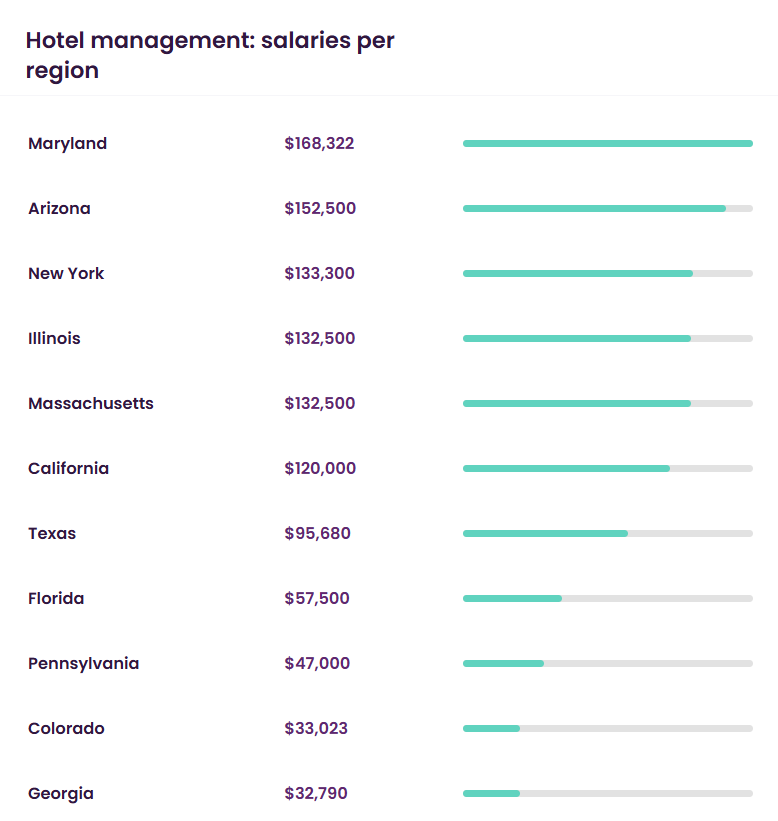
In the United States, salaries also fluctuate by state. A manager operating a high-end property in Las Vegas or Miami will likely see higher compensation than one in a rural area. The market demand in cities like Dubai also creates a unique environment where tax-free salaries and extensive expat packages make the total compensation highly attractive.
Type and Scale of the Property
The size and category of the hotel play a crucial role. Managing a 50-room boutique hotel in Florence requires a different skill set than overseeing a 2,000-room convention hotel owned by Marriott International. Larger properties typically offer higher salaries because the manager is responsible for more employees, larger budgets, and more complex logistics.
Luxury brands such as The Ritz-Carlton or Four Seasons generally pay more than mid-scale or budget chains. This is because the expectations for service delivery and brand standards are much higher, requiring a manager with extensive experience and a refined touch.
Level of Education and Certifications
While hospitality is an industry that values experience, formal education provides a significant boost to earning potential. Graduates from top-tier institutions like the EHL Hospitality Business School in Switzerland or Cornell University in the United States often enter the workforce at a higher salary tier. Additionally, professional certifications such as the Certified Hotel Administrator (CHA) designation can lead to promotions and higher-paying roles within major groups like Hilton Worldwide or Hyatt Hotels.
Average Salary Ranges Across Different Hotel Tiers
To understand the financial landscape of hotel management, it is helpful to break down average earnings based on the type of establishment. These figures represent base salaries and do not include the various bonuses and perks that are common in the industry.
Boutique and Independent Hotels
Independent and boutique hotels offer a unique management experience. In these settings, the manager often has more creative control but may have fewer corporate resources. In a city like Austin or Berlin, a manager of a small boutique property can expect to earn between $50,000 and $85,000 annually. However, if the boutique hotel is a high-end luxury property, such as those found in Santorini, the salary can climb much higher.
Mid-Scale and Chain Hotels
Mid-scale hotels, such as Holiday Inn, Courtyard by Marriott, or Novotel, provide a more standardized salary structure. Managers in this tier often oversee properties with 100 to 300 rooms. The average salary for a General Manager in this category typically ranges from $70,000 to $110,000. These roles often serve as a stepping stone for managers looking to move into larger corporate positions or flagship luxury properties.
Luxury Resorts and International Brands

At the top of the pyramid are the General Managers of flagship luxury hotels and massive resorts. Managing a property like the Burj Al Arab or the Marina Bay Sands in Singapore is a monumental task. For these elite positions, base salaries often start at $150,000 and can exceed $300,000, especially when managing high-revenue properties for brands like Mandarin Oriental or Aman Resorts.
Total Compensation: Beyond the Base Salary
In the world of hotel management, the base salary is only part of the story. Total compensation packages are often structured to incentivize performance and long-term loyalty.
Performance Bonuses and Profit Sharing
Most hotel managers are eligible for annual performance bonuses. These are typically tied to specific Key Performance Indicators (KPIs), such as Gross Operating Profit (GOP), Guest Satisfaction Scores (GSS), and Revenue Per Available Room (RevPAR). A successful year at a Sheraton or Westin property could result in a bonus ranging from 10% to 30% of the manager’s base salary. In some cases, managers may also participate in profit-sharing schemes, especially in smaller, privately owned hotels.
Benefits, Perks, and On-Site Living
One of the most traditional and valuable perks of being a hotel manager is the “full maintenance” package. This is particularly common in international assignments or remote resorts, such as those in Bali or Bora Bora. This package can include:
- On-site Housing: Living in a suite or a dedicated manager’s residence within the hotel.
- Dining: Full access to the hotel’s restaurants and room service.
- Travel Discounts: Significant discounts or free stays at other properties within the brand, such as InterContinental Hotels Group or Accor.
- Relocation Allowances: For those moving to cities like Tokyo or Sydney, companies often cover moving costs, schooling for children, and annual flights home.
Career Path: From Entry-Level to General Manager
The road to becoming a high-earning General Manager (GM) is rarely a straight line. It involves years of climbing the operational ladder and mastering various departments.
Front Office and Departmental Management
Most managers begin their careers in specialized departments. A Front Office Manager or a Food and Beverage Manager at a Hilton Garden Inn might earn between $45,000 and $65,000. These roles are essential for learning the “roots” of hospitality—guest interaction and operational efficiency. Moving up to an Assistant General Manager (AGM) role is the next step, where one begins to oversee multiple departments and starts to see a salary increase toward the $70,000 mark.
The Role of the General Manager (GM)
The General Manager is the “CEO” of the hotel. They report to the owners or a corporate board and are responsible for everything from financial auditing to marketing strategies. Reaching this level in a major city like Chicago or Toronto usually requires 10 to 15 years of industry experience. The jump in salary from a department head to a GM is significant, reflecting the increased legal and financial responsibility the role entails.
The Future of Hotel Management Compensation
As the hotel industry evolves, so does the compensation structure for its leaders. New trends are shifting what skills are valued most and, consequently, how much managers are paid.
Impact of Technology and Automation
With the rise of smart hotels and automated check-in systems, the modern hotel manager must be tech-savvy. Managers who can successfully implement AI-driven revenue management systems or oversee high-tech properties in San Francisco or Seoul are increasingly in demand. This technical expertise is becoming a lever for higher salaries, as hotels look for leaders who can blend traditional hospitality with digital efficiency.
Sustainability and Niche Market Growth
As travelers prioritize eco-friendly stays, managers with experience in sustainable operations are seeing new opportunities. Overseeing an eco-resort in Costa Rica or a “green” hotel in Scandinavia requires specialized knowledge of energy systems and local sourcing. As these niche markets grow, the demand for specialized managers will likely drive salaries upward in these specific sectors of the hotel industry.
In conclusion, while the average salary for a hotel manager can vary wildly, it remains a lucrative and rewarding career for those with the right mix of education, experience, and geographic mobility. Whether working for a global giant like Wyndham Hotels and Resorts or an intimate luxury lodge in South Africa, the potential for financial growth is as vast as the hospitality industry itself.
LifeOutOfTheBox is a participant in the Amazon Services LLC Associates Program, an affiliate advertising program designed to provide a means for sites to earn advertising fees by advertising and linking to Amazon.com. Amazon, the Amazon logo, AmazonSupply, and the AmazonSupply logo are trademarks of Amazon.com, Inc. or its affiliates. As an Amazon Associate we earn affiliate commissions from qualifying purchases.