
While the title “How Much Does A ID Cost In Texas?” might initially suggest a financial query related to official identification documents, within the context of travel, hotels, tourism, accommodation, landmarks, and lifestyle, it can be interpreted in a more nuanced and engaging way. This article will explore the “cost” of experiencing Texas through the lens of its attractions, accommodations, and unique offerings, examining the various financial considerations for travelers and visitors aiming to immerse themselves in the Lone Star State’s rich tapestry of experiences. We will delve into the spectrum of expenses, from budget-friendly exploration to luxurious indulgence, providing a comprehensive overview of how much a memorable Texas journey can “cost.”
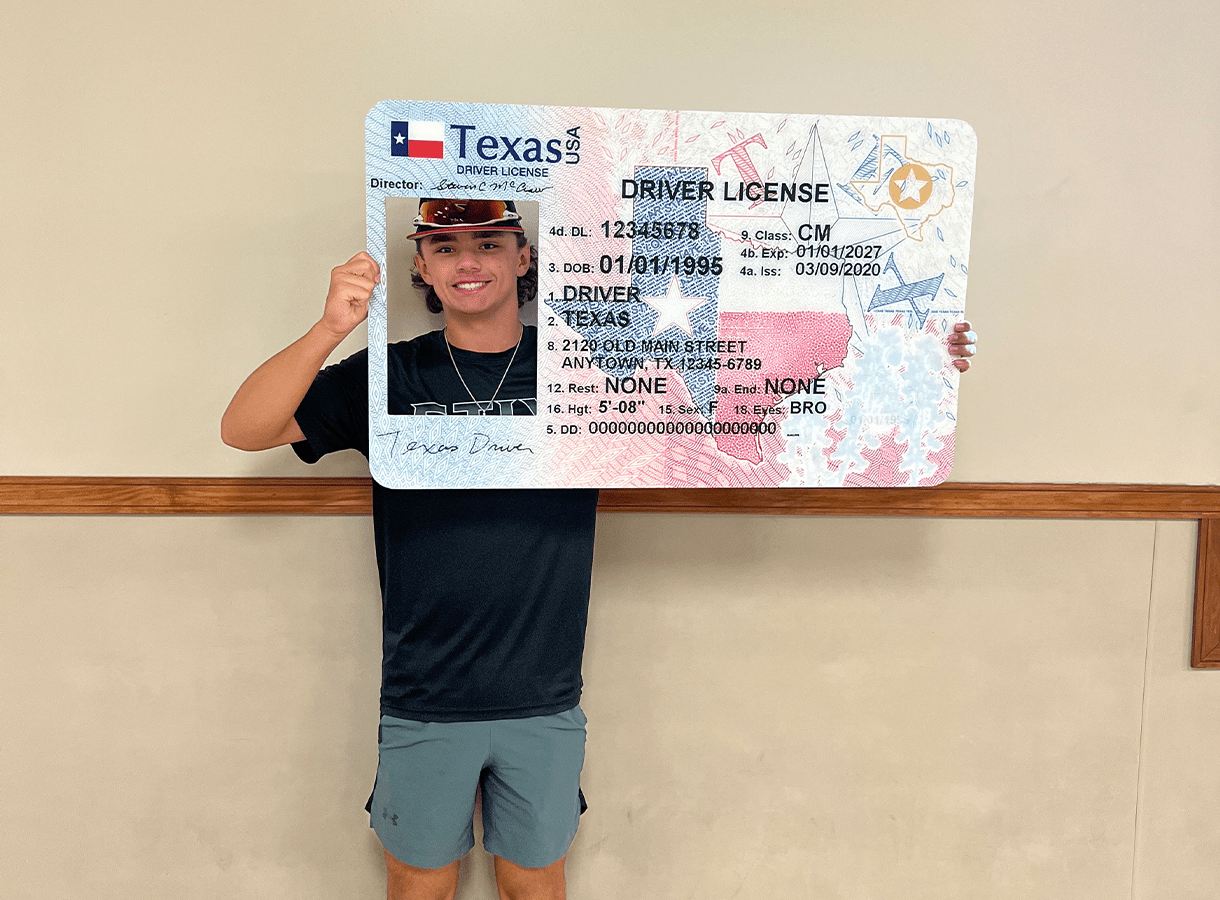
Exploring Texas: From Budget Adventures to Luxury Escapes
The cost of experiencing Texas is as varied as the state itself. Whether you’re a seasoned budget traveler or seeking an opulent getaway, Texas offers a diverse range of options to suit every financial plan. Understanding the typical expenses associated with different travel styles is key to planning an unforgettable trip without breaking the bank.
Budget-Conscious Texas
For those who prioritize experiences over extravagant spending, Texas presents a wealth of affordable opportunities. Many of the state’s most compelling attractions are free or low-cost, allowing travelers to soak in the local culture and natural beauty without significant financial outlay.
- National and State Parks: Texas boasts an impressive network of National Parks and State Parks, many of which offer minimal entrance fees. Hiking in Big Bend National Park, exploring the vastness of the Palo Duro Canyon State Park, or enjoying the coastal breezes at Galveston Island State Park can be incredibly rewarding and cost-effective.
- Cultural Immersion: Cities like San Antonio offer free access to historical landmarks such as the Alamo and the charming Riverwalk. Exploring the vibrant streets of Austin, known for its live music scene, often involves no cover charge for many performances, particularly in its renowned entertainment districts. Likewise, the Dallas Arts District offers opportunities for free outdoor art appreciation and sometimes complimentary admission to museums on specific days.
- Local Cuisine: Texas is a culinary paradise, and experiencing its iconic dishes doesn’t require a hefty sum. Enjoying authentic Texas barbecue from a local joint, sampling Tex-Mex favorites, or indulging in fresh seafood along the Gulf Coast can be surprisingly affordable. Many food trucks and casual eateries offer delicious meals at wallet-friendly prices.
- Transportation: For budget travelers, utilizing public transportation within cities like Houston or Dallas, or opting for long-distance bus services, can significantly reduce travel costs compared to renting a car or flying between destinations.
Mid-Range Texas Experiences
For travelers seeking a balance between comfort and cost, Texas provides a wide array of mid-range options that enhance the travel experience without venturing into luxury pricing. This category often includes comfortable accommodations, a mix of dining experiences, and participation in popular paid activities.
- Accommodations: Mid-range hotels and comfortable vacation rentals are abundant across Texas. You can find well-appointed rooms in boutique hotels in Austin, reliable chain hotels in Fort Worth, or charming bed and breakfasts in historic towns like Fredericksburg. Average nightly rates can range from $100 to $200, depending on the city and season.
- Dining: This tier allows for a more diverse culinary exploration. You can enjoy sit-down meals at popular restaurants, experiencing regional specialties, or sample a broader range of international cuisines. Many cities boast vibrant dining scenes with options for various palates and budgets.
- Attractions and Activities: Mid-range travel often includes visiting paid attractions such as museums, theme parks, and guided tours. For example, a visit to the Space Center Houston, exploring the Fort Worth Stockyards National Historic District for a cattle drive, or taking a wine tour in the Texas Hill Country would fall into this category. Ticket prices for these experiences typically range from $20 to $50 per person.
- Car Rentals: For greater flexibility, renting a car becomes a viable option for mid-range travelers, offering the freedom to explore at their own pace. Car rental costs can vary significantly based on the vehicle type, rental duration, and insurance options, but generally range from $40 to $80 per day.
Luxury Texas Adventures
For those who seek the pinnacle of comfort, exclusivity, and personalized service, Texas offers a wealth of luxury travel experiences. This segment focuses on premium accommodations, fine dining, private excursions, and high-end shopping, catering to discerning travelers.
- Five-Star Accommodations: Texas is home to some of the nation’s most exquisite hotels and resorts. Properties like The Adolphus in Dallas, Hotel San José in Austin, or luxurious resorts in the Texas Hill Country offer unparalleled amenities, sophisticated design, and impeccable service. Room rates in these establishments can easily range from $300 to $1000+ per night.
- Gourmet Dining: Texas’s culinary landscape extends to world-class fine dining establishments. From celebrity chef-driven restaurants in Houston to intimate farm-to-table experiences, luxury travelers can savor exquisite meals, often accompanied by extensive wine lists and personalized service. A fine dining experience can cost upwards of $100-$200 per person, excluding beverages.
- Exclusive Experiences: Luxury travel in Texas often involves curated, private experiences. This could include helicopter tours over the vast landscapes, private guided excursions to historical sites, exclusive winery tastings, or VIP access to major events and festivals. These bespoke activities come with a premium price tag, reflecting their exclusivity and personalized nature.
- Private Transportation: To complement the luxury experience, private transportation is often the preferred choice. This can range from chauffeured limousine services and private car hires to chartering small aircraft for inter-city travel, ensuring seamless and comfortable journeys.
Accommodation Costs: Where You Stay Matters
The choice of accommodation significantly influences the overall “cost” of experiencing Texas. From humble roadside motels to opulent beachfront villas, the spectrum of lodging options caters to every budget and preference.
Hotels and Motels
- Budget-Friendly: Basic motels and budget hotel chains offer clean, no-frills lodging, typically ranging from $50 to $90 per night. These are often found along major highways and in the outskirts of larger cities.
- Mid-Range: Standard hotels and inns provide more amenities, such as on-site restaurants, swimming pools, and better room furnishings. Expect to pay between $100 and $200 per night in most urban and suburban areas.
- Upscale and Boutique: These hotels offer enhanced comfort, stylish decor, and personalized service. Rates can range from $200 to $400 per night, with prices escalating in major metropolitan centers like Dallas or Houston.
- Luxury: As previously discussed, five-star hotels and luxury brands command the highest prices, starting at $300 and often exceeding $1000 per night for premium suites.
Vacation Rentals and Apartments
Platforms like Airbnb and VRBO offer a diverse range of options, from single rooms to entire homes.
- Shared Rooms/Private Rooms: These can be the most budget-friendly option, often costing $40 to $80 per night.
- Entire Apartments/Homes: Prices vary greatly by location, size, and amenities, ranging from $100 to $500+ per night. This can be a cost-effective choice for families or groups traveling together, especially for longer stays, as it often includes kitchen facilities, saving on dining expenses.
Resorts and Extended Stays
- Resorts: Texas boasts numerous resorts, particularly in tourist destinations like San Antonio or along the coast. These often include multiple amenities like spas, golf courses, and various dining options, with prices varying widely but generally falling into the mid-range to luxury categories.
- Extended Stay Hotels: For longer visits, extended stay hotels offer apartment-style accommodations with kitchenettes, providing a more home-like environment. Rates are often discounted for weekly or monthly stays, typically ranging from $70 to $150 per night, depending on the market.

Activities and Attractions: The “Cost” of Experience
The true “cost” of a Texas ID (experience) lies in the activities and attractions one chooses to engage with. From the historical grandeur of the Alamo to the vibrant culture of Austin, the state offers a diverse array of experiences that come with varying price tags.
Cultural and Historical Sites
- Free Access: Many historical sites and landmarks, such as the Texas State Capitol Building in Austin or walking tours of historic districts, are free to explore, offering significant cultural immersion without direct cost.
- Low Entrance Fees: Museums like the Perot Museum of Nature and Science in Dallas or the San Antonio Museum of Art typically charge entrance fees between $15 and $25.
- Specialized Tours: Guided tours of historical areas, plantations, or battlefields can range from $25 to $75, offering deeper insights and context.
Entertainment and Recreation
- Theme Parks: For thrill-seekers, theme parks like Six Flags Fiesta Texas in San Antonio or Schlitterbahn Waterpark can be a significant expense, with day passes often ranging from $50 to $100 or more, especially when factoring in food and parking.
- Live Music and Events: While many live music venues in cities like Austin offer free or low-cover performances, major concerts and festivals can incur costs ranging from $50 to several hundred dollars for tickets.
- Outdoor Activities: Adventures such as kayaking on the Colorado River, hiking in state parks, or attending rodeo events can range from free to $50 or more for equipment rental or admission.
Culinary Experiences
The “cost” of experiencing Texas cuisine is highly variable.
- Street Food and Local Eateries: Enjoying authentic tacos, barbecue, or kolaches from local joints or food trucks can cost between $10 and $25 per meal.
- Mid-Range Restaurants: A sit-down meal at a casual or mid-range restaurant typically ranges from $25 to $50 per person.
- Fine Dining: As mentioned, high-end dining experiences can cost upwards of $100-$200+ per person.
Transportation: Navigating the Cost of Texas
Getting around Texas is a significant component of the overall travel expenditure. The vastness of the state and the spread-out nature of its attractions necessitate careful planning regarding transportation.
Car Rental
Car rental is often the most convenient way to explore Texas, especially outside major metropolitan areas.
- Economy/Compact Cars: These typically range from $30 to $60 per day.
- Mid-Size/SUVs: Expect to pay between $50 and $100 per day.
- Luxury Vehicles: For a more premium experience, luxury car rentals can cost $150 and upwards per day.
- Fuel Costs: Gas prices fluctuate, but budgeting for fuel is essential, especially for long-distance travel. Texas is a large state, and covering significant distances can add up.
- Parking: In major cities like Dallas, Houston, and Austin, parking fees can be substantial, ranging from $10 to $40+ per day in downtown areas or at popular attractions.
Public Transportation
- Major Cities: Cities like Dallas, Houston, and San Antonio offer public transportation systems (buses, light rail) that can be a cost-effective way to navigate urban centers. Day passes typically cost between $3 and $10.
- Inter-City Travel: Greyhound and other bus services provide a more economical option for traveling between cities compared to flying or driving. Fares vary based on distance and booking time but can range from $20 to $100+ for longer routes.
Flights
For travelers coming from outside Texas, airfare is a primary cost.
- Domestic Flights: Prices vary dramatically based on origin, destination, time of booking, and airline. Flights to major hubs like Dallas/Fort Worth International Airport or Houston George Bush Intercontinental Airport can range from $150 to $500+ for round trips.
- Regional Flights: Flights within Texas or from nearby states might be more affordable.

Ride-Sharing Services
Services like Uber and Lyft are widely available in most urban and suburban areas. Costs are dynamic, depending on distance, time of day, and demand, but a typical ride can cost $10 to $50. For longer distances, these costs can quickly exceed the price of a rental car.
In conclusion, the “cost” of an ID in Texas, when viewed through the lens of travel and experience, is a multifaceted equation. It is determined by the traveler’s choices regarding accommodation, dining, activities, and transportation, offering a spectrum of possibilities from budget-friendly exploration to opulent indulgence. A well-planned Texas adventure can be tailored to any budget, ensuring that every visitor can find a way to experience the vastness and richness of the Lone Star State.
LifeOutOfTheBox is a participant in the Amazon Services LLC Associates Program, an affiliate advertising program designed to provide a means for sites to earn advertising fees by advertising and linking to Amazon.com. Amazon, the Amazon logo, AmazonSupply, and the AmazonSupply logo are trademarks of Amazon.com, Inc. or its affiliates. As an Amazon Associate we earn affiliate commissions from qualifying purchases.