
The pursuit of a fulfilling career often intertwines with the desire for a comfortable and enjoyable lifestyle. For those considering a challenging yet rewarding trade, the role of a lineman in Florida offers a unique blend of essential public service and significant earning potential. Understanding the financial landscape for these skilled professionals is crucial for anyone contemplating a move to the Sunshine State or a career pivot. This comprehensive guide delves into the various facets of a lineman’s salary in Florida, examining the factors that influence compensation and how these earnings contribute to a desirable lifestyle in one of the nation’s most dynamic states.

Understanding the Lineman Profession in the Sunshine State
Before dissecting salary figures, it’s essential to grasp the fundamental nature of the lineman profession. This isn’t just a job; it’s a critical trade that underpins modern society, particularly in a state like Florida where consistent power is vital for millions of residents and a booming tourism industry.
The Vital Role of Linemen
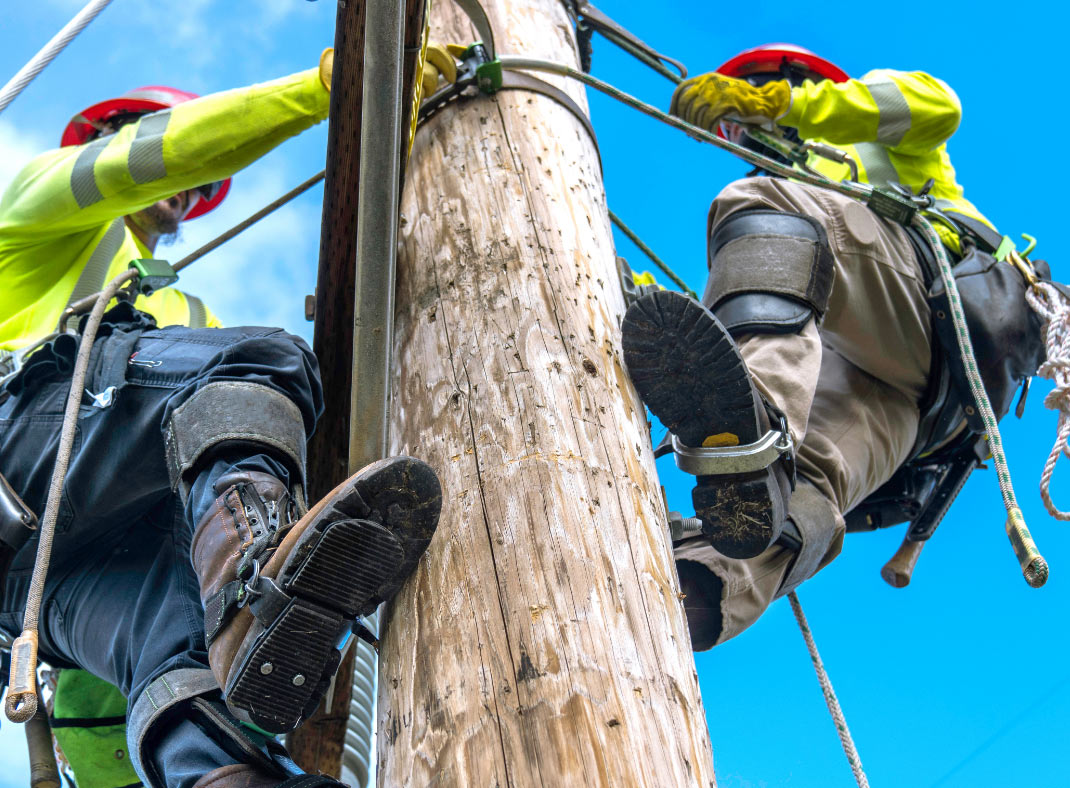
Linemen are the backbone of our electrical infrastructure. They are responsible for installing, maintaining, and repairing electrical power transmission and distribution lines. This includes overhead and underground lines, poles, and equipment. Their work is physically demanding, often requiring them to climb poles, work at heights, and operate heavy machinery. Furthermore, linemen frequently respond to emergencies, restoring power during severe weather events like hurricanes, which are a recurring challenge in Florida. Their dedication ensures that homes, businesses, and essential services remain operational, making them indispensable members of any community. The rigorous training, specialized skills, and inherent risks associated with the job contribute to its status as a highly compensated trade.
Diverse Employers and Work Environments
The employment landscape for linemen in Florida is varied, impacting potential earnings and work-life dynamics. Linemen primarily find employment with:
- Utility Companies: Large investor-owned utilities (IOUs) are major employers, offering structured career paths, comprehensive benefits, and often higher starting wages. These companies maintain vast networks and require a substantial workforce.
- Municipal Power Departments: Many cities and counties operate their own power systems, providing stable employment opportunities with local government benefits.
- Electrical Contractors: These firms work on various projects, from new construction to infrastructure upgrades, often contracting with utilities or private developers. This can offer diverse experiences but might involve project-based work.
- Telecommunications Companies: While distinct, some aspects of data and communication line installation and maintenance overlap, offering alternative avenues for skilled workers.
The choice of employer can significantly influence not only the base salary but also factors such as overtime availability, benefits packages, and the geographical scope of work, all of which shape a lineman’s overall lifestyle.
Dissecting Lineman Salaries Across Florida
When asking “How much does a lineman make in Florida?”, there isn’t a single, definitive answer. Compensation varies widely based on a multitude of factors, but we can establish clear benchmarks and identify key influencers.
Average Earnings: A Baseline
Based on recent labor statistics, the average annual salary for a lineman in Florida typically falls within the range of $60,000 to $85,000. However, this is an average, and experienced linemen can earn significantly more. Entry-level positions, such as apprentices, might start lower, perhaps in the $40,000 to $50,000 range, while highly experienced journeymen, especially those in supervisory roles or specializing in high-voltage transmission, can command salaries well over $100,000 annually, particularly with overtime. These figures represent a strong foundation for building a comfortable lifestyle in Florida.
Factors Influencing Compensation
Several critical elements dictate how much a lineman earns:
- Experience Level: This is arguably the most significant factor. Apprentices earn less than journeymen, and highly experienced linemen with decades in the field will naturally command top wages. Each year of experience often brings a noticeable bump in pay.
- Specialized Skills and Certifications: Possessing specialized skills, such as expertise in underground cabling, substation maintenance, or advanced safety procedures, can lead to higher pay. Certifications beyond the basic journeyman status also enhance earning potential.
- Type of Employer: As mentioned, larger utility companies often offer more competitive wages and benefits packages than smaller contractors, though contractors might offer higher pay for specific short-term projects.
- Union Membership: Many linemen in Florida are members of unions, such as the International Brotherhood of Electrical Workers (IBEW). Union membership often leads to standardized, higher wages, better benefits, and more robust job protections through collective bargaining agreements.
Geographical Pay Variations
Florida is a vast state with diverse economies, and this is reflected in lineman salaries. Wages can differ notably between metropolitan areas and more rural regions.
- Major Metropolitan Areas: Cities like Miami, Orlando, Tampa, and Jacksonville tend to offer higher salaries due to a higher cost of living and greater demand for infrastructure work. For instance, a lineman in Miami might earn 10-15% more than one in a less populous county.
- Coastal Regions: Areas along the coast, which face more frequent hurricane threats, might see increased demand for linemen and, consequently, higher pay, particularly during storm seasons for emergency response.
- Rural Areas: While salaries might be slightly lower in rural parts of Florida, the significantly lower cost of living in these areas can mean that a lineman’s purchasing power and overall quality of life are comparable, or even better, than in a high-wage, high-cost city.
Understanding these geographical nuances is vital for linemen planning their careers and lifestyles within the state.
Beyond the Base Salary: Comprehensive Compensation & Lifestyle Implications
A lineman’s total compensation extends far beyond their hourly wage or annual salary. A holistic view includes benefits, overtime, and how these figures interact with the cost of living to define a practical lifestyle.
Benefits Packages and Overtime Potential
Many employers, especially large utility companies and unionized roles, offer robust benefits packages that significantly add to a lineman’s overall compensation and quality of life. These can include:
- Health Insurance: Comprehensive medical, dental, and vision plans are standard.
- Retirement Plans: 401(k)s or pension plans with employer contributions are common, ensuring long-term financial security.
- Paid Time Off: Vacation days, sick leave, and paid holidays contribute to a better work-life balance.
- Life and Disability Insurance: Providing peace of mind for unexpected circumstances.
- Training and Education: Employers often invest in ongoing training and certification renewal, enhancing skills and career progression.
Crucially, overtime pay is a substantial component of a lineman’s earnings. Given the nature of their work, especially during storm season or major infrastructure projects, linemen frequently work extended hours, often at time-and-a-half or double-time rates. This overtime can dramatically boost annual income, making the profession particularly attractive for those willing to put in the extra hours. The ability to earn substantial overtime also provides flexibility for lifestyle choices, such as saving for a down payment on a home, funding vacations, or investing in hobbies.
The Impact of Cost of Living on Lineman Lifestyles

While Florida offers competitive salaries for linemen, the cost of living can vary dramatically. This directly impacts how far a lineman’s salary stretches and the kind of lifestyle they can afford.
- Housing: This is often the largest expense. Miami, Fort Lauderdale, and parts of South Florida have significantly higher housing costs compared to central Florida or the Panhandle. A lineman earning $80,000 in Miami might have a tighter budget than one earning $70,000 in Gainesville or Lakeland.
- Transportation: Florida is largely car-dependent. Fuel costs, vehicle maintenance, and insurance (which can be higher in coastal areas) must be factored in.
- Taxes: One significant advantage of living in Florida is the absence of state income tax, which means linemen keep a larger portion of their gross earnings, directly enhancing their disposable income and lifestyle.
Understanding these factors allows a lineman to make informed decisions about where to live and work within the state to optimize their financial well-being and desired lifestyle.
Financial Planning and Quality of Life in Florida
With a solid income and no state income tax, linemen in Florida are well-positioned for effective financial planning. A comfortable salary enables:
- Homeownership: Many linemen can realistically afford to purchase homes, particularly outside the most expensive coastal urban centers. This builds equity and long-term financial stability.
- Family Support: The earnings can comfortably support a family, including education and childcare expenses.
- Leisure and Travel: Florida’s unique appeal lies in its diverse leisure options – from beaches to theme parks like Walt Disney World and Universal Orlando Resort. A lineman’s salary allows for frequent enjoyment of these attractions, as well as travel within [Florida](https://lifeoutofthebox.com/florida] or beyond.
- Savings and Investments: The potential for significant earnings, especially with overtime, provides ample opportunity to build substantial savings, invest for the future, and achieve financial independence.
This strong financial foundation empowers linemen to actively shape a high-quality lifestyle, balancing demanding work with abundant opportunities for relaxation and enjoyment in the Sunshine State.
Career Progression and Long-Term Earning Potential
A career as a lineman is not static; it offers clear pathways for growth, specialization, and increasing earning potential, further enhancing the long-term lifestyle prospects in Florida.
Advancing Your Lineman Career
The typical career trajectory for a lineman involves:
- Apprentice Lineman: Starting with on-the-job training and classroom instruction, apprentices learn the trade under experienced supervision. This phase typically lasts 3-4 years.
- Journeyman Lineman: Upon completing the apprenticeship and passing relevant examinations, individuals become certified journeymen, capable of performing all lineman duties independently. This is where significant salary increases begin.
- Foreman/Supervisor: Experienced journeymen can advance to supervisory roles, managing crews and overseeing projects. These positions come with substantial pay raises and increased responsibility.
- Managerial/Administrative Roles: Some linemen transition into office-based roles, such as operations managers, safety coordinators, or training instructors, leveraging their field experience in strategic capacities.
Each step up the ladder brings not only higher pay but also opportunities for leadership and influence, shaping a dynamic and evolving career lifestyle.
Specialized Skills and Certifications
Continuous learning and specialization are key to maximizing earning potential. Linemen can pursue certifications in areas such as:
- High-Voltage Transmission: Working on ultra-high voltage lines that transmit power over long distances.
- Substation Operations: Maintaining and repairing electrical substations.
- Underground Line Work: Expertise in subterranean electrical systems.
- Emergency Response/Storm Work: Specialized training for rapid and safe power restoration during crises.
- Safety Certifications: Advanced safety protocols and first aid, crucial for hazardous work.
These specialized skills make linemen more valuable to employers, leading to higher wages and greater job security, thus securing a more resilient and prosperous lifestyle.
Job Outlook and Industry Growth
The job outlook for electrical power-line installers and repairers is generally stable and projected to grow. As infrastructure ages and populations expand (especially in growing states like Florida), the demand for skilled linemen remains constant. Additionally, the increasing frequency and intensity of severe weather events underscore the ongoing need for these professionals. Technological advancements in grid modernization and renewable energy integration may also create new opportunities and require evolving skill sets, ensuring the profession remains vital and well-compensated for the foreseeable future.
Is Florida the Right Choice for Linemen? A Lifestyle Perspective
Beyond the financial figures, the appeal of being a lineman in Florida often comes down to the overall lifestyle the state offers.
Work-Life Balance and Leisure Opportunities
While the job can be demanding, especially during emergencies, the climate and abundant recreational activities in Florida offer an excellent counter-balance. Linemen can enjoy:
- Year-Round Outdoor Activities: Fishing, boating, golfing, hiking, and beach access are available throughout the year.
- World-Class Attractions: Proximity to theme parks, national parks like the Everglades, and vibrant cultural cities.
- Diverse Communities: From bustling urban centers to quiet coastal towns, Florida offers a variety of living environments to suit different preferences.
The ability to earn a strong salary combined with the state’s recreational offerings means linemen can truly live a balanced and fulfilling life.
Community and Professional Networks
Florida has a robust network of utility professionals, including strong union chapters that provide support, camaraderie, and advocacy for linemen. Being part of such a community offers a sense of belonging, professional development opportunities, and a reliable support system, which are invaluable aspects of a well-rounded lifestyle. The challenges faced together, particularly during storm restorations, forge strong bonds among colleagues.
Embracing the Florida Lifestyle
Ultimately, for those seeking a challenging and essential career with significant earning potential, the role of a lineman in Florida offers a compelling proposition. The combination of competitive salaries, comprehensive benefits, the absence of state income tax, and the unparalleled lifestyle opportunities in the Sunshine State makes it an attractive destination for current and aspiring linemen. The income earned not only supports daily needs but also provides the means to fully immerse oneself in Florida’s unique culture, natural beauty, and vibrant recreational scene, cementing a desirable and prosperous lifestyle.
LifeOutOfTheBox is a participant in the Amazon Services LLC Associates Program, an affiliate advertising program designed to provide a means for sites to earn advertising fees by advertising and linking to Amazon.com. Amazon, the Amazon logo, AmazonSupply, and the AmazonSupply logo are trademarks of Amazon.com, Inc. or its affiliates. As an Amazon Associate we earn affiliate commissions from qualifying purchases.