
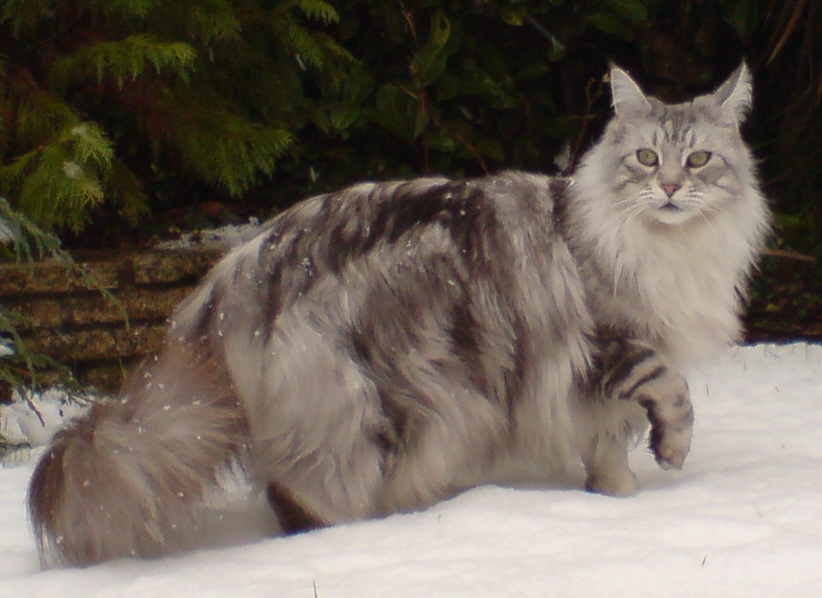
The Maine Coon, often hailed as the “gentle giant” of the feline world, is a breed renowned for its impressive size, shaggy coat, and friendly disposition. Originating from the state of Maine in the United States, these majestic cats command attention not only with their striking appearance but also with their substantial weight. For prospective owners, current enthusiasts, or even those simply curious about these magnificent creatures, understanding a Maine Coon’s typical weight range is crucial, especially when considering the implications for their home environment, lifestyle, and even potential travel plans.
The sheer scale of a Maine Coon can be surprising to those accustomed to smaller domestic cats. These felines are built for endurance and resilience, traits developed in the harsh New England climate, contributing to their robust physique. Beyond mere numbers, their weight reflects their overall health, genetic predispositions, and the quality of care they receive, making it a key indicator of their well-being. This comprehensive guide delves into the typical weight ranges for Maine Coons, explores the factors that influence their size, and, perhaps most uniquely, examines how owning such a substantial pet intersects with modern lifestyle choices, particularly concerning accommodation and travel planning.
The Majestic Maine Coon: A Companion for Every Lifestyle
Owning a Maine Coon is more than just having a pet; it’s adopting a furry family member that requires consideration for its unique needs, largely dictated by its size. Their substantial presence can influence everything from furniture choices to vehicle selection, making them a significant part of an owner’s lifestyle. This grandeur, however, comes with an equally grand personality, making them highly sought-after companions across the globe, from bustling city apartments to sprawling country estates. The decision to bring a Maine Coon into one’s life often signifies a commitment to providing ample space and attention, qualities that resonate with those who appreciate a pet that stands out, much like an iconic landmark captures attention in a cityscape.
Understanding the Breed’s Grandeur and Growth
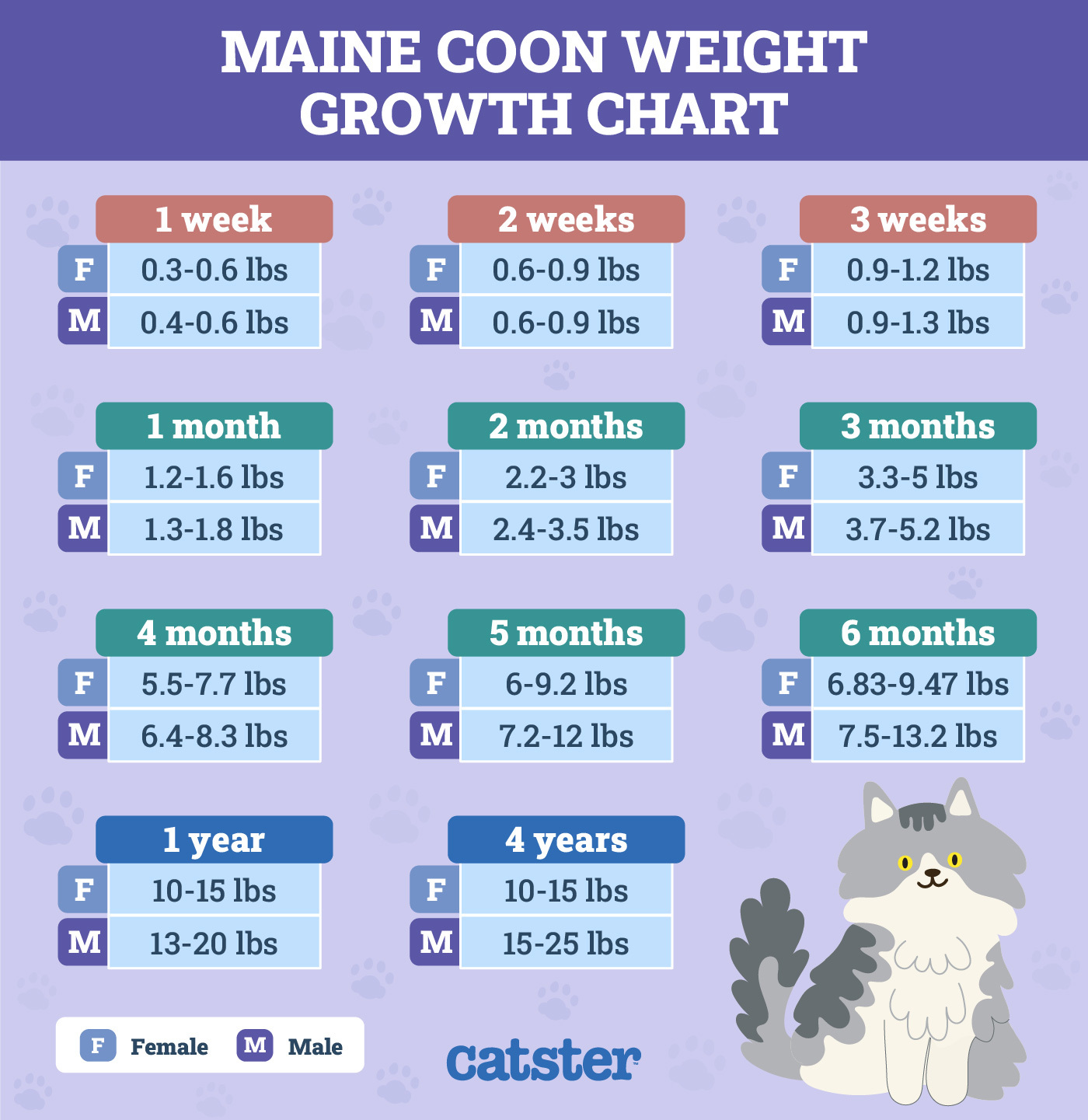
The primary question, “How much does a Maine Coon weigh?”, has a nuanced answer. Like humans, individual cats within the breed can vary significantly. However, there are established averages that provide a good benchmark.
- Male Maine Coons: Typically larger and heavier than their female counterparts, adult male Maine Coons usually weigh between 13 to 20 pounds (5.9 to 9.1 kg). Exceptional males can even tip the scales at 25 pounds (11.3 kg) or more, especially if they have a robust bone structure and are well-muscled.
- Female Maine Coons: Adult females are generally more petite, weighing in the range of 8 to 12 pounds (3.6 to 5.4 kg). Some larger females might reach 15 pounds (6.8 kg).
It’s important to remember that Maine Coons are slow to mature. Unlike many other cat breeds that reach their full size by 12-18 months, Maine Coons can continue growing and filling out until they are 3 to 5 years old. This extended growth period means their weight will gradually increase over several years, requiring consistent nutritional support and monitoring.
Several factors contribute to a Maine Coon’s ultimate size and weight:
- Genetics: This is perhaps the most significant factor. A kitten’s lineage plays a huge role in its potential size. If the parents were large, well-built Maine Coons, there’s a higher likelihood that their offspring will also be sizable. Responsible breeders often provide information on the size of a kitten’s parents.
- Diet and Nutrition: A balanced diet rich in high-quality protein and essential nutrients is vital for healthy growth. Overfeeding can lead to obesity, which is detrimental to any cat’s health, regardless of breed. Conversely, underfeeding can stunt growth and cause health issues.
- Gender: As mentioned, males are typically larger.
- Activity Level: While Maine Coons aren’t hyperactive, they do enjoy play and require regular exercise to maintain muscle tone and prevent excessive weight gain.
- Overall Health: Underlying health conditions can impact a cat’s weight. Regular veterinary check-ups are essential to ensure a Maine Coon is thriving and maintaining a healthy weight for its age and build.

The grandeur of these cats means that their integration into a home requires careful planning, mirroring the thoughtful preparation one undertakes for a memorable trip or a long-term accommodation stay. From selecting sturdy scratching posts to ensuring spacious litter boxes, every detail contributes to a Maine Coon’s comfort and well-being, enhancing the owner’s lifestyle by fostering a harmonious living environment.
Navigating Travel and Accommodation with a Large Feline Friend
The substantial size and weight of a Maine Coon present unique considerations when planning travel or seeking suitable accommodation. Unlike smaller cats that might easily slip into a standard carrier, a Maine Coon requires ample space, comfort, and often, specific arrangements. This impacts decisions ranging from choosing airlines and car rentals to finding pet-friendly hotels or long-term apartments that can comfortably accommodate a large feline. For owners who enjoy exploring new destinations or frequently relocate, the weight and presence of their Maine Coon become a central factor in their logistical planning, intertwining pet care with travel and lifestyle choices.
Pet-Friendly Policies: From Luxury Suites to Cozy Villas
Finding appropriate accommodation for a large cat like a Maine Coon can be a significant undertaking. While many hotels and resorts now proudly advertise as “pet-friendly,” their policies often come with weight restrictions or breed exclusions that might inadvertently exclude these gentle giants. It’s not uncommon for establishments to cap pet weight at 15 or 20 pounds, which can be challenging for an adult male Maine Coon.
When planning a trip with your Maine Coon, thorough research and direct communication with the accommodation provider are paramount. Look for hotels, resorts, or villas that explicitly state they welcome larger pets or have no weight restrictions. Many establishments that cater to luxury travel or offer long-term stays are increasingly flexible, understanding that pets are an integral part of their guests’ families. Some even offer specialized pet amenities such as pet beds, bowls, and designated pet relief areas. Online reviews and dedicated pet travel platforms can be invaluable resources for identifying truly pet-welcoming venues.
For those considering extended periods away from home, securing pet-friendly apartments or villas becomes an even more critical aspect of booking and planning. Websites dedicated to vacation rentals often allow filtering by pet size, making the search for a suitable home-away-from-home more efficient. The extra space provided by suites or multi-room apartments is also highly beneficial for a Maine Coon, allowing them room to stretch, play, and explore without feeling confined, ensuring both pet and owner can enjoy their travel experience.
Exploring Destinations with Your Maine Coon in Mind
While taking a Maine Coon on a round-the-world adventure might be challenging, integrating them into certain aspects of travel and exploring specific destinations is entirely possible with thoughtful preparation. The very origin of the breed in Maine, for instance, offers a unique conceptual link to travel and tourism. Visiting New England or other regions where the breed holds historical significance can be a way to connect with the breed’s heritage, even if the cat itself stays comfortably at home.
For more direct travel experiences, road trips tend to be the most feasible option for a large cat. Investing in a spacious, secure, and comfortable carrier designed for larger breeds is essential. This carrier should allow the Maine Coon to stand, turn around, and lie down comfortably. Planning regular stops for litter box breaks and hydration is also crucial. When considering international travel, the weight and size of a Maine Coon almost invariably mean they would need to travel in cargo, which can be stressful and is often discouraged for pets unless absolutely necessary for relocation. Understanding airline pet policies, crate requirements (which are often larger for Maine Coons), and health certificate regulations for specific countries like the United Kingdom, Canada, or across Europe is non-negotiable.
Increasingly, some attractions, particularly outdoor ones like certain national parks or pet-friendly trails, are becoming more welcoming to leashed cats, although this is still far less common than for dogs. For the Maine Coon owner with an adventurous spirit, finding serene natural spaces or specific pet-friendly parks can offer opportunities for shared outdoor enjoyment, albeit with careful supervision and ensuring the cat is harness-trained and comfortable with outdoor environments. Ultimately, integrating a Maine Coon into travel plans requires a blend of practicality, patience, and a deep understanding of your feline friend’s comfort level and needs.
The Maine Coon’s Impact on Modern Living and Tourism
Beyond personal lifestyle and travel logistics, the sheer popularity and distinctiveness of the Maine Coon breed have created a subtle but measurable impact on broader trends in pet ownership, tourism, and even the conceptualization of pet-friendly public spaces. These magnificent cats have become icons, almost like living landmarks in the world of pedigreed felines, influencing everything from the design of pet products to the focus of animal shows and activities. Their presence challenges conventional notions of cat ownership, especially for those accustomed to smaller breeds, thereby shaping aspects of local culture around pet care and appreciation.
Cultural Significance and Breed-Specific Tourism
The Maine Coon’s prominence extends far beyond individual homes. In the realm of feline enthusiasts, breed-specific events and cat shows dedicated to Maine Coons draw participants and spectators from across continents such as North America, Europe, and Asia. These gatherings, whether in Germany, France, or Australia, function as a form of specialized tourism, where breeders and admirers travel to showcase their cats, share knowledge, and appreciate the breed’s beauty and temperament. Such events often take place in grand convention centers or resorts, requiring significant booking and accommodation arrangements for both human attendees and their feline companions.
The breed’s historical connection to Maine also subtly contributes to tourism. While there isn’t a dedicated “Maine Coon Landmark” per se, the allure of the state itself, often associated with rugged beauty and iconic lighthouses, gains a certain cachet among enthusiasts who appreciate the breed’s origins. Stories and folklore surrounding the Maine Coon’s development within the local culture of New England add to its mystique, creating a narrative that aligns with the exploration of unique destinations and local culture. The breed essentially acts as an ambassador, drawing interest to its geographical roots and the unique charm of its native region, much like specialized culinary tourism might highlight regional food specialties.
Weighing the Joy: Health, Diet, and Lifestyle Considerations
Returning to the central theme of weight, maintaining a healthy weight for a Maine Coon is paramount for their long-term health and the overall joy they bring to a household. Their substantial size means that extra pounds can put significant strain on their joints, heart, and other organs, making them prone to conditions like arthritis, diabetes, and heart disease. A responsible owner’s lifestyle therefore inherently includes a commitment to proactive health management.
This translates into several key lifestyle considerations:
- Dietary Management: Given their size, Maine Coons typically require more food than average cats, but it must be the right kind of food. High-quality, species-appropriate diets that support muscle and bone health are crucial. Portions must be carefully managed to prevent overeating.
- Exercise and Play: While they are often calm indoors, Maine Coons benefit from regular interactive play sessions. Laser pointers, feather wands, and puzzle feeders can encourage physical activities that help burn calories and maintain a healthy weight. Their intelligence also means they enjoy engaging games that challenge them mentally.
- Veterinary Care: Regular check-ups with a veterinarian are essential to monitor weight, assess overall health, and catch any potential issues early. Large breeds sometimes have specific health concerns that can be managed with proper veterinary attention.
- Financial Commitment: The larger size of a Maine Coon often translates to higher costs for food, litter, and potentially medication. This financial aspect is an important part of the “budget travel” or “luxury travel” decision-making process for pet ownership, as it requires dedicated resources similar to planning for family trips or business stays.
In conclusion, the weight of a Maine Coon is more than just a number; it’s a testament to their majestic stature and a critical indicator of their health. Understanding their typical weight range and the factors influencing it is fundamental for providing optimal care. Furthermore, embracing a Maine Coon into one’s life means making conscious lifestyle choices that extend to travel, accommodation, and daily living, ensuring these “gentle giants” can thrive as beloved companions for many years, enriching every adventure along the way.
LifeOutOfTheBox is a participant in the Amazon Services LLC Associates Program, an affiliate advertising program designed to provide a means for sites to earn advertising fees by advertising and linking to Amazon.com. Amazon, the Amazon logo, AmazonSupply, and the AmazonSupply logo are trademarks of Amazon.com, Inc. or its affiliates. As an Amazon Associate we earn affiliate commissions from qualifying purchases.