
Understanding Accommodation Expenses in Florida for Long-Term Stays
Florida, often lauded as the Sunshine State, beckons individuals from across the globe seeking an idyllic backdrop for extended living. Whether you are considering purchasing a vacation home, investing in a rental property, or making a permanent move for retirement, understanding the full scope of accommodation expenses is paramount. Beyond initial property acquisition costs, utilities, and homeowner association fees, the long-term maintenance of your residence forms a significant part of your financial planning. Among these crucial considerations, the cost of a new roof stands out as a substantial, yet often overlooked, investment in your long-term Florida accommodation.

For those planning an extended stay, owning property offers a unique sense of stability and belonging that differs from short-term rentals or resort accommodations. However, this stability comes with responsibilities, chief among them maintaining the structural integrity of your home. A roof is not merely a cover; it’s a critical barrier protecting your investment, your belongings, and your comfort from Florida’s often intense weather. Therefore, budgeting for its eventual replacement is an essential component of comprehensive long-term accommodation planning in the state. Ignoring this aspect can lead to unexpected, costly surprises down the line, potentially jeopardizing your dream of a seamless Florida lifestyle.
Key Factors Influencing Roof Replacement Costs in the Sunshine State
The price of a new roof in Florida is far from uniform, varying widely based on several interconnected factors. Understanding these variables is crucial for anyone evaluating long-term property ownership within the state.
Material Choice and Its Impact
The type of roofing material selected significantly impacts the overall cost. Each material offers a unique balance of durability, aesthetic appeal, and price point, directly affecting both the upfront investment and the lifespan of your accommodation’s protective layer.
- Asphalt Shingles: These are the most common and generally the most affordable option. Standard architectural shingles can range from $4.50 to $7.00 per square foot installed. While cost-effective, their lifespan in Florida’s harsh climate can be shorter than in cooler regions, typically 15-25 years.
- Metal Roofing: Growing in popularity due to its exceptional durability and resistance to high winds, metal roofing can cost between $8.00 and $15.00 per square foot. While a higher initial investment, metal roofs can last 40-70 years and often come with better insurance rates in hurricane-prone areas. Options include standing seam, corrugated, and metal shingles, each with varying price points and aesthetic qualities.
- Tile Roofing: Clay or concrete tiles are iconic in many Florida architectural styles, offering a distinctive look and superior longevity (50+ years). However, they are among the most expensive options, ranging from $10.00 to $25.00 per square foot. Their weight often requires additional structural reinforcement, adding to the cost.
- Flat Roofs: Commonly found on commercial buildings or specific modern residential designs, flat roofs (e.g., TPO, EPDM, Modified Bitumen) cost approximately $5.00 to $12.00 per square foot. Installation complexity and material differences account for this range.
Roof Size and Pitch
Larger roofs naturally require more materials and labor, increasing the overall cost. The pitch (steepness) of the roof also plays a role; steeper roofs are more challenging and dangerous to work on, often leading to higher labor costs. Complex roof designs with multiple valleys, dormers, and chimneys also add to the expense due to increased labor and waste.
Scope of Work
A full roof replacement involves more than just laying new materials. Costs can include:
- Tear-off and Disposal: Removing existing layers of roofing and disposing of debris. If multiple layers need removal, this adds to labor and landfill fees.
- Decking and Underlayment Repair: Any rotten or damaged plywood decking or compromised underlayment must be replaced before new materials are installed. This is a crucial step for long-term integrity, especially in Florida’s humid climate.
- Permits and Inspections: Florida has strict building codes, and permits are always required for roof replacements. These fees, along with mandatory inspections, ensure compliance but add to the overall cost.
- Additional Components: Flashing, ventilation, drip edges, and gutters are integral parts of a roofing system and may need replacement or upgrade.
Geographic Location within Florida
Costs can also fluctuate based on your specific location in Florida. Densely populated metropolitan areas like Miami, Orlando, and Tampa often have higher labor rates and permit fees compared to more rural or less competitive markets. Demand for roofing services also spikes after major weather events, driving up prices temporarily. For example, a roof in Miami-Dade County might be notably more expensive than a similar project in a less populated county in the Panhandle or central Florida.
Florida’s Unique Climate and Building Codes
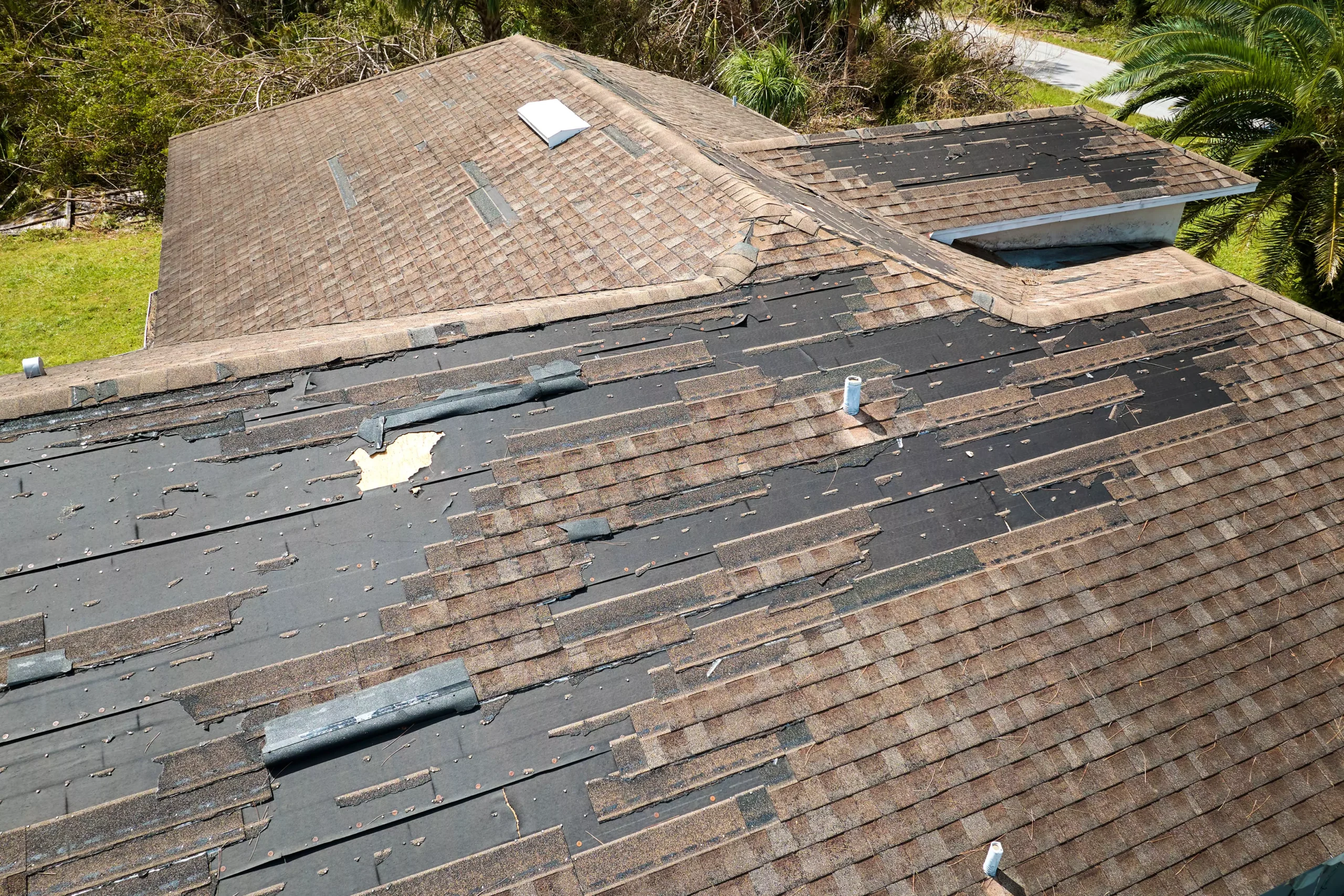
One cannot discuss roofing costs in Florida without addressing the state’s defining characteristic: its susceptibility to hurricanes and severe weather. This environmental factor has profoundly shaped Florida’s building codes, making them some of the most stringent in the nation.
Hurricane Impact and Reinforced Building Codes
Following devastating hurricane seasons, particularly Hurricane Andrew in 1992, Florida adopted comprehensive statewide building codes designed to enhance structural resilience. For roofs, this means stricter requirements for fastening, underlayment, and overall system integrity. Roofs must be installed to withstand high wind speeds, often requiring specialized fasteners, robust adhesive applications, and meticulous installation techniques that go beyond what might be acceptable in other states. These enhanced standards, while crucial for protecting property, inevitably contribute to higher labor and material costs. Contractors must be certified and familiar with these codes, and non-compliance can lead to significant issues during inspections, insurance claims, or future sales of your Florida accommodation.
Insurance Considerations
Homeowner’s insurance in Florida is heavily influenced by the age and condition of your roof. Many insurers are reluctant to cover properties with roofs older than 15-20 years, or they may impose significant surcharges. A new, code-compliant roof can often lead to substantial savings on your insurance premiums, offering a return on your investment over time. Some insurance companies even offer discounts for specific hurricane-resistant roofing materials and installation methods, such as a “hip roof” shape or specialized strapping. This makes the upfront cost of a new roof a strategic financial decision for long-term property ownership, reducing ongoing expenses and ensuring continuous coverage against Florida’s severe weather.
Estimating Your Investment: Average Costs and Seeking Quotes
Given the variables, providing an exact figure for a new roof in Florida without a specific property assessment is impossible. However, we can offer general ranges to help you budget for your long-term accommodation.
For a typical 1,500 to 2,000 square foot single-family home:
- Asphalt Shingles: Expect to pay anywhere from $8,000 to $18,000.
- Metal Roofing: The cost generally falls between $15,000 and $30,000.
- Tile Roofing: This can be a significant investment, ranging from $20,000 to $50,000, or even more for custom designs or heavier tiles requiring structural modifications.
These ranges include labor, materials, permits, and disposal. It is crucial to remember that these are estimates, and actual costs can vary based on the specific factors discussed previously.
The Importance of Multiple Quotes
When planning for a roof replacement for your Florida property, obtaining multiple detailed quotes from reputable local roofing contractors is non-negotiable. Each quote should clearly itemize:
- Materials: Brand, type, color, and quantity.
- Labor: Breakdown of installation costs.
- Permits: Included fees.
- Tear-off and Disposal: Specific costs associated with removing the old roof.
- Warranty: Both manufacturer and labor warranties.
- Timeline: Estimated project duration.
Thoroughly vetting contractors by checking their licenses, insurance, and references will ensure a quality installation that complies with Florida’s stringent building codes. This due diligence protects your investment and provides peace of mind for your long-term stay.
Financing and Long-Term Value for Florida Homeowners/Investors
Understanding the cost of a new roof isn’t just about the immediate expense; it’s about recognizing its role as a fundamental investment in your Florida accommodation.
Financing Options
For many property owners, a roof replacement is a significant expense that may require financing. Several options are available:
- Home Equity Loans or Lines of Credit (HELOCs): Leveraging the equity in your home can provide access to funds at competitive interest rates.
- PACE (Property Assessed Clean Energy) Programs: Available in many Florida counties, PACE programs allow homeowners to finance energy-efficient and hurricane-resistant improvements, including roofs, through property tax assessments. This can be an attractive option as repayment is tied to the property, not the individual, and typically offers long repayment terms.
- Contractor Financing: Many roofing companies partner with lenders to offer financing options, though interest rates may vary.
Carefully evaluating these options can help you manage the upfront cost while securing your long-term accommodation investment.

Impact on Property Value and Appeal
A new roof significantly enhances the curb appeal and structural integrity of a Florida home. For those considering selling their property in the future, a recent roof replacement is a major selling point, often yielding a strong return on investment. It signals to potential buyers or long-term renters that the property has been well-maintained and is less likely to incur immediate, costly repairs. Furthermore, properties with newer, code-compliant roofs are more attractive to insurance companies, making the home easier and more affordable to insure for new owners. This foresight in maintaining your accommodation ensures its desirability and value in Florida’s dynamic real estate market. The investment in a quality roof is not just a necessity; it’s a strategic move to secure and enhance your long-term presence in the Sunshine State.
LifeOutOfTheBox is a participant in the Amazon Services LLC Associates Program, an affiliate advertising program designed to provide a means for sites to earn advertising fees by advertising and linking to Amazon.com. Amazon, the Amazon logo, AmazonSupply, and the AmazonSupply logo are trademarks of Amazon.com, Inc. or its affiliates. As an Amazon Associate we earn affiliate commissions from qualifying purchases.