
Understanding the financial landscape of being a law enforcement officer in one of the world’s most iconic cities is a common point of interest, especially for those considering a career in policing or those simply curious about the livelihoods of the men and women who serve and protect the bustling metropolis of New York City. While the question of salary might seem straightforward, the reality for a New York Police Officer is multifaceted, encompassing a base salary, overtime opportunities, extensive benefits, and the potential for career advancement. This exploration delves into the various components that contribute to the overall compensation package, offering a comprehensive view of what a NYPD officer can expect to earn.

The Foundation: Base Salary and Salary Steps
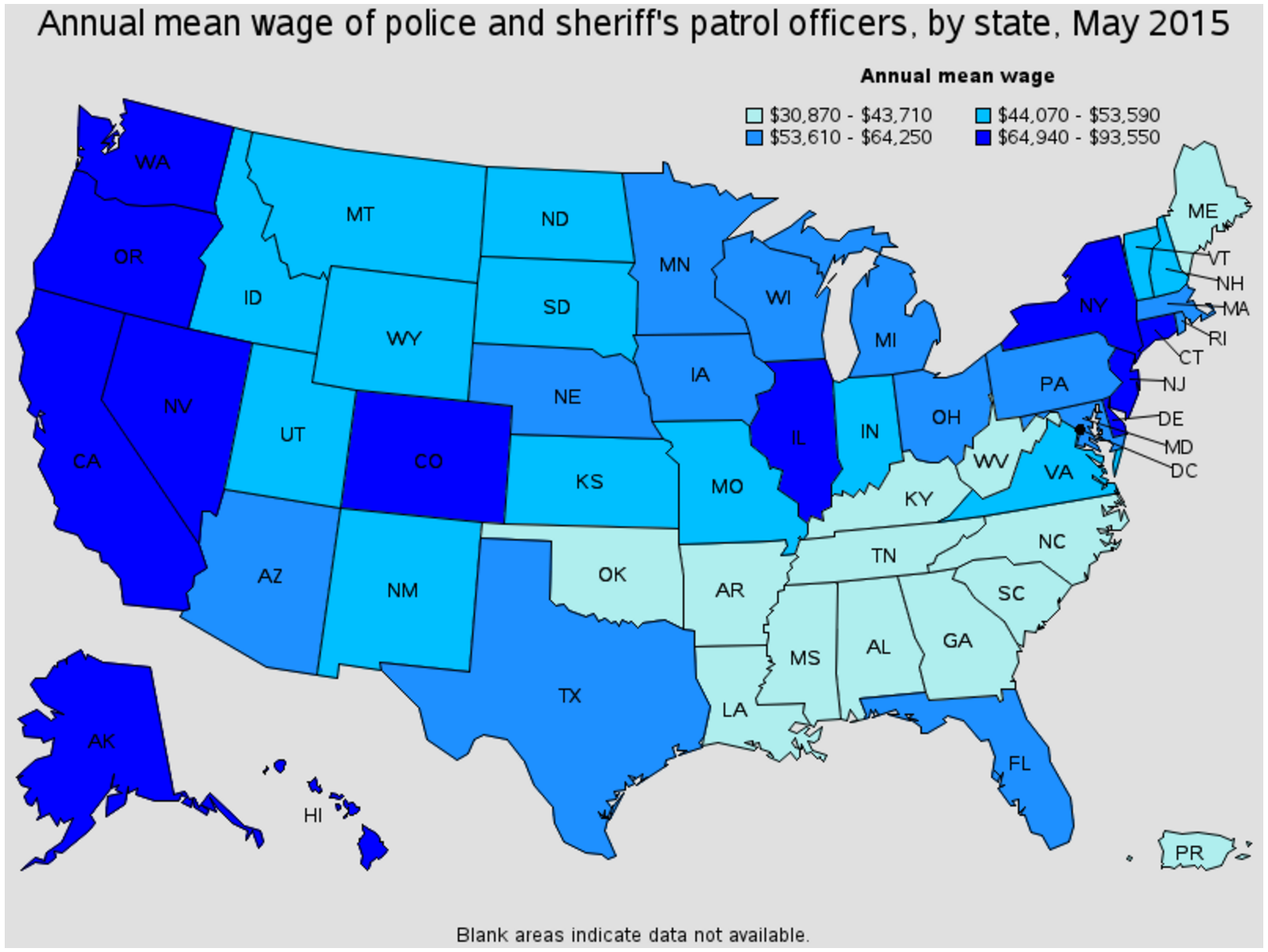
The starting point for any discussion about a New York Police Officer salary is the base pay. This figure is determined by a collective bargaining agreement between the City of New York and the Police Benevolent Association, the union representing many of the city’s officers. Entry-level salaries for a police officer trainee are typically lower, reflecting the initial period of training and probation. However, once an officer completes their academy training and is appointed as a full police officer, their salary begins to climb through a structured step system.
Salary Progression Over a Career
The step system is designed to reward experience and tenure. Newly appointed officers begin at the lowest pay grade, and their salary increases incrementally at set intervals, usually annually, for a specified number of years. This progression is a significant factor in the overall earning potential. For instance, an officer might start at a base salary of around $40,000 to $50,000 in their first year, but this figure can rise significantly over a typical career.
Typical Salary Steps (Illustrative Example):
- Year 1-2: Entry-level base salary.
- Year 3-5: Mid-level base salary, with regular annual increases.
- Year 6-10: Senior officer base salary, reaching a substantial portion of the maximum potential.
- Year 10+: Maximum base salary, often in the six figures, before accounting for overtime and specialized pay.
It’s important to note that these figures are subject to change based on new contract negotiations and city budgets. However, the general principle of a structured, experience-based salary progression remains a constant. This predictable growth allows officers to plan their finances and anticipate their earning capacity throughout their service. The prospect of reaching a high base salary after a decade or more of dedicated service is a strong incentive for recruitment and retention within the NYPD.
Beyond the Base: Overtime and Specialized Pay
While the base salary provides a stable income, a significant portion of a New York Police Officer ‘s earnings often comes from overtime and specialized pay. The demanding nature of policing in a city as dynamic as New York City frequently necessitates officers working beyond their standard shifts.
The Reality of Overtime
Overtime hours are common for NYPD officers due to a variety of factors, including:
- Major Events and Emergencies: Large-scale events, natural disasters, or public safety emergencies often require extended police presence and longer working hours for all available personnel.
- Shift Continuations: Investigations or ongoing situations may require officers to remain on duty past their scheduled end time.
- Special Details and Assignments: Officers may volunteer or be assigned to special details, such as security for high-profile events, parades, or protests, which frequently involve overtime pay.
- Court Appearances: Officers may need to appear in court outside of their regular working hours to testify, and these hours are often compensated.
Overtime is typically paid at a rate of 1.5 times the officer’s regular hourly wage. For an officer earning a substantial base salary, the accumulation of overtime hours can significantly boost their annual income, often pushing total earnings well into the six-figure range. This potential for higher earnings is a key aspect of compensation for NYPD officers.
Specialized Pay and Assignments
In addition to overtime, NYPD officers can also earn additional pay through various specialized assignments and skill sets. These can include:
- Hazard Pay: Officers working in particularly dangerous environments or performing high-risk duties may be eligible for hazard pay.
- Language Proficiency: Officers who are fluent in languages other than English and utilize this skill in their duties may receive stipends.
- Educational Incentives: Some departments offer pay differentials for officers who hold advanced degrees in relevant fields.
- Specialized Units: Assignment to specialized units such as K-9, Bomb Squad, Emergency Service Unit (ESU), or detective bureaus often comes with additional pay or promotional opportunities that increase overall compensation.
- Shift Differentials: Working less desirable shifts, such as overnight or weekend tours, can sometimes include a shift differential pay.
These additional forms of compensation recognize the diverse skills, risks, and responsibilities that New York Police Officers undertake. When combined with a solid base salary and consistent overtime opportunities, they create a robust earning potential that makes the profession financially attractive.
The Value of Benefits and Pensions
Beyond the direct monetary compensation, the benefits package offered to New York Police Officers represents a substantial component of their overall financial well-being. These benefits not only provide security during an officer’s working years but also contribute significantly to their financial stability post-retirement.
Comprehensive Health and Welfare Benefits
The NYPD typically offers comprehensive health insurance coverage for officers and their dependents. This includes medical, dental, and vision care, often with low premiums or even fully employer-sponsored plans. This coverage is a critical financial relief, as healthcare costs can be a significant expense for families.
Other welfare benefits can include:
- Life Insurance: A life insurance policy provides a financial safety net for the officer’s family in the event of their passing.
- Disability Insurance: This coverage ensures income replacement for officers who may become disabled and unable to perform their duties.
- Paid Time Off: Officers are entitled to paid vacation days, sick leave, and holidays, which contribute to work-life balance and prevent loss of income during periods of absence.
The value of these benefits is often overlooked when focusing solely on salary, but they represent thousands of dollars in annual savings and security for officers and their families.
The Retirement Pension
One of the most significant aspects of compensation for NYPD officers is their pension plan. Policing is a physically and mentally demanding profession, and a well-structured pension system is designed to reward long-term service and provide financial security in retirement.
New York City police officers are typically part of a defined-benefit pension plan. This means that upon retirement, they receive a guaranteed monthly income for the rest of their lives, calculated based on their years of service and final average salary. The age and years of service required to qualify for a pension vary, but many officers are eligible to retire after 20 or 25 years of service, often in their late 40s or early 50s.
Key Features of Pension Plans:
- Defined Benefit: A predictable, guaranteed retirement income.
- Service-Based Calculation: Pension amount increases with more years of service.
- Salary-Based Calculation: Often linked to an officer’s final average salary, providing a substantial income replacement.
- Early Retirement Options: Eligibility for retirement after a specified number of years, allowing for an earlier transition to post-career life.
The pension plan is a powerful incentive for career longevity and provides a secure financial future, allowing former officers to maintain a comfortable standard of living after dedicating their careers to public service. This long-term financial security is a crucial aspect of the overall compensation package for a New York Police Officer.
Factors Influencing Earning Potential
While base salary, overtime, and benefits form the core of a New York Police Officer’s compensation, several other factors can influence their ultimate earning potential and career trajectory. These include rank, specialized assignments, and the specific precinct or borough of assignment.
Rank and Promotion
Like most organizations, the NYPD has a hierarchical structure, and promotion to higher ranks comes with increased responsibilities and, consequently, higher salaries. An officer who progresses through the ranks from Patrol Officer to Sergeant, Lieutenant, Captain, and beyond will see a significant increase in their base pay. Promotions are typically earned through a combination of seniority, performance evaluations, and competitive examinations. The ability to advance within the department offers a clear path to increased earning potential and greater influence within the organization.
Specialized Units and Detective Bureau
As mentioned previously, assignment to specialized units can lead to increased pay and unique career opportunities. However, the Detective Bureau is a particularly notable area where earning potential can significantly increase. Detectives, who investigate more complex crimes, often earn higher salaries than uniformed patrol officers. This can be due to a combination of base pay adjustments, the potential for substantial overtime related to ongoing investigations, and the prestige associated with detective work. Moving from a uniformed role to a detective position is a common career goal for many NYPD officers.
Precinct and Borough Considerations
While the base salary structure is generally uniform across New York City, the demands and operational needs of different precincts and boroughs can indirectly influence an officer’s earning potential. For instance, precincts in high-crime areas or those experiencing significant public events may offer more opportunities for overtime. Additionally, certain specialized assignments or temporary reassignments may arise based on the needs of a particular borough. While not a direct salary determinant, the environment in which an officer serves can shape their experience and, by extension, their overtime accumulation.

Educational Attainment and Training
Continuous professional development and acquiring specialized training can also contribute to an officer’s earning potential. While not always directly tied to immediate salary increases, advanced degrees or specialized certifications can make an officer more competitive for promotions or desirable assignments within the NYPD. Some departments offer stipends or pay increases for officers who pursue higher education or acquire specific skills relevant to law enforcement.
In conclusion, the question of “How Much Does A New York Police Officer Make?” yields a complex but rewarding answer. The compensation package is a robust blend of a structured and escalating base salary, significant overtime opportunities, comprehensive benefits that provide immediate and long-term security, and a valuable pension plan. Coupled with opportunities for career advancement and specialization, the financial rewards of serving as a New York Police Officer are substantial, reflecting the critical importance and demanding nature of their role in safeguarding New York City.
LifeOutOfTheBox is a participant in the Amazon Services LLC Associates Program, an affiliate advertising program designed to provide a means for sites to earn advertising fees by advertising and linking to Amazon.com. Amazon, the Amazon logo, AmazonSupply, and the AmazonSupply logo are trademarks of Amazon.com, Inc. or its affiliates. As an Amazon Associate we earn affiliate commissions from qualifying purchases.