
Understanding the compensation of police officers in New York is a complex endeavor, as it extends far beyond a simple base salary. This profession, demanding dedication, courage, and a deep commitment to public service, offers a multifaceted compensation package that reflects the rigorous nature of the work and the high cost of living in the Empire State. For those considering a career in law enforcement within New York, or for residents curious about the economic realities of those who protect and serve, a comprehensive look at salary, benefits, and career progression is essential.

The allure of serving and protecting in one of the world’s most dynamic cities is undeniable. However, it’s crucial to balance this noble aspiration with a clear understanding of the financial landscape. This article delves into the various components that contribute to a New York police officer’s earning potential, from entry-level positions to seasoned veterans, and explores the factors that influence these figures, including the specific agency, experience, and overtime.
Understanding the Base Salary and Salary Progression
The foundation of any police officer’s compensation is their base salary. In New York, this figure can vary significantly depending on the specific police department. The largest and most well-known is the New York City Police Department (NYPD), but numerous other municipal, county, and state agencies operate across the state, each with its own pay scales and contractual agreements.
Entry-Level Salaries and Starting Points
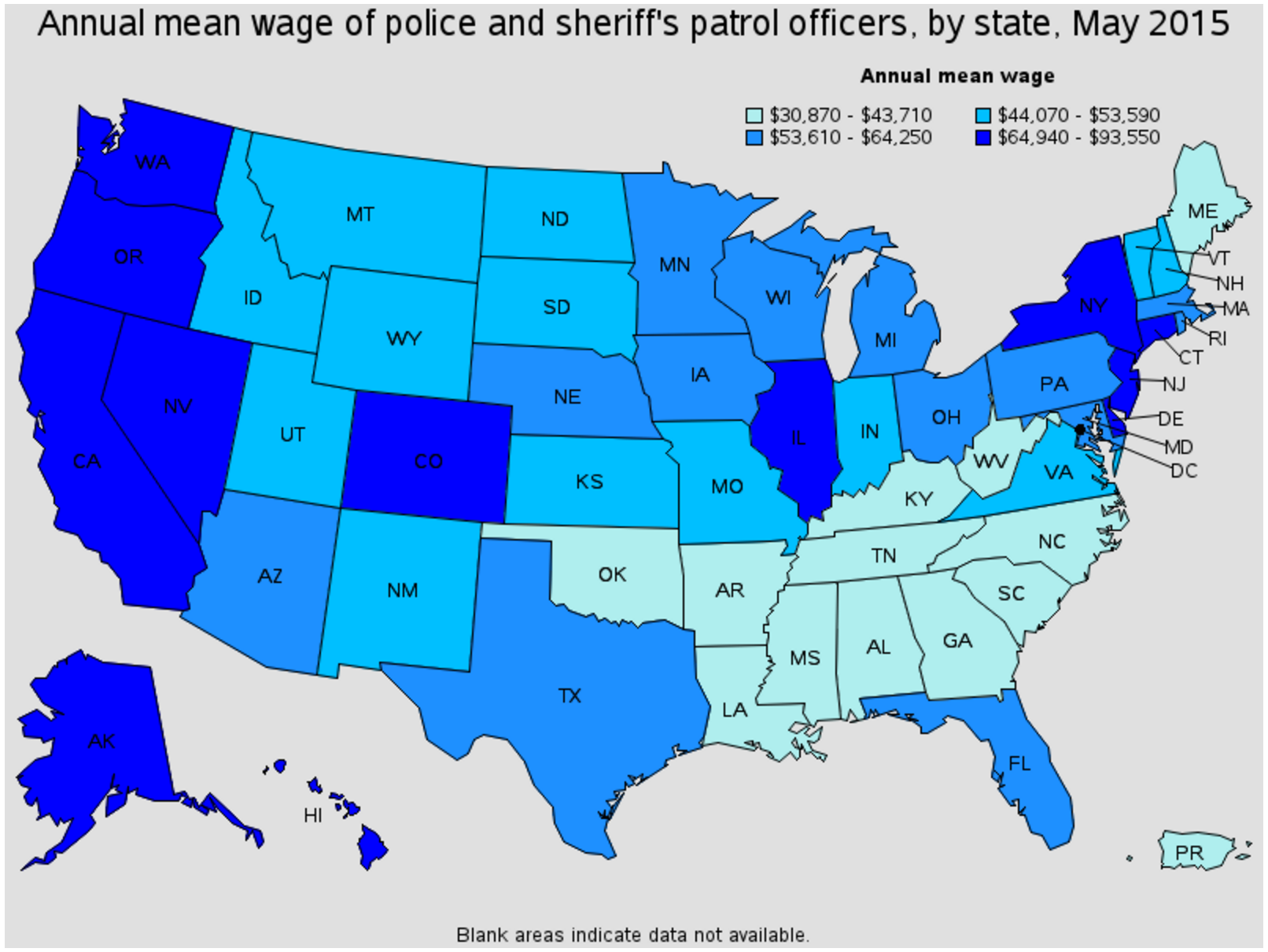
For a recruit entering the academy, the starting salary is typically the lowest point in the compensation structure. However, even at this initial stage, New York police officer salaries are generally competitive when compared to national averages. For instance, a police officer cadet or probationary officer within the NYPD might begin earning a salary in the range of $40,000 to $50,000 annually. This figure, while modest, serves as a starting point, with structured increases tied to years of service.
Mid-Career and Senior Officer Earnings
As an officer gains experience and progresses through the ranks, their base salary sees substantial growth. Most New York police departments have a structured pay scale that rewards longevity and performance. An officer with five, ten, or fifteen years on the force will earn a considerably higher base salary than a rookie. For example, after a few years of service within the NYPD, an officer’s base salary can climb into the $60,000 to $70,000 range, and by the time they reach higher seniority levels, typically after 5-6 years, it can reach or exceed $80,000, with some top-tier salaries for experienced officers in specific precincts or divisions even surpassing $100,000 before factoring in overtime and other benefits.
Agency Variations Across New York State
It is imperative to note that these figures are illustrative and primarily reflect the NYPD. Smaller cities and towns throughout New York State, such as Buffalo, Rochester, or Albany, may have different salary structures. While the cost of living might be lower in these areas, potentially leading to slightly lower base salaries, the overall compensation package, including benefits, often remains attractive. For example, a police officer in a suburban county sheriff’s department might have a starting salary closer to $50,000-$60,000, with a similar progression path as their city counterparts.
The Crucial Role of Overtime and Special Duty Assignments
Beyond the base salary, overtime and special duty assignments represent a significant component of a New York police officer’s overall earnings. The demanding nature of policing, with its unpredictable hours and the need for constant vigilance, frequently necessitates extended work shifts.
Understanding Overtime Eligibility and Rates
Police officers in New York are often eligible for overtime pay for hours worked beyond their standard shifts. This can occur due to court appearances, responding to major incidents, covering for absent colleagues, or participating in special enforcement operations. Overtime rates are typically calculated at time-and-a-half or double-time, depending on departmental policy and state labor laws. This means that an officer who consistently works overtime can substantially increase their annual income.
Special Assignments and Detail Pay
Many New York police officers have opportunities to supplement their income through special assignments and details. These can include:
- Traffic Control: Directing traffic at major events, construction sites, or parades often comes with additional pay.
- Court Appearances: Officers who are required to appear in court outside of their regular duty hours are compensated for that time.
- Specialized Units: Assignments to specialized units such as K-9, bomb squad, tactical teams (like the NYPD’s Emergency Service Unit – ESU), or detective bureaus may come with additional stipends or higher pay rates due to the specialized skills and risks involved.
- Event Security: Working security details for concerts, sporting events at venues like Yankee Stadium or Madison Square Garden, or private functions can provide substantial overtime opportunities.
These additional earnings are critical for many officers, especially in high-cost-of-living areas like New York City, where they help offset the expenses associated with maintaining a comfortable lifestyle. It is not uncommon for experienced officers to earn a significant portion of their total annual compensation through these avenues.
Comprehensive Benefits Packages: Health, Retirement, and More
The financial well-being of a New York police officer is further secured through a robust benefits package that goes beyond monetary compensation. These benefits are designed to provide long-term security, comprehensive healthcare, and valuable perks that contribute to overall quality of life.
Health Insurance and Medical Benefits
Health insurance is a cornerstone of the benefits package for New York police officers. Departments typically offer generous health, dental, and vision insurance plans for officers and their families. These plans often cover a wide range of medical services, including doctor’s visits, hospital stays, prescription medications, and specialist care, with varying levels of co-pays and deductibles depending on the plan chosen. The cost of healthcare is a significant expense for many, and having this covered by the employer provides considerable financial relief and peace of mind.
Retirement and Pension Plans
One of the most attractive aspects of a career in law enforcement in New York is the provision of comprehensive retirement and pension plans. These plans are often defined-benefit pensions, meaning that officers are guaranteed a certain level of income upon retirement, calculated based on their years of service and final average salary. New York State and its municipal pension systems are known for their stability and the attractive retirement benefits they offer. Many officers can retire with a substantial portion of their working income after 20-25 years of service, often in their late 40s or early 50s, allowing them to pursue other interests or enjoy their retirement years comfortably.

Other Key Benefits
In addition to health insurance and retirement, New York police officers typically receive a range of other valuable benefits, which can include:
- Paid Time Off: Generous accrual of vacation days, sick leave, and personal days.
- Life Insurance: Employer-provided life insurance policies to protect the officer’s family.
- Disability Insurance: Coverage in case of injury or illness that prevents them from performing their duties.
- Uniform Allowance: Funds or provision for the purchase and maintenance of their uniforms.
- Education and Training: Opportunities for ongoing professional development, specialized training, and sometimes tuition assistance for higher education.
- Union Representation: Membership in police unions, such as the Police Benevolent Association (PBA), which advocate for officers’ rights, negotiate contracts, and provide legal support.
These benefits collectively contribute significantly to the overall financial security and job satisfaction of New York police officers, making the profession a viable and rewarding career choice for many individuals dedicated to public service.
LifeOutOfTheBox is a participant in the Amazon Services LLC Associates Program, an affiliate advertising program designed to provide a means for sites to earn advertising fees by advertising and linking to Amazon.com. Amazon, the Amazon logo, AmazonSupply, and the AmazonSupply logo are trademarks of Amazon.com, Inc. or its affiliates. As an Amazon Associate we earn affiliate commissions from qualifying purchases.