
The allure of California is undeniable. From the sun-drenched beaches of Southern California to the majestic redwood forests of the north, the Golden State offers a diverse tapestry of experiences that draw millions of visitors and residents alike. This constant influx of people, coupled with the state’s robust economy and desirable lifestyle, creates a vibrant real estate market. Naturally, this leads to a common question for those considering a career in property or simply curious about the industry: “How much does a real estate agent make in California?”
The answer, as with many things related to real estate, is complex and multifaceted. It’s not a simple salary figure but rather a compensation structure that hinges on a variety of factors, including commission rates, deal volume, market conditions, and the agent’s individual skills and efforts. Understanding these nuances is crucial for anyone looking to enter the field or for those who simply want to grasp the financial realities of real estate professionals operating in one of the nation’s most dynamic and expensive markets.

The Commission-Based Reality: Earning Potential in California Real Estate
At its core, a real estate agent’s income in California is driven by commissions. Unlike salaried positions, agents typically do not receive a base pay. Instead, they earn a percentage of the sale price of the properties they help buy or sell. This commission is usually split between the buyer’s agent and the seller’s agent, and then further divided between the agent and their brokerage firm. This model means that an agent’s earnings are directly tied to their ability to close deals and the value of those deals.
Understanding Commission Splits and Brokerage Fees
The typical commission rate for a real estate transaction in California can range anywhere from 5% to 6% of the property’s sale price. However, this is the total commission, and it’s rarely pocketed entirely by a single agent. Here’s a breakdown of how it generally works:
- The Listing Agent’s Commission: The seller typically pays the commission, which is then split between the seller’s agent (listing agent) and the buyer’s agent.
- Brokerage Split: Both the listing agent and the buyer’s agent will then have to split their portion of the commission with their respective brokerage firms. These splits can vary significantly, with newer agents often having a less favorable split (e.g., 50/50 or 60/40 in favor of the broker) compared to experienced agents who may negotiate better terms (e.g., 80/20 or even 100/0 after reaching a certain earnings threshold).
- Expenses: It’s also vital to remember that agents incur numerous business expenses out of their gross commission. These can include marketing costs (advertising listings, online presence), MLS fees, association dues, continuing education, office fees, transportation, and technology. These expenses can significantly reduce an agent’s net income.
Therefore, while a 6% commission on a $700,000 home sale in San Diego might sound substantial, the agent’s take-home pay after all splits and expenses will be considerably less.
Factors Influencing Earning Potential
Several key factors dictate how much a real estate agent can realistically earn in California:
- Experience Level: As mentioned, experienced agents often command higher commission splits and have a more established network, leading to more consistent business. New agents, on the other hand, face a steeper learning curve and often start with lower earnings as they build their clientele and expertise.
- Market Saturation and Location: California is a vast state with diverse real estate markets. Agents working in high-demand, high-value areas like Los Angeles, San Francisco, or parts of Orange County generally have the potential to earn more due to higher property prices. Conversely, agents in smaller, less affluent towns may see lower earning potential.
- Transaction Volume: The more successful transactions an agent closes, the higher their income. This depends on a multitude of factors, including an agent’s marketing prowess, negotiation skills, network of contacts, and overall efficiency.
- Specialization: Some agents specialize in specific niches, such as luxury properties, commercial real estate, or even vacation rentals. Specializing can lead to higher commission rates on individual deals, but it may also limit the volume of transactions. For instance, an agent focusing on luxury villas in Palm Springs might handle fewer sales than an agent working in a starter home market, but each sale could be significantly more lucrative.
- Economic Conditions: The broader economic climate significantly impacts the real estate market. In a booming economy with low interest rates, homes tend to sell quickly and at higher prices, benefiting agents. During economic downturns, the market can slow down, leading to fewer sales and reduced earning potential.
Navigating the California Real Estate Landscape: From New Agents to Top Producers
The journey of a real estate agent in California is often characterized by a significant learning curve and a drive for continuous improvement. The initial years can be challenging, but with dedication and strategic effort, the earning potential can be very rewarding.
The Beginning: Entry-Level Earnings and Challenges
For a brand-new real estate agent in California, setting realistic income expectations is crucial. Many enter the field with the perception of easy money, only to be confronted by the reality of building a client base from scratch.
- Initial Investment: Beyond the licensing costs, new agents often face a period with little to no income. They need to invest in marketing, networking, and often support their brokerage firm’s fees.
- Learning the Ropes: The first few months to a year are typically spent learning the intricacies of contracts, negotiation, market analysis, and building relationships. This learning period is critical and requires significant effort.
- Lower Commission Splits: Most brokerages start new agents with a less favorable commission split, meaning a larger percentage of their earnings goes to the broker.
- Building a Pipeline: Success in the early stages relies heavily on prospecting, open houses, and leveraging personal networks. It takes time to generate consistent leads and close deals.
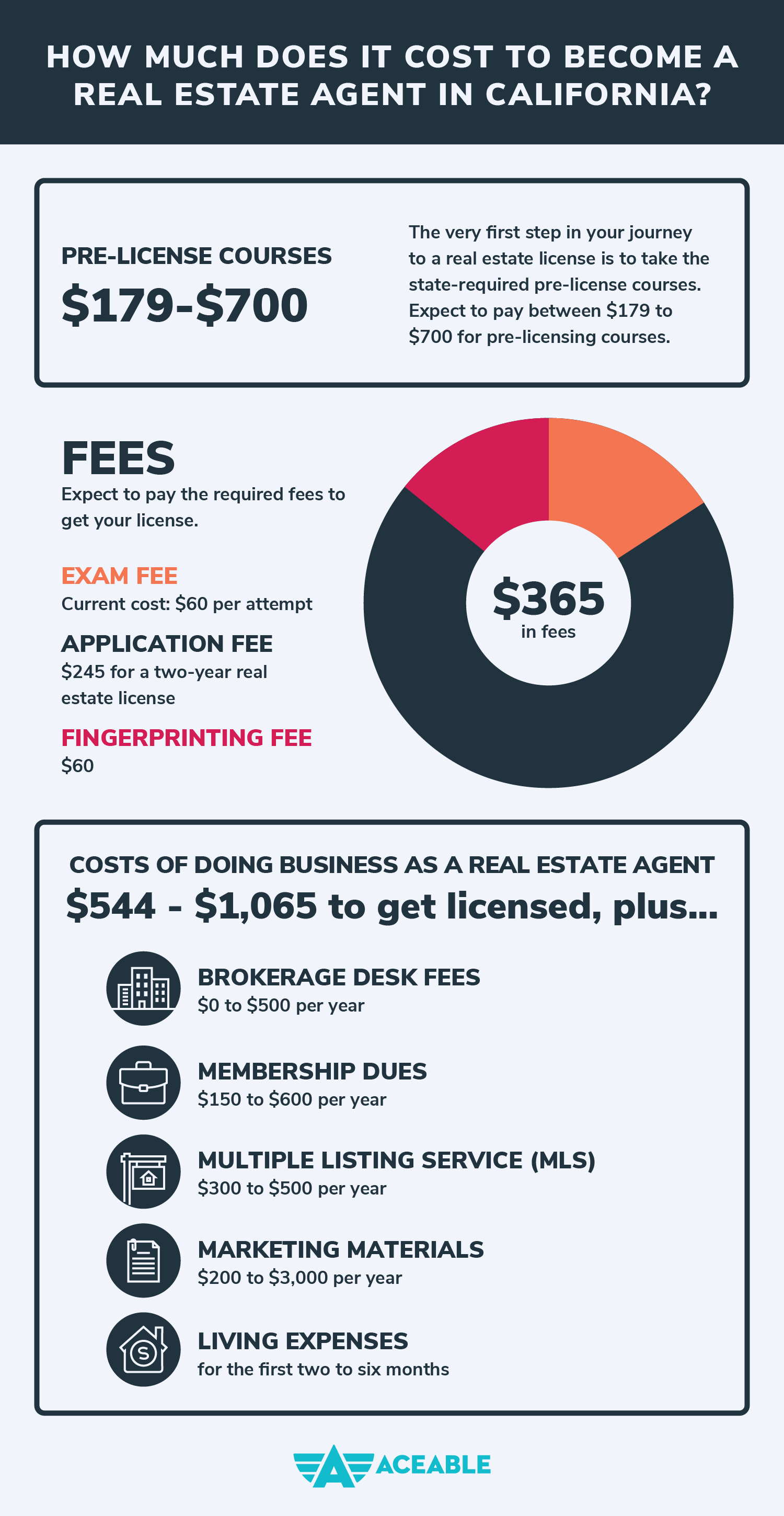
An agent in their first year might earn anywhere from $20,000 to $50,000, heavily dependent on their hustle and the market. Some might not earn anything if they fail to close a deal. This initial phase requires immense perseverance.
Mid-Career Agents: Building Momentum and Increasing Income
As agents gain experience, their earning potential typically increases significantly. They develop a better understanding of the California market, refine their skills, and build a loyal client base.
- Improved Commission Splits: With a track record of success, agents can often negotiate better commission splits with their brokers, increasing their net earnings per transaction.
- Established Network: Repeat clients and referrals become a more significant source of business, providing a more stable income stream.
- Market Expertise: Agents become more adept at pricing properties correctly, negotiating effectively, and navigating complex transactions, leading to more closed deals.
- Potential for Specialization: This is often the stage where agents might choose to specialize in a niche like luxury homes in Beverly Hills, beachfront properties in Malibu, or investment properties in Oakland.
Mid-career agents in California can see their annual earnings range from $75,000 to $200,000 or more, depending on their market, deal volume, and negotiation skills.
Top Producers: The Pinnacle of Real Estate Earnings
The top-performing real estate agents in California are essentially running their own small businesses. They operate with highly efficient teams, sophisticated marketing strategies, and a reputation that precedes them.
- High Commission Splits/Independent Brokerage: Many top agents operate with nearly 100% commission splits or have even established their own independent brokerages, taking a larger share of the commission.
- High-Value Transactions: They consistently handle a high volume of transactions, often involving luxury properties or significant investment portfolios in prime locations like Palo Alto or Santa Barbara.
- Brand Recognition and Marketing: Top agents invest heavily in branding and marketing, employing professional photographers, stagers, and sophisticated online campaigns to reach affluent buyers and sellers.
- Team Building: They often build teams of assistants, buyer’s agents, and administrative staff to manage the workload and ensure seamless client service.
The earning potential for top-tier real estate agents in California can reach well into the seven figures annually, making them some of the highest-earning professionals in the state.
Beyond Commissions: Additional Income Streams and Lifestyle Considerations
While commissions form the primary income source for real estate agents in California, there are other ways agents can supplement their earnings and lifestyle benefits associated with the profession.
Diversifying Income Streams
- Referral Fees: Agents often earn referral fees by connecting clients with other agents in different geographic areas or for specialized services.
- Property Management: Some agents also offer property management services for landlords, providing a recurring income stream.
- Investment Properties: Savvy agents often leverage their market knowledge to invest in their own properties, benefiting from appreciation and rental income.
- Coaching and Training: Experienced agents may also offer coaching or training services to aspiring real estate professionals.

Lifestyle and Work-Life Balance
The lifestyle of a real estate agent in California can be incredibly appealing to many. The flexibility to set one’s own hours, the opportunity to work directly with people, and the satisfaction of helping clients achieve significant life milestones can be very fulfilling. However, it’s important to note that this flexibility often comes with demanding work schedules.
- Variable Hours: Agents often work evenings and weekends to accommodate client schedules and attend open houses or showings. This can make maintaining a traditional work-life balance challenging, especially in the initial years.
- Constant Hustle: The commission-based nature of the job means there’s a constant need to prospect for new business and stay engaged with the market.
- Travel Opportunities: For agents specializing in vacation rentals or luxury properties in tourist destinations like Napa Valley or Lake Tahoe, the work can sometimes involve travel and experiencing some of the very best accommodations and attractions that California has to offer, from exclusive resorts to charming boutique hotels and unique villas. This aspect of the job can be a significant perk, aligning with the broader lifestyle interests often explored on travel and lifestyle websites.
Ultimately, the earning potential of a real estate agent in California is a direct reflection of their hard work, dedication, market knowledge, and ability to navigate a competitive and dynamic landscape. It’s a career path that offers significant financial rewards for those who are willing to put in the effort and build a successful business.
LifeOutOfTheBox is a participant in the Amazon Services LLC Associates Program, an affiliate advertising program designed to provide a means for sites to earn advertising fees by advertising and linking to Amazon.com. Amazon, the Amazon logo, AmazonSupply, and the AmazonSupply logo are trademarks of Amazon.com, Inc. or its affiliates. As an Amazon Associate we earn affiliate commissions from qualifying purchases.