
The allure of the Sunshine State extends far beyond its pristine beaches and vibrant cultural scenes; it’s a magnet for individuals seeking a specific lifestyle, often characterized by warmth, opportunity, and dynamic growth. For many, this translates into a career in real estate, a profession deeply intertwined with the state’s continuous expansion and desirability. Understanding a realtor’s earning potential in Florida is not merely about financial figures; it offers profound insight into the economic landscape and the lifestyle choices it enables within this highly sought-after destination.
The Dynamics of Florida’s Real Estate Market
Florida’s real estate market is a behemoth, driven by a unique confluence of factors that make it a perpetually active and competitive environment. From retirees seeking their golden years under the sun to families relocating for job opportunities, and investors capitalizing on vacation rentals, the demand for property remains robust. This constant influx of buyers and sellers directly influences the earning potential of real estate professionals.
A Booming Population and Diverse Demand
Florida consistently ranks among the fastest-growing states in the U.S., attracting thousands of new residents annually. This demographic shift fuels a diverse demand for housing, ranging from luxury waterfront estates in Palm Beach and Naples to affordable family homes in burgeoning suburbs surrounding Orlando and Tampa. The variety of property types—single-family homes, condominiums, townhouses, vacation rentals, and commercial properties—means that realtors can specialize in different niches, each with its own earning potential. For example, a realtor specializing in high-end luxury properties in Miami’s exclusive neighborhoods like Coral Gables or Fisher Island might close fewer deals but command significantly higher commissions per transaction compared to an agent focusing on entry-level homes in a more suburban market. This diversity allows agents to tailor their career path to align with their desired lifestyle and income goals.
Economic Factors Shaping Earnings
Several economic elements underpin the profitability of a real estate career in Florida. A lack of state income tax is a significant draw, allowing realtors to retain more of their gross earnings. Furthermore, the state’s business-friendly policies and strong tourism industry contribute to economic stability and growth, which, in turn, supports a healthy real estate market. Interest rates, housing inventory levels, and consumer confidence also play critical roles. When interest rates are low, buying power increases, often leading to more transactions. Conversely, high inventory can lead to more competition among agents, potentially impacting individual earnings. Staying abreast of these economic indicators is crucial for realtors to adapt their strategies and maintain a strong income stream, ensuring a stable foundation for their lifestyle in Florida.
Understanding Realtor Compensation Structures
Unlike many salaried professions, a realtor’s income is predominantly commission-based, meaning their earnings are directly tied to the successful completion of property transactions. This structure offers both immense potential and inherent variability, demanding a proactive and entrepreneurial mindset.
Commission-Based Income: The Core of Earnings
The vast majority of a realtor’s income in Florida comes from commissions earned on sales. Typically, a total commission rate, often ranging from 5% to 6% of the property’s sale price, is agreed upon between the seller and their listing agent. This total commission is then usually split between the listing brokerage and the buyer’s brokerage. Further, each brokerage then splits its share with the individual agents involved in the transaction. For example, if a home sells for $400,000 with a 6% commission, the total commission is $24,000. This might be split 50/50 between the listing and buyer’s side, giving each $12,000. The agent then shares their portion with their brokerage according to their individual agreement, which could range from a 50/50 split for new agents to a 90/10 split for top producers or those on a cap system. This means that an agent’s gross commission on that $400,000 sale could be anywhere from $6,000 to over $10,000.
The variable nature of commission means that a realtor’s monthly or annual income can fluctuate significantly. Agents often experience periods of high activity followed by slower months, necessitating careful financial planning and budgeting. This self-reliant financial management is a key component of the independent lifestyle many realtors embrace.
Variable Factors: Experience, Location, and Niche
Several factors profoundly influence how much a realtor makes in Florida:
- Experience Level: New agents often start with lower commission splits and fewer leads, making their initial earnings modest. As they gain experience, build a network, and establish a reputation, their splits improve, and their deal volume increases significantly.
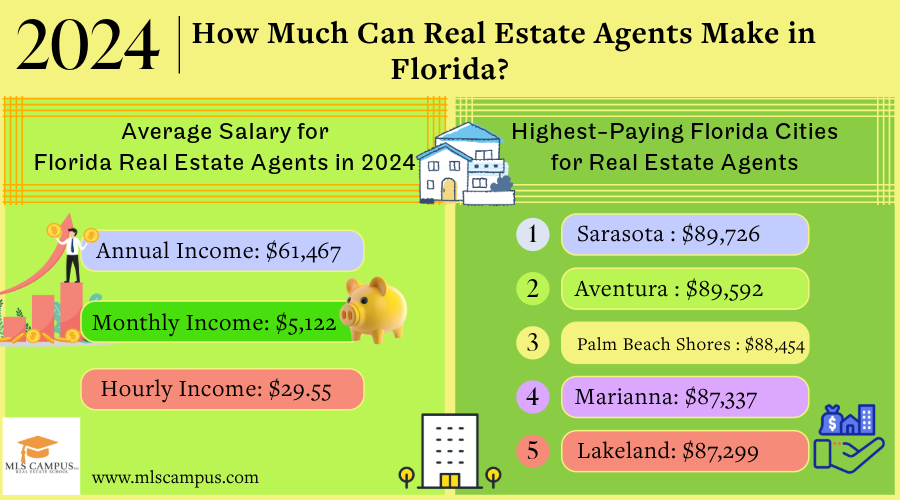
- Geographic Location: The average home price varies dramatically across Florida. Selling a property in high-cost-of-living areas like South Florida (e.g., Miami-Dade, Broward, Palm Beach Counties) or affluent coastal communities like Sarasota or Destin will yield higher per-transaction commissions than selling in more rural or less expensive regions.
- Specialization/Niche: Agents who specialize in specific market segments, such as luxury homes, commercial real estate, investment properties, foreclosures, or international buyers (particularly common in Miami), can carve out highly lucrative niches. Expertise in a specialized area can lead to referrals, higher perceived value, and potentially higher commission rates or more consistent high-value deals.
Average Earnings and the Path to Success
While the potential for high earnings exists, the reality for most realtors, especially new ones, often starts modestly. Success in real estate is a journey that requires dedication, continuous learning, and strategic business development.
Entry-Level vs. Experienced Agents
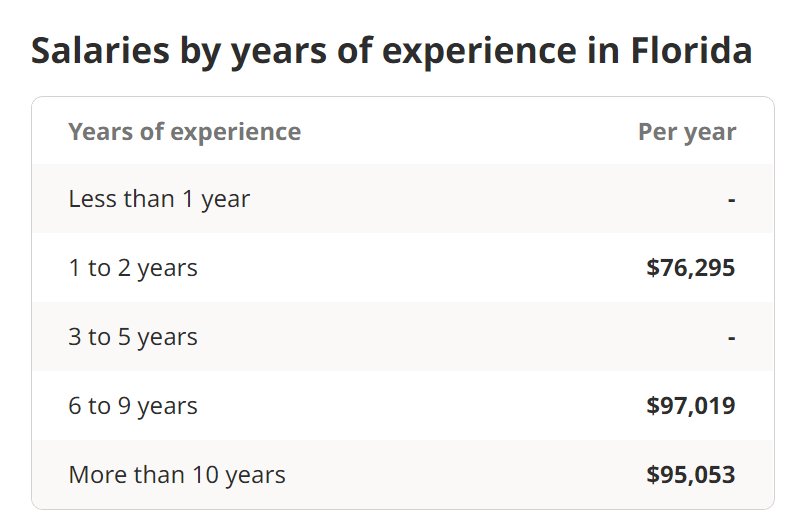
For entry-level realtors in Florida, the first year can be challenging. Many new agents earn less than $30,000-$40,000 in their first year, as they build their client base, learn the ropes, and establish their marketing. Some may even operate at a loss initially due to startup costs (licensing, board fees, marketing, technology). However, as agents gain experience, typically after 2-3 years, their networks expand, referrals grow, and their income begins to stabilize and increase. Experienced agents, those with 5+ years in the business, often report average incomes in the $70,000 to $100,000 range annually. These figures can be significantly higher for agents in prime markets or those with a strong specialization.
It’s important to remember that these are averages, and a substantial portion of realtors may fall below these figures, while top performers can far exceed them. The “average” can be skewed by the high earners, making it crucial for aspiring realtors to set realistic expectations for their initial years.
Top Earners and High-Performance Strategies
The top 10% of realtors in Florida can earn well into six figures, with some elite agents pulling in over $250,000 or even $500,000 annually. These individuals typically employ a combination of strategic approaches:
- Exceptional Marketing and Branding: Top agents invest heavily in personal branding, digital marketing, professional photography, and compelling property presentations to stand out in a crowded market.
- Robust Network and Referrals: Building strong relationships with past clients, other agents, and service providers (lenders, inspectors, contractors) creates a steady stream of referral business, which is often the most cost-effective lead source.
- Specialization and Expertise: Dominating a specific neighborhood, property type, or client demographic positions them as the go-to expert, attracting high-value clients and commanding trust.
- Advanced Negotiation Skills: The ability to skillfully negotiate on behalf of clients can lead to better outcomes, fostering client loyalty and repeat business.
- Technology Adoption: Leveraging CRM systems, virtual tour technology, and data analytics tools enhances efficiency and client service.
- Team Building: Many top agents scale their business by building a team of assistants, buyer’s agents, and marketing specialists, allowing them to handle a larger volume of transactions without sacrificing service quality.
These strategies contribute not only to higher earnings but also to a more structured and manageable lifestyle, as successful agents learn to delegate and optimize their operations.
Lifestyle Implications of a Realtor Career in Florida
Choosing a career as a realtor in Florida is often a lifestyle decision in itself, offering a unique blend of autonomy, flexibility, and direct correlation between effort and reward.
Flexibility and Work-Life Balance
One of the most attractive aspects of a real estate career is the potential for flexibility. Realtors often set their own schedules, which can be appealing for those seeking a better work-life balance or wanting to integrate work around family commitments or personal pursuits. This autonomy is particularly valued in a state like Florida, where outdoor activities, community involvement, and leisure are significant components of the desired lifestyle. However, this flexibility also comes with the expectation of being “always on,” as client needs can arise at any time, including evenings and weekends. Balancing this demand with personal time is a skill successful realtors master, enabling them to enjoy the very lifestyle they help others achieve.
Investment Opportunities and Personal Growth
A career in real estate provides a unique vantage point into market trends and investment opportunities. Realtors are often among the first to know about properties coming onto the market, potentially giving them an advantage for personal investment or for guiding their clients toward lucrative ventures. This insider knowledge can be a powerful tool for personal wealth building, further enhancing their own lifestyle and financial security. Beyond financial gains, the profession offers continuous opportunities for personal and professional growth through ongoing education, networking, and problem-solving. Each transaction presents new challenges and learning experiences, fostering resilience, negotiation prowess, and client management skills.

The Cost of Doing Business
While gross commission figures can be enticing, it’s crucial to consider the significant costs associated with being a realtor in Florida, which directly impact net income and, consequently, lifestyle. These expenses include:
- Licensing and Education: Initial licensing fees, pre-licensing courses, and mandatory continuing education.
- Association Dues: Membership in local, state (e.g., Florida Realtors), and national (e.g., National Association of Realtors) associations.
- MLS Fees: Access to the Multiple Listing Service, an essential tool for property search and listing.
- Marketing and Advertising: Costs for photography, staging, online listings, social media advertising, and personal branding materials.
- Technology: CRM software, website maintenance, e-signature tools, and professional subscriptions.
- Transportation: Fuel, vehicle maintenance, and insurance for constant travel to showings and meetings.
- Insurance: Errors and Omissions (E&O) insurance.
These operational costs can easily amount to thousands of dollars annually, meaning a substantial portion of an agent’s gross commission is reinvested into their business. Understanding and managing these expenses is vital for realtors to accurately assess their net income and maintain their desired lifestyle in the competitive and rewarding Florida real estate market. The journey to becoming a successful realtor in Florida is one of entrepreneurial spirit, hard work, and strategic planning, ultimately offering the potential for a financially robust and flexible lifestyle.
LifeOutOfTheBox is a participant in the Amazon Services LLC Associates Program, an affiliate advertising program designed to provide a means for sites to earn advertising fees by advertising and linking to Amazon.com. Amazon, the Amazon logo, AmazonSupply, and the AmazonSupply logo are trademarks of Amazon.com, Inc. or its affiliates. As an Amazon Associate we earn affiliate commissions from qualifying purchases.