
Understanding the Financial Landscape for Substitute Teachers in California
For individuals contemplating a move to California, or those already residing within its vibrant borders and seeking flexible employment that supports a diverse lifestyle, understanding local income opportunities is paramount. The role of a substitute teacher in California offers a unique blend of community service and financial viability, making it a compelling option for those aiming to integrate work with personal pursuits, including travel and leisure. The Golden State, known for its iconic destinations from Hollywood to Yosemite National Park, presents a wide array of lifestyle choices, each requiring a tailored financial approach. Gaining insight into a substitute teacher’s earning potential is crucial for budgeting, whether one envisions a budget-conscious exploration of the state’s natural beauty or a more luxurious indulgence in its urban offerings. This profession can serve as a steady anchor for a flexible lifestyle, allowing for periods of work interspersed with opportunities for adventure or extended stays in various regions.
A Gateway to the California Lifestyle
Opting for substitute teaching in California isn’t merely about earning a paycheck; it’s about unlocking a particular way of life. The flexibility inherent in the role allows individuals to curate their schedules, which is invaluable for those prioritizing travel, pursuing creative endeavors, or balancing family responsibilities. For instance, one might choose to work intensely for a few weeks to fund a trip along the Pacific Coast Highway or take advantage of school breaks for longer excursions. The income, while varying, provides a baseline for covering the state’s often high cost of living, enabling access to California’s rich cultural scene, outdoor activities, and diverse communities. It empowers individuals to live in desirable areas like San Diego or Orange County, even if only for a part of the year, providing a sustainable bridge to a California experience that might otherwise be out of reach.
Factors Influencing Daily Rates
The daily compensation for substitute teachers in California is not uniform; it’s a dynamic figure influenced by several key factors. District location plays a significant role, with urban and affluent areas often offering higher rates to attract talent. For example, districts in the San Francisco Bay Area or parts of Los Angeles County may offer more competitive pay compared to some rural districts. A substitute’s credential level and prior experience also weigh heavily on their earning potential. Holders of a full teaching credential might command higher rates than those with only an emergency permit. Furthermore, the duration of an assignment can affect the daily rate, with longer-term roles (e.g., covering a maternity leave) sometimes providing a slightly higher or more consistent pay structure than day-to-day assignments. Understanding these variables is critical for anyone planning their financial strategy around a substitute teaching career.
Average Earnings and Regional Variations Across California
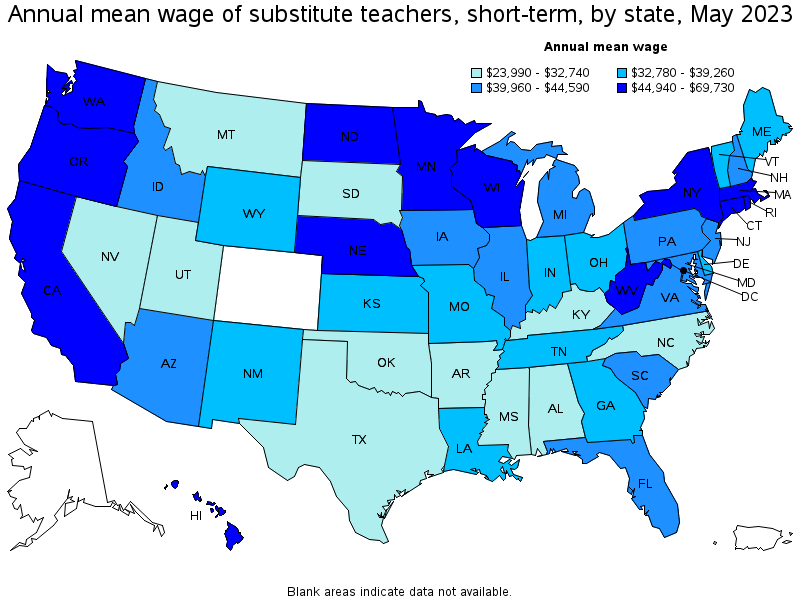
The daily rate for substitute teachers in California typically ranges from $120 to over $300, with an average often falling between $180 and $250. This wide range underscores the importance of researching specific school districts. Some districts offer a flat daily rate, while others might tier their pay based on the length of the assignment, the subject taught, or the substitute’s qualifications. For individuals planning a budget travel lifestyle or a long-term stay in the state, these figures are central to calculating living expenses and discretionary income for travel and leisure.
Northern California vs. Southern California: A Cost-of-Living Perspective
The stark contrast in the cost of living between Northern California and Southern California profoundly impacts a substitute teacher’s effective income and overall lifestyle. Areas like San Francisco, San Jose, and other parts of the Silicon Valley in the north boast some of the highest living expenses in the nation, particularly for housing. While substitute teacher daily rates in these regions might be at the higher end of the spectrum (e.g., $250-$350/day), the elevated cost of rent, transportation, and everyday goods can quickly diminish the purchasing power. Conversely, Southern California cities like Los Angeles and San Diego also have high costs, but certain inland areas or smaller towns might offer a slightly more affordable existence. For a budget traveler, choosing to substitute teach in a district with a lower cost of living, even if the daily rate is marginally less, could result in greater financial flexibility and more disposable income for experiences.
The Impact of Urban vs. Rural Districts
The urban-rural divide further complicates the earning landscape. Major metropolitan areas like Los Angeles Unified School District or San Francisco Unified School District often have a greater demand for substitutes and might offer more consistent work and slightly higher rates to attract professionals. These districts also come with the challenges of urban living, such as heavy traffic and higher commuting costs. Rural districts, while potentially offering lower daily rates, might appeal to those seeking a quieter lifestyle or a more integrated community experience. The cost of living in rural areas of California is generally lower, which can make a seemingly smaller daily wage stretch further. This choice directly influences the kind of lifestyle one can afford, from housing options to proximity to travel destinations and recreational activities. For some, the trade-off of a slightly lower income for a less hectic pace of life and closer access to nature might be a more appealing lifestyle choice.
Long-Term vs. Short-Term Assignments
The nature of assignments significantly impacts a substitute teacher’s income stability and overall lifestyle planning. Short-term, day-to-day assignments offer maximum flexibility, allowing substitutes to pick and choose when and where they work. This is ideal for those who prioritize frequent travel, seasonal work, or managing other personal commitments. However, it can lead to inconsistent income, requiring careful budgeting. Long-term assignments, such as covering a teacher on maternity leave or extended illness, typically last for several weeks or months. These roles often come with a slightly higher daily rate and provide a more stable and predictable income stream, making financial planning easier. This stability can be invaluable for those considering a long-term stay in California or planning larger expenses, like a major family trip. Some districts even offer benefits to substitutes after a certain number of continuous days on a long-term assignment, further enhancing the financial security.

Beyond the Daily Rate: Benefits and Lifestyle Flexibility
While the daily rate is a primary consideration, the non-monetary benefits and inherent flexibility of substitute teaching in California are equally important for those crafting a balanced lifestyle. The ability to dictate one’s work schedule provides a unique advantage that traditional 9-to-5 roles often lack, making it particularly attractive to individuals who prioritize personal freedom and diverse experiences.
Flexibility for Travel and Personal Pursuits
Perhaps the most significant non-financial benefit of substitute teaching is the unparalleled flexibility it offers. Unlike permanent positions, substitutes are generally not bound by a fixed work calendar, allowing them to accept assignments as their schedule permits. This freedom is a boon for lifestyle choices, especially for those with a passion for travel. A substitute can strategically work during busy school periods, saving up for extended trips during school holidays, summer breaks, or even taking a few weeks off mid-semester to explore Big Sur, visit family out of state, or embark on an international adventure. This flexibility also supports other personal pursuits, whether it’s dedicating time to artistic endeavors, volunteering, pursuing further education, or managing family care. It effectively allows individuals to integrate work into their desired lifestyle rather than fitting their life around work.
Pathway to Full-Time Teaching or Other Professional Growth
For many, substitute teaching is more than just a temporary gig; it’s a strategic entry point into the California education system. It offers invaluable hands-on experience in diverse classroom settings, exposing individuals to various grade levels, subjects, and school cultures across different districts like Oakland Unified School District or Sacramento City Unified School District. This experience can be crucial for those aspiring to secure a full-time teaching position, providing networking opportunities and a chance to impress administrators. Districts often prioritize hiring substitutes who have demonstrated competence and commitment. Moreover, the insights gained can inform career transitions, helping individuals decide if teaching is truly their path or if other educational roles, perhaps in administration or curriculum development, are a better fit for their long-term lifestyle goals. It’s a low-commitment way to explore a profession and build a professional network within the state.
Health and Retirement Considerations
While benefits packages for substitute teachers can vary greatly by district and assignment length, it’s an important aspect to consider for long-term lifestyle planning. Many districts offer access to health insurance plans for substitutes who work a certain number of hours or days per month or semester. Some long-term assignments might even qualify substitutes for more comprehensive benefits, including dental and vision. Furthermore, substitute teachers in California typically contribute to the California Public Employees’ Retirement System (CalPERS) or a similar local retirement plan. While the contributions might be smaller than those for full-time employees, they still represent an important step towards long-term financial security. Understanding these benefit structures is vital for overall financial wellness and allows individuals to factor in potential healthcare costs and future retirement savings when planning their budget and lifestyle in California.
Budgeting and Lifestyle Sustainability on a Substitute Teacher’s Income in California
Living a comfortable and sustainable lifestyle in California as a substitute teacher requires careful financial planning and a clear understanding of the state’s economic realities. The dynamic nature of substitute teaching income means that budgeting must be flexible yet robust enough to accommodate both regular expenses and the pursuit of desired lifestyle elements, such as travel and leisure.
Navigating California’s High Cost of Living
California’s reputation for a high cost of living is well-deserved, particularly in major metropolitan areas. Housing, transportation, and even groceries can be significantly more expensive than the national average. For a substitute teacher, this means meticulous budgeting is not just advisable, but essential. Understanding where the income is likely to fall on the pay scale, based on district choice and qualifications, is the first step. Creating a detailed monthly budget that accounts for all fixed expenses (rent, utilities, loan payments) and variable costs (food, gas, entertainment) is crucial. Many substitute teachers choose to live in more affordable communities adjacent to higher-paying districts, extending their commute but significantly reducing housing costs. Others might explore shared living arrangements to mitigate expenses. Strategic choices about where to live and how to commute directly impact how far a substitute teacher’s income can go, enabling or restricting certain lifestyle aspirations.
Strategic Financial Planning for Travel and Leisure
One of the primary motivations for many to pursue substitute teaching is the flexibility it offers for travel and leisure. To make these lifestyle goals a reality, strategic financial planning is indispensable. This includes setting aside a portion of each paycheck specifically for a “travel fund” or “leisure fund.” Given the variable income, it’s often wise to establish a financial cushion for slower periods, ensuring that an unexpected dip in available assignments doesn’t derail travel plans. Researching budget-friendly travel options within California – from camping in Lake Tahoe to exploring state parks – can maximize the impact of saved funds. Utilizing school breaks for travel is a smart move, as airfare and accommodation can sometimes be cheaper outside of peak tourist seasons. By consciously managing income and expenses, a substitute teacher can ensure that their work supports a rich and fulfilling lifestyle, complete with explorations of California’s diverse landscapes and beyond.

Maximizing Income: Credentials and Opportunities
To enhance their lifestyle options, substitute teachers can proactively work to maximize their income. Pursuing additional credentials or endorsements, such as a special education authorization or subject-specific expertise (e.g., science, math), can lead to higher daily rates or more consistent assignment availability. Some districts offer bonuses for substitutes who take on hard-to-fill positions or commit to working a certain number of days per week. Networking within school communities and establishing a reputation as a reliable and effective educator can also lead to more frequent requests for assignments. Furthermore, exploring opportunities in different districts, comparing their pay scales and benefit structures, can uncover higher-earning potential. By actively investing in their professional development and strategically managing their career choices, substitute teachers can significantly improve their financial standing, providing a stronger foundation for their desired California lifestyle, whether it involves frequent budget travel or simply greater financial freedom within the state.
LifeOutOfTheBox is a participant in the Amazon Services LLC Associates Program, an affiliate advertising program designed to provide a means for sites to earn advertising fees by advertising and linking to Amazon.com. Amazon, the Amazon logo, AmazonSupply, and the AmazonSupply logo are trademarks of Amazon.com, Inc. or its affiliates. As an Amazon Associate we earn affiliate commissions from qualifying purchases.