
The Lone Star State offers a diverse and thriving healthcare landscape, making it an attractive destination for many professionals, including surgical technicians. Understanding the earning potential for a surgical technician in Texas is crucial for career planning, whether you are a seasoned professional looking to relocate or an aspiring technician charting your course. This guide delves into the factors influencing surgical technician salaries across Texas, providing insights into what you can expect and how to maximize your earning potential.
Understanding the Role and Its Value
A surgical technician, also known as a surgical technologist, plays an indispensable role in the operating room. They are integral members of the surgical team, working under the direct supervision of a surgeon, registered nurse, or resident. Their responsibilities encompass a broad spectrum, from preparing the operating room and sterilizing instruments to assisting the surgeon during procedures by anticipating needs and providing the correct instruments and supplies. This vital contribution to patient safety and surgical efficiency directly impacts the value of their role within a healthcare facility.

The demand for skilled surgical technicians is consistently high due to the increasing number of surgical procedures performed annually. Advances in medical technology and an aging population contribute to this sustained demand, ensuring that qualified technicians remain valuable assets to hospitals, clinics, and surgical centers. In Texas, a state with a robust and growing healthcare industry, this demand is particularly pronounced. Major metropolitan areas like Houston, Dallas, San Antonio, and Austin are home to numerous large hospitals and specialized surgical facilities, all seeking to employ top-tier surgical technicians.
Key Responsibilities and Skills
The day-to-day duties of a surgical technician are multifaceted and require a unique blend of technical proficiency, attention to detail, and composure under pressure. Their primary focus is on ensuring a sterile and organized surgical environment.
- Pre-operative Preparation: This involves setting up the operating room, arranging sterile instruments and equipment, and verifying that all necessary supplies are present and functional. Technicians meticulously follow sterile techniques to prevent contamination.
- Intra-operative Assistance: During surgery, the technician acts as a direct assistant to the surgeon. They anticipate the surgeon’s needs, passing instruments, sponges, and sutures as required. They also manage surgical specimens and maintain a count of instruments and sponges to ensure none are left behind in the patient.
- Post-operative Duties: After the procedure, surgical technicians are responsible for cleaning and sterilizing instruments and equipment, properly disposing of waste, and restocking the operating room for the next patient.
- Team Collaboration: Effective communication and collaboration with surgeons, nurses, anesthesiologists, and other members of the surgical team are paramount.
The skills required for success extend beyond technical knowledge. Critical thinking, problem-solving, adaptability, and strong interpersonal skills are all essential for navigating the high-stakes environment of the operating room. Certification, such as that offered by the National Center for Competency Testing (NCCT) or the National Board of Surgical Technology and Assisting (NBSTSA), often enhances a technician’s employability and earning potential.
Factors Influencing Surgical Technician Salaries in Texas
The salary of a surgical technician in Texas is not a fixed figure but rather a dynamic range influenced by several key factors. Understanding these variables can help aspiring and current technicians set realistic salary expectations and identify opportunities for professional growth and increased compensation.
Geographic Location Within Texas
Texas is a vast state, and the cost of living and the demand for healthcare professionals can vary significantly from one region to another.
- Major Metropolitan Areas: Cities like Houston, Dallas, Austin, and San Antonio typically offer higher average salaries for surgical technicians. This is due to a higher cost of living, a greater concentration of large hospitals and specialized surgical centers, and a more competitive job market. These urban hubs often have more advanced medical facilities and a higher volume of complex surgical procedures, which can translate to better compensation for skilled technicians.
- Smaller Cities and Rural Areas: In smaller towns and more rural parts of Texas, salaries may be somewhat lower. However, the cost of living is often also lower, which can partially offset the difference in income. In some cases, smaller facilities may offer signing bonuses or other incentives to attract qualified personnel.
It’s important to research specific cities and even individual healthcare facilities within Texas to get the most accurate salary data. Websites that track salary information often provide breakdowns by city, allowing for a more tailored comparison.
Experience Level and Tenure
Like most professions, a surgical technician’s salary in Texas will increase with experience. Entry-level technicians, fresh out of a training program or certification course, will typically earn at the lower end of the pay scale. As they gain experience, hone their skills, and become more proficient in a wider range of procedures, their market value increases.
- Entry-Level (0-2 years): Technicians in this bracket are still developing their skills and gaining confidence in the operating room. Their salaries will reflect their foundational knowledge and limited practical application.
- Mid-Career (3-7 years): With several years of experience, technicians become more adept at handling various surgical specialties and can often work with less supervision. They may also take on more responsibility, such as training new staff or managing inventory. This experience typically leads to a significant salary increase.
- Senior/Lead Technicians (8+ years): Highly experienced surgical technicians often command the highest salaries. They may be sought after for their expertise in complex procedures, their ability to mentor junior staff, or their potential to move into supervisory or leadership roles. Some senior technicians may specialize in highly demanding fields like neurosurgery or cardiothoracic surgery, which often come with premium pay.
Type of Healthcare Facility
The type of healthcare facility where a surgical technician is employed can also impact their salary.
- Hospitals: General hospitals, particularly large medical centers and university teaching hospitals, often offer competitive salaries and comprehensive benefits packages. These facilities handle a wide variety of surgical cases, from general surgery to highly specialized procedures, requiring a diverse skill set from their technicians.
- Specialty Surgical Centers: Facilities that focus on specific types of surgery, such as orthopedic surgery centers, eye surgery centers, or cosmetic surgery clinics, may offer competitive salaries, especially if they deal with high-volume or complex procedures.
- Outpatient Clinics and Ambulatory Surgery Centers (ASCs): These facilities often have a more focused patient population and a less intense surgical schedule compared to large hospitals. Salaries in ASCs can be competitive, though they may sometimes be slightly lower than in major hospital systems.
Certification and Education
While not always mandatory for employment, professional certifications and advanced education can significantly boost a surgical technician’s earning potential in Texas.
- Certification: Holding a certification from a recognized body, such as the NCCT (Certified Surgical Technologist – CST) or the NBSTSA (Certified Surgical First Assistant – CSFA, which requires additional training and experience), demonstrates a commitment to the profession and a validated level of competency. Certified technicians are often preferred by employers and may be eligible for higher starting salaries and faster promotions.
- Education: While an associate’s degree is a common educational pathway for surgical technicians, some may pursue a bachelor’s degree in a related field. Advanced degrees or specialized training in areas like surgical first assisting can lead to expanded roles and increased compensation.
Average Salary Ranges and Potential Earnings
The average salary for a surgical technician in Texas can vary based on the factors mentioned above. However, to provide a general overview, here are some estimated salary ranges:
Entry-Level Surgical Technicians
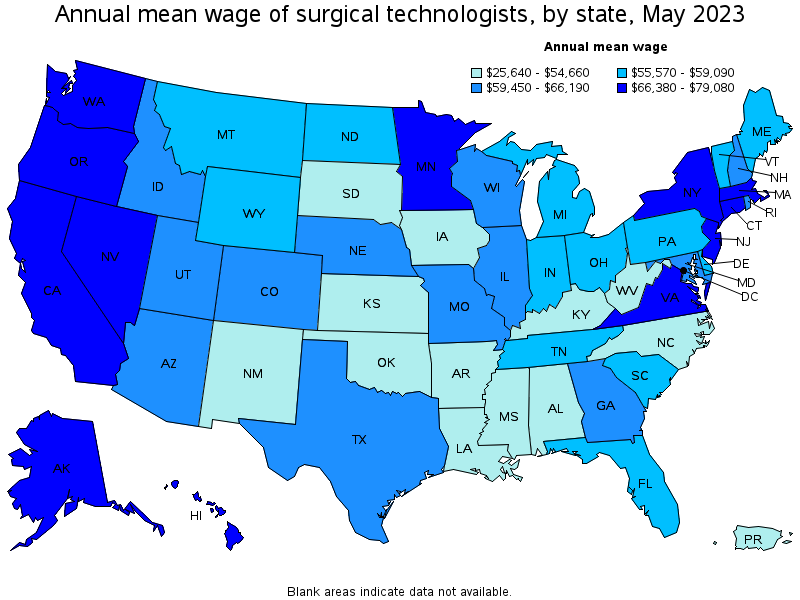
For individuals just starting their careers in Texas, with little to no prior experience and typically holding a certificate or associate’s degree, the average salary might range from $38,000 to $48,000 annually. This figure is a broad estimate and can be influenced by the specific location and facility.

Mid-Career Surgical Technicians
With 3 to 7 years of experience, surgical technicians in Texas can expect their salaries to increase considerably. The average annual earnings for this group typically fall between $48,000 and $65,000. This range reflects growing expertise, increased responsibilities, and a broader understanding of surgical procedures.
Experienced and Senior Surgical Technicians
Surgical technicians with extensive experience (8+ years), specialized skills, or those in lead or supervisory roles in Texas can command significantly higher salaries. Annual earnings for these professionals can range from $65,000 to $80,000 or even more. Some highly specialized technicians, particularly those working in demanding fields or at prestigious medical institutions, might exceed these figures, especially when factoring in overtime and potential shift differentials.
Factors Affecting Specific Offers
When reviewing job offers in Texas, consider the following:
- Benefits Package: A comprehensive benefits package, including health insurance, dental and vision coverage, paid time off, and retirement plans (such as a 401(k) or 403(b)), can add substantial value to a salary offer. These benefits are often more generous at larger hospital systems.
- Shift Differentials: Working evening, night, or weekend shifts often comes with a pay differential, increasing your overall earnings.
- On-Call Pay: Some positions may require technicians to be on call, which usually involves additional compensation.
- Signing Bonuses and Relocation Assistance: Especially in areas with high demand or for specialized roles, employers may offer signing bonuses or assistance with relocation costs to attract qualified candidates.
Maximizing Your Earning Potential as a Surgical Technician in Texas
For surgical technicians looking to enhance their income and career trajectory in Texas, a strategic approach to professional development and job searching is key. Several avenues can lead to increased earning potential and greater job satisfaction.
Pursuing Advanced Certifications and Specializations
As mentioned, obtaining professional certifications is a significant step. Beyond the basic CST credential, consider specialized certifications or training. For example, becoming a Certified Surgical First Assistant (CSFA) requires additional education and hands-on experience and allows for a more advanced role in the operating room, often accompanied by a higher salary.
Specializing in high-demand or complex surgical fields can also lead to better compensation. Areas such as:
- Neurosurgery: Involves intricate procedures on the brain and nervous system.
- Cardiothoracic Surgery: Focuses on surgeries of the heart and lungs.
- Orthopedics: Deals with bones, joints, and muscles, often involving complex joint replacements and reconstructive surgeries.
- Minimally Invasive Surgery: Requires expertise in advanced laparoscopic and robotic techniques.
Technicians who develop deep expertise in these areas often find themselves in higher demand and better compensated.
Seeking Opportunities in High-Demand Locations and Facilities
While Houston and Dallas may offer higher average salaries, it’s worth exploring other rapidly growing areas within Texas that might present unique opportunities. For instance, the rapidly expanding medical landscape in cities like San Antonio or areas within the Permian Basin might be experiencing significant growth in healthcare employment, potentially leading to competitive offers.
Furthermore, focusing on larger hospital systems or specialized medical centers, as previously discussed, is often a good strategy. These institutions tend to have the resources to offer more competitive compensation packages and a wider range of professional development opportunities.
Gaining Diverse Experience
Do not shy away from opportunities to work in different surgical settings. The experience gained in a busy trauma center can be vastly different from that in a community hospital or a specialized outpatient surgery center. Broadening your experience base makes you a more versatile and valuable candidate. It also allows you to discover which surgical specialties you are most passionate about and skilled in.
Networking and Career Advancement
Building a professional network within Texas‘s healthcare community is invaluable. Attend industry conferences, join professional organizations, and connect with colleagues and mentors. Networking can lead to hearing about unadvertised job openings, receiving recommendations, and gaining insights into industry trends and salary expectations.
Consider exploring roles with increased responsibility. This might include:
- Team Lead or Charge Technician: These roles involve supervising other technicians, managing schedules, and overseeing daily operations in the surgical suite.
- Inventory Management Specialist: Focusing on the procurement, stocking, and management of surgical supplies.
- Equipment Specialist: Specializing in the maintenance and operation of advanced surgical technologies.
These positions often come with a salary increase and offer valuable leadership experience.
Negotiation and Job Search Strategies
When it comes to salary negotiation, preparation is key. Research the average salary for surgical technicians in your target Texas city, considering your experience and qualifications. Be confident in articulating your skills and value to potential employers. Prepare to discuss your salary expectations during the interview process, and be willing to negotiate based on the entire compensation package, not just the base salary.
Utilizing online job boards, healthcare-specific recruitment agencies, and direct applications to hospital career pages are all effective job search strategies. Tailoring your resume and cover letter to highlight your relevant skills and experience for each specific position will increase your chances of securing interviews and ultimately, a well-compensated role in Texas.
By adopting a proactive and strategic approach, surgical technicians in Texas can significantly enhance their earning potential and build a rewarding and financially stable career in this essential healthcare profession.
LifeOutOfTheBox is a participant in the Amazon Services LLC Associates Program, an affiliate advertising program designed to provide a means for sites to earn advertising fees by advertising and linking to Amazon.com. Amazon, the Amazon logo, AmazonSupply, and the AmazonSupply logo are trademarks of Amazon.com, Inc. or its affiliates. As an Amazon Associate we earn affiliate commissions from qualifying purchases.