
For many, a career in education is a calling, a deeply rewarding path dedicated to shaping future generations. Yet, beyond the passion for teaching, practical considerations like salary often factor heavily into career choices and, crucially, lifestyle aspirations. In the expansive Lone Star State, teachers play an indispensable role in communities from the bustling metropolises to the quiet rural towns. But what does a teacher in Texas truly earn, and what does that income mean for their ability to explore the world, indulge in memorable travel experiences, or even plan for comfortable accommodation during their well-deserved breaks?

This question goes beyond mere numbers; it delves into the realm of possibility. On a website dedicated to travel, hotels, tourism, and lifestyle, understanding a teacher’s salary in Texas allows us to paint a realistic picture of the adventures, luxury travel, or budget travel experiences that are within reach. Can a Texas educator afford that dream vacation to Mexico, a charming boutique hotel stay in Austin, or a serene escape to a hill country resort? Let’s explore the financial landscape for educators in Texas and how it can be a springboard for a life rich with exploration and unforgettable moments.
Unpacking Teacher Salaries in Texas: The Foundation for Your Travel Dreams
Understanding a Texas teacher’s salary is the first step in mapping out any travel or lifestyle plans. The figures can vary significantly based on a multitude of factors, directly impacting disposable income available for destinations near and far.
The Salary Spectrum: Entry-Level to Veteran Educators
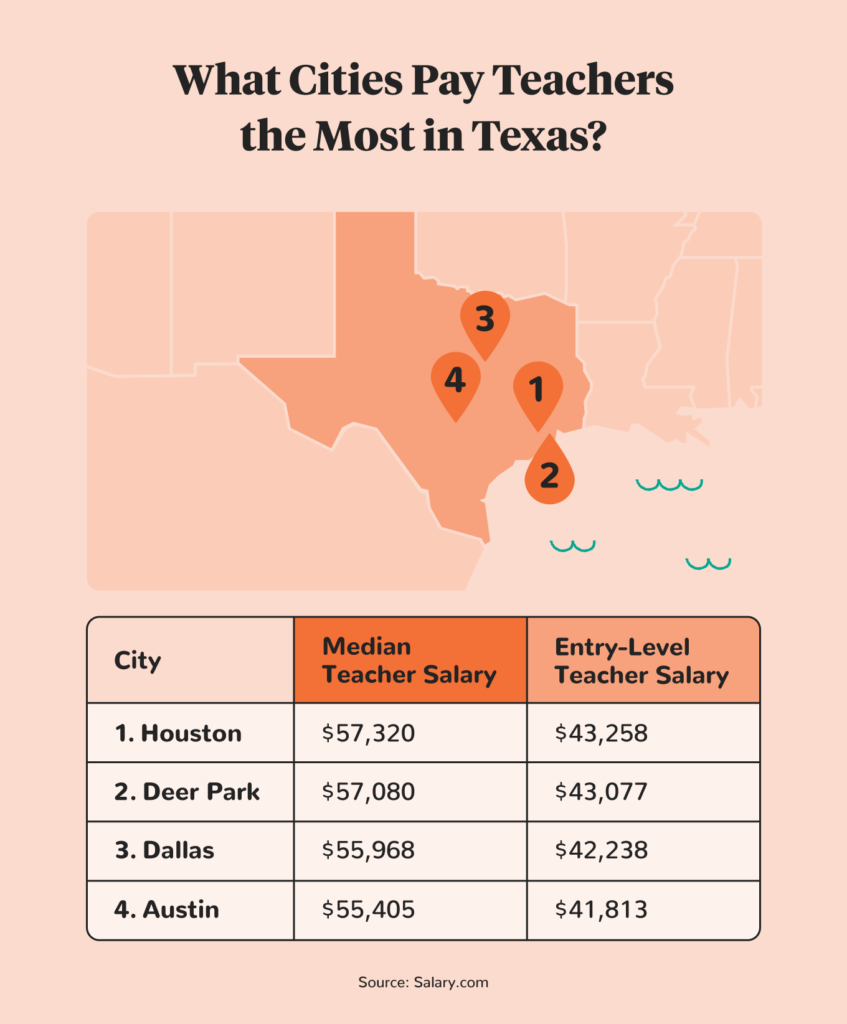
The average teacher salary in Texas typically hovers around the mid-$50,000s to low-$60,000s annually. However, this is just an average, and the reality is a much broader spectrum. Entry-level teachers, fresh out of university, might start in the low to mid-$40,000s. With each year of experience, their salary generally increases, often following a step-and-ladder system established by individual school districts. A veteran teacher with 20 or more years of experience, a master’s degree, or specialized certifications can command salaries upwards of $70,000 to $80,000, and sometimes even higher in affluent districts with strong tax bases.
Geographic location within Texas also plays a significant role. Major metropolitan areas like Houston, Dallas, Austin, and San Antonio often offer higher starting salaries compared to smaller, rural districts. For instance, a first-year teacher in the Houston Independent School District might start higher than their counterpart in a remote West Texas town. However, this often comes with a higher cost of living, which we’ll delve into next. Advanced degrees, such as a Master’s or Doctorate, or specialized roles like those teaching STEM subjects or special education, can also lead to additional stipends and a more lucrative pay scale, opening up more avenues for luxurious hotel stays or extended cultural immersion tours.
Cost of Living in the Lone Star State: A Budgeting Reality Check
While Texas is generally considered to have a lower cost of living compared to coastal states, it’s far from uniform. The expenses associated with housing, transportation, and daily necessities directly impact a teacher’s disposable income, which is crucial for funding any travel plans.
- Housing: This is often the largest expense. In cities like Austin, housing costs have soared, making it challenging for a teacher to afford a home or even a spacious apartment without careful budgeting or a second income. Dallas and Houston also present significant housing costs, though they might offer more variety in neighborhood affordability. Rural areas, on the other hand, typically boast much lower housing prices, allowing teachers more financial flexibility. For those looking to save for long-term stays or vacation rentals abroad, managing housing costs domestically is paramount.
- Transportation: Texas is a driving state. Commuting by car is often a necessity, leading to expenses for fuel, insurance, and vehicle maintenance. Public transportation options are limited outside of core city centers. This means a significant portion of a teacher’s budget often goes towards getting to and from school, reducing funds available for that dream road trip across the Southwest.
- Food & Utilities: These everyday expenses, while variable, also chip away at a salary. While Texas generally has reasonable utility costs compared to some colder states, the summer heat means higher electricity bills for air conditioning. Food prices are generally on par with national averages, but dining out frequently can quickly diminish a travel fund.
Understanding these costs provides a realistic framework. A teacher earning $55,000 in a low-cost of living area might have more discretionary income than one earning $65,000 in a high-cost of living city like Austin. This directly translates to how much they can allocate to booking resorts, exploring landmarks, or enjoying local tourism experiences.
Crafting a Travel-Ready Lifestyle on a Teacher’s Salary
Despite the financial realities, a teacher’s salary in Texas doesn’t preclude a life of travel and adventure. It simply means being strategic, smart, and making the most of unique opportunities like school breaks.
Budget-Friendly Adventures: Exploring Texas and Beyond
Texas itself is a vast and diverse state, offering an incredible array of budget-friendly travel opportunities. Teachers can leverage their weekends and shorter breaks to explore the natural wonders and vibrant culture right in their backyard.
- Local Texas Treasures: From the majestic canyons of Big Bend National Park to the serene beaches of Padre Island National Seashore, Texas state parks offer affordable camping, hiking, and outdoor experiences. Quaint small towns like Fredericksburg in the Hill Country offer wine tasting and historic charm, while cities like San Antonio provide rich history at The Alamo and the festive Riverwalk, often with free or low-cost attractions.
- Affordable Accommodation Options: Instead of always opting for high-end hotels, teachers can explore various accommodation options. Budget hotels, motels, guesthouses, or even renting a unique AirBnB outside peak season can significantly cut costs. Hostels in larger cities offer a communal and cost-effective way to stay.
- International Budget Destinations: For longer breaks like Summer Vacation, teachers can look towards international destinations known for their affordability. Mexico is a prime example, with vibrant cities like Mexico City and beach towns such as Playa del Carmen offering incredible value for money in terms of food, accommodation, and experiences. Similarly, countries in Central America like Costa Rica or Panama offer stunning natural beauty and adventure on a more modest budget.
- Smart Travel Tips: Employing basic travel tips like booking flights and accommodation in advance, traveling during the off-season, utilizing public transport, and cooking some meals can stretch a travel budget considerably, allowing for more frequent or longer trips.
Elevating Your Journey: Mid-Range and Aspirational Travel
While budget travel is excellent for frequent escapes, many teachers also aspire to more luxurious or extensive travel experiences. With careful planning and strategic saving, mid-range and even aspirational luxury travel can become a reality.
- Maximizing School Breaks: The beauty of a teacher’s schedule lies in the fixed, often generous, breaks. Summer Vacation (typically 2-3 months), Spring Break, and Winter Holidays provide extended periods ideal for travel. By planning ahead, teachers can secure better deals on flights and accommodation, avoiding last-minute price surges. These longer windows also make more distant destinations like Europe or Asia feasible.
- Mid-Range Hotel Stays and Resorts: Saving up for a comfortable stay at a reputable chain like a Hilton or Marriott for a few nights, or even a week at a charming boutique hotel in New York City or California, is entirely achievable. These mid-range options often provide a balance of comfort, amenities, and reasonable cost. Exploring all-inclusive packages in Cancun or the Caribbean can also offer excellent value for a stress-free getaway.
- Loyalty Programs and Travel Hacking: Teachers can strategically use travel credit cards and hotel loyalty programs to accumulate points for free flights or hotel stays. By focusing spending on cards that offer generous rewards, a teacher can “hack” their way to significant savings on future trips, turning a dream trip into a tangible plan. Many airlines and hotel groups offer substantial sign-up bonuses, providing an initial boost to a travel fund.
Smart Financial Strategies for the Globetrotting Educator
Achieving travel goals on a teacher’s salary requires more than just dreaming; it demands proactive financial management and a willingness to seek out additional opportunities.
Budgeting and Saving: Making Every Dollar Count for Travel
Effective budgeting is the cornerstone of any financially responsible lifestyle, and for teachers with travel aspirations, it’s non-negotiable.
- Dedicated Travel Fund: Setting up a separate savings account specifically for travel is highly effective. Even small, regular contributions can accumulate over time. Treating this fund as a non-negotiable expense, much like rent or utilities, instills discipline.
- Expense Tracking: Understanding where money goes is critical. Utilizing budgeting apps or spreadsheets to track all income and expenses can reveal areas where spending can be reduced, freeing up more funds for travel. Cutting back on non-essential daily coffees, packed lunches instead of dining out, or reviewing subscription services can yield surprising savings.
- Teacher Discounts: Many travel services, attractions, museums, and even some hotels offer discounts for educators. Always inquire if a teacher discount is available when booking flights, accommodation, or activities. These small savings add up and can fund an extra excursion or a nicer meal during a trip. Organizations like the National Education Association often have partnerships that provide exclusive travel deals.
- Smart Spending: When making purchases, consider if they align with your travel goals. Prioritizing experiences over material possessions can shift the mindset and naturally lead to more funds for adventure.
Boosting Your Travel Fund: Side Hustles and Opportunities
For teachers looking to significantly accelerate their travel savings or enjoy more opulent luxury travel, a side hustle can be a game-changer. The skills and schedule of an educator often lend themselves well to various supplemental income streams.
- Tutoring: This is a natural fit for teachers. Offering private tutoring sessions after school or on weekends can provide a substantial boost to income. With online platforms, a teacher in Texas can tutor students anywhere in the world.
- Summer Jobs: The extended Summer Vacation provides an excellent opportunity for additional work. Teaching summer school, working at summer camps, or even taking on temporary jobs in various industries can quickly build up a travel fund.
- Online Teaching/Content Creation: Many teachers leverage their expertise to create and sell educational resources online (e.g., on platforms like Teachers Pay Teachers). Others might delve into online teaching for virtual schools or language platforms.
- Freelancing: Skills developed as a teacher – organization, presentation, writing, research – are highly transferable. Freelance writing, editing, or even virtual assisting can be done flexibly, contributing to a healthy travel budget.
- Educational Travel Opportunities: Some organizations offer travel programs specifically for educators, sometimes subsidizing or fully covering the cost of trips in exchange for educational leadership or content creation. This combines professional development with travel.
By strategically combining a dedicated savings plan with a well-chosen side hustle, a Texas teacher can transform their financial outlook and make even ambitious travel dreams a tangible reality. Imagine turning those extra earnings into a stay at a Grand Hyatt overlooking the ocean, or an eco-tourism adventure through the Amazon rainforest.

Your Texas Teacher Salary: A Springboard to Adventure
The question of “How much does a teacher in Texas make?” is multifaceted, revealing not just a salary figure but a landscape of opportunities and challenges. While the income may not immediately conjure images of endless luxury travel, it absolutely forms a solid foundation for a life rich with exploration and memorable experiences.
With thoughtful budgeting, smart saving strategies, and the intelligent utilization of teacher-specific advantages like extended breaks and potential discounts, educators in Texas can unlock a world of possibilities. Whether it’s discovering the hidden gems of their own state, embarking on a budget-friendly adventure to Central America, or meticulously planning for that aspirational trip to a distant continent, a teacher’s salary is more than just a paycheck; it’s a potential passport to a life well-traveled. The journey begins with a clear understanding of one’s finances and a determined spirit to make those travel dreams come true, proving that a rewarding career in education can indeed go hand-in-hand with a fulfilling life of adventure.
LifeOutOfTheBox is a participant in the Amazon Services LLC Associates Program, an affiliate advertising program designed to provide a means for sites to earn advertising fees by advertising and linking to Amazon.com. Amazon, the Amazon logo, AmazonSupply, and the AmazonSupply logo are trademarks of Amazon.com, Inc. or its affiliates. As an Amazon Associate we earn affiliate commissions from qualifying purchases.