
Navigating the Lone Star State often involves more than just booking a flight to Austin or securing a room at a charming resort in the Hill Country. For many, especially those new to the state or requiring official documentation, understanding the cost associated with a Texas Identification Card (ID) is a practical necessity. While the primary purpose of this article is to delve into the financial aspect of obtaining a Texas ID, its relevance extends to various facets of travel, accommodation, and lifestyle within Texas. Whether you’re a student planning a semester at Texas A&M University, a business traveler establishing a presence in Dallas, or a tourist eager to explore landmarks like the Alamo in San Antonio, a valid ID is often a prerequisite for many activities, from renting a car to accessing certain attractions. This comprehensive guide will break down the costs, explain the different types of Texas IDs, and touch upon how these requirements might influence your travel and accommodation plans across the vast and diverse landscape of Texas.
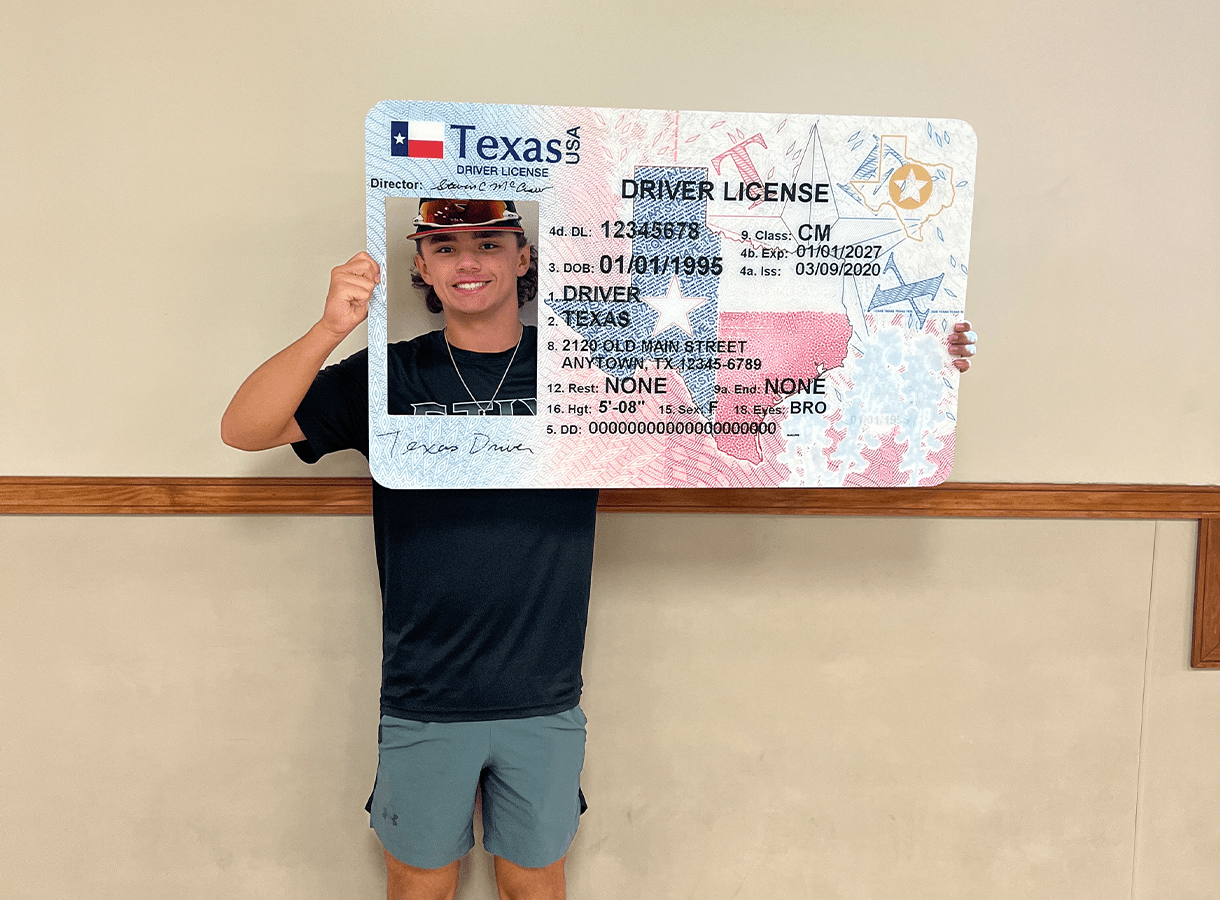
Understanding the Texas Identification Card and its Associated Costs
The Texas Department of Public Safety (DPS) is the governing body responsible for issuing identification cards in the state. It’s crucial to differentiate between a standard Texas ID card and a Texas Driver’s License, as their purposes and associated fees can differ. The Texas ID card is designed for individuals who do not drive or do not possess a driver’s license but require a form of official identification. This can include students, non-drivers, or even temporary residents exploring options for long-term stays in cities like Houston.
Standard Texas ID Card Fees
For most applicants seeking a standard Texas ID card, the fee is relatively straightforward. As of the latest information available, the cost for a standard Texas ID card is $32. This fee covers the application process, the production of the card, and its validity for a set period, typically eight years. This makes it a cost-effective solution for establishing official residency or for identification purposes during your travels.
However, it’s important to note that this is the base fee. There might be additional costs associated with specific situations or expedited services, though expedited services for a standard ID are not as common as they are for driver’s licenses. The $32 fee is paid at the time of application, and it’s advisable to check the official Texas DPS website for the most up-to-date fee structure before your visit to a driver’s license office.
Special Issuance and Duplicate IDs
Beyond the standard ID, there are instances where individuals might require a special issuance or a duplicate card. For example, if you lose your Texas ID and need a replacement, you will be subject to a fee for a duplicate card. The cost for a duplicate Texas ID card is also $32. This ensures that you can quickly replace lost or stolen identification without incurring a significantly higher expense.
Special issuance cards, which might be required for specific circumstances or for individuals with particular needs, could potentially have different fee structures. However, for the vast majority of residents and visitors needing identification, the $32 fee for a new or duplicate standard Texas ID card will be the primary cost.
Other Identification-Related Costs
While the ID card itself has a set fee, there are other potential costs that might indirectly relate to obtaining or using your Texas ID.
- Proof of Identity and Residency: To apply for a Texas ID, you will need to provide various documents to prove your identity, date of birth, social security number, and U.S. lawful presence. Gathering these documents might incur minor costs, such as requesting certified copies of birth certificates or obtaining new passport photos if your current ones are outdated. The cost of these supporting documents will vary depending on where you are acquiring them from. For instance, obtaining a certified copy of a birth certificate from another state might involve shipping fees.
- Transportation to the DPS Office: Depending on your location within Texas, traveling to a Department of Public Safety office to submit your application can incur transportation costs. This could include fuel for your vehicle, bus fare, or ride-sharing service fees. Planning your visit efficiently, perhaps combining it with other errands in the city, can help minimize this expense.
- Application Fees for Other Services: Once you have your Texas ID, you will likely use it for a myriad of activities that have their own associated costs. For example, renting a car at Dallas/Fort Worth International Airport will involve rental fees. Booking a hotel like the Hotel ZaZa in Dallas or the Hotel San Jose in Austin will also have costs ranging from budget-friendly apartments to luxury suites. Engaging in tourism activities, such as visiting Six Flags Fiesta Texas or exploring the Museum District in Houston, will also come with admission fees.
Understanding the $32 base cost for a Texas ID is just the first step. It’s essential to consider these peripheral expenses as part of your overall budget when planning your activities and stays in Texas.
Texas ID vs. Texas Driver’s License: Cost and Purpose
When considering identification in Texas, it’s important to distinguish between a standard Texas ID card and a Texas Driver’s License. While both serve as official forms of identification, their primary functions and associated fees can have slight variations, impacting individuals differently based on their needs and circumstances.
Cost Comparison
Generally, the cost of a standard Texas ID card and a standard Texas Driver’s License are the same for the initial issuance.
- Standard Texas ID Card: $32
- Standard Texas Driver’s License: $32
This parity in initial cost simplifies the decision-making process for many. The choice between the two often hinges on whether an individual needs the privilege to operate a motor vehicle. For a student studying at The University of Texas at Austin who commutes by public transport, a Texas ID is sufficient. However, for someone planning to explore the vast landscapes of Texas by car, from the Gulf Coast to the Big Bend National Park, a driver’s license is a necessity.
Purpose and Application Requirements

The fundamental difference lies in their purpose. A Texas ID card is purely for identification, serving purposes such as age verification for purchasing alcohol or tobacco, opening bank accounts, and accessing government services. A Texas Driver’s License, on the other hand, grants the holder the legal right to drive a motor vehicle on public roads.
The application requirements for both also share significant overlap, requiring proof of identity, residency, and lawful presence. However, a driver’s license application will also involve a vision test, a written knowledge test, and a driving test to assess the applicant’s ability to operate a vehicle safely. These additional steps do not typically add to the direct cost of the license itself but do require more time and preparation.
Impact on Travel and Accommodation
The type of identification you possess can subtly influence your travel and accommodation experiences in Texas.
- Car Rentals: A driver’s license is essential for renting a car, which is a common mode of transportation for exploring destinations like the Texas Hill Country or making a road trip from San Antonio to Fort Worth. Without one, you might be limited to public transportation, ride-sharing services, or relying on others for mobility.
- Hotel Bookings: While most hotels will accept a standard Texas ID for check-in, some higher-end establishments or resorts might have specific requirements. Having a valid government-issued ID is always recommended. If you’re considering a long-term stay in an apartment or villa, having a stable form of identification like a Texas ID or driver’s license will streamline the lease agreement process.
- Age-Restricted Activities: For many tourism experiences, especially those involving entertainment or alcohol consumption, an official ID is mandatory for age verification. This applies whether you’re visiting a music venue in Austin or a winery in the Texas High Plains.
- Business Stays: For business travelers, a driver’s license often doubles as proof of identity for rental cars and hotel check-ins, making it a versatile document.
In essence, while the direct cost of a Texas ID and a Texas Driver’s License is often the same, the functional differences can impact the ease and options available for your travel and lifestyle choices within Texas.
Factors Influencing Texas ID Costs and Application Process
While the base fee for a Texas ID card is a predictable $32, several factors can indirectly influence the overall cost and the process of obtaining one. Understanding these nuances can help you prepare effectively for your application and avoid unexpected expenses.
Age and Eligibility
The primary factor determining the need for and cost of a Texas ID is age and residency status.
- Minors: For individuals under 18 years old, the application process and documentation requirements might differ slightly. However, the $32 fee generally applies regardless of age. Parents or legal guardians will need to provide consent and additional documentation for minors.
- Seniors and Students: There are no special discounts or lower fees for seniors or students when obtaining a standard Texas ID card. The fee remains consistent. However, these demographics often utilize Texas IDs for specific purposes. Students, for instance, might need it for university activities, while seniors might use it for proof of identity when accessing benefits or services.
- Non-Citizens: For non-U.S. citizens, the process of obtaining a Texas ID involves providing specific documentation to prove lawful presence in the United States. This might require obtaining or renewing immigration documents, which can incur their own costs and processing times.
Application Location and Convenience
The process of applying for a Texas ID is managed by the Texas Department of Public Safety (DPS). While there isn’t a price difference based on the specific DPS office you visit within Texas, the location can influence indirect costs.
- Proximity: Choosing a DPS office closer to your residence or accommodation can save on transportation costs.
- Appointment Availability: Many DPS offices allow or require appointments. If you need to visit during peak hours or on specific days, you might need to plan your schedule accordingly. While not a direct cost, the time spent waiting or traveling can be considered a non-monetary expense.
- Rural vs. Urban Areas: In more rural parts of Texas, DPS offices might be less frequent, potentially requiring longer travel distances. Conversely, in major cities like San Antonio or Houston, there are numerous offices, but they can be very busy, necessitating careful planning.
Document Gathering and Verification
The most significant indirect cost can arise from gathering the required documentation. To obtain a Texas ID, you will typically need:
- Proof of Identity and Date of Birth: Such as a U.S. birth certificate or a valid U.S. passport.
- Proof of Social Security Number: Such as a Social Security card or a W-2 form.
- Proof of U.S. Citizenship or Lawful Presence: This could be a U.S. birth certificate, U.S. passport, permanent resident card, or other immigration documents.
- Proof of Texas Residency: Two documents are usually required, such as utility bills, lease agreements, or bank statements.
If you are missing any of these documents, you will need to obtain certified copies, which can involve fees from the issuing authorities. For example, obtaining a new birth certificate from your state of birth might cost anywhere from $10 to $50, depending on the state and any associated shipping fees. This is a crucial step in the application process, and ensuring you have all the correct documentation ready can prevent multiple trips to the DPS office, thereby saving time and travel expenses.
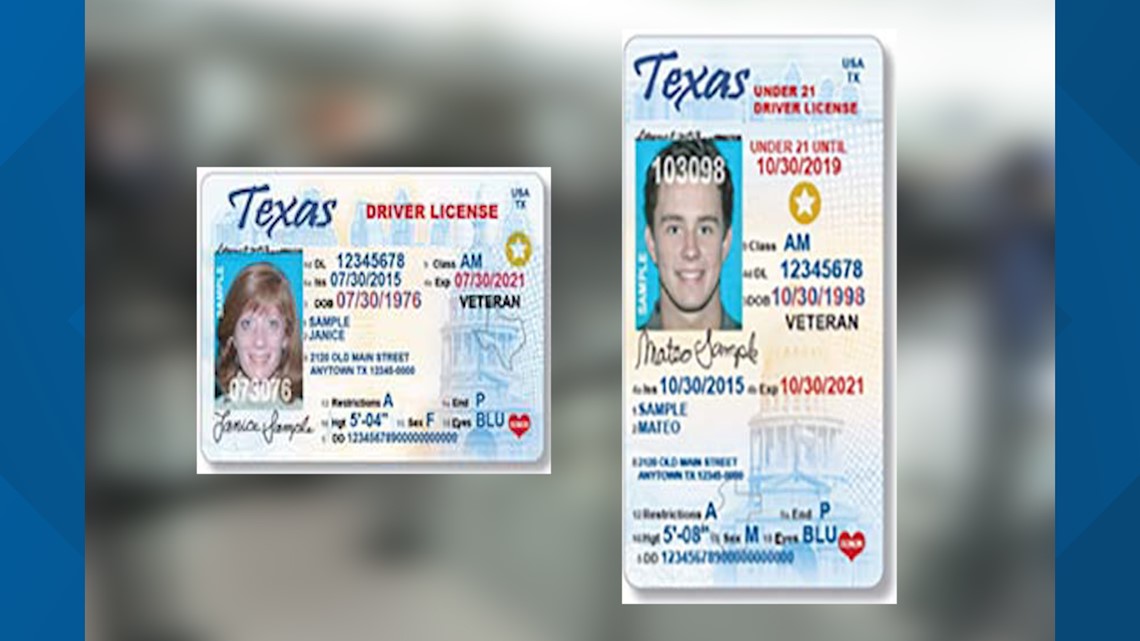
Understanding the Validity and Renewal
A standard Texas ID card is typically valid for eight years. While there isn’t an upfront cost difference for longer validity periods, it’s important to budget for potential future renewal fees. The renewal fee for a Texas ID is also $32. Planning for this renewal every eight years is part of responsible financial management for any resident or long-term visitor.
In summary, while the sticker price for a Texas ID is a clear $32, the overall cost and effort involved can be influenced by your age, location, and the completeness of your required documentation. Thorough preparation and understanding of the requirements can lead to a smoother and more cost-effective application process.