
The shimmering azure waters of the Pacific Ocean cradle a string of emerald jewels, each possessing its own unique charm and allure. For many, the name “Hawaii” conjures images of pristine beaches, vibrant luaus, and the iconic surf of the North Shore. But beyond the postcard-perfect vistas, a fundamental question arises for the geographically curious and the intrepid traveler: Is Hawaii an archipelago? The answer, unequivocally, is yes. Understanding Hawaii as an archipelago unlocks a deeper appreciation for its formation, its diverse landscapes, and the distinct experiences each island offers.
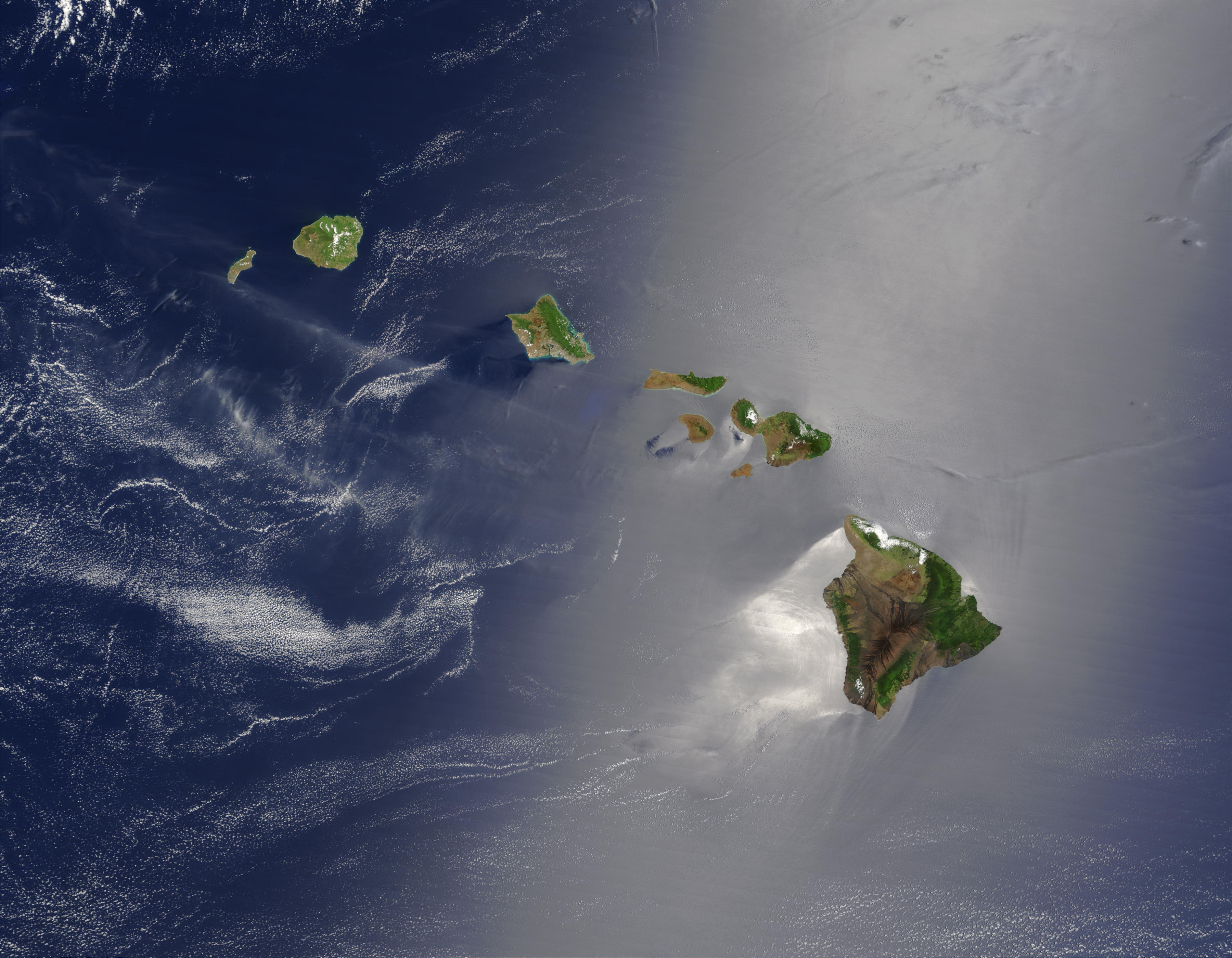
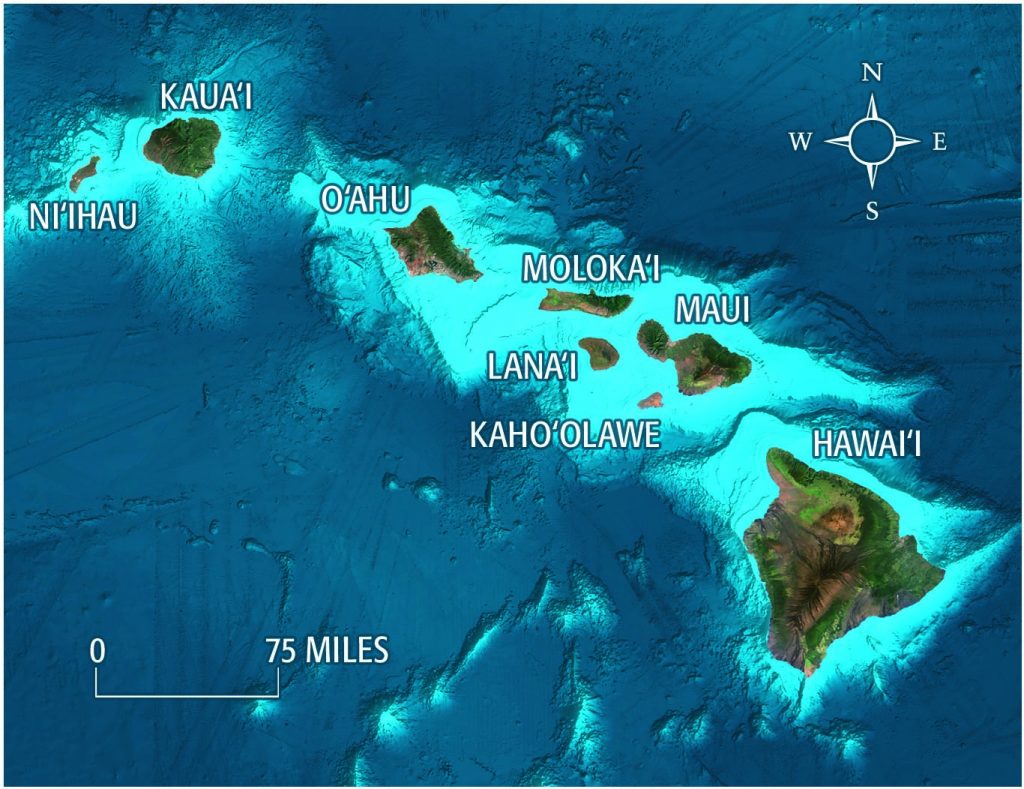
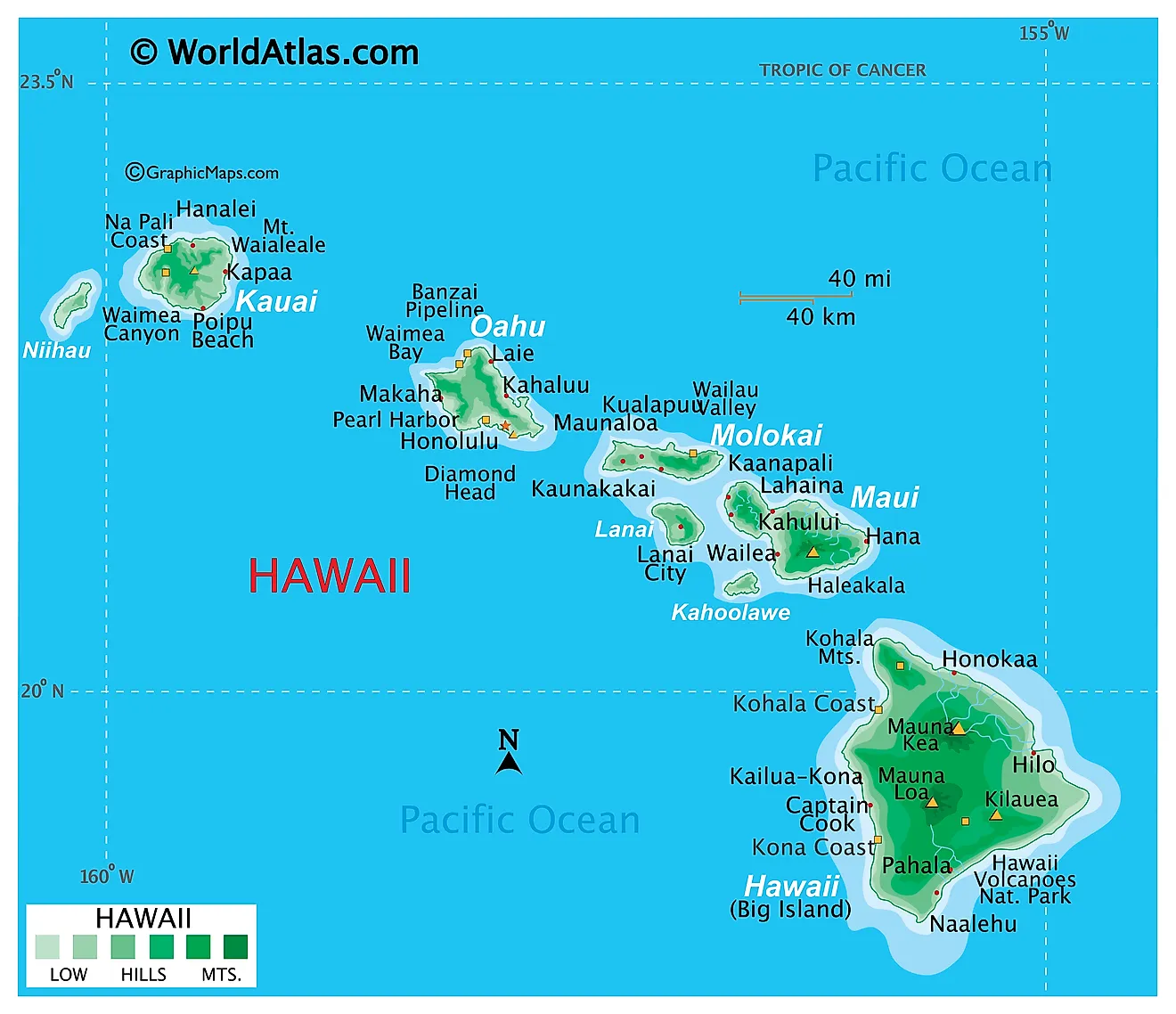
An archipelago, by definition, is a chain or cluster of islands. Hawaii fits this description perfectly, not as a single landmass, but as a collection of over 130 islands, islets, and atolls stretching over 1,500 miles across the Pacific. While the world often refers to “Hawaii” as a singular destination, this vast expanse is composed of eight main islands, each with a unique personality waiting to be explored. These islands are the exposed peaks of massive underwater volcanoes, a testament to the powerful geological forces that have shaped this breathtaking paradise over millions of years.
The Volcanic Genesis of an Archipelago
The very existence of Hawaii as an archipelago is a captivating story of immense geological power. Far from any continental landmass, the Hawaiian Islands owe their origin to a “hotspot” – a plume of molten rock rising from deep within the Earth’s mantle. As the Pacific tectonic plate slowly drifts westward over this stationary hotspot, volcanoes erupt, building up layer by layer from the ocean floor. This continuous process, spanning millions of years, has created the long, linear chain of islands we see today.
The Emperor Seamount Chain and the Hawaiian Islands
This ongoing volcanic activity has not only formed the inhabited Hawaiian Islands but also an even longer, submerged chain of ancient volcanoes known as the Emperor Seamount Chain. The oldest volcanoes in this chain are now heavily eroded and lie far to the northwest, while the youngest, most active ones are found at the southeastern end, forming the islands of Hawaii, Maui, Lanai, and Kahoʻolawe. This geological progression highlights the dynamic nature of the Earth’s crust and the relentless forces that sculpt our planet.
The youngest island, and the one where volcanic activity is currently most prominent, is the Island of Hawaii, often referred to as the “Big Island” to distinguish it from the state as a whole. Here, visitors can witness the raw power of creation at Hawaii Volcanoes National Park, home to Kīlauea, one of the world’s most active volcanoes, and Mauna Loa, the largest active volcano on Earth by volume. The dramatic landscapes, from steaming craters to black sand beaches formed by cooled lava, offer a profound connection to the Earth’s inner workings.
Exploring the Diverse Islands of the Hawaiian Archipelago
As an archipelago, Hawaii offers an incredible diversity of experiences, with each main island presenting a unique facet of the Hawaiian spirit. From lush rainforests and dramatic cliffs to bustling cities and tranquil havens, there’s an island for every type of traveler, whether you’re seeking adventure, relaxation, cultural immersion, or a luxurious escape.
Oʻahu: The Gathering Place
Often the first point of entry for most travelers, Oʻahu is the most populous island and the political and economic heart of Hawaii. Dubbed “The Gathering Place,” it offers a dynamic blend of urban excitement and natural beauty. Here, you can find iconic landmarks like Pearl Harbor, a poignant historical site, and the legendary surf breaks of the North Shore, including Banzai Pipeline.
Honolulu, the state capital, is a vibrant metropolis where you can explore world-class shopping, diverse culinary scenes, and a thriving arts and culture landscape. Waikīkī, famous for its crescent-shaped beach and the iconic Diamond Head crater, is a hub for sun-seekers and surfers. Beyond the city’s energy, Oʻahu boasts stunning natural attractions such as the Ānuenue Falls Trail in the Mānoa Valley and the breathtaking coastal views from the Pali Lookout. For those seeking comfortable stays, Oʻahu offers a wide range of accommodations, from luxury resorts like The Royal Hawaiian, a Luxury Collection Resort, Waikiki and Moana Surfrider, A Westin Resort & Spa, Waikīkī Beach, to more budget-friendly hotels and apartments catering to various travel lifestyles.
Maui: The Valley Isle
Known as “The Valley Isle,” Maui is celebrated for its stunning natural beauty and romantic allure. The island is a popular destination for honeymooners and families alike, offering a perfect blend of adventure and relaxation. The iconic Road to Hāna is a must-do experience, a winding coastal highway that traverses lush rainforests, cascading waterfalls, and dramatic ocean vistas.
The majestic Haleakalā National Park is another highlight, where visitors can witness breathtaking sunrises and sunsets from the summit of a dormant volcano, often above the clouds. The charming towns of Lahaina and Paʻia offer unique shopping and dining experiences, while the world-renowned beaches like Kaʻanapali Beach and Wailea Beach provide ample opportunities for swimming, sunbathing, and water sports. Luxury resorts such as Grand Wailea, A Waldorf Astoria Resort and boutique hotels abound, ensuring a comfortable and memorable stay for every visitor. Maui’s diverse offerings make it a quintessential destination for exploring the archipelago’s multifaceted appeal.
Kauaʻi: The Garden Isle
For those who yearn for untouched natural beauty and dramatic landscapes, Kauaʻi, “The Garden Isle,” is an unparalleled paradise. This is the oldest of the main islands, and its topography is a testament to millennia of erosion, resulting in some of the most spectacular scenery in the world. The Nā Pali Coast, with its towering emerald cliffs, inaccessible valleys, and secluded beaches, is a true marvel, best appreciated by boat tour or helicopter.
The majestic Waimea Canyon, often called the “Grand Canyon of the Pacific,” offers awe-inspiring views of its vast, colorful gorges. Lush rainforests, cascading waterfalls like Wailua Falls, and pristine beaches such as Poʻipū Beach and Hanalei Bay beckon adventurers and nature lovers. Kauaʻi provides a more tranquil and secluded experience, perfect for those seeking to disconnect and immerse themselves in nature. Accommodation options range from charming inns to eco-lodges, catering to those who prioritize a connection with the island’s natural splendor.
Molokaʻi and Lānaʻi: The Unspoiled Islands
For travelers seeking an authentic and off-the-beaten-path experience, the islands of Molokaʻi and Lānaʻi offer a glimpse into a Hawaii that time has largely untouched. Molokaʻi is renowned for its rich Hawaiian culture and traditions, with a strong emphasis on preserving its heritage. The iconic sea cliffs of Kalaupapa National Historical Park are a significant landmark, once home to a leper colony and now a place of profound historical and spiritual importance.
Lānaʻi, once known as the “Pineapple Island” for its extensive pineapple plantations, has transformed into a haven of luxury and seclusion. It offers exclusive resorts, world-class golf courses, and a serene escape from the bustling crowds. Exploring these lesser-visited islands provides a deeper understanding of the archipelago’s diverse history and its commitment to preserving its unique cultural tapestry.
The Significance of Hawaii as an Archipelago for Tourism and Lifestyle
Understanding Hawaii as an archipelago is not merely an academic exercise; it profoundly influences how one experiences the islands and shapes travel decisions. The very concept of an archipelago implies distinct ecosystems, varied geological formations, and unique cultural developments on each landmass. This translates directly into the diverse range of activities, attractions, and accommodations available across the Hawaiian Islands.
Diversified Travel Experiences
The archipelago structure means that a single trip to Hawaii can encompass a multitude of experiences. One might start by exploring the historical significance of Pearl Harbor and the vibrant city life of Honolulu on Oʻahu. Then, they could venture to Maui for a scenic drive along the Road to Hāna and a sunrise at Haleakalā. A flight to the Island of Hawaii would allow for witnessing active volcanism at Hawaii Volcanoes National Park, while a visit to Kauaʻi would immerse them in the dramatic cliffs of the Nā Pali Coast. This ability to seamlessly transition between vastly different environments and cultural nuances is a hallmark of visiting an archipelago.
Accommodation and Lifestyle Choices
The diversity of the islands also dictates the types of accommodations and lifestyle choices available. On Oʻahu, one can find everything from bustling hotels in Waikīkī to secluded villas in the hills. Maui offers a plethora of luxury resorts catering to romantic getaways and family vacations, alongside charming bed and breakfasts in historic towns. Kauaʻi leans towards eco-lodges and rental homes for those seeking a more nature-centric experience. The smaller islands, Molokaʻi and Lānaʻi, offer more boutique and exclusive lodging options. Whether one is looking for a budget-friendly apartment for a long-term stay or a lavish suite in a five-star resort, the Hawaiian archipelago provides options to suit every travel style and budget.
Embracing the Aloha Spirit Across the Islands
While each island possesses its own distinct character, they are all united by the pervasive “Aloha Spirit.” This spirit of love, compassion, and interconnectedness is the cultural foundation of Hawaii. Experiencing it firsthand, whether during a traditional luau, a surfing lesson, or simply through a warm interaction with a local, is a crucial part of any Hawaiian journey. As an archipelago, Hawaii offers not just diverse landscapes and activities but also a profound cultural experience that resonates deeply, making it a truly unforgettable destination for all who visit. The answer to “Is Hawaii an archipelago?” is a resounding yes, and this geographical reality is the very essence of its unparalleled magic.
LifeOutOfTheBox is a participant in the Amazon Services LLC Associates Program, an affiliate advertising program designed to provide a means for sites to earn advertising fees by advertising and linking to Amazon.com. Amazon, the Amazon logo, AmazonSupply, and the AmazonSupply logo are trademarks of Amazon.com, Inc. or its affiliates. As an Amazon Associate we earn affiliate commissions from qualifying purchases.