
Understanding the financial implications of transferring a vehicle title in the Sunshine State is crucial for any car owner. Whether you’ve just purchased a new or used vehicle, inherited one, or are gifting it to a family member, navigating the title transfer process in Florida involves several fees and taxes. These costs can vary based on the vehicle’s value, type, and specific circumstances of the transfer. This guide aims to demystify these expenses, providing a clear breakdown of what you can expect to pay when transferring a title in Florida.
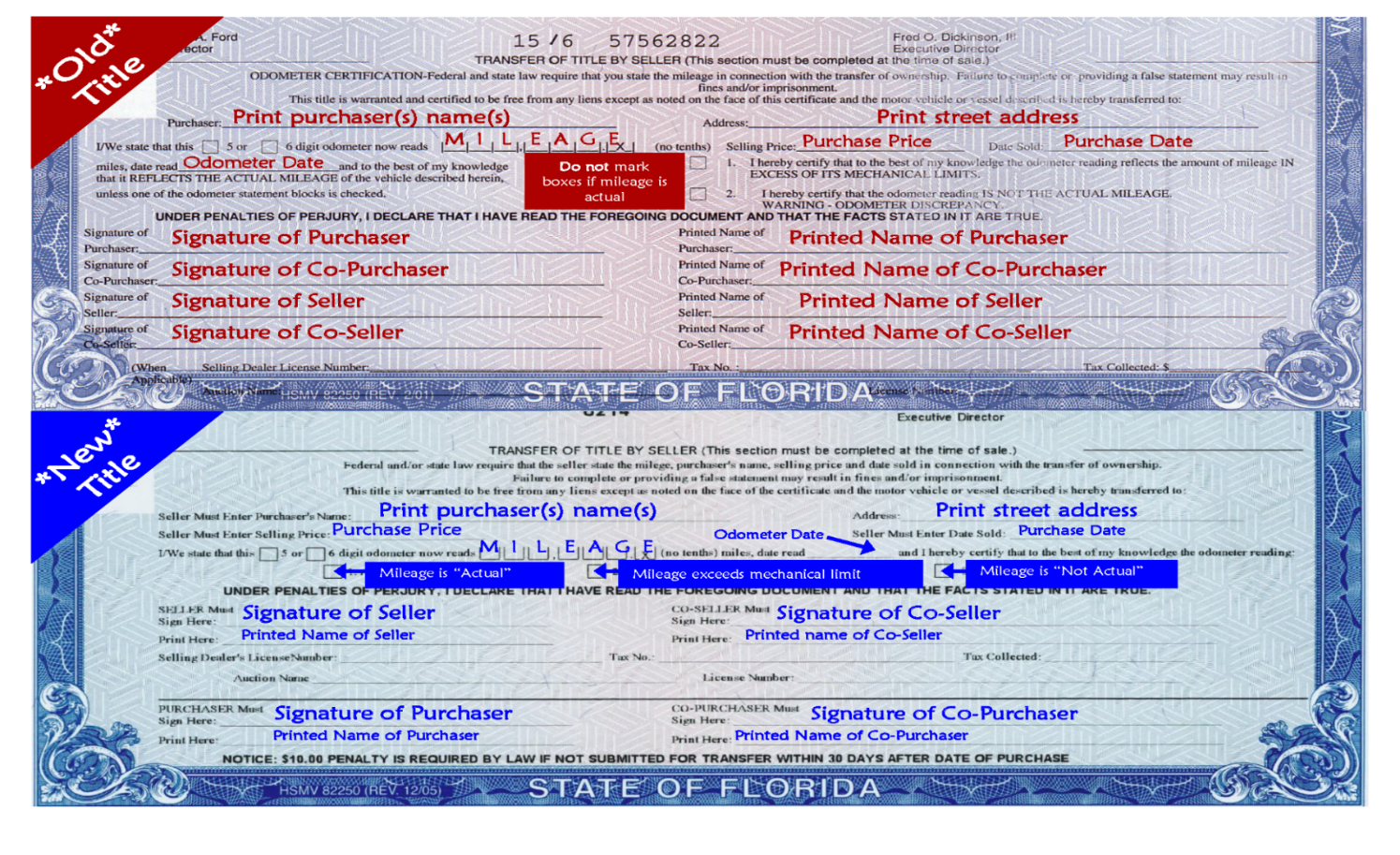
Understanding the Core Costs of a Florida Title Transfer
The primary expenses associated with a title transfer in Florida revolve around fees levied by the state and county tax collector’s offices, along with taxes calculated on the vehicle’s purchase price. It’s essential to distinguish between the title fee itself and the sales tax applied to the transaction.
Title Fee
The state of Florida charges a standard fee for issuing a new title. This fee covers the administrative costs of processing the paperwork, updating ownership records, and creating the physical title document.
- Standard Title Fee: Currently, the fee for a standard title transfer in Florida is $71.25. This amount includes the title fee itself and a portion designated for the state’s general revenue fund.
This fee is non-negotiable and is a mandatory part of the process for all vehicle title transfers, regardless of whether the vehicle is new or used, or if it’s a private sale or from a dealership.
Sales Tax
Perhaps the most significant component of the cost is the sales tax. In Florida, sales tax is applied to the purchase price of the vehicle. The rate can vary slightly depending on the county, but the statewide rate is a key factor.
- Statewide Sales Tax Rate: The state of Florida levies a 6% sales tax on motor vehicles.
- Local Option Sales Tax: Many counties in Florida impose an additional local option sales tax, which can bring the total sales tax rate to a maximum of 7.5%. For instance, a county with a 1% local option tax would have a total sales tax of 7%.
- Calculating Sales Tax: The sales tax is calculated based on the “taxable value” of the vehicle. For private sales, this is typically the actual purchase price. However, if the purchase price is significantly lower than the vehicle’s book value (as determined by the Florida Department of Revenue’s established guides), the tax may be calculated on the book value. For vehicles purchased from licensed dealers, the sales tax is generally calculated on the purchase price, which may include additional dealer fees or trade-in allowances.
- Sales Tax Cap: It’s important to note that Florida has a sales tax cap on vehicles. The maximum sales tax you will pay on a vehicle purchase is capped at $5,000. This cap is particularly beneficial when purchasing luxury vehicles or those with very high purchase prices, as it limits your sales tax liability.
Example: If you purchase a car for $20,000 in a county with a 7% total sales tax rate (6% state + 1% local), your sales tax would be $1,400 ($20,000 * 0.07). If the car was priced at $100,000, the sales tax would be capped at $5,000, not $7,000.
Other Potential Fees
Beyond the standard title fee and sales tax, other fees might apply depending on the specific circumstances of your title transfer.
- License Plate Fee: If you are transferring the title to a vehicle for which you need a new license plate, there will be a separate fee for the plate. The cost of a license plate in Florida varies depending on the type of vehicle (e.g., passenger car, motorcycle, truck) and any special designations (e.g., personalized plates). For a standard passenger vehicle, the initial registration and plate fee is typically around $225.
- Registration Fee: Alongside the license plate, there’s an annual registration fee for operating a vehicle on Florida roads. This fee also varies by vehicle type and weight.
- Lien Recording Fee: If the vehicle purchase involved financing, and there is a lien on the title, there will be a fee to record that lien. This fee is typically around $7.00.
- Title Transfer Fee for Specific Situations: While the $71.25 is standard, there might be slightly different fees for specific scenarios like a salvage title transfer or other specialized vehicle types.
Calculating Your Total Title Transfer Cost
To estimate your total title transfer cost in Florida, you need to sum up the applicable fees and taxes.
New Vehicle Purchase from a Dealership
When buying a new vehicle from a dealership, they often handle the title and registration process for you. They will typically roll these costs into your purchase agreement.
- Title Fee: $71.25
- Sales Tax: (Vehicle Price) x (Applicable Local Sales Tax Rate) – subject to the $5,000 cap.
- License Plate and Registration Fees: Varies by vehicle type.
- Dealer Fees: Dealerships may also charge their own administrative fees for processing the paperwork.
Example: A new car priced at $30,000 in a county with a 7% sales tax rate (and no sales tax cap applied yet).
- Title Fee: $71.25
- Sales Tax: $30,000 * 0.07 = $2,100
- License Plate & Registration (estimated): $225
- Total Estimated Cost (excluding dealer fees): $71.25 + $2,100 + $225 = $2,396.25
Used Vehicle Purchase from a Dealership
The process is similar to a new vehicle purchase, with the key difference being that the sales tax is applied to the negotiated purchase price.
- Title Fee: $71.25
- Sales Tax: (Vehicle Purchase Price) x (Applicable Local Sales Tax Rate) – subject to the $5,000 cap.
- License Plate and Registration Fees: Varies by vehicle type.
- Dealer Fees: Administrative charges may apply.
Private Sale of a Used Vehicle
When purchasing a vehicle from a private seller, you are responsible for handling the title transfer and registration yourself at your local county tax collector’s office.
- Title Fee: $71.25
- Sales Tax: (Vehicle Purchase Price or Taxable Value) x (Applicable Local Sales Tax Rate) – subject to the $5,000 cap. The Department of Revenue may assess tax on the vehicle’s book value if the purchase price is deemed too low.
- License Plate and Registration Fees: Varies by vehicle type. If the seller provides you with their existing license plate and you wish to transfer it to your new vehicle, you would pay a plate transfer fee instead of a new plate fee (which is typically less expensive).
Example: You buy a used car from a private seller for $12,000 in a county with a 7% sales tax rate.
- Title Fee: $71.25
- Sales Tax: $12,000 * 0.07 = $840
- License Plate & Registration (assuming you need a new plate): $225
- Total Estimated Cost: $71.25 + $840 + $225 = $1,136.25
If you were transferring the seller’s existing plate, the cost for that portion would be lower.
Special Circumstances Affecting Title Transfer Costs
Certain situations can alter the standard title transfer costs in Florida.
Transferring a Title Between Family Members
Florida offers exemptions or reduced costs for title transfers between immediate family members.
- Gifts: If a vehicle is gifted to an immediate family member (spouse, child, parent), the sales tax is typically waived. However, the title fee and any applicable registration fees still apply.
- Inheritance: Similarly, inheriting a vehicle usually exempts the recipient from paying sales tax, provided proper documentation is submitted. The title fee and registration costs will still be required.
To claim these exemptions, you will need to complete specific affidavits provided by the Florida Department of Highway Safety and Motor Vehicles (FLHSMV) and present proof of the family relationship.
Transferring a Salvage Title
When a vehicle has been declared a total loss by an insurance company and subsequently repaired, it receives a salvage title. Transferring ownership of a vehicle with a salvage title in Florida involves a few additional steps and potentially different fees, particularly when it comes to re-titling and inspection. The costs are generally higher due to the inspections required to ensure the vehicle is roadworthy and safe.
Out-of-State Vehicle Titles
If you are moving to Florida and bringing a vehicle with you, you will need to transfer its title and registration to Florida. The process is similar to buying a vehicle within the state, but there are some key differences:
- Title Fee: The standard Florida title fee ($71.25) will apply.
- Sales Tax: Florida may assess sales tax on vehicles brought into the state if sales tax was not paid in the previous state. There is a credit for sales tax paid in another state, but Florida will collect the difference if the tax paid elsewhere is lower than the Florida rate. The $5,000 cap still applies.
- Vehicle Inspection: Out-of-state vehicles must undergo a VIN (Vehicle Identification Number) inspection by a law enforcement officer or certified inspector. This inspection fee is typically around $9.00.
- Lien Checks: If there was a lien on the out-of-state title, Florida will need to verify its release or record a new lien if financing is obtained in Florida.
Where to Complete Your Title Transfer
Title transfers in Florida are handled by the county tax collector’s offices. You will need to visit the office in the county where you reside. Many counties offer online appointment scheduling and even some online services to streamline the process and reduce wait times. It is advisable to check the website of your local county tax collector for specific requirements, accepted forms of payment, and to schedule an appointment.

Required Documentation
Regardless of the circumstances, you will generally need the following documentation for a title transfer:
- Proof of Identity: A valid driver’s license or state-issued identification card.
- Original Title: The physical title document signed over to you by the previous owner.
- Bill of Sale: A document detailing the transaction, purchase price, vehicle information, and signatures of both buyer and seller. This is crucial for private sales.
- Proof of Insurance: Florida requires all vehicle owners to have proof of current Florida insurance.
- Completed Application for Certificate of Title (Form HSMV 82040): This form is available on the FLHSMV website.
- Loan Documents (if applicable): If financing was involved, paperwork detailing the lienholder.
- Affidavits (for family transfers or gifts): As mentioned previously.
Conclusion:
The cost of a title transfer in Florida is a multifaceted calculation involving a base title fee, sales tax on the vehicle’s value (capped), and various registration and plate fees. While the standard title fee is fixed, the sales tax portion can be the most variable and significant expense. Being prepared with accurate vehicle information, understanding the applicable tax rates in your county, and being aware of potential exemptions for family transfers can help you budget effectively for this essential step in vehicle ownership in the Sunshine State. Always verify the latest fee structures with your local county tax collector’s office, as these figures can be subject to change.
LifeOutOfTheBox is a participant in the Amazon Services LLC Associates Program, an affiliate advertising program designed to provide a means for sites to earn advertising fees by advertising and linking to Amazon.com. Amazon, the Amazon logo, AmazonSupply, and the AmazonSupply logo are trademarks of Amazon.com, Inc. or its affiliates. As an Amazon Associate we earn affiliate commissions from qualifying purchases.