
Navigating the requirements for operating a vehicle in Texas involves understanding various regulations, and one of the most fundamental is the vehicle inspection. For residents and visitors alike who plan to drive in the Lone Star State, knowing the cost associated with this mandatory process is crucial for budgeting and planning. Texas implements an annual safety inspection to ensure vehicles meet minimum safety standards, contributing to road safety for everyone. While the state mandates the inspection, the actual cost can vary slightly, influenced by several factors. This guide aims to demystify the expenses involved, providing clarity for Texas drivers.

The Official State Fee and What It Covers
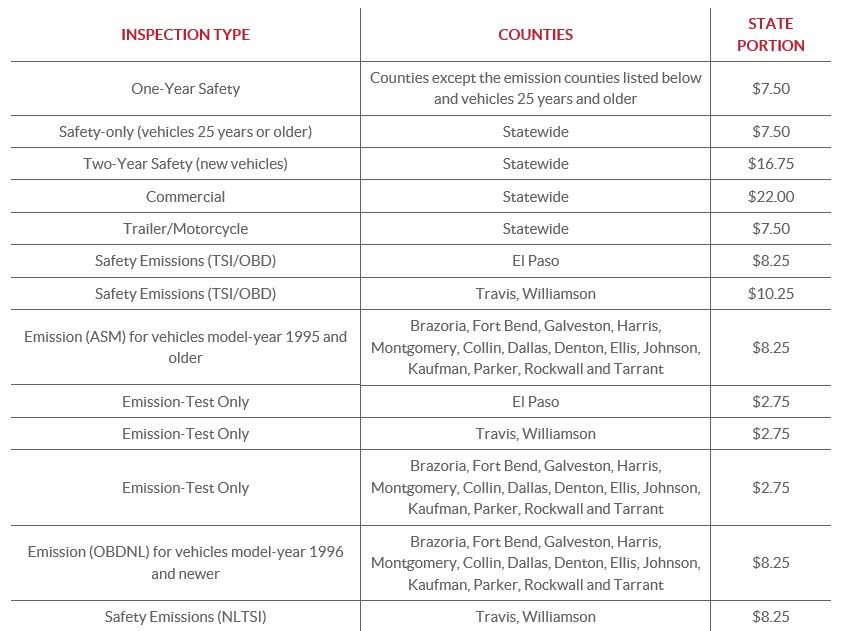
The Texas Department of Public Safety (DPS) sets an official fee for the vehicle inspection. This fee is non-negotiable and is intended to cover the cost of the inspection itself and the official state inspection certificate (often referred to as a “sticker” or “decal”). As of the most recent regulations, the state fee for a standard passenger vehicle inspection is $7.50. This amount is collected by the inspection station, and a portion of it is remitted to the state.
It’s important to understand what this fee represents. The $7.50 is not merely a tax or a blanket charge. It specifically funds the operation of the inspection program, ensuring that licensed facilities have the necessary equipment and training to perform the mandated checks. The inspection certificate, affixed to your vehicle’s windshield, serves as proof that your vehicle has met the state’s safety requirements. Without this valid certificate, you risk receiving a citation.
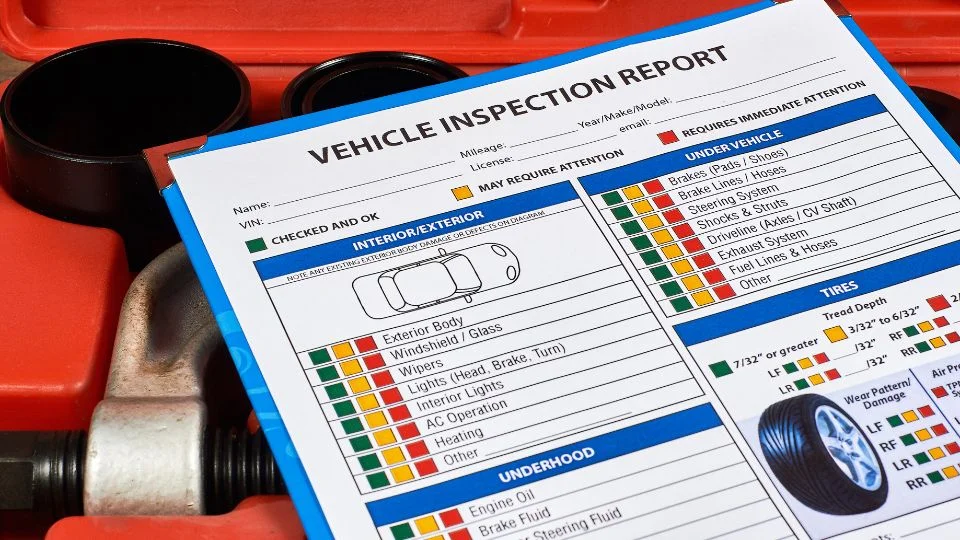
The inspection process itself involves a thorough check of various safety components. These typically include:
- Brakes: Ensuring the braking system is functional and meets performance standards.
- Lights: Verifying that all exterior lights (headlights, taillights, brake lights, turn signals) are operational and correctly aimed.
- Horn: Confirming the horn functions properly.
- Windshield Wipers: Checking the condition and functionality of windshield wipers.
- Mirrors: Ensuring all rearview and side mirrors are present and in good condition.
- Tires: Inspecting tire tread depth and condition for safety.
- Steering: Checking the steering system for proper operation and no excessive play.
- Seat Belts: Verifying that all installed seat belts are present and functional.
- Exhaust System: Ensuring the exhaust system is properly connected and not leaking.
- Emission Control Systems (for certain counties): In specific metropolitan areas like Dallas-Fort Worth, Houston, San Antonio, and Austin, vehicles may also require an emissions test as part of the inspection. This is an additional component and sometimes associated with a separate fee, though often bundled into the overall inspection cost at the facility.
The $7.50 state fee is the baseline cost. However, many inspection stations add a service fee on top of this.
Additional Service Fees and Total Inspection Costs
While the state mandates a $7.50 fee for the inspection certificate, inspection stations are permitted to charge an additional service fee. This service fee covers the labor and the overhead costs of the business operating the inspection lane. The amount of this service fee is not regulated by the state, meaning it can vary significantly from one station to another.
This variability is a key reason why the total cost of a vehicle inspection in Texas is not a fixed number. You might find inspection stations charging anywhere from $10 to $30 or even more for their service fee, in addition to the mandatory $7.50 state fee.
Typical Total Costs:
- Low End: $7.50 (state fee) + $10 (service fee) = $17.50
- Mid Range: $7.50 (state fee) + $15 (service fee) = $22.50
- High End: $7.50 (state fee) + $25 (service fee) = $32.50
Therefore, when asking “How much does a vehicle inspection cost in Texas?”, the answer is generally between $17.50 and $35 for a standard safety inspection. For vehicles requiring an emissions test in addition to the safety inspection, the cost can be higher, often ranging from $25 to $50 or more, depending on the specific station and the type of emissions test performed.
It is advisable to call a few inspection stations in your area to compare prices before committing. Many automotive repair shops, dealerships, and dedicated inspection stations offer this service. Some stations may even offer discounts or special promotions, especially if you are a regular customer or if you are getting other services done at their facility.
Factors Influencing Service Fees
Several factors can contribute to the difference in service fees charged by various inspection stations:
- Location: Stations in prime urban areas or high-traffic locations might charge more due to higher operating costs.
- Reputation and Quality of Service: Some stations may invest more in customer service, providing a comfortable waiting area, efficient service, or additional services, which could be reflected in their pricing.
- Bundled Services: Certain businesses might offer a lower service fee if you combine the inspection with an oil change or other maintenance work.
- Type of Vehicle: While the state fee is generally the same, some specialized inspection stations might have slightly different pricing for larger vehicles, commercial vehicles, or classic cars, though this is less common for standard passenger vehicles.
Emissions Testing: An Added Layer of Cost
As mentioned, certain regions in Texas require an emissions test as part of the annual inspection. This is implemented in counties with higher populations to help monitor and improve air quality. Currently, these counties include:
- Brazoria
- Collin
- Denton
- Fort Bend
- Galveston
- Harris
- Hunt
- Johnson
- Montogomery
- Parker
- Rockwall
- Tarrant
- Travis
- Villages
- Waller
- Wise
- Dallas
- El Paso
- Fort Worth
- Houston
- San Antonio
- Austin
If your vehicle is registered in one of these counties, you will need to pass an emissions test in addition to the safety inspection. The cost for the emissions test is usually integrated into the overall inspection fee at stations that offer both. Some stations may break down the cost, while others present a single price. The emissions test itself has an associated state fee, but like the safety inspection, the total charged will include the facility’s service fee for performing the test.
Vehicles that are model year 20 years or older are exempt from the emissions testing requirement. Additionally, certain types of vehicles, such as motorcycles and electric vehicles, are exempt from both safety and emissions inspections. Always check the Texas Department of Transportation (TxDOT) or Texas DPS website for the most current exemption information.
What Happens If Your Vehicle Fails Inspection?
If your vehicle fails the inspection, you will not receive an inspection certificate. This means you cannot legally drive on Texas roads until the issues are resolved and the vehicle passes. You will typically be given a report detailing the reasons for failure.
The cost of the failed inspection is usually non-refundable for the state fee portion. However, many inspection stations will allow you to return for a re-inspection within a specified period (often 30-60 days) without charging an additional service fee, provided you have had the necessary repairs made at their facility or elsewhere. It is essential to clarify this policy with the inspection station at the time of your initial inspection.
The cost of repairs will, of course, be in addition to the inspection fees. These repair costs can range from very minor (e.g., replacing a burnt-out bulb) to significant (e.g., brake system repairs or exhaust system issues).
When planning your vehicle maintenance and budget, it’s wise to factor in the possibility of repairs following an inspection. Proactive maintenance can often prevent failed inspections and save you money in the long run.
Finding Affordable Inspection Stations
To find the most affordable vehicle inspection in Texas, consider the following strategies:
- Shop Around: Don’t settle for the first inspection station you find. Call or visit several in your vicinity to compare their total inspection costs (state fee + service fee).
- Look for Promotions: Some businesses offer discounts on inspections, especially during off-peak times or when bundled with other services like oil changes or tire rotations.
- Consider Independent Shops: While dealerships and large chains can offer convenience, independent mechanics or smaller, dedicated inspection stations may offer more competitive pricing.
- Check Online Reviews: Read reviews from other drivers to gauge the efficiency and fairness of pricing at different stations.
- Utilize the Official Inspection Station Locator: The Texas DPS website provides a tool to locate official inspection stations in your area. While it doesn’t list prices, it helps you find licensed providers.
By being informed and proactive, you can ensure your vehicle meets Texas safety standards without overspending on the mandatory inspection process. The goal is always safe driving, and a successful inspection is a vital step towards that.
LifeOutOfTheBox is a participant in the Amazon Services LLC Associates Program, an affiliate advertising program designed to provide a means for sites to earn advertising fees by advertising and linking to Amazon.com. Amazon, the Amazon logo, AmazonSupply, and the AmazonSupply logo are trademarks of Amazon.com, Inc. or its affiliates. As an Amazon Associate we earn affiliate commissions from qualifying purchases.