
The escalating presence of invasive Burmese pythons in Florida has transformed a biological challenge into a complex economic equation. Beyond the ecological devastation these apex predators inflict upon the delicate Everglades ecosystem, the state of Florida invests significant resources in their management and eradication. This investment manifests in various forms, from direct bounties for captured snakes to funding research and public outreach initiatives. Understanding the financial commitment involved offers a crucial insight into the state’s commitment to preserving its unique natural heritage.
The Financial Burden of Invasive Species Control
The economic impact of invasive species is a global concern, and Florida’s python problem is a prime example. The direct costs associated with managing the Burmese python population are substantial, encompassing personnel, equipment, and operational expenses. However, these direct costs are often overshadowed by the indirect economic losses stemming from the degradation of natural resources that support Florida’s vital tourism industry.
Direct Financial Incentives for Python Removal
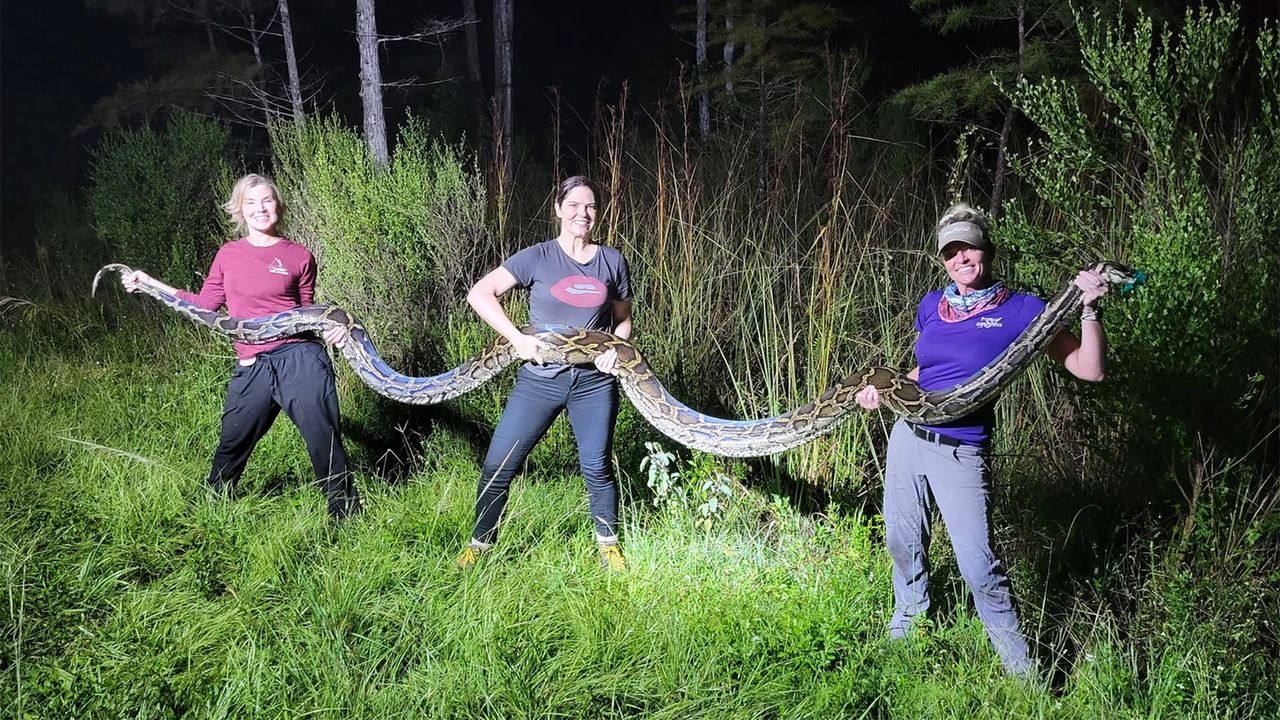
One of the most visible and debated methods of python control in Florida is the implementation of bounty programs. These programs offer monetary rewards to individuals for capturing and humanely euthanizing Burmese pythons. The rationale behind these initiatives is to incentivize public participation in python removal efforts, thereby increasing the number of snakes taken out of the wild.
The Python Elimination Program (PEP)
The Florida Fish and Wildlife Conservation Commission (FWC) has historically operated and continues to refine its python removal programs. The Python Elimination Program (PEP), for instance, has been a cornerstone of these efforts. Under such programs, licensed trappers are contracted to actively hunt and remove pythons from designated areas. These contractors are typically compensated based on the size and number of pythons they successfully remove. For example, payments can be structured to offer a base fee per snake, with additional compensation for larger specimens. This tiered payment system aims to encourage the removal of the largest, most reproductively successful individuals, which can have a disproportionately large impact on the overall population. The specific amounts paid can fluctuate based on budget allocations and program objectives, but they represent a direct financial outlay by the state to mitigate the python threat. The success of these programs is often measured not just by the number of pythons removed, but also by the cost-effectiveness of the removals.
Other Bounty Initiatives and Their Effectiveness
Beyond the FWC’s structured programs, various localized or experimental bounty initiatives have been explored and sometimes implemented. These can range from grants offered by specific counties to private organizations or even ad-hoc reward systems. The effectiveness of these smaller-scale programs can be harder to quantify, but they often serve as important testing grounds for new approaches and can provide valuable data for future policy decisions. Critics sometimes question the long-term sustainability and cost-efficiency of bounty programs, particularly when compared to more comprehensive management strategies. However, for many Floridians, the tangible financial incentive provides a direct link between their efforts and the protection of their state’s natural treasures.
Funding Research and Management Strategies
The financial commitment to python control extends far beyond direct removal incentives. A significant portion of the state’s investment is dedicated to scientific research, technological development, and comprehensive management strategies designed to understand and ultimately control the python population.
Scientific Understanding and Monitoring
To effectively combat the python invasion, scientists need to understand the snakes’ biology, behavior, and ecological impact. This requires funding for research projects that investigate python diet, reproductive patterns, habitat utilization, and their effects on native wildlife. Such research is crucial for developing targeted removal strategies, identifying high-risk areas, and predicting future population trends.
Ecological Impact Studies
Studies funded by the state aim to quantify the damage pythons inflict on native species. This involves extensive fieldwork, including surveys of mammal populations in areas with high python densities compared to areas with lower densities. Researchers also analyze the gut contents of captured pythons to understand their dietary preferences and the impact on specific prey species. The findings from these studies often form the basis for conservation plans and influence public perception regarding the urgency of the python issue. For instance, documentation of significant declines in raccoon, opossum, and bobcat populations in the Everglades National Park due to python predation has spurred increased public and political support for robust control measures.
Genetic and Behavioral Research
Understanding the genetic makeup of the python population can provide insights into their origins and dispersal patterns. Genetic research can help identify bottlenecks or distinct subpopulations, which can inform trapping and removal strategies. Furthermore, behavioral research, often aided by tracking devices, helps scientists understand how pythons move, hunt, and reproduce, allowing for more effective placement of traps and patrols. Funding for these specialized research areas demonstrates a commitment to a science-based approach to invasive species management.
Technological Advancements and Innovative Tools
The fight against pythons is also a technological one. Florida invests in the development and deployment of innovative tools and technologies to enhance detection, capture, and monitoring efforts. This includes everything from advanced trapping mechanisms to sophisticated surveying equipment.

Detection and Surveillance Technologies
New technologies are constantly being explored to improve the ability to find pythons. This can involve aerial surveys using thermal imaging cameras that can detect the heat signatures of snakes, especially during cooler periods. Drones equipped with advanced sensors are also being tested for their efficacy in surveying vast and often inaccessible areas of the Everglades. The investment in these cutting-edge technologies is aimed at increasing the efficiency and effectiveness of python detection, allowing limited resources to be deployed more strategically.
Improved Capture and Containment Methods
Beyond traditional trapping, researchers and wildlife officials are exploring and investing in more effective capture and containment methods. This could include the development of specialized traps that are more attractive or effective for pythons, as well as improved methods for safely handling and transporting captured snakes. The goal is to minimize risks to both the handlers and the captured pythons, while maximizing the number of successful removals.
Public Awareness and Community Engagement
A critical, though often less directly quantifiable, aspect of Florida’s python management strategy involves public awareness and community engagement. Educating the public about the invasive nature of Burmese pythons, the ecological damage they cause, and how individuals can contribute to removal efforts is paramount to long-term success.
Educational Outreach Programs
The state allocates resources to develop and implement educational programs targeting a wide range of audiences. This includes school curricula, public presentations, and informational materials distributed through websites, visitor centers, and public events. The objective is to foster a sense of stewardship among Floridians and to encourage responsible behavior that minimizes the spread of invasive species.
Engaging Local Communities and Stakeholders
Effective invasive species management requires the collaboration of various stakeholders, including landowners, local businesses, and conservation organizations. Florida invests in outreach initiatives to engage these groups, providing them with information and resources to help them participate in python control efforts. This can involve workshops for landowners on how to identify and report pythons on their property, or partnerships with tourism operators to incorporate educational components into their offerings. By fostering a sense of shared responsibility, Florida aims to build a broad coalition committed to protecting its natural heritage.
Promoting Responsible Pet Ownership
A significant factor contributing to the introduction of Burmese pythons into Florida was the release of unwanted pets into the wild. Consequently, a portion of the state’s funding is directed towards public awareness campaigns focused on responsible pet ownership. These campaigns aim to educate the public about the potential dangers of exotic pets and the importance of never releasing them into the environment. By addressing the root cause of the invasion, Florida seeks to prevent future introductions and the associated ongoing costs of eradication.
The Economic Value of a Healthy Ecosystem
While the direct costs of python removal and management are significant, it is crucial to consider the economic value of the ecosystem that Florida is working to protect. The Everglades and surrounding natural areas are a major draw for tourists, generating billions of dollars annually for the state’s economy. The degradation of this natural capital due to invasive species like the Burmese python poses a substantial threat to this vital economic engine.
Tourism and Recreation Revenue
Florida boasts some of the most diverse and attractive natural landscapes in the world, drawing millions of visitors each year for activities such as birdwatching, hiking, fishing, and wildlife viewing. The health of these ecosystems is directly linked to the appeal of these attractions. When invasive species disrupt the natural balance, the visitor experience can be diminished, leading to a potential decline in tourism revenue. The funds invested in python control can therefore be viewed as an investment in maintaining and preserving the very assets that drive Florida’s tourism industry.
Protecting Wildlife Viewing Opportunities
For many tourists and residents, the allure of Florida lies in its abundant and unique wildlife. The Burmese python, as an apex predator, has had a devastating impact on native mammal populations, reducing the opportunities for visitors to observe iconic species like deer, bobcats, and various bird species. The significant financial investment in python removal is, in essence, an investment in safeguarding these invaluable wildlife viewing opportunities, which are a cornerstone of Florida’s appeal.

Preserving Natural Habitats for Future Generations
Ultimately, the financial commitment to combatting the Burmese python invasion is an investment in the long-term ecological health and economic vitality of Florida. By dedicating resources to removal, research, and public education, the state aims to restore balance to its precious natural environments, ensuring that they remain a source of wonder, recreation, and economic prosperity for generations to come. The ongoing debate over the cost of python control is inextricably linked to the immeasurable value of a thriving and biodiverse Florida.
LifeOutOfTheBox is a participant in the Amazon Services LLC Associates Program, an affiliate advertising program designed to provide a means for sites to earn advertising fees by advertising and linking to Amazon.com. Amazon, the Amazon logo, AmazonSupply, and the AmazonSupply logo are trademarks of Amazon.com, Inc. or its affiliates. As an Amazon Associate we earn affiliate commissions from qualifying purchases.